



Antique Tazza Plate
An antique tazza plate elevates fruit and sweetmeats upon a pedestal, bringing formal display to any table.
Antique Tazza Plate
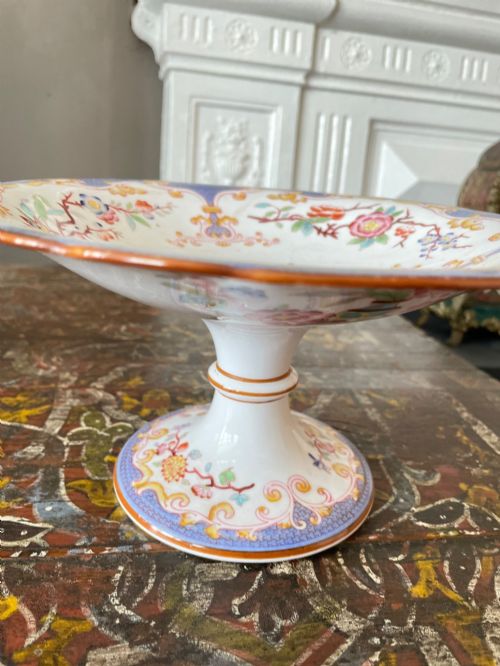
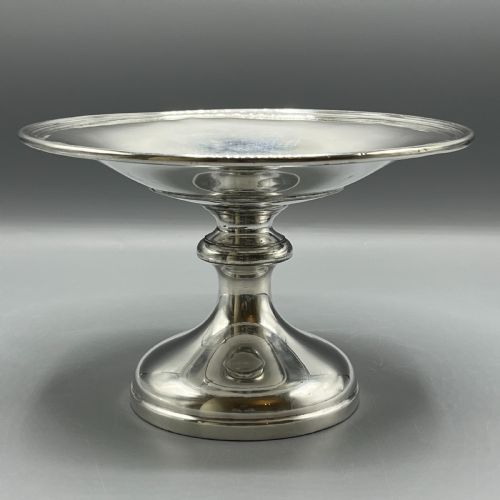
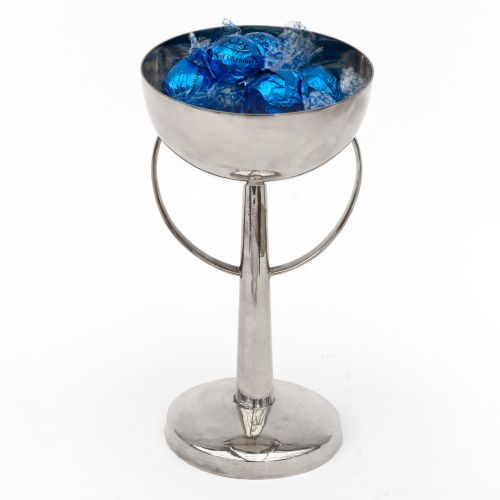
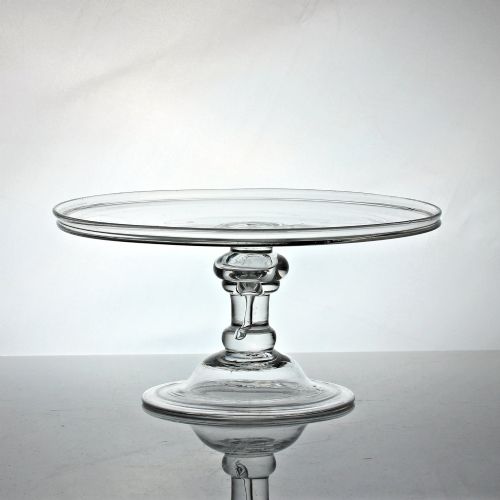
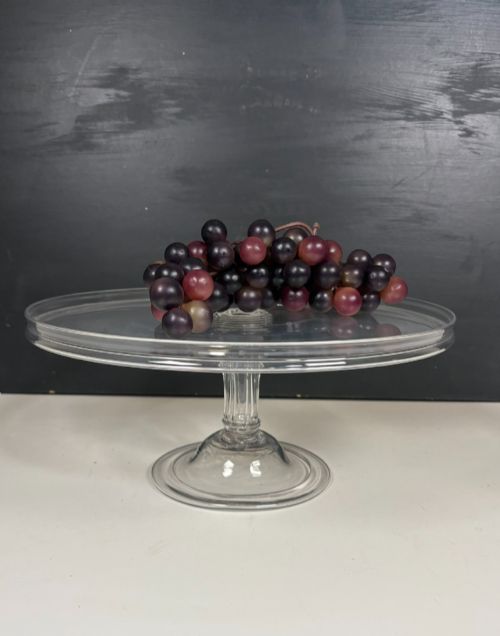
The antique tazza plate combines a flat or shallow dish with a raised foot or central pedestal, creating a distinct stage for serving or display. You encounter these pieces in forms ranging from Georgian baluster glass and blue and white pottery to silver plate and porcelain.
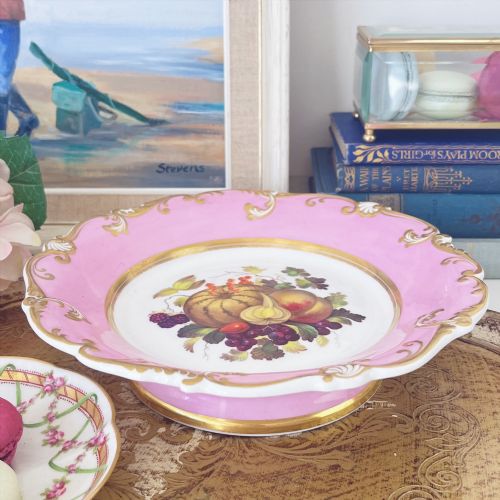
Makers produced these footed vessels as centrepieces, cake stands, and comports to hold fruit, confectionery, or cheese during formal meals. The listings show examples spanning the eighteenth, nineteenth, and early twentieth centuries across diverse styles like Georgian, Victorian, and Art Nouveau.
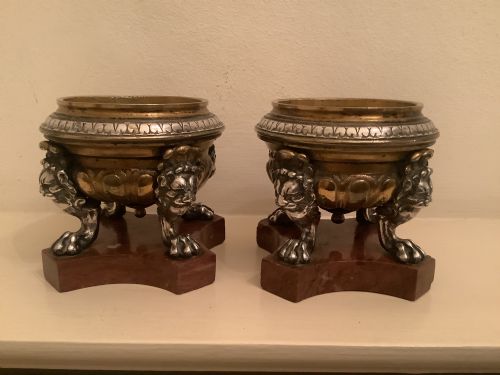
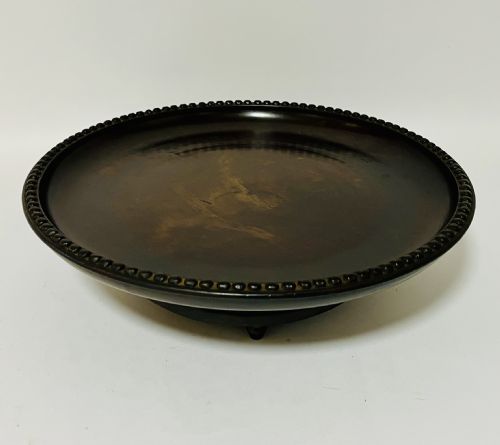
Most examples function as serveware or decorative bowls, utilising materials such as lead crystal, earthenware, and silver-plated bronze. Collectors find forms that range from simple turned wooden bowls to elaborate silvered centrepieces with cut glass inserts.
Materials and construction methods
Glass pieces rely on lead crystal or clear glass formed into heavy baluster stems and wide circular plates, sometimes featuring pressed patterns like pearline. Potters shaped earthenware and porcelain bodies, applying transfer printing or delicate hand-painted fruit and floral scenes before glazing.
Metal versions utilise silver plate over base metals, Britannia metal, or silvered bronze, often shaped with organic Art Nouveau contours or formal Rococo Revival detailing. Wooden variants demonstrate traditional turning and carving techniques on domestic timbers.
Antique Tazza Plate Retail Price Guide 2026
Typical asking prices for tazza plate among the pieces listed under this phrase on Sellingantiques today, from the lower quarter to the upper quarter. They describe what is for sale here now, not the wider market.
The selection spans eras from the eighteenth-century Georgian period through to Art Deco designs of the twentieth century.
Factors that distinguish the work
Quality rests upon the crispness of the casting in metal pieces, the depth and clarity of the cutting in lead crystal, and the finesse of hand-painting on porcelain. Superior examples display balanced proportions between the dish and its pedestal foot.
The reputation of the pottery, glasshouse, or metalwork manufacturer elevates certain pieces, particularly when combined with signed mounts or documented crests. Integrity of the materials, whether original silver plating or unground glass rims, dictates the standing of each piece.
H & R Daniel·John Ridgway·Mappin and Webb·Thomas Moorcroft·E.J.D Bodley·WMF·Minton·Davidson·Spode·Christofle et Cie
The Antique Tazza Plate Glossary
- Tazza
- A shallow bowl or plate mounted on a stem and foot, used for serving food or display.
- Comport
- A large shallow dish on a foot, synonymous with a tazza and often used for dessert service.
- Baluster
- A moulded column or stem with a swelling base, common in Georgian glass and pottery supports.
- Pearline
- A pressed glass technique developed in the late nineteenth century that produced translucent, shaded patterns.
- Britannia metal
- A tin-based alloy used as a base metal for silver plating during the Victorian era.
Antique Tazza Plate: Frequently Asked Questions
How were these plates used historically?
These pieces sat at the centre of dining tables to present fruit, sweetmeats, cakes, or cheeses during formal courses.
They elevated food visually to create height and arrangement within elaborate table settings.
Can I use an antique tazza for serving food today?
Silver-plated, glass, and ceramic examples remain suitable for serving dry foods, fruits, or cakes at gatherings.
Consider the material and any historical surface wear when deciding between practical use and display.
How do I identify a Georgian tazza?
Georgian examples often display heavier lead crystal with baluster stems or characteristic blue and white transfer printed earthenware.
Construction details and potting weights help distinguish these eighteenth-century forms from later Victorian revivals.