



Antique Taxidermy Stag
These antique taxidermy stag mounts and carvings bring the grand scale of the Highlands and Black Forest into a room.
Antique Taxidermy Stag
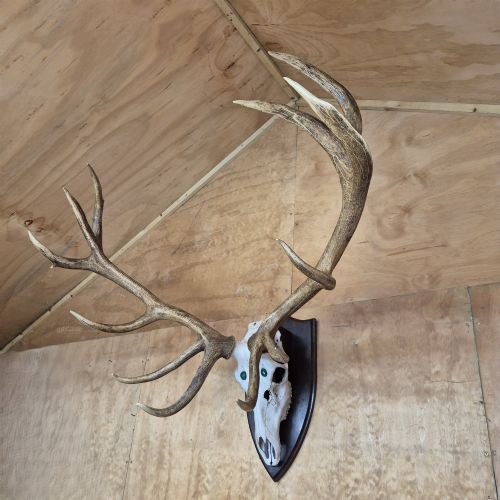
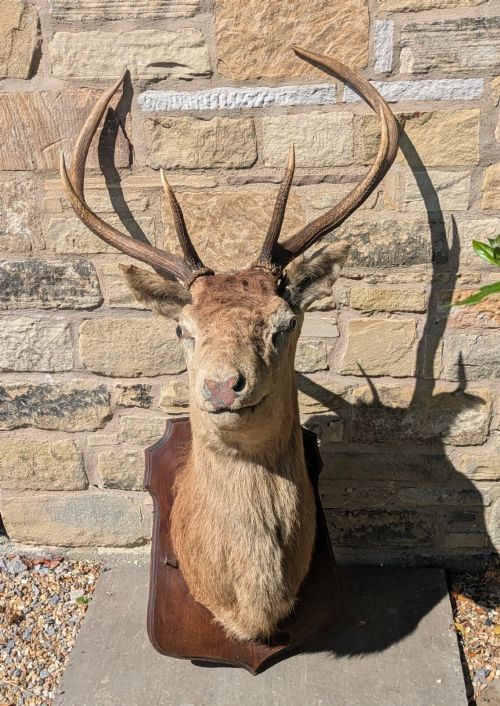
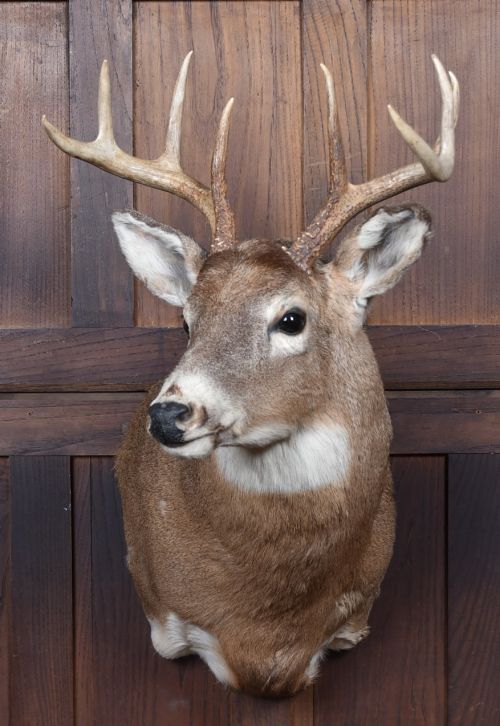
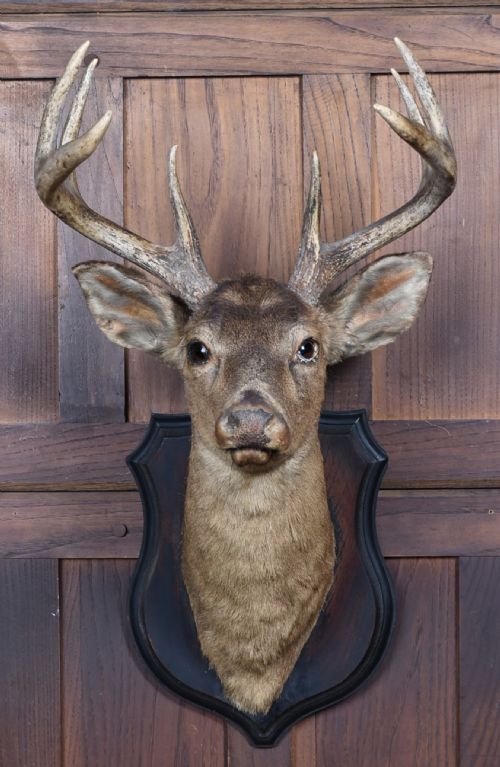
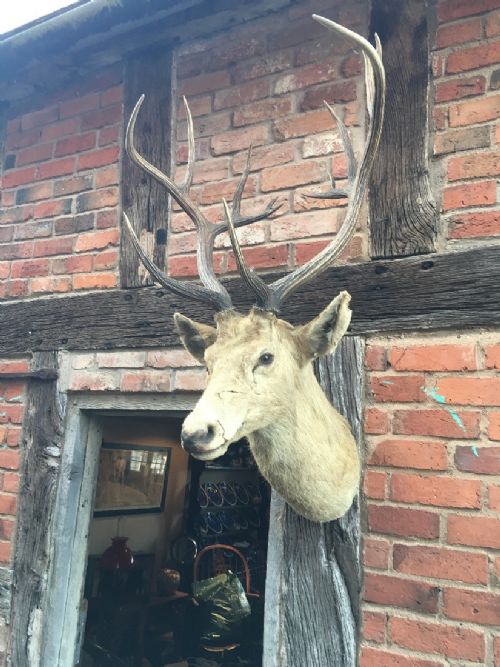
When you search for antique taxidermy stag, you encounter wall sculptures, taxidermy mounts, and carved trophies that record nineteenth and twentieth-century sporting traditions. The most common forms on this page are full stag heads and mounted antlers set onto carved wood shields, ranging from red deer and roebuck to white-tailed deer.
The aesthetic draws heavily on Victorian, Black Forest, and Highland hunting lodge styles, alongside rustic folk art interpretations. Pieces span periods from the early nineteenth century through the Edwardian era and into the 1920s and 1930s, reflecting both grand country house interiors and rural craftsmanship.
How they were made
Taxidermy mounts utilise actual animal hide, bone, and natural antlers, carefully preserved and fitted onto structural forms by skilled practitioners. The supporting shields and wall plaques are typically shaped from carved wood, such as oak, providing a robust anchor for heavy trophy heads.
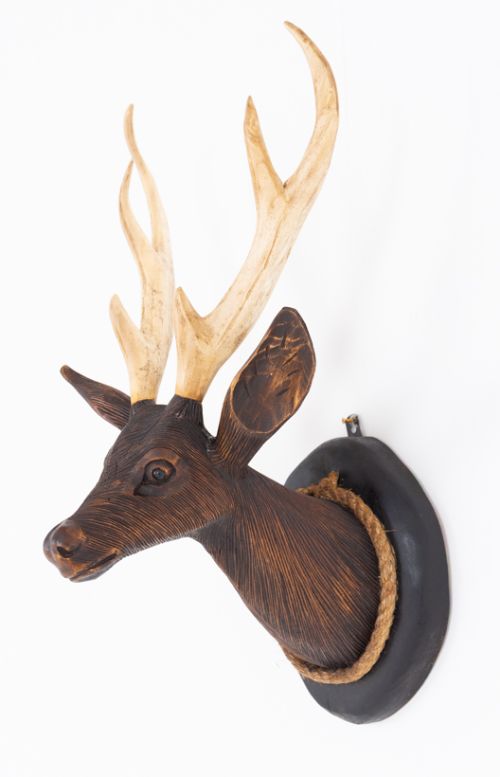
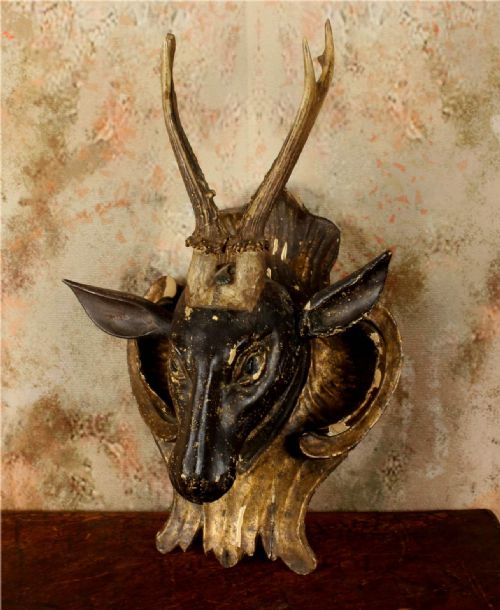
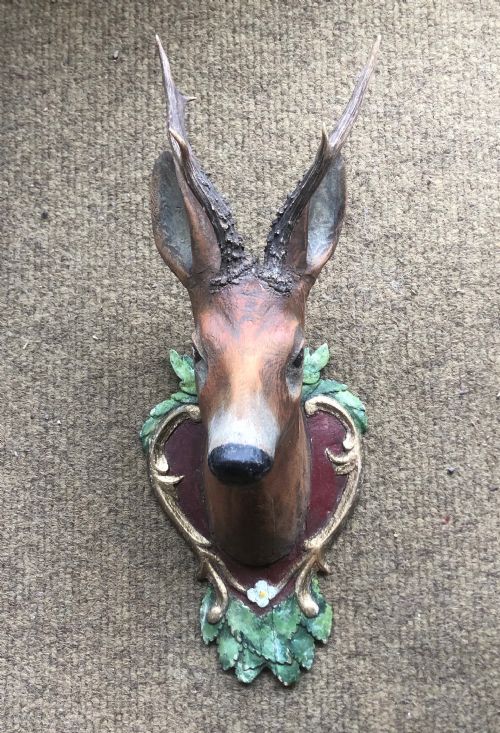
In folk art and Black Forest pieces, craftsmen carve entire representations from solid wood, often combining carved wooden elements with real antlers and painted details. Glass is frequently employed for realistic taxidermy eyes, bringing a lifelike depth to the mounted specimens.
One Swedish deer wears its painted expression with such cheerful defiance that it completely forgets it is supposed to be a stern Highland trophy.
What varies in quality
Quality rests significantly on the symmetry and point count of the antlers, with extensive point spreads commanding particular attention. The anatomical proportion of the head and the lifelike preservation of the hide distinguish superior taxidermy from simpler work.
The execution of the carved wood shield also dictates the overall standard, where deeply carved foliage or heraldic detailing elevates a piece well above a plain mounting board. The cohesion between the taxidermy specimen and its carved wooden support defines the better examples.
The Antique Taxidermy Stag Glossary
- Shield
- The carved wooden plaque or backplate upon which a stag head or set of antlers is mounted for wall display.
- Points
- The individual tines branching along the main beam of a stag's antlers, often counted to describe the grandeur of the trophy.
- Black Forest
- A nineteenth-century decorative style originating in central Europe, characterised by deeply carved naturalistic wood foliage and animal forms.
- Folk Art
- Objects created by self-taught or rural artisans using traditional local techniques, resulting in charmingly unacademic interpretations of animal subjects.
- Inkstand
- A desk accessory holding inkwells and pens, occasionally fashioned from smaller mounted antlers or carved deer elements in nineteenth-century studies.
Antique Taxidermy Stag: Frequently Asked Questions
What is a royal stag?
A royal stag refers to a red deer sporting a specific configuration of points on each antler, traditionally twelve in total. This benchmark signifies a mature and impressive animal in Highland hunting culture.
Collectors prize pieces with documented point counts, such as twelve-point or eleven-point heads, for their symmetry and visual impact.
How do I clean taxidermy fur and antlers?
Gentle dusting with a soft-bristled brush or a dry cloth prevents the accumulation of dust on both the hide and the natural bone antlers. Avoid using water or liquid chemical cleaners on historical taxidermy.
Keep mounts away from direct sunlight and strong heat sources to prevent the hide and carved wood from drying out and cracking over time.
How do I distinguish Black Forest pieces?
Black Forest carvings are typically distinguished by dark, rich wood and deeply carved natural motifs like oak leaves, ferns, and forest fauna. These pieces often blur the line between taxidermy and pure wood sculpture.
Many incorporate real antlers attached to intricately carved wooden skulls or backing shields, demonstrating exceptional nineteenth-century carpentry.