




Antique Taxidermy Specimen
An antique taxidermy specimen captures the natural world through preserved birds, mammals, and reptiles housed in glass domes and wooden cases.
Antique Taxidermy Specimen
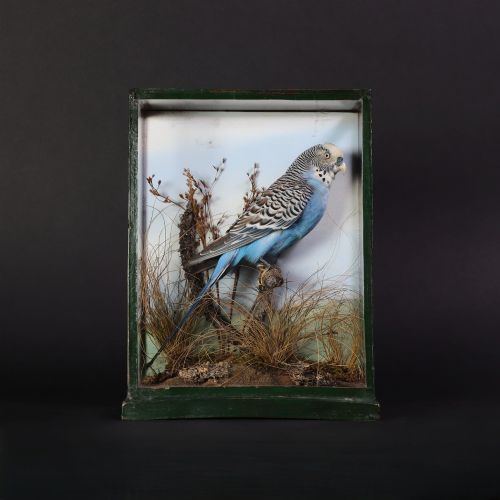
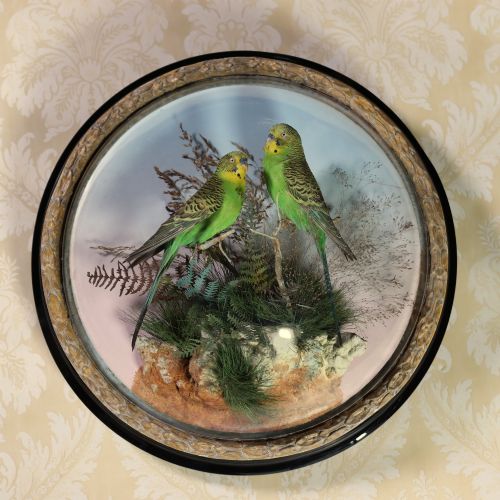
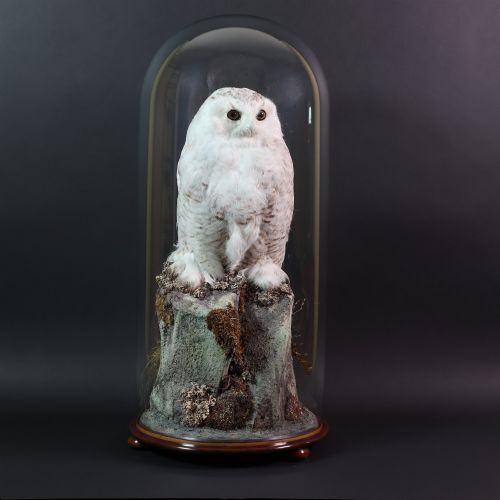
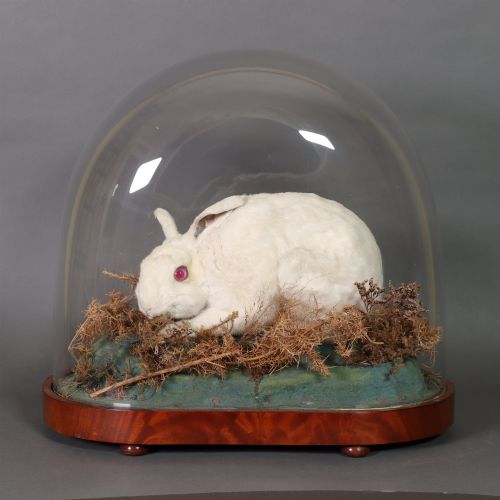
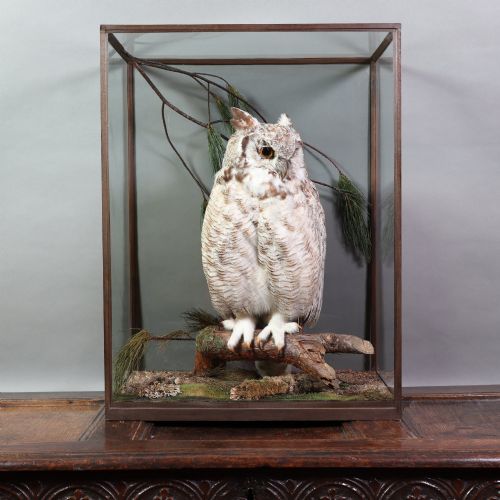
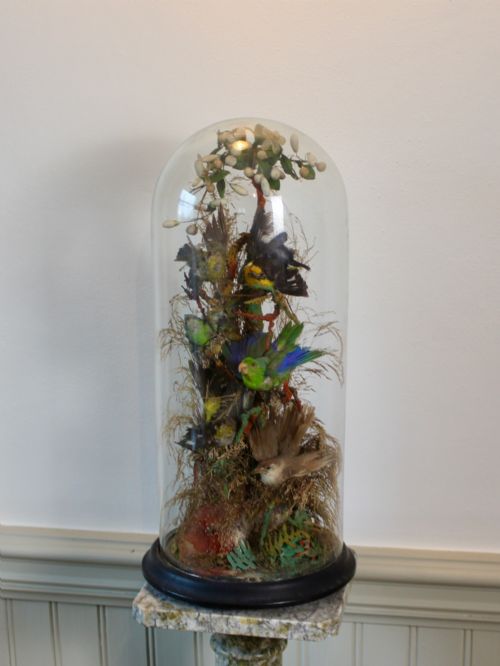
When you search for an antique taxidermy specimen, you encounter preserved animals, birds, and fish originating mainly from the Victorian and Edwardian periods. These pieces range from small single birds in glass domes to large mammalian trophy heads mounted on carved oak shields.
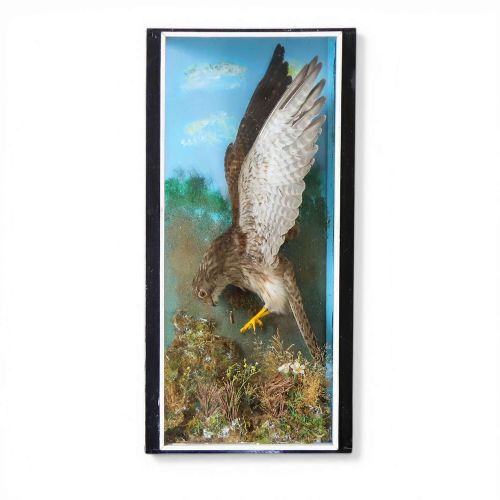
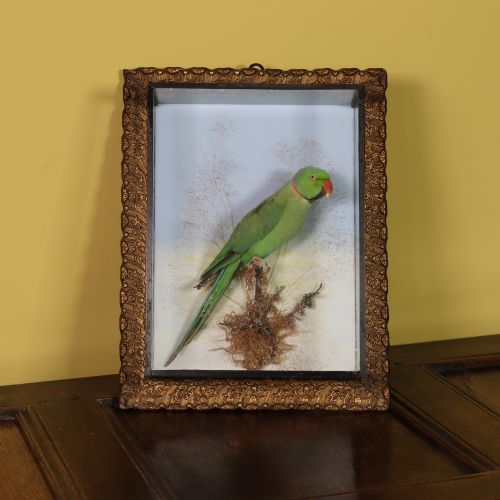
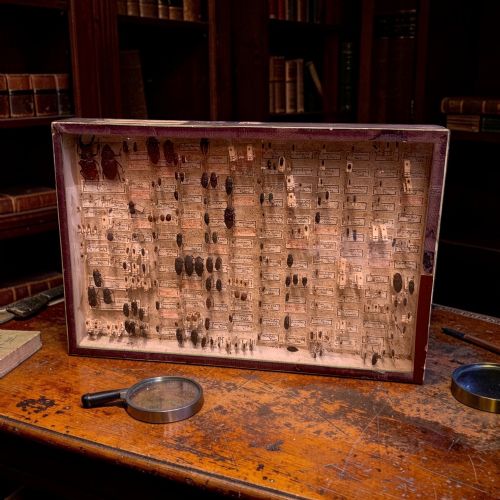
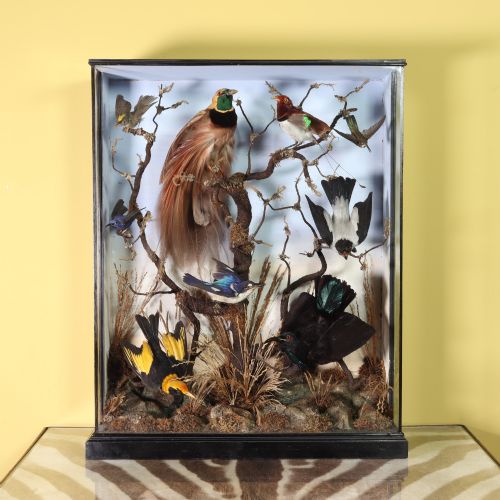
The most common versions on this page are cased avian displays and freestanding mounts created during the nineteenth and early twentieth centuries. Natural history compositions often include mixed exotic birds, owls, and waterfowl arranged within painted or glazed wooden dioramas.
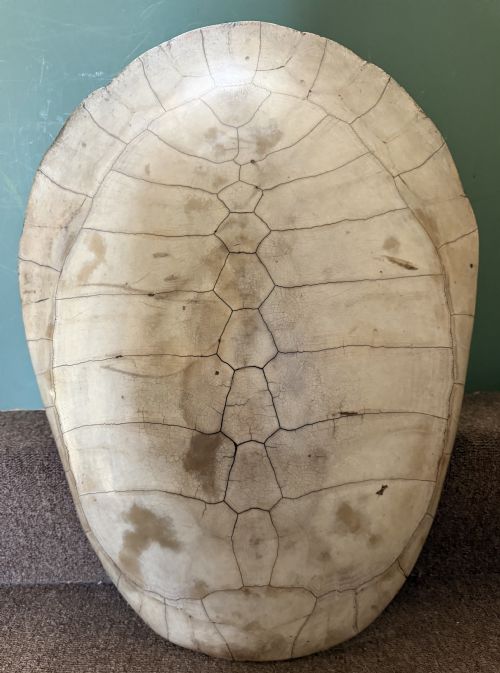
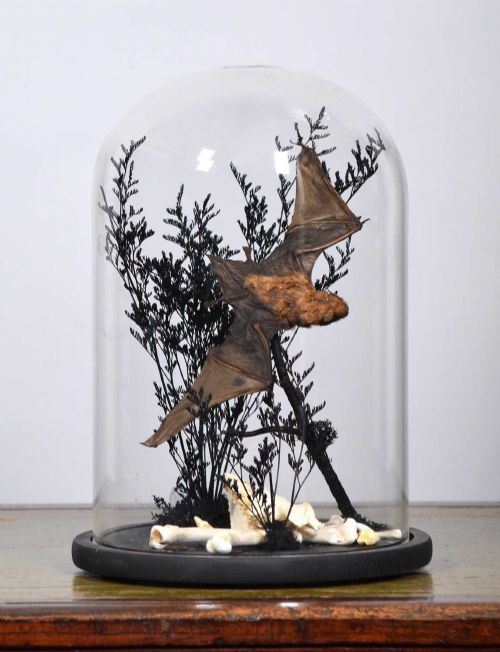
Collectors also find standalone osteological items and shell carapaces alongside traditional taxidermy mounts. These specimens reflect the Victorian fascination with natural philosophy and domestic display.
Materials and construction
Taxidermists utilised preserved biological specimens mounted over internal armatures, combining traditional skinning techniques with glass eyes and painted backdrops to create naturalistic settings. The resulting mounts were then sealed inside bespoke wooden and glass display cases or glass domes to protect the delicate feathers and fur from dust.
Enclosing woodwork frequently consists of ebonised wood, oak, or beech, often shaped into glazed viewing boxes or clock-case domes. Backgrounds inside these display cases typically feature painted landscape scenery, dried foliage, and paper linings to simulate the natural habitat of the animal.
Antique Taxidermy Specimen Retail Price Guide 2026
Typical asking prices for taxidermy specimen among the pieces listed under this phrase on Sellingantiques today, from the lower quarter to the upper quarter. They describe what is for sale here now, not the wider market.
Current listings feature Victorian and Edwardian items incorporating glass, wood, feathers, bone, and paper across various display formats.
Assessing the examples
Quality in an antique taxidermy specimen depends heavily on the skill of the taxidermist in rendering a lifelike posture and anatomical accuracy. Master practitioners of the period achieved natural facial expressions and convincing muscle structures that lesser artisans missed.
The preservation state of the plumage or fur and the original condition of the accompanying glass case or dome also dictate the overall standard. Examples bearing the signatures of renowned practitioners command stronger attention from collectors due to documented workshop provenance.
J Griffiths of Burford·James Gardner·Rowland Ward Ltd·William Bazeley & Sons·A Pollard·Edward Gerrard & Sons·J Cooper & Sons·W.F. Homer
The Antique Taxidermy Specimen Glossary
- Cloche
- A bell-shaped glass cover used to protect fragile specimens from dust and damage. These transparent glass covers sit upon a wooden base.
- Diorama
- A three-dimensional scene featuring taxidermy specimens set against a painted background inside a glazed case. These miniature habitats replicate natural environments.
- Carapace
- The upper shell of a turtle, tortoise, or crustacean. Antique examples were often cleaned and displayed as decorative wall or cabinet pieces.
- Ebonised
- Wood treated with a dark stain or finish to imitate ebony. This dark timber framing is frequently seen on Victorian display cases.
Antique Taxidermy Specimen: Frequently Asked Questions
What periods do these specimens date from?
The pieces originate primarily from the Victorian and Edwardian eras, spanning the nineteenth and early twentieth centuries. Makers created these natural history displays across decades of changing domestic tastes.
Most surviving examples date between eighteen-seventy and nineteen-thirty, reflecting the peak of British taxidermy craftsmanship.
How were these displays housed originally?
Taxidermy specimens were frequently mounted inside glazed wooden cases, picture frame boxes, or beneath glass domes known as cloches. These enclosures protected delicate feathers and fur from household dust and insect damage.
Larger mammalian specimens such as deer and antelope were traditionally mounted on carved wooden wall shields.
How do I care for an antique specimen?
Keep preserved specimens away from direct sunlight and damp environments to prevent fading of plumage and deterioration of organic materials. Maintain stable room temperatures to protect the historical taxidermy mounts.
Leave glass domes and sealed display cases intact to preserve the interior microclimate and protect the specimens from physical harm.
Are makers' signatures common on pieces?
Signed pieces bearing paper trade labels or stamped wooden inscriptions from prominent firms are documented among Victorian works. These attribution marks help identify the specific taxidermist or London workshop responsible for the mount.
Many high-quality items remain unsigned, having been produced by regional practitioners or unsigned studio assistants of the period.