


Antique Taxidermy Mounting
Antique taxidermy mounting preserves natural specimens and trophies through taxidermy mounts, display cases, domes, and wall mounts originating from the Victorian period through the interwar years.
Antique Taxidermy Mounting
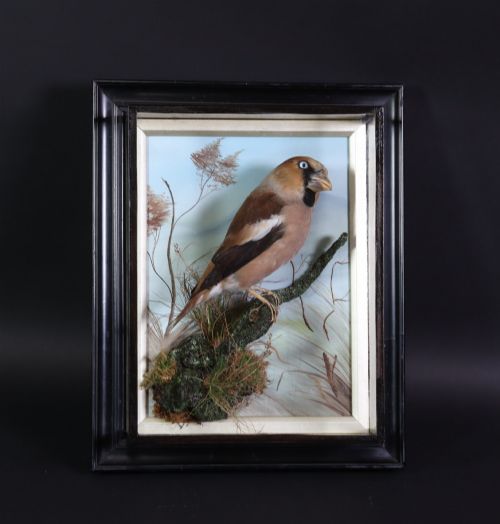
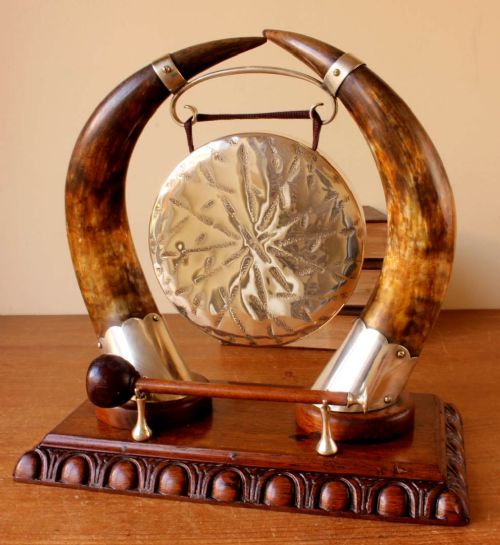
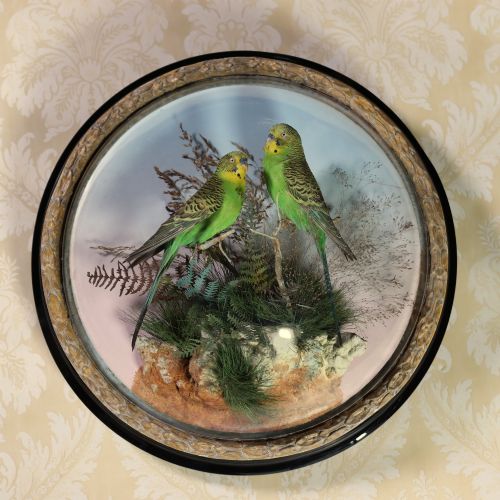
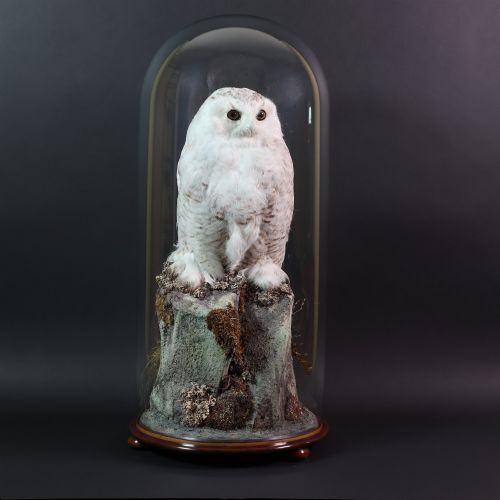
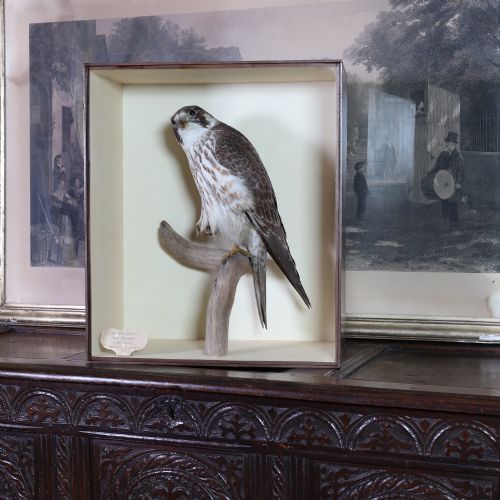
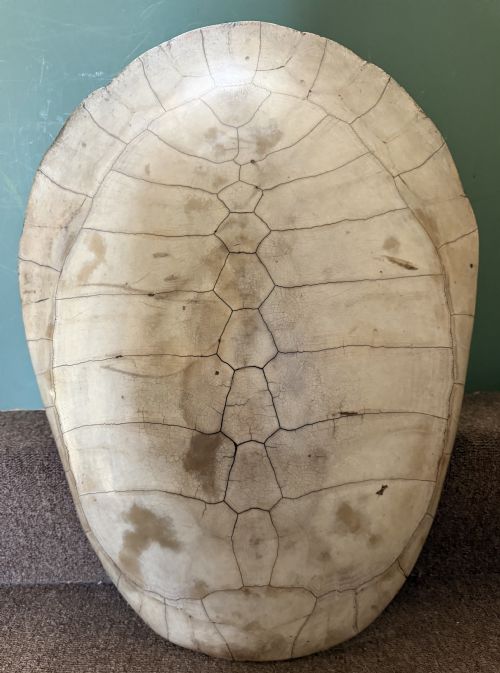
When you search for antique taxidermy mounting, you encounter preserved animal specimens, skeletal remains, and natural history specimens transformed into decorative objects and furnishings. These pieces range from wall-mounted game trophies and horned furniture to intricate dioramas housed in glass display cases and domes.
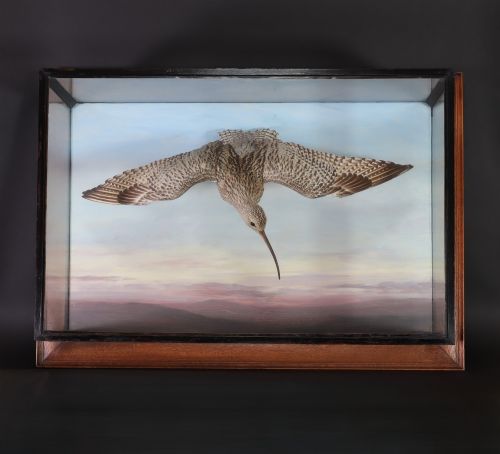
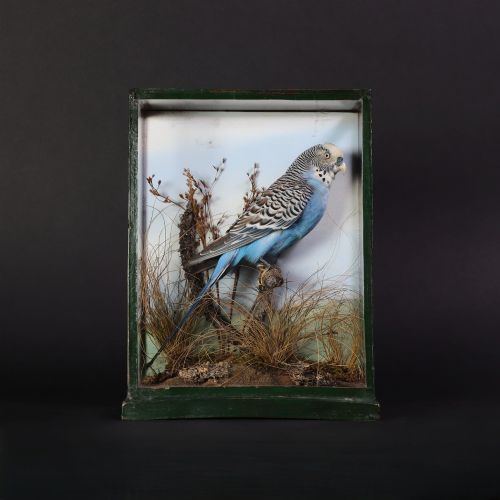
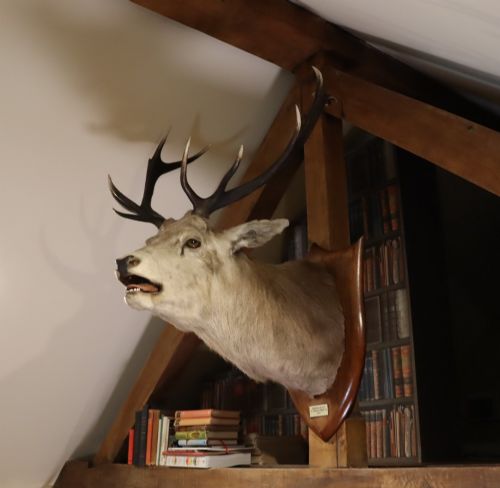
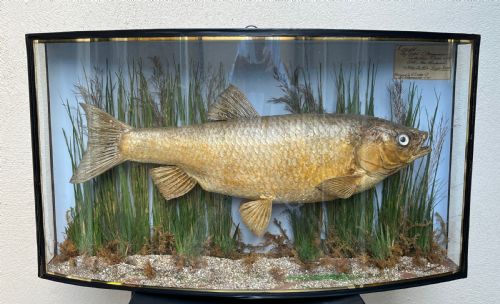
The selections available span the Victorian era, Edwardian period, and interwar years, reflecting the intense nineteenth and early twentieth-century interest in natural history. Common forms include bird compositions, small mammals, fish preserved in curved glass cases, and large mammalian head mounts fixed to wooden shields.
Makers and taxidermists of this era utilised preserved skins, feathers, bone, horn, and antler, attaching them to structural supports of wood and metal. Displays frequently incorporate painted backdrops and natural foliage to recreate native habitats within protective enclosures.
Materials and Techniques
Taxidermists constructed mounts by shaping skins over carved bodies or wire armatures, preserving feathers, hide, and fur using traditional chemical preservation methods. Horn, antler, and bone were cleaned and polished, frequently mounted directly onto carved oak shields or integrated into functional desk accessories and tables.
Glass, wood, and paper formed the protective enclosures for delicate specimens, creating airtight display cases and domes that shielded fragile plumage and painted dioramas from dust and moisture. Wooden frames, often glazed with curved or flat panes, housed intricate arrangements of birds and aquatic life.
Antique Taxidermy Mounting Retail Price Guide 2026
Typical asking prices for taxidermy mounting among the pieces listed under this phrase on Sellingantiques today, from the lower quarter to the upper quarter. They describe what is for sale here now, not the wider market.
Victorian taxidermists occasionally dressed small rodents in human clothing to mimic tea parties, though most mounted pieces remained strictly scientific or decorative.
Assessing Quality and Execution
The standard of a piece depends heavily on the anatomical accuracy and lifelike posture achieved by the taxidermist during skin mounting. Master practitioners captured skeletal proportions and muscle tension with precision, whereas lesser examples display stiffness or anatomical distortion.
Provenance and signature craftsmanship elevate certain pieces, particularly those bearing the trade labels of celebrated establishments such as Rowland Ward Ltd, Peter Spicer & Sons, or James Gardner. The condition of original glass cases, painted backgrounds, and untreated wooden mounts also dictates the overall integrity of the surviving object.
Rowland Ward Ltd·Little & Co·J Griffiths of Burford·James Gardner of London·T. E. Gunn·William Bazeley & Sons·Peter Spicer & Sons·A Pollard·Hutchings of Aberystwyth
The Antique Taxidermy Mounting Glossary
- Taxidermy display case
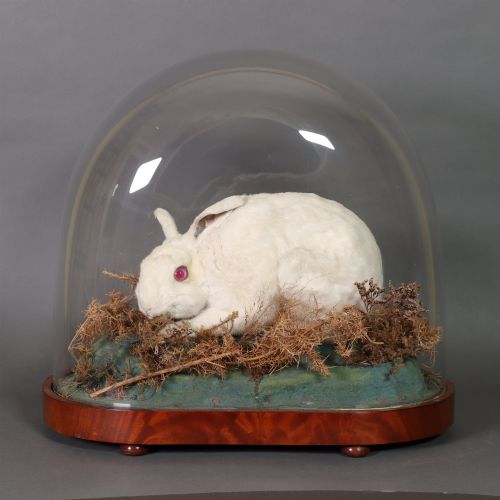
- A wooden and glass enclosure built to protect and exhibit preserved birds, fish, or small mammals in a simulated habitat. These containers often feature painted backdrops and natural foliage.
- Desk accessories
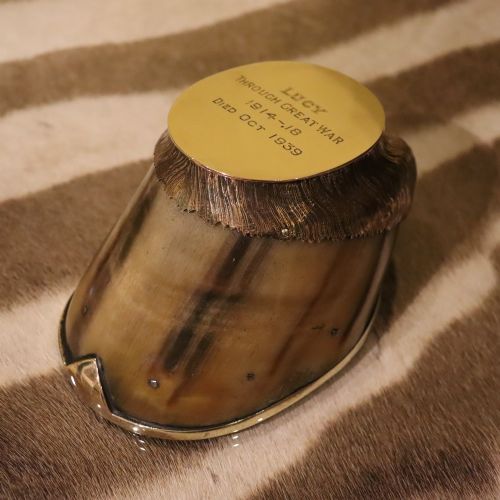
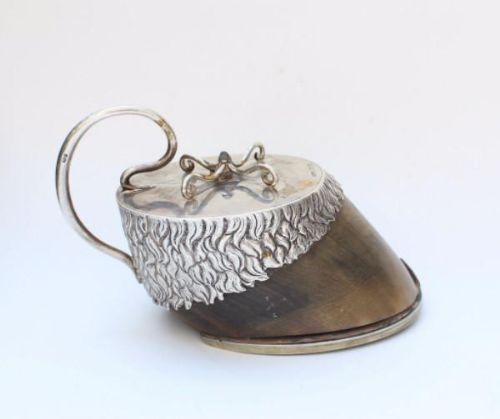
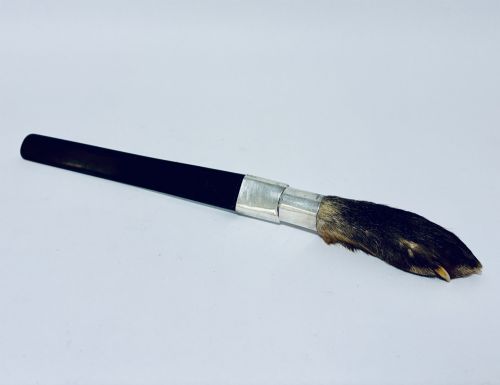
- Functional items incorporating animal parts such as silver-mounted hooves, horns, or paws adapted into paperweights, page turners, and desk tidies. These objects combine utility with natural history display.
- Black Forest style
- A carving tradition originating in the European mountain regions, characterised by naturalistic wooden furniture and decorations featuring stags, bears, and foliage. Pieces often incorporate real antlers or carved wooden animal heads.
- Diorama
- A three-dimensional scene depicting mounted specimens within a miniature painted environment. These setups aim to replicate the natural habitat of the preserved birds or animals.
- Shield
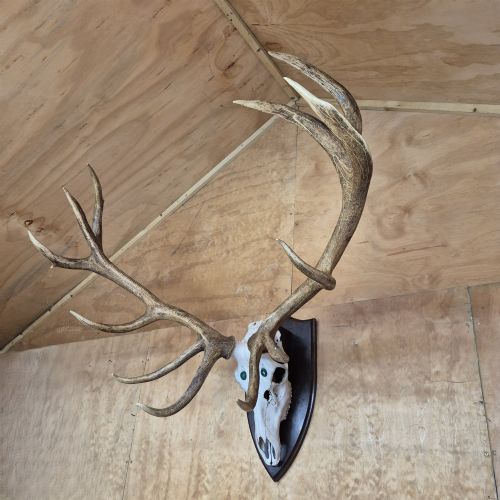
- A wooden wall plaque shaped like a heraldic shield, used as a backing board for mounting mammalian head trophies and horns. They typically feature hanging hardware on the rear.
Antique Taxidermy Mounting: Frequently Asked Questions
How should I clean antique taxidermy mounting?
Dust glass enclosures gently with a dry microfiber cloth without applying liquid cleaners directly to the surface.
For exposed feathers, fur, or horn, use a very soft brush to remove debris, avoiding moisture entirely to prevent deterioration.
Were these pieces hunted for sport?
Many large mammal trophies and bird specimens originated from nineteenth and early twentieth-century expeditions, scientific collections, and sporting pursuits.
Taxidermists also preserved domestic working animals, pets, and farm livestock as sentimental memorials for owners.
How do I date a taxidermy mount?
Examine the construction methods of the backing boards, the type of glass used in cases, and any paper trade labels pasted inside.
Stylistic cues in the woodwork and handwritten inscriptions on the reverse or interior often provide specific decades.
Can I hang wall mounts on drywall?
Heavy mammalian head mounts and large antler sets require secure anchoring into wooden wall studs using heavy-duty fixings.
Lighter shields and small bird cases can use appropriate picture wire and wall anchors matched to the weight of the object.