


Antique Tartan Armchair
An antique tartan armchair brings warmth and distinct British character into a room, offering both robust seating and striking historic design.
Antique Tartan Armchair
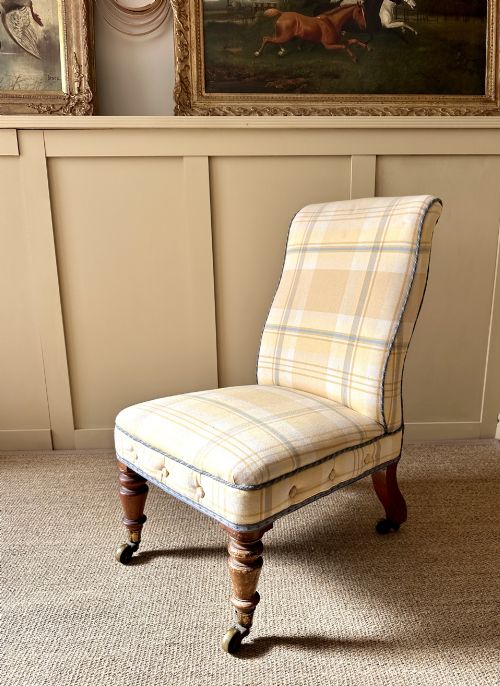
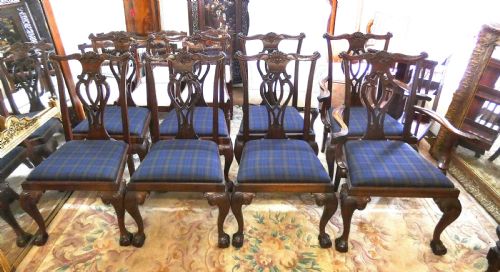
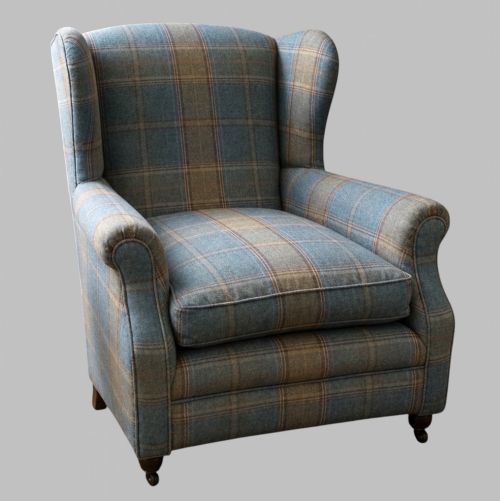
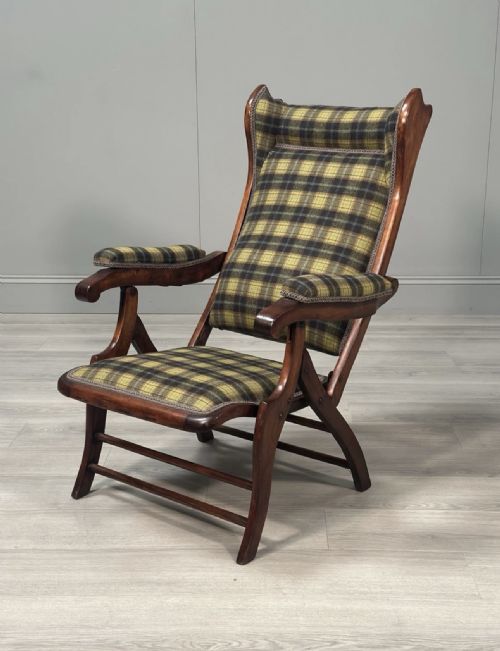
An antique tartan armchair encompasses a variety of timber frames upholstered in wool fabric, spanning from Georgian and Victorian periods through to the early twentieth century. Buyers seeking an antique tartan armchair encounter forms ranging from heavy mahogany carvers and reclining wing armchairs to gilded throne armchairs and folding campaign seats.
The pieces listed on this page demonstrate the broad spectrum of historic seating styles available, including Hepplewhite revival, Arts and Crafts, and French Baroque revival designs. While standard dining chairs also appear among the records, the defining seating pieces utilise sturdy woods such as oak, mahogany, and pitch pine paired with textile coverings.
How they were made
Cabinetmakers constructed the supportive frames of these armchairs using dense native and imported timbers such as mahogany and oak, often shaping the wood with hand tools into cabriole legs, carved armrests, or folding mechanisms. Brass hardware frequently reinforces campaign and reclining models, adding both structural utility and functional detail.
Upholstery techniques combined traditional stuffing methods with woven wool fabrics to create durable seating surfaces suited for daily use. Giltwood frames involved meticulous carving and gold leaf application, particularly visible on nineteenth-century throne armchairs inspired by French Baroque styles.
Historical periods represented on this page range from Georgian and Victorian eras through Edwardian designs to the early twentieth century.
What varies in quality
The caliber of an antique armchair rests upon the precision of the timber carving and the architectural integrity of the frame. Pieces featuring sophisticated joinery and well-preserved structural woodwork stand apart from simpler utility seating.
Material selection and decorative detailing dictate the upper tier of the range. Hand-carved giltwood, robust mahogany frames, and thoughtful integration of brass fittings indicate superior workshop production.
The Antique Tartan Armchair Glossary
- Bergère armchair
- An enclosed upholstered armchair featuring wooden framing around the back and sides, often incorporating cane panels.
- Carver armchair
- A sturdy wooden chair with armrests, traditionally placed at the head of a dining table or used as a desk seat.
- Campaign armchair
- A portable, folding piece of military furniture designed for easy transport, typically fitted with brass hinges.
- Giltwood
- Timber decorated with a thin layer of gold leaf, frequently utilised on decorative revival throne armchairs.
Antique Tartan Armchair: Frequently Asked Questions
How do I identify a Victorian armchair?
Victorian armchairs often display heavier proportions and eclectic stylistic revivals, ranging from Gothic pitch pine throne chairs to ornate French baroque interpretations.
Examining the underlying timber and construction methods helps distinguish genuine nineteenth-century examples from later reproductions.
What woods were used for antique armchairs?
Cabinetmakers primarily utilised mahogany and oak for structural frames, supplemented by pitch pine in specific regional pieces and giltwood for decorative throne chairs.
These durable materials provided the necessary strength for complex carved designs and daily seating loads.
Where were reclining armchairs placed?
Reclining armchairs served as comfortable seating in libraries, studies, and withdrawing rooms where relaxation took priority over formal posture.
Their adjustable mechanisms offered practical comfort long before modern mechanical furniture was invented.
How do I care for antique wool upholstery?
Wool fabric requires gentle vacuuming with a soft attachment to remove surface dust without disturbing the textile weave.
Keeping the chair away from direct sunlight prevents the natural wool fibres and wooden frames from fading over time.