
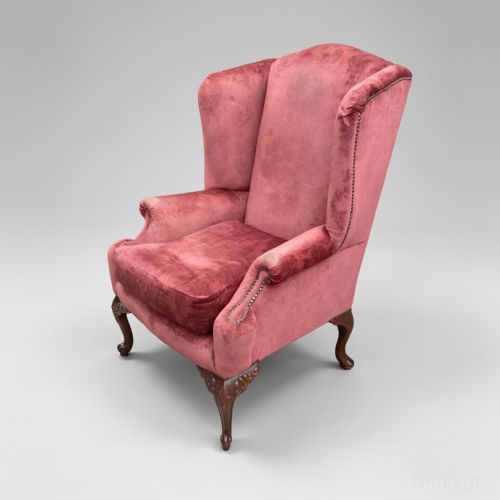


George III Wingback Chair
A george iii wingback chair is a draught-excluding fireside seat built for comfort, and you are buying solid period craftsmanship designed to anchor a room.
George III Wingback Chair
A george iii wingback chair is a domestic fireside armchair built to deflect drafts, featuring high sides that enclose the head and shoulders. The form spans genuine late eighteenth century examples and later twentieth century revivals following George III style.
You will encounter pieces from the Georgian period alongside reproductions dated around nineteen thirty and eighteen seventy. These armchairs appear in proportions ranging from large frames to barrel back formats designed for domestic sitting rooms.
Construction and materials
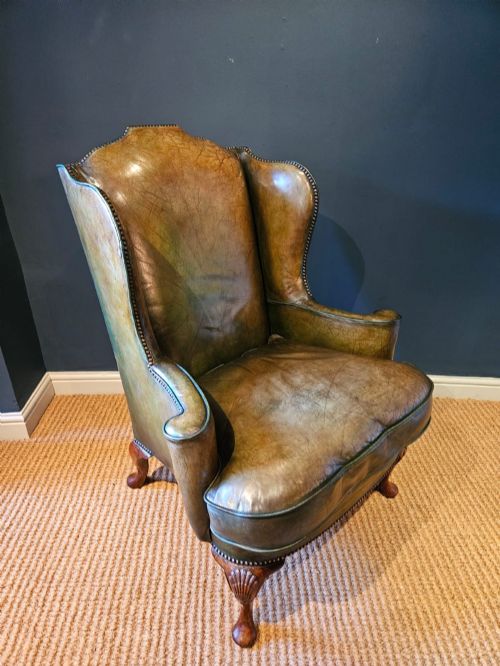
The structural framework relies upon timber such as mahogany and walnut, shaping the legs and internal support. Cabriole legs feature on walnut examples, providing curved structural lines beneath the seat.
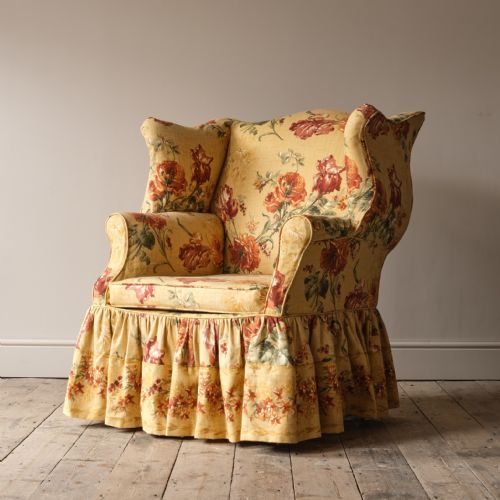
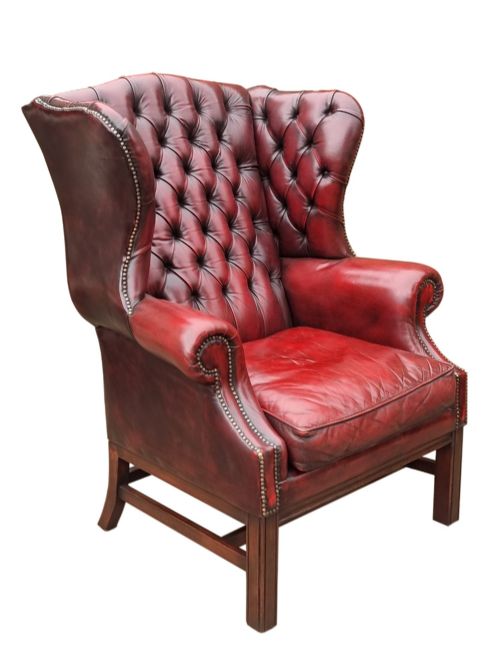
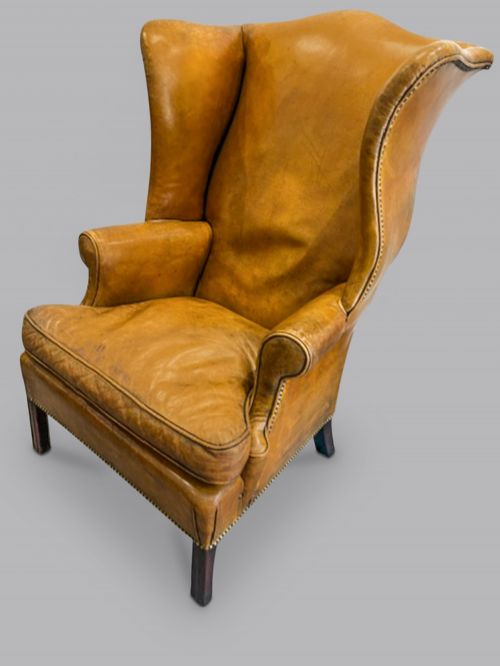
Upholstery materials include leather, velvet, cotton chintz, and red damask, fixed with brass detailing where appropriate. Frame construction combines timber joinery with traditional stuffing and covering methods.
Listings feature mahogany, walnut, leather, velvet, cotton chintz, and brass across Georgian, eighteenth century, and nineteenth century periods.
Assessing quality and finish
Quality rests upon the integrity of the timber frame and the proportion of the wings in relation to the seat base. Walnut and mahogany frames display differing grain patterns and carving execution on the legs.
The choice of covering material alters the character of the piece, ranging from plain leather to patterned damask and chintz. Period authenticity separates genuine eighteenth century pieces from later style revivals.
The George III Wingback Chair Glossary
- Wingback
- An armchair featuring protective side panels attached to the arms to deflect drafts from firesides. This form developed for domestic comfort.
- Cabriole leg
- A furniture leg that curves outward and tapers inward, frequently terminating in a pad or claw foot. This form appears on walnut furniture.
- Barrel back
- A seating variation where the back and arms form a continuous semicircular enclosure. This shape offers heightened insulation against cold rooms.
- Damask
- A reversible figured fabric used for upholstery in rich colours. Red damask appears on eighteenth century examples.
- Chintz
- A printed and glazed cotton fabric used for covering soft furnishings. Cotton chintz provides a lighter decorative finish.
George III Wingback Chair: Frequently Asked Questions
What defines a george iii wingback chair?
A george iii wingback chair is defined by its high protective sides and deep upholstered seating designed for eighteenth century firesides. The proportions balance practical draught exclusion with formal room placement.
Examples incorporate timber frames of mahogany or walnut, standing on cabriole or straight legs. The style persists through both period originals and later revivals.
How do I spot a later reproduction?
Later reproductions dating to nineteen thirty or eighteen seventy emulate the George III style using period timber and upholstery methods. Examining the timber age and joinery reveals whether a piece is an eighteenth century original or a later interpretation.
Listings distinguish between Georgian period items and twentieth century style pieces. Comparing the frame construction clarifies the manufacturing era.
What timber was used for frames?
Frame construction relies primarily on mahogany and walnut for the visible legs and structural supports. These dense hardwoods provide the necessary strength for large upholstered armchairs.
Timber choice often correlates with specific periods, with walnut appearing on earlier cabriole leg variations. Mahogany forms the basis for many standard eighteenth century pieces.
How were these chairs originally used?
These armchairs were positioned near fireplaces to protect occupants from cold drafts through the wings flanking the head. The enclosed design trapped heat around the person seated.
They served as primary seating in domestic rooms, upholstered in leather, damask, or chintz for comfort. The high back also provided acoustic privacy in busy households.