
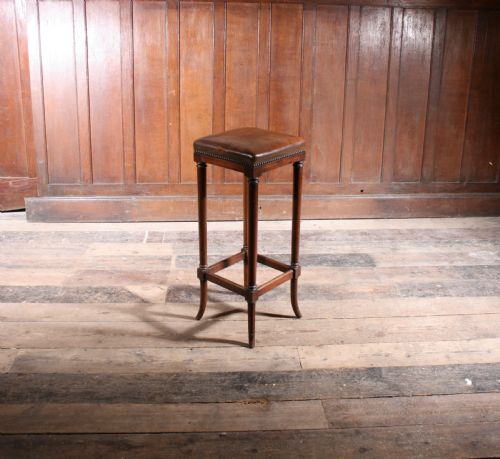


Antique Tall Seat
An antique tall seat offers practical elevation, bringing utilitarian seating from pubs, offices and country houses into modern rooms.
Antique Tall Seat
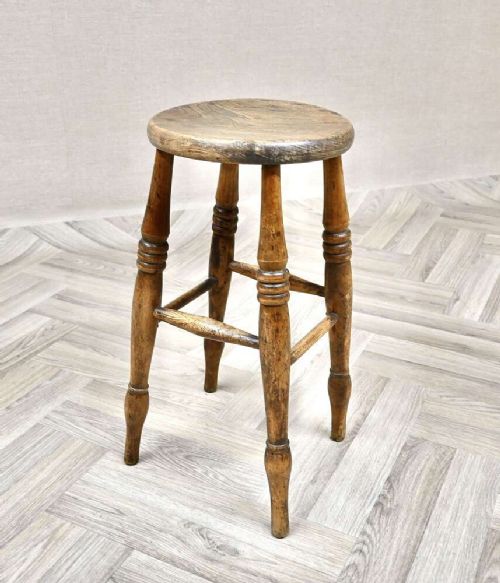
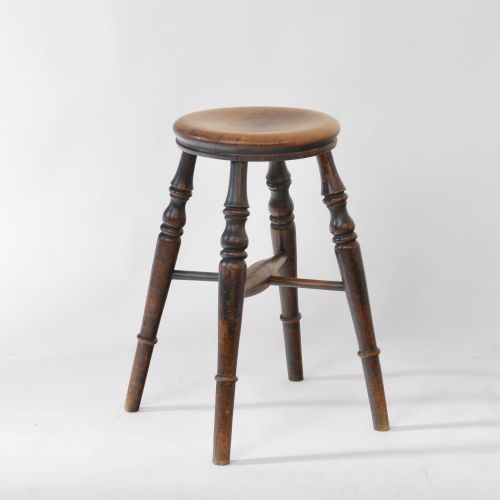
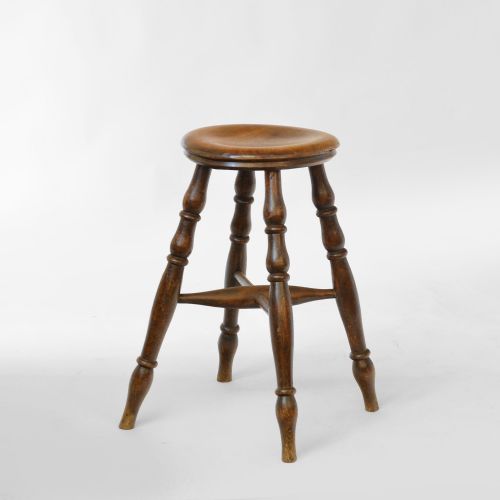
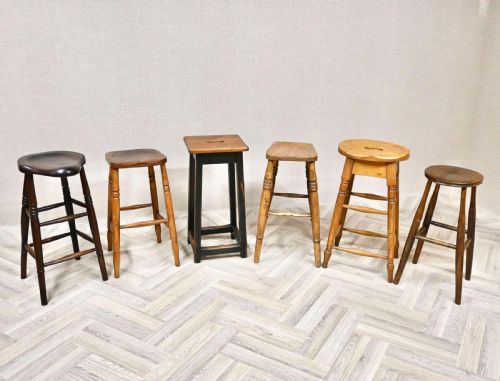
An antique tall seat encompasses elevated furniture designed for specific utilitarian tasks, ranging from clerk stools and pub bar seats to highchairs and tall farmhouse armchairs. These pieces emerge predominantly from the nineteenth century, alongside examples from the Regency period and the early twentieth century.
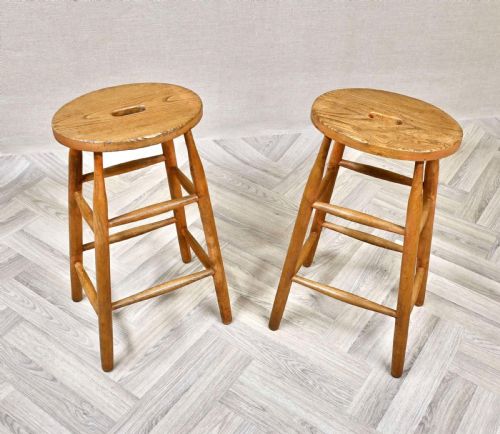
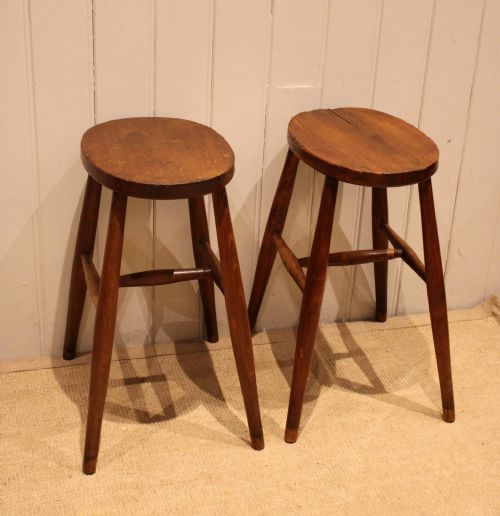
Stools dominate the selection, particularly turned beech clerk stools, sycamore tavern seats, and elm bar stools featuring substantial footrests. Alongside these utilitarian forms appear high-backed nursing chairs, hall armchairs, settles, and occasional children's high chairs.
Origins span English country workshops and provincial taverns, creating a distinct vernacular aesthetic focused purely on utility. Buyers find these seats well-suited for modern kitchen islands, elevated desks, or as sculptural accent pieces in hallway spaces.
Materials and construction methods
Makers utilised homegrown timbers available locally, relying heavily on elm, sycamore, beech, and oak for structural integrity. Hardwood turnings formed sturdy legs and spindles, while softer pine or birch sometimes supported secondary components.
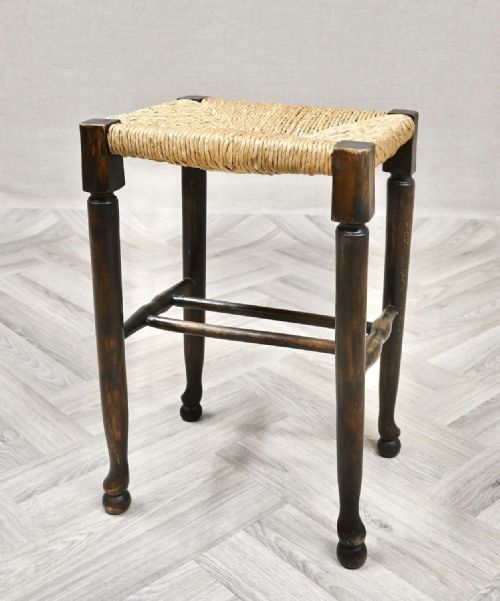
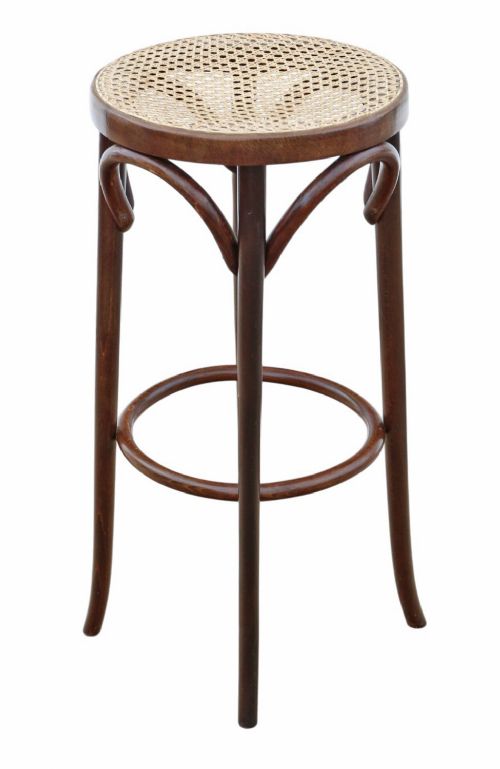
Construction techniques combined traditional Windsor framing, steam bending for curved elements like bentwood rails, and sturdy joinery designed to withstand heavy daily use in commercial settings. Seats were frequently shaped from solid timber blanks or woven with rush and cane.
Several clerk stools feature extra foot-wear rings polished completely smooth by generations of fidgeting feet.
Indicators of quality
Quality rests on the integrity of the timber selection and the durability of the structural joinery, particularly where legs meet the underside of the seat. Heavy wild elm or sycamore boards show superior grain and resilience compared to plain utility replacements.
The sophistication of the turning work on legs and stretchers defines the distinction between standard workshop output and finer cabinet-making. Original surface patination, developed through decades of tavern or office use, elevates the standing of any piece.
The Antique Tall Seat Glossary
- Clerk's stool
- A tall wooden seat designed for use at a high standing desk in an office or counting house. These typically feature turned legs joined by stretchers acting as footrests.
- Sycamore
- A dense pale hardwood favoured by turners and rural chairmakers for making solid saddle seats and robust tavern furniture. It takes wear gracefully without splintering easily.
- Windsor
- A chair construction method where legs and back spindles are wedged directly into a solid sculpted wooden seat rather than joined through a separate frame. This creates exceptional structural rigidity.
- Settle
- A high-backed wooden bench with solid arms and a closed base, designed to block draughts in farmhouse kitchens and public houses. Early examples often incorporate panelled backs and storage compartments beneath the seat.
- Stretchers
- Horizontal wooden rods connecting the legs of a chair or stool to reinforce the frame and provide a resting place for the feet.
Antique Tall Seat: Frequently Asked Questions
Where were tall seats originally used?
These elevated seats served specific utilitarian functions in commercial and domestic settings across the nineteenth and early twentieth centuries. Clerks used them at high ledger desks, while patrons sat on them in taverns and public houses.
Farmhouses and country houses also utilised specialised tall seating, including highchairs for children and nursing chairs designed with elevated upholstered backs for comfort by the hearth.
How do I choose the right height?
Matching a tall seat to its intended surface requires measuring both the floor-to-surface height and the position of any integrated footrests. Clerk stools and bar stools suit modern kitchen breakfast bars and high work tables.
Chairs with backs, such as hall armchairs or nursing seats, require more floor clearance and visual space, functioning best as standalone accent pieces rather than tucked beneath standard counters.
How should I care for antique wood?
Maintaining nineteenth-century timber involves keeping pieces away from direct heat sources and sudden temperature fluctuations that cause wood to split. Regular dusting with a dry, soft cloth preserves the dry surface finish.
Applying occasional natural wax feeds the dry grain of woods like elm, sycamore, and oak without building up artificial gloss or sealing the historical patinated surface.
Are these seats comfortable for daily use?
Utilitarian seats prioritized durability and posture for working tasks over deep squab cushioning. Solid carved wooden seats offer sturdy support, though lack the softness of modern upholstered furniture.
Adding a removable wool or leather pad provides extra comfort for extended seating without altering the historic wooden structure or detracting from the piece's authentic appearance.