
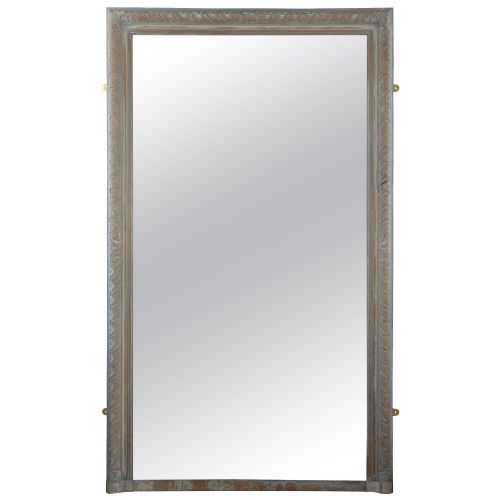


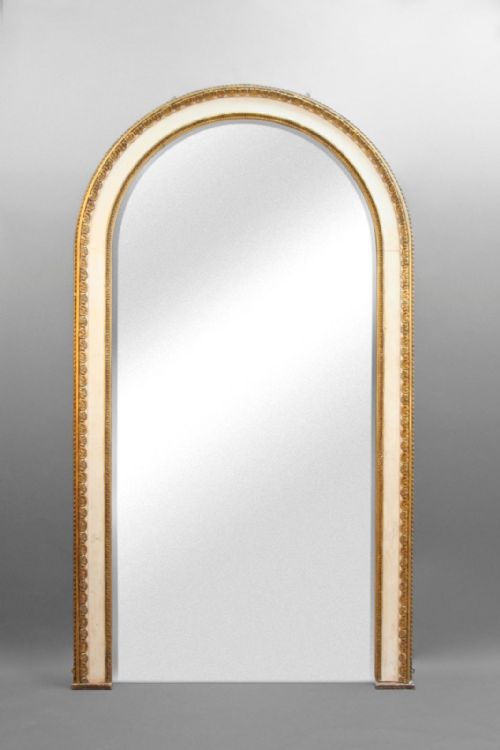
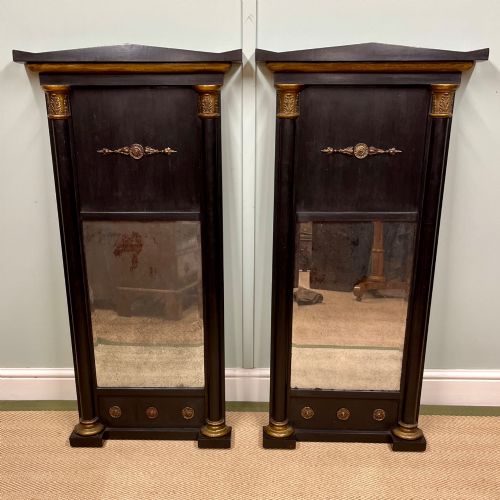

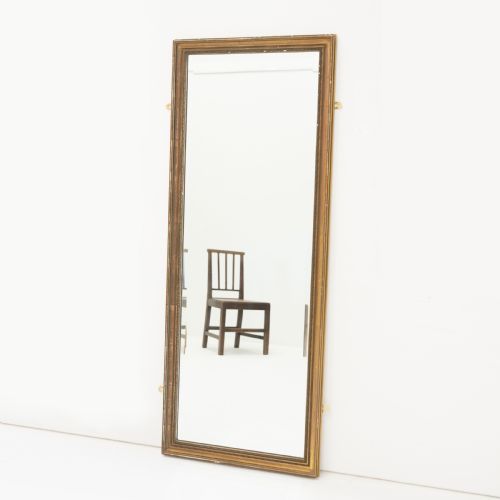

Antique Tall Hallway Mirror
An antique tall hallway mirror brings vertical presence and light to an entrance, spanning periods from the nineteenth century to the early twentieth.
Antique Tall Hallway Mirror
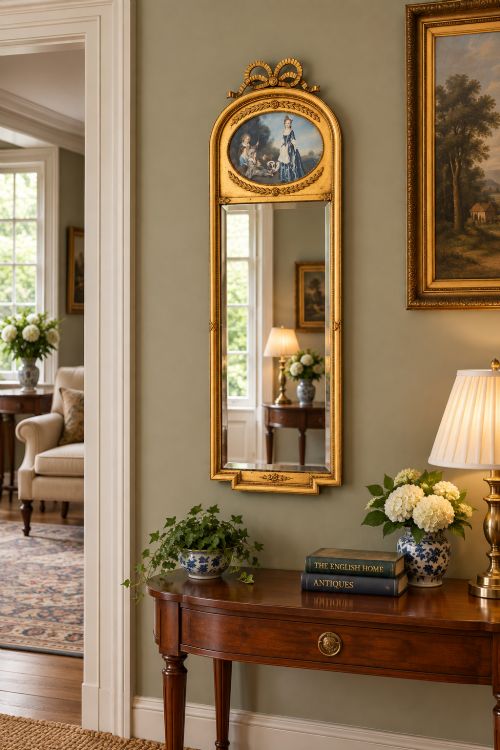
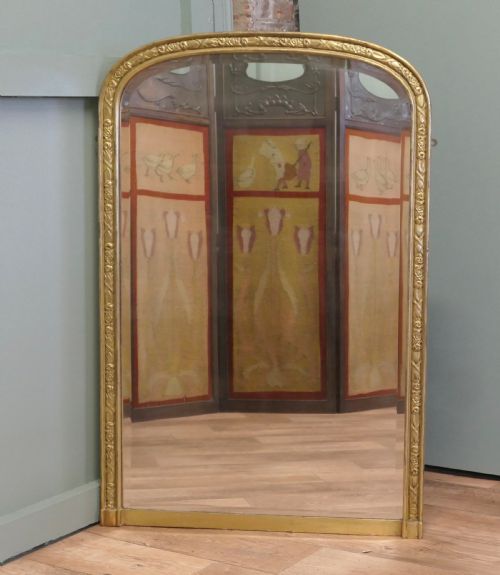
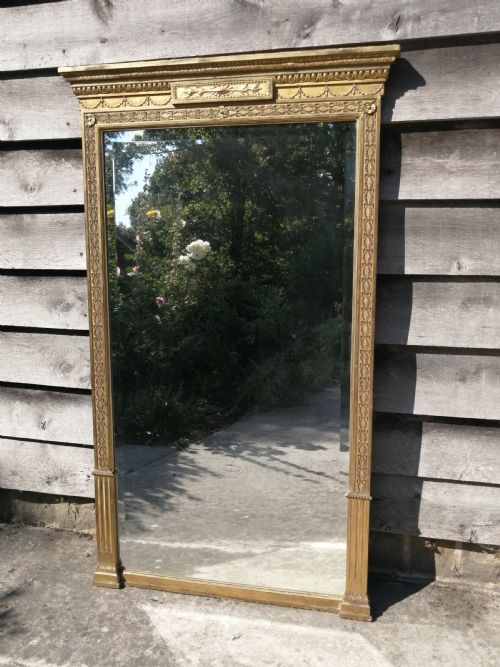
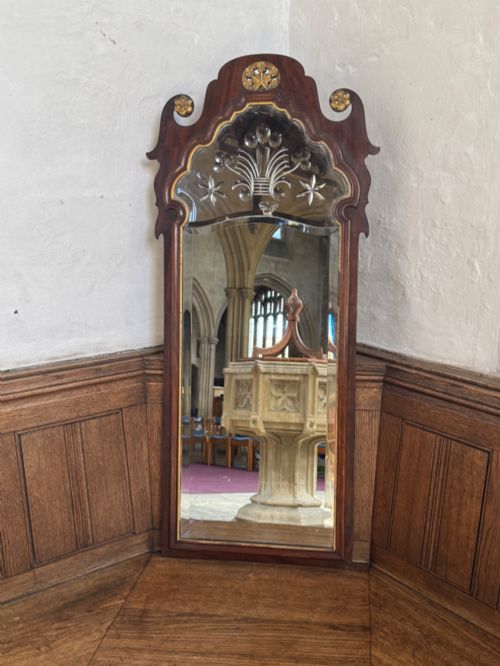
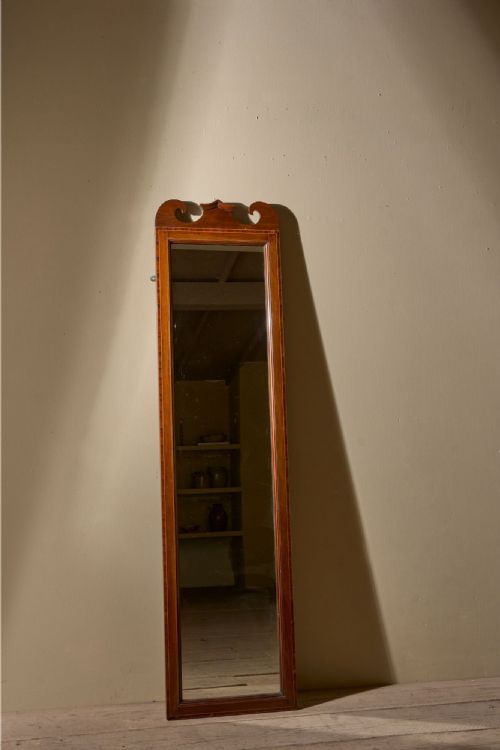
When searching for an antique tall hallway mirror, you encounter tall wall mirrors, pier mirrors, and console tables designed to occupy narrow spaces. These vertical glasses reflect light down corridors and entryways while adding architectural weight to domestic interiors.
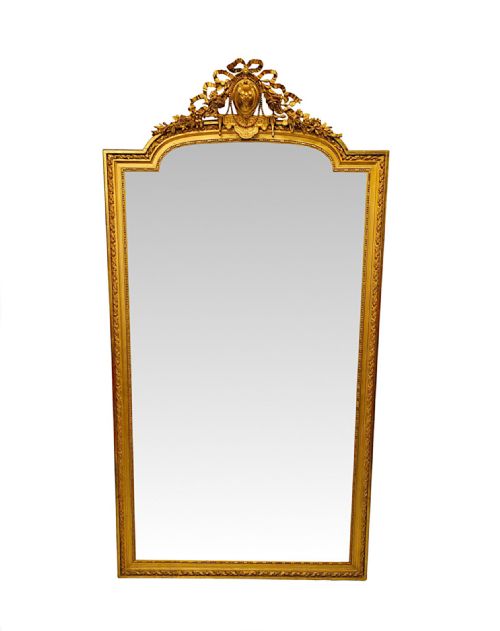
The pieces on this page span the nineteenth century, the Victorian era, the Edwardian period, and up to nineteen-twenty. They emerge in various revivals, including Queen Anne, Regency, Louis XVI, and French Chateau styles.
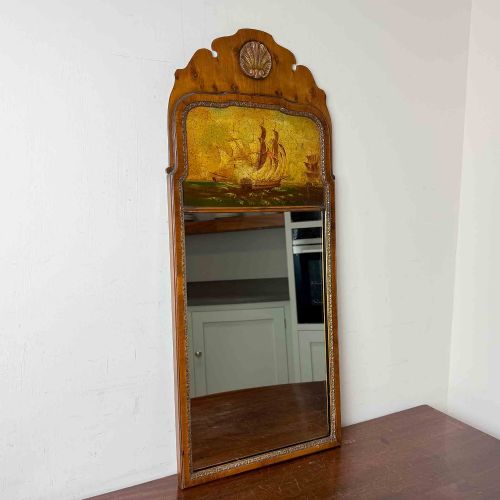
Wooden frames dominate the selection, built from mahogany, walnut, yew, birch, rosewood, and giltwood. Many incorporate original glass plates, bevelled edges, painted wood, or gesso ornament.
How they were made
Carpenters constructed the structural frames of these mirrors using hardwoods such as mahogany, walnut, and rosewood, often applying veneers of burr walnut or yew. Giltwood and gesso frames required intricate carving and plasterwork before artisans applied gold leaf.
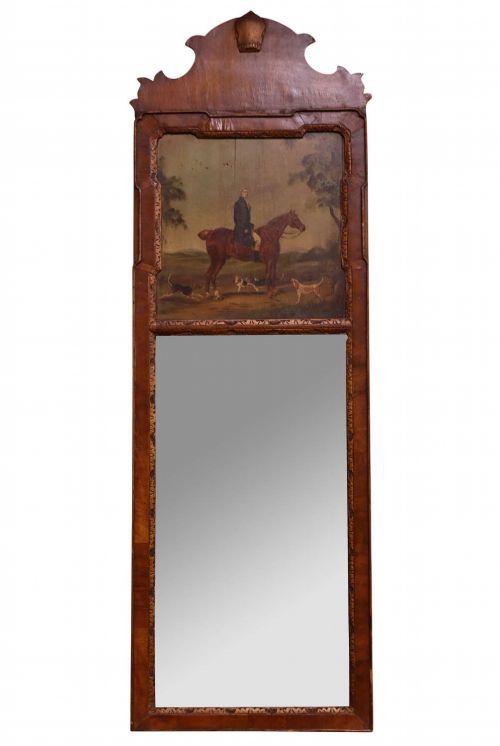
Glass production involved silvering techniques to create reflective plates, sometimes featuring bevelled edges or reverse cut details. Makers integrated oil paintings, maritime scenes, or equestrian artwork into the upper panels of pier glasses.
Listings feature materials including giltwood, gesso, mahogany, walnut, rosewood, birch, yew, marble, and painted wood across nineteenth-century and early twentieth-century designs.
What varies in quality
The distinction between standard and superior examples lies in the depth and crispness of the wood carving and the quality of the original glass plate. Fine pieces retain their early gilding, gesso enrichments, and integrated decorative oil panels without heavy restoration.
Subtleties in timber selection, such as figured mahogany or burr walnut, elevate the visual impact of a frame. Construction integrity, seen in joint precision and the retention of original mirror plates, separates ordinary joinery from masterwork production.
John Belchier
The Antique Tall Hallway Mirror Glossary
- Pier mirror
- A tall mirror designed to hang on the wall between windows or above a console table. These vertical glasses maximise light in narrow reception spaces.
- Giltwood
- Timber that has been coated with a thin layer of gold leaf over a gesso base. This technique creates a luminous, reflective surface popular in formal nineteenth-century interiors.
- Gesso
- A plaster-like mixture applied to wooden frames as a base for carving and gilding. It allows artisans to model intricate relief ornamentation.
- Console table
- A table supported by wall brackets or legs, frequently paired with a tall pier mirror. These combinations often feature marble tops and matching timber frames.
- Overmantle mirror
- A wide or tall mirror designed to sit above a fireplace mantel. They share stylistic traits with hallway pier mirrors of the Victorian and Edwardian eras.
Antique Tall Hallway Mirror: Frequently Asked Questions
Where should a tall hallway mirror go?
These vertical mirrors suit narrow corridors, entrance halls, and reception spaces where they amplify natural light and provide a full-length reflection. They often sit directly above console tables or low architectural ledges.
Positioning the glass opposite a doorway or window maximises the sense of space in smaller rooms. Ensure the wall structure securely supports the weight of hardwood and giltwood frames.
How do I identify a pier mirror?
Pier mirrors are characterised by their tall, narrow proportions, designed originally to fit the wall space between two windows. They frequently feature integrated oil paintings or decorative panels at the top.
Many examples pair directly with marble-topped console tables, sharing matching timber veneers like mahogany, walnut, or ebonised finishes.
Are the mirror plates original?
Surviving nineteenth-century and Edwardian glasses often retain their original plates, which can exhibit light foxing, minor speckling, or bevelled edges. These natural signs of age confirm the glass has not been replaced.
Original reverse cut plates and painted upper panels provide strong indicators of period authenticity. Examine the backing boards and fixings for further clues regarding the piece's history.
How do I care for giltwood frames?
Giltwood and gesso surfaces require gentle dusting with a soft, dry brush to protect the delicate gold leaf layer. Avoid liquid cleaners, moisture, and abrasive cloths that can strip the metallic finish.
Keep these mirrors away from direct sunlight and fluctuating humidity to prevent the underlying wood and gesso from cracking.