

Antique Tableware Holder
These antique tableware holder pieces bring utility and charm to the dining table through silver, porcelain, and glass.
Antique Tableware Holder
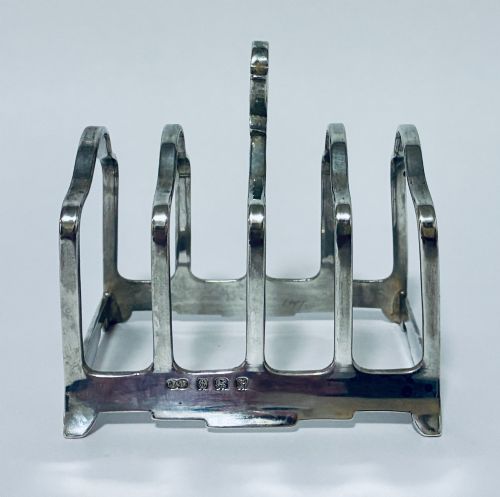
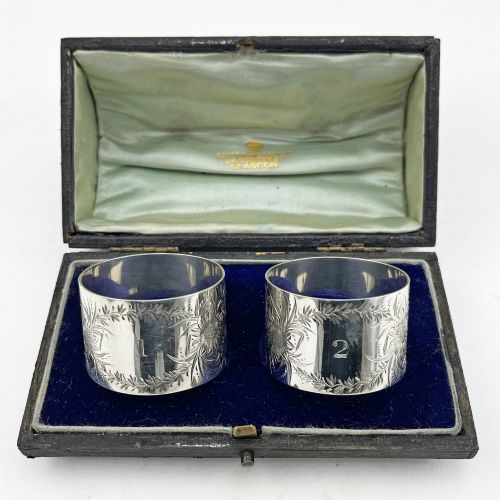
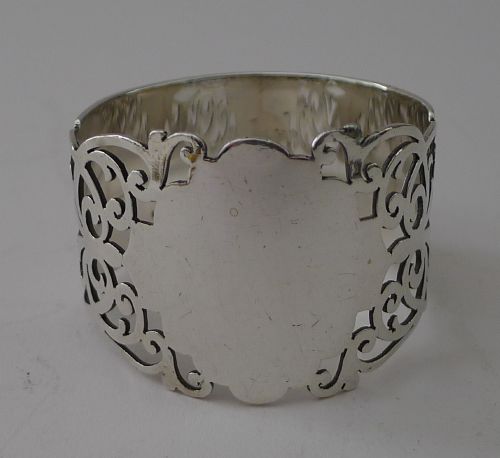
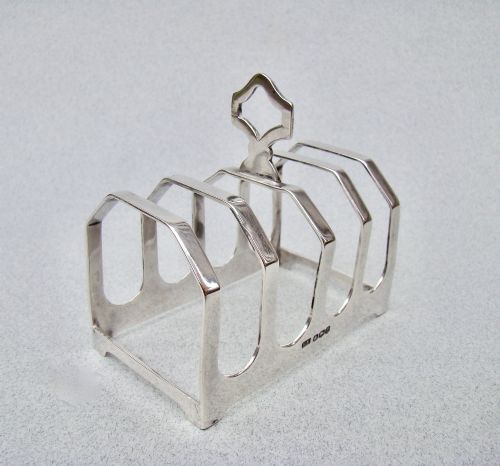
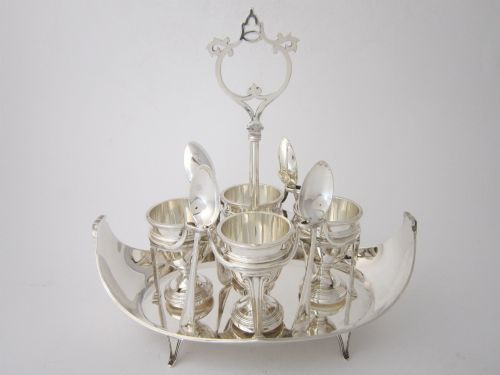
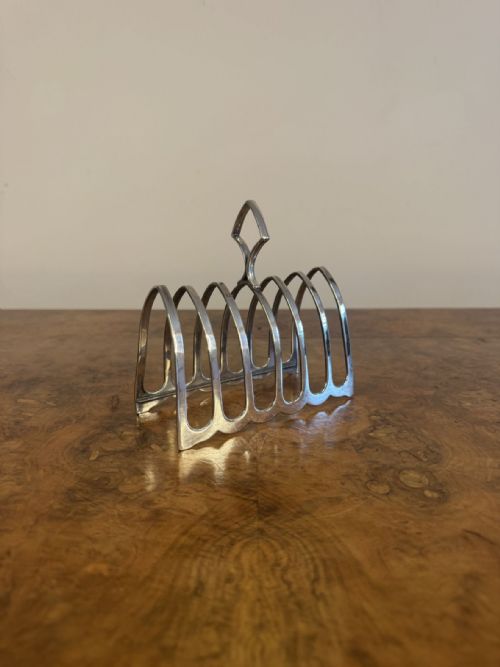
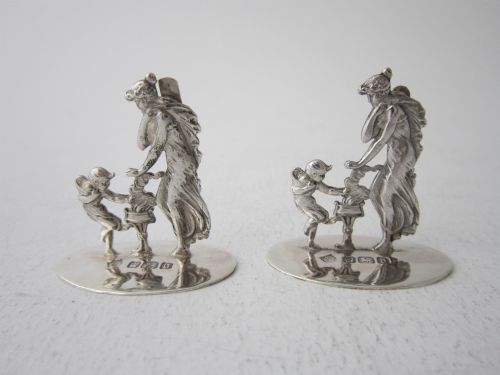
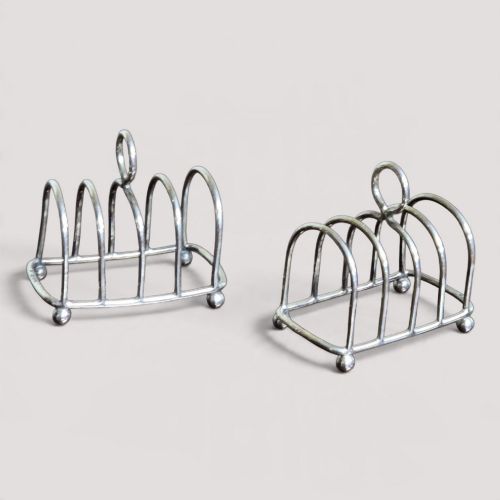
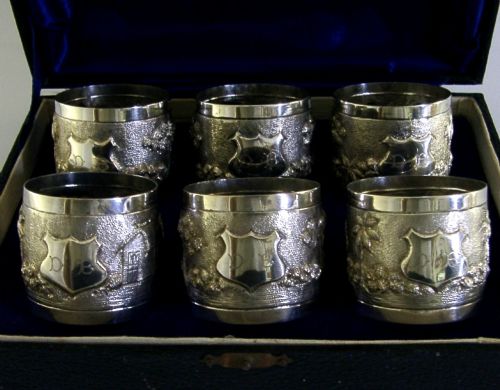
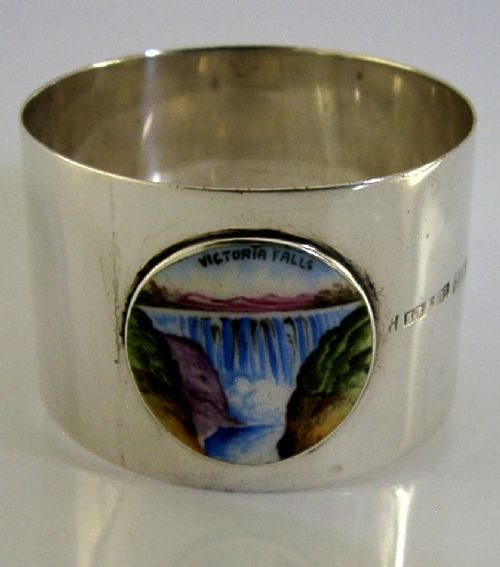
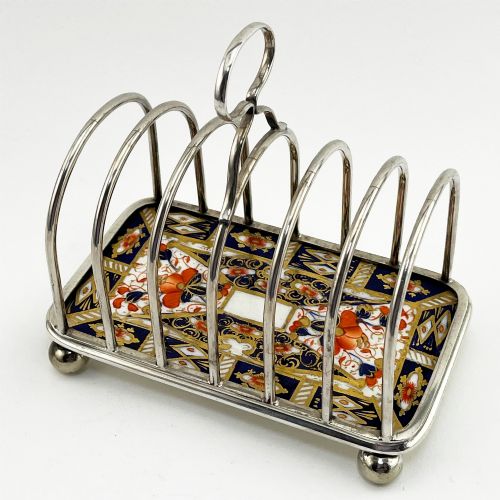
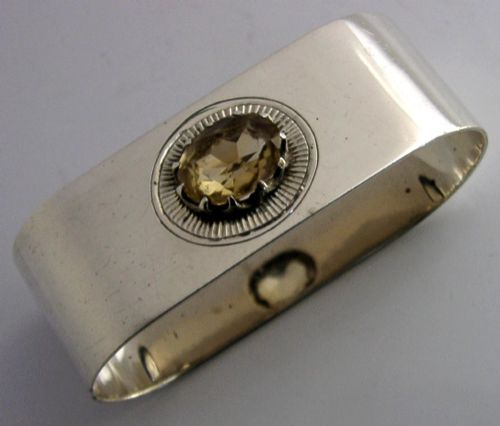
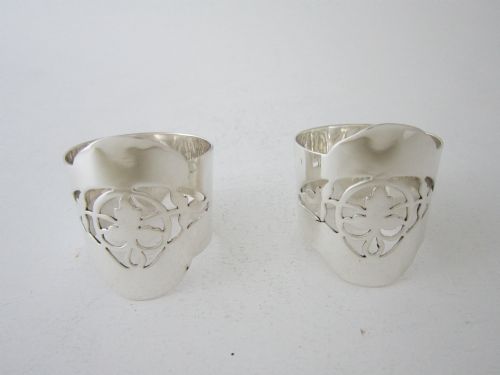
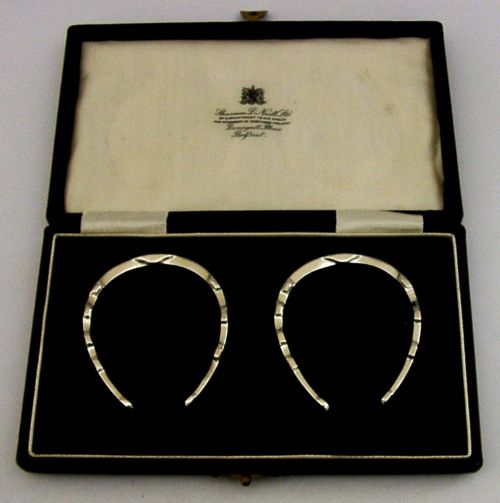
When a buyer searches for an antique tableware holder, they encounter a range of dining accessories designed to organise the table during formal and casual meals. The selection includes napkin rings, menu holders, toast racks, knife rests, and egg cruets originating from the Victorian, Edwardian, and mid-twentieth-century periods.
Napkin rings and toast racks appear most frequently on this page, often found as single items or matching boxed sets. These domestic objects reflect the changing dining habits and social customs of the nineteenth and twentieth centuries.
The assortment spans utilitarian pieces alongside decorative items incorporating porcelain, leatherette, and fitted velvet or silk cases. Pieces originating from early British reigns sit alongside later twentieth-century examples.
Materials and methods of construction
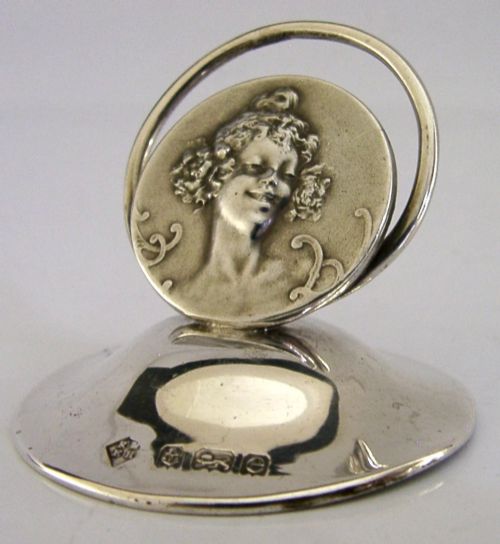
Makers utilised sterling silver and silver plate as primary structural materials, often shaping them through casting, hammering, and embossing techniques. Items such as menu holders and napkin rings frequently display detailed figural motifs, enamel work, or inset stones like agate and citrine.
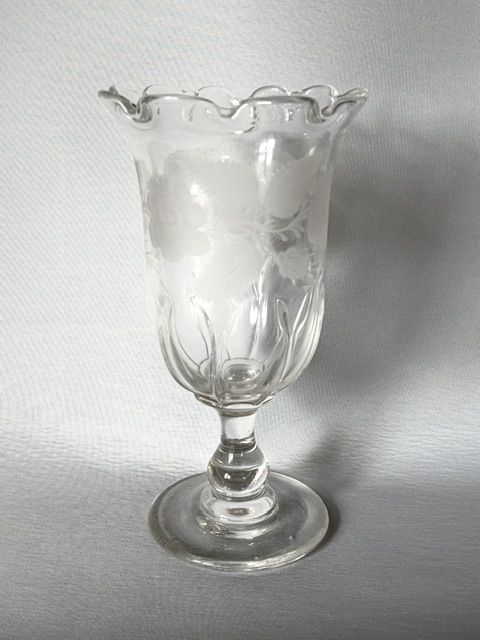
Combinations of glass, porcelain, and wood support the metalwork in pieces like egg cruets, celery vases, and cheese coasters. Interior linings of silk and velvet within presentation cases complete the manufacturing approach recorded in the evidence.
Antique Tableware Holder Retail Price Guide 2026
Typical asking prices for tableware holder among the pieces listed under this phrase on Sellingantiques today, from the lower quarter to the upper quarter. They describe what is for sale here now, not the wider market.
Listings feature materials spanning sterling silver, silver plate, glass, porcelain, velvet, silk, leatherette, and agate.
Distinctions in quality and execution
Quality rests upon the crispness of the casting and the depth of detail in decorative elements such as enamel panels or figural animals. Well-executed pieces show precise proportions and secure construction, particularly in moving joints like extending toast racks or hinged menu clips.
The presence of original fitted presentation cases and matching sets elevates certain items above standard utilitarian versions. Maker marks from established silversmiths further distinguish finer examples from unmarked production.
Albert Edward Jones·Levi and Salaman·R. E. Stone·Grey and Co·Sampson Mordan·William Burwash·Walker and Hall·Doulton Burslem
The Antique Tableware Holder Glossary
- Toast rack
- A small metal frame fitted with vertical divisions designed to hold slices of toast upright at the breakfast table.
- Menu holder
- A small desk or table accessory featuring a weighted base and a clip to display dinner menus or place cards.
- Egg cruet
- A fitted stand holding multiple egg cups and spoons, often accompanied by compartments for salt and pepper.
- Knife rest
- A small horizontal support placed on the tablecloth to keep carving or dining knife blades elevated between courses.
- Silver plate
- A base metal substrate coated with a thin layer of silver through electroplating or older fusion methods.
- Sterling silver
- An alloy consisting of pure silver and other metals, traditionally regulated to a specific standard of purity.
Antique Tableware Holder: Frequently Asked Questions
What is a tableware holder used for?
These pieces serve specific dining functions, from keeping napkins and toast organised to displaying menus and resting cutlery between courses.
Victorian and Edwardian households relied on these accessories to maintain order and presentation during formal dining rituals.
How do I date a silver piece?
Dating relies heavily on hallmarks stamped into the metal, which indicate the assay office, the year of production, and the maker.
Stylistic markers like Art Nouveau curves or Art Deco geometries also help narrow down the period of manufacture.
Are cased sets common?
Many napkin rings and cruet sets survive inside their original fitted boxes lined with silk or velvet.
These presentation cases were designed for gifting and helped protect the items from tarnish and damage over decades of storage.
How should I care for silver items?
Regular dusting and gentle cleaning help maintain the polished finish of sterling silver and silver plate without removing surface detail.
Avoiding harsh abras<bos>3 compounds preserves the integrity of engraved patterns and applied stones like agate or citrine.