


Antique Tabletop Accessories
Antique tabletop accessories bring functional elegance to desks and sideboards through enduring materials like mahogany, brass and sterling silver.
Antique Tabletop Accessories
When you search for antique tabletop accessories, you find a varied assortment of small, functional objects designed for desks, dining tables and drawing rooms. These pieces encompass items intended to organise books, illuminate spaces, hold smoking requirements and display photographs.
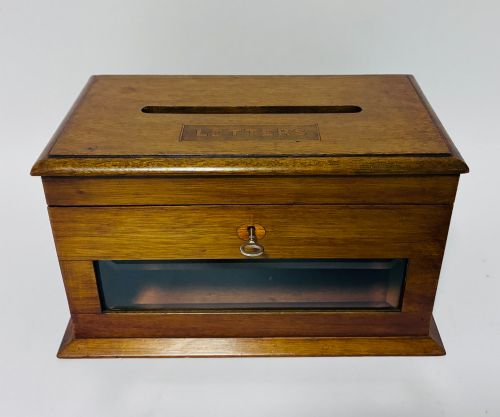
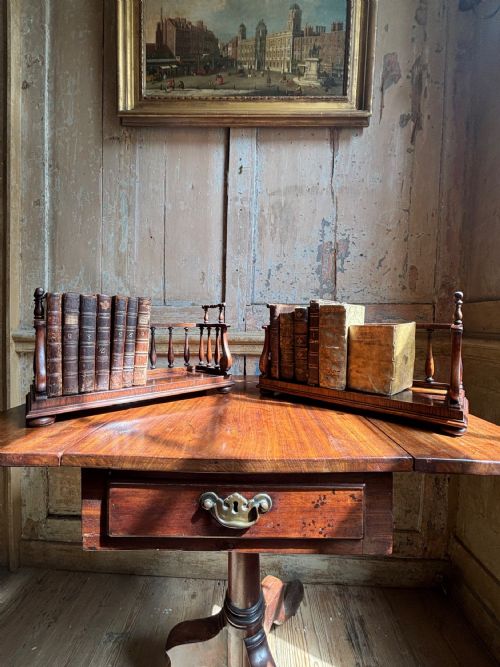
The selections available span multiple eras, with Victorian and Edwardian examples appearing frequently alongside items from the Regency and Georgian periods. Common forms include book troughs, desk boxes, candlesticks, photo frames and letter boxes intended for domestic utility.
Originating primarily from British workshops, these utilitarian items often display stylistic influences ranging from Gothic Revival and Arts and Crafts to classical Regency designs. Buyers select them to add character and historical substance to modern working and living spaces.
How they were made
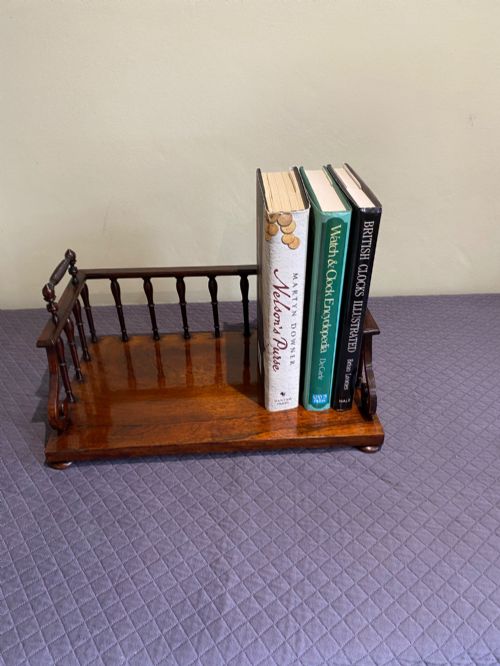
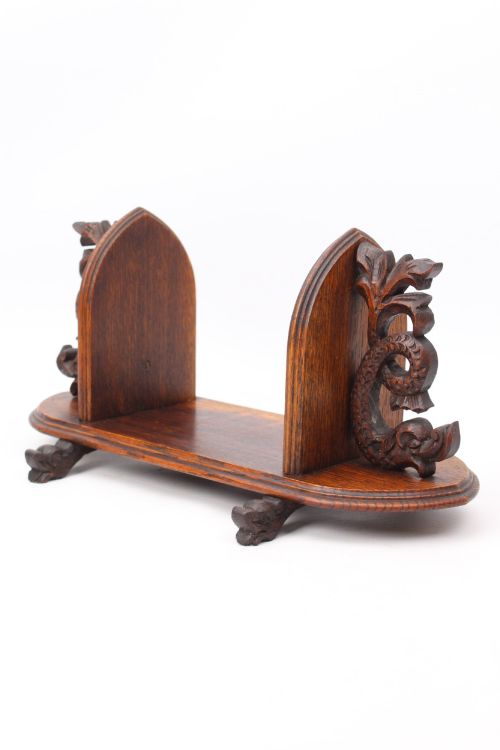
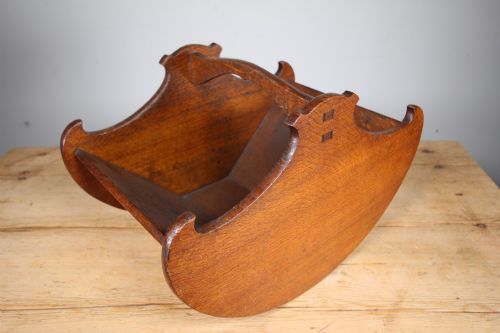
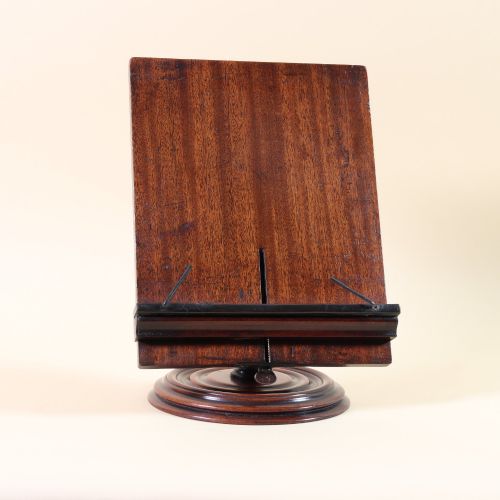
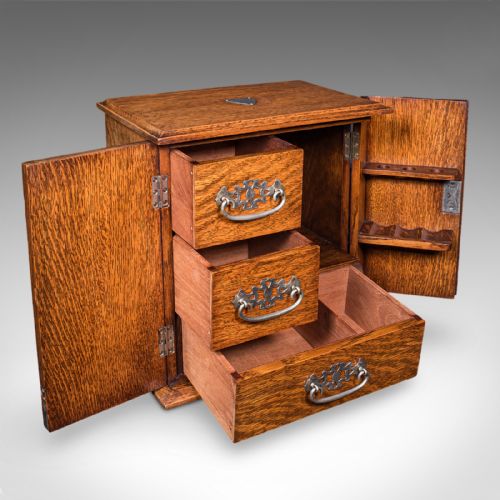
Cabinet makers utilised dense native and exotic hardwoods such as mahogany, rosewood and oak for book stands, desks tidies and smoking cabinets, often incorporating brass mounts and hinges for structural durability and decorative contrast.
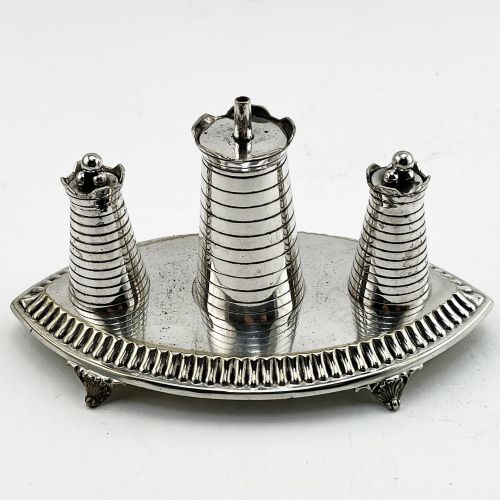
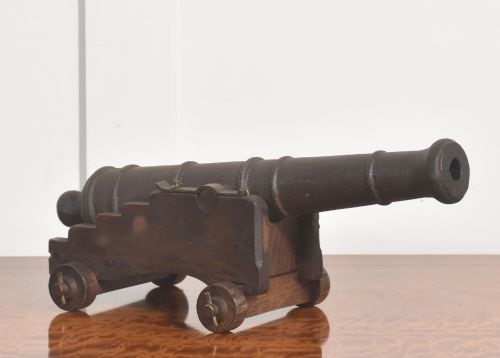
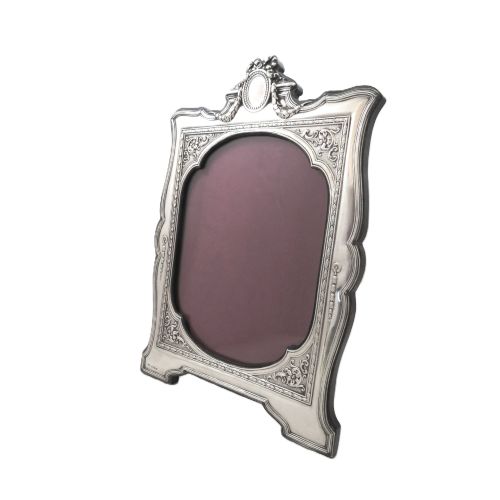
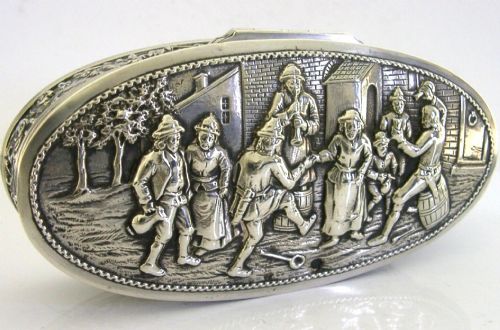
Silversmiths and metalworkers shaped sterling silver, silver plate, brass and cast iron into candlesticks, photo frames, match holders and decorative novelties, employing casting, engraving and plating techniques standard to Birmingham and other manufacturing centres.
Listings feature mahogany, rosewood and oak alongside sterling silver and brass.
What varies in quality
The standard of craftsmanship relies heavily on the selection of materials and the precision of the joinery or metal casting. Solid timber constructions with clean dovetails and well-fitted interior compartments distinguish finer desk boxes from simpler iterations.
Makers' marks, hallmarks and attribution to recognised designers or retail houses elevate specific pieces above standard domestic wares. The crispness of chased silver decoration and the weight of cast brass components indicate the level of care invested in original production.
Arthur Simpson·Elkington and Co·Deakin and Francis·Jan Eisenloeffel
The Antique Tabletop Accessories Glossary
- Book trough
- A small portable bookshelf designed to sit upright on a table or desk to keep active volumes close at hand.
- Cruet set
- A collection of glass bottles mounted in a silver or silver-plated frame used for holding condiments at the dining table.
- Desk tidy
- A compartmentalised desk accessory intended to hold stationery, pens, inkwells and correspondence in an orderly fashion.
- Table lighter
- A mechanical device placed on a smoking table or desk to provide a flame for cigars and cigarettes.
- Tunbridge ware
- Small wooden objects decorated with intricate mosaic patterns made from tiny wood blocks of various natural colours.
Antique Tabletop Accessories: Frequently Asked Questions
What is an antique book trough used for?
A book trough sits on a desk or table to hold a small selection of volumes upright for daily reference. These items keep current reading material organised and accessible within a study or library.
Cabinet makers produced them in woods like mahogany, rosewood and oak to match contemporary interior furnishings.
How do I identify a Victorian desk accessory?
Victorian desk accessories often display period characteristics such as Gothic Revival motifs, heavy brass mounts or substantive rosewood and walnut construction. Hallmarks on silver components provide precise dates and assay office locations.
Makers of this era frequently combined multiple materials, such as polished stone, glass and cast metal, within a single utilitarian object.
Were silver table lighters common?
Silver and silver-plated table lighters became popular during the late nineteenth and early twentieth centuries alongside the rise of cigarette and cigar smoking. Households placed them on smoking tables and sideboards for guests.
Designs ranged from simple urn shapes to novelty forms such as castles and lamps.
How should I care for wooden tabletop pieces?
Wooden desk accessories require minimal maintenance involving occasional dusting with a soft, dry cloth to protect polished surfaces. Keeping them away from direct heat sources prevents the wood and any applied veneers from drying out.
Application of appropriate paste wax helps nourish antique timber finishes when they appear dry.