


Antique Table with Stand
An antique table with stand brings multi-tiered utility and distinct period character into a room.
Antique Table with Stand
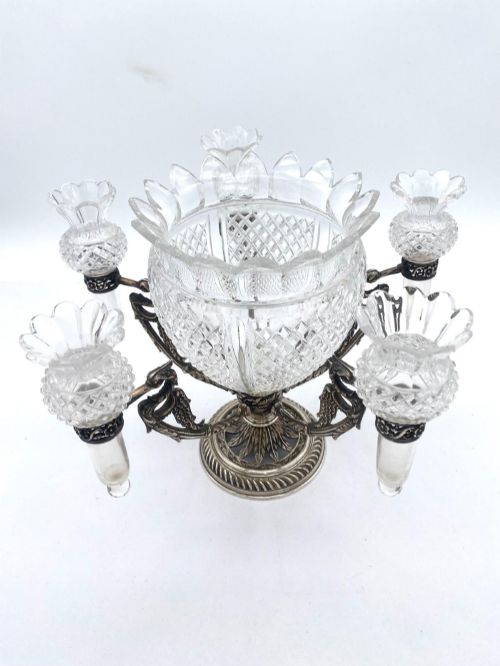
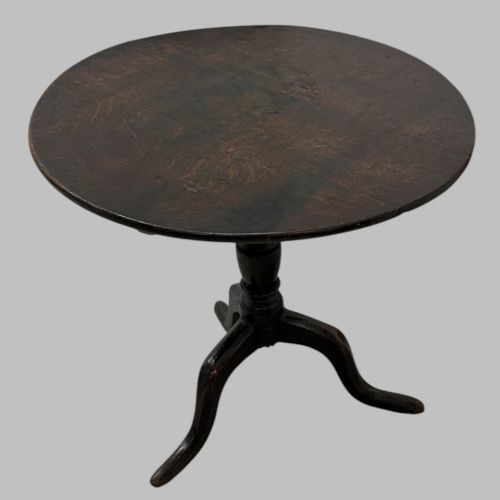
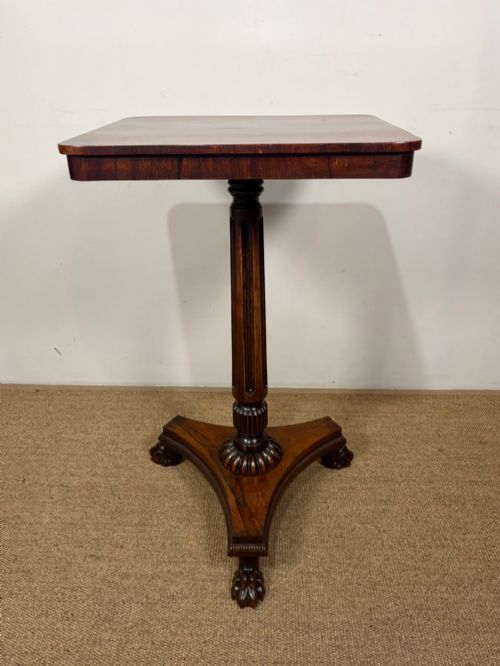
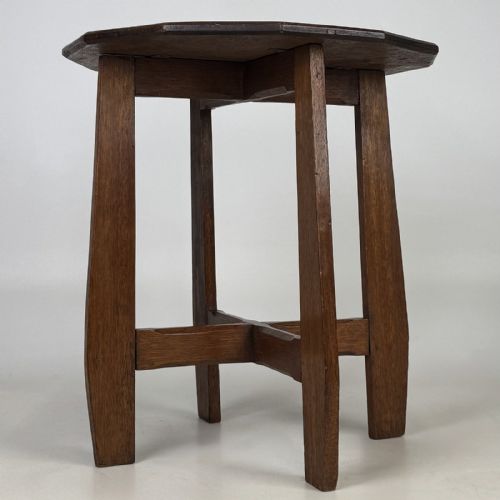
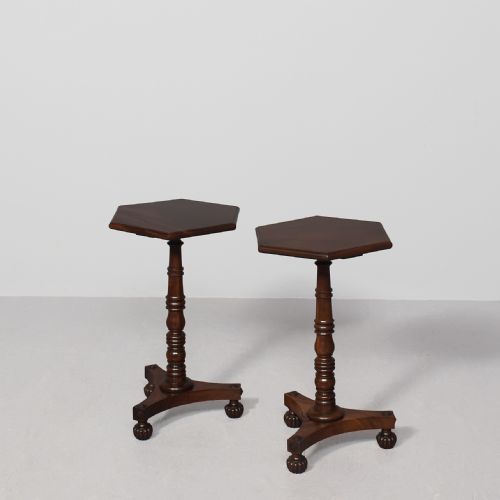
An antique table with stand encompasses a diverse group of functional furniture pieces designed to elevate surfaces or organise objects within a room. When exploring this selection, buyers frequently encounter forms such as whatnots, washstands, butlers trays on stands, and occasional tripod tables.
The objects span multiple centuries, incorporating periods from the Georgian and Regency eras through to the Victorian and Edwardian decades. Materials range from dense timbers like mahogany and walnut to lighter accents of satinwood and marble tops.
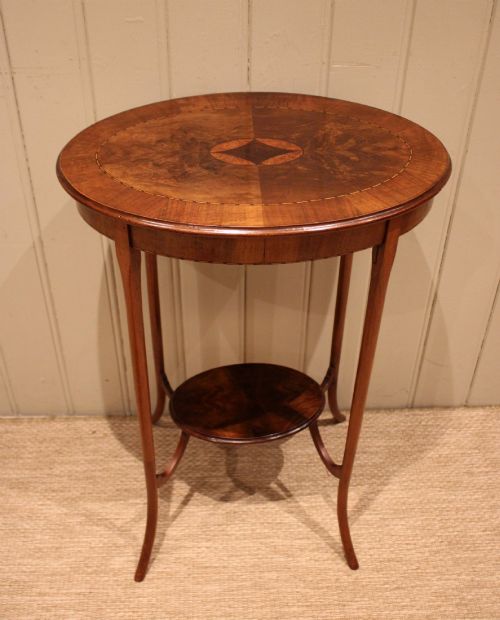
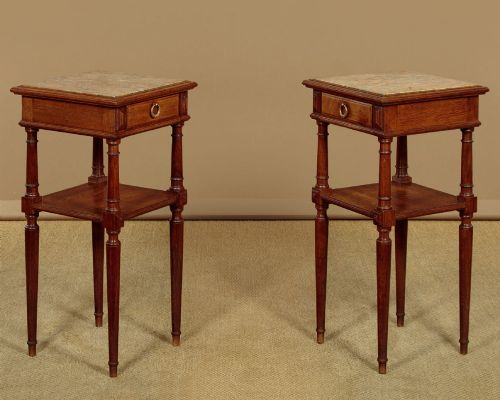
Specific variations include side tables paired with lower shelves, revolving bookcases equipped with reading stands, and specialised items like shaving stands or jardinières. Each form serves a distinct domestic purpose rooted in historical interior arrangements.
Assessing Quality
Quality in these pieces is dictated by the precision of the joinery and the selection of timber veneers, such as burr walnut or figured mahogany, which demonstrate the maker's intent. Superior examples display crisp inlay work, well-turned supports, and integrated hardware that remains stable and proportionate to the frame.
The integration of functional elements - such as a smooth rotation on a revolving bookcase, a snug fit for a removable tray on its stand, or neatly fitted marble and glass inserts - separates standard utility items from finer decorative works.
Antique Table with Stand Retail Price Guide 2026
Typical asking prices for table with stand among the pieces listed under this phrase on Sellingantiques today, from the lower quarter to the upper quarter. They describe what is for sale here now, not the wider market.
Periods represented span from the 18th century through the Georgian, Regency, Victorian, and Edwardian eras up to the early 20th century.
Liberty & Co.·William Birch·Trevor Page & Co·Cary
The Antique Table with Stand Glossary
- Butlers Tray
- A shallow wooden tray with hinged or fixed sides, originally designed for carrying silver or china. When placed upon a folding stand, it serves as an occasional or lamp table.
- Gallery
- A raised wooden, brass, or metal rail running along the edge of a table top or shelf. Its purpose is to prevent items from sliding off the elevated surface.
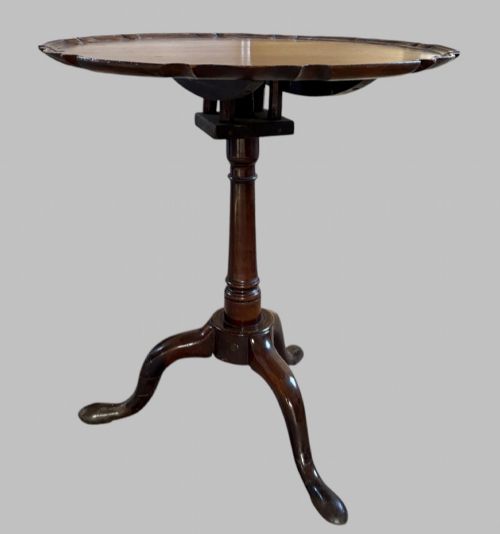
- Tripod Table
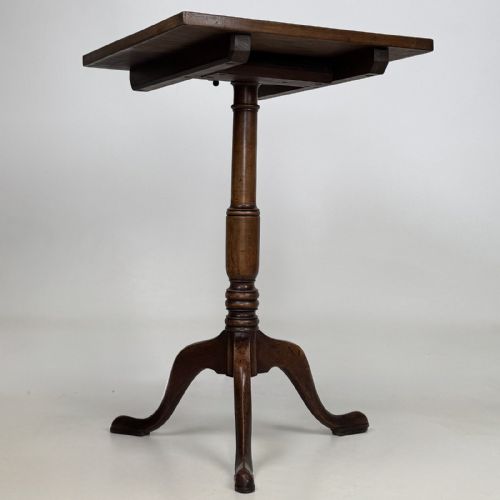
- A small occasional table supported by a central pillar resting on three spreading feet. Many nineteenth-century versions include a tilt-top mechanism for compact storage.
- Teapoy
- A small box or chest mounted on a central pillar and base, traditionally used for storing tea leaves. Inside, the compartment often contains small canisters or mixing bowls.
Antique Table with Stand: Frequently Asked Questions
What is an antique table with stand used for?
These pieces served varied domestic functions, from holding bedside water jugs on washstands to displaying books on revolving stands and serving tea from removable trays.
Today, they adapt easily to modern interiors as lamp tables, bedside surfaces, or display tiers in living spaces.
How do I identify a Victorian table with stand?
Victorian examples often feature dense mahogany or walnut timbers, turned supports, and decorative additions such as brass galleries or burr wood veneer tops.
Looking underneath and inspecting the joinery will generally reveal the hand-cut joints and timber seasoning typical of nineteenth-century workshop production.
What is the difference between a side table and a whatnot?
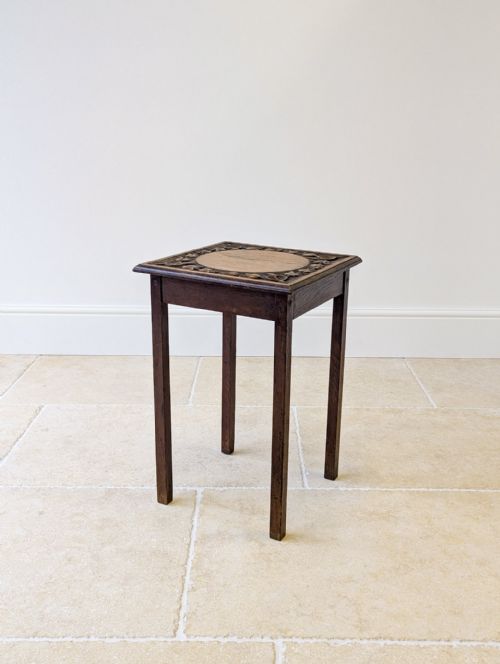
A side table provides a single flat surface, occasionally complemented by a lower shelf or small drawer for storage.
In contrast, a whatnot consists of multiple stacked shelves designed specifically for holding ornaments, books, or small collections across several tiers.
How should I care for a wood table with stand?
Maintain the timber by keeping the piece away from direct heat sources and sudden humidity changes that can cause wood to warp or veneers to lift.
Apply a traditional beeswax polish occasionally to nourish the grain, and use coasters beneath glasses or damp objects placed on the surface.