
Antique Table Top Cabinet
An antique table top cabinet is a compact, portable storage piece designed for desk or surface placement to hold small valuables, papers, or collections.
Antique Table Top Cabinet
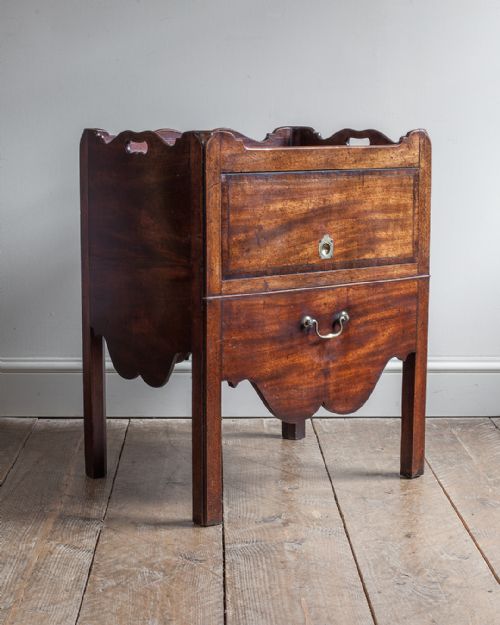
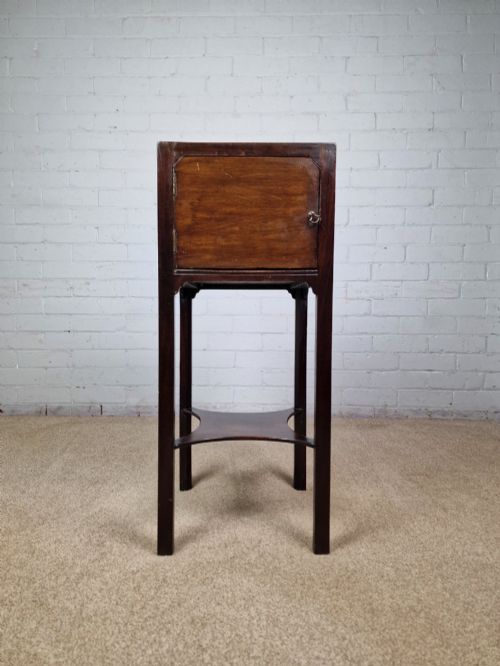
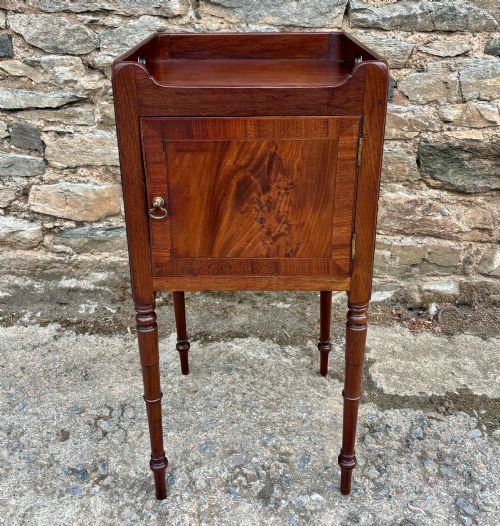
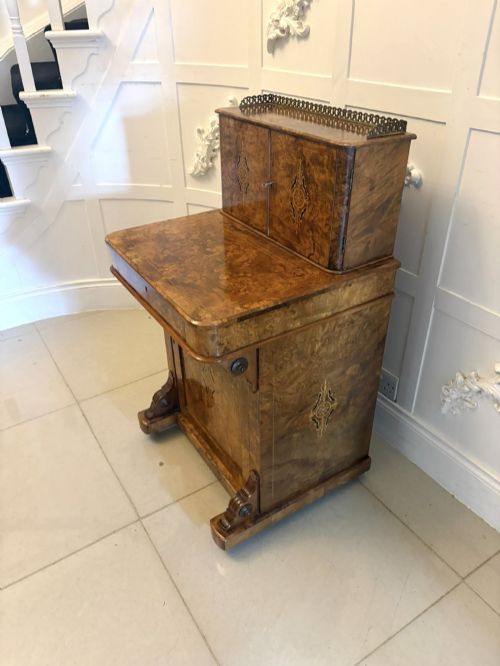
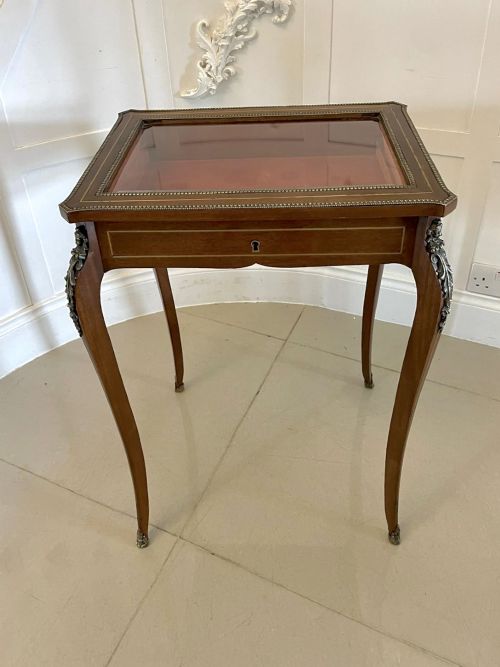
When you search for an antique table top cabinet, you encounter miniature storage forms designed to sit upon larger surfaces. The pieces span periods from the eighteenth century through the early twentieth century, incorporating styles such as Georgian, Victorian, and French designs.
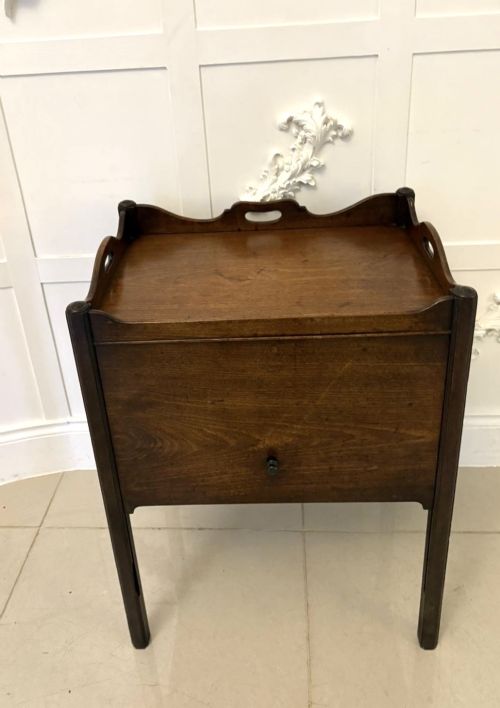
The selections on this page predominantly present wood construction configured as small chests, collector cabinets, and cupboards. These compact items served functional storage roles in domestic settings.
Makers utilised various regional aesthetics, including French and English cabinet-making traditions. The forms range from simple oak and mahogany table-top boxes to elaborate marquetry-inlaid walnut and bamboo pieces.
How they were made
The construction relies heavily on traditional cabinet-making timbers such as mahogany, walnut, oak, and satinwood. Artisans selected these woods for their grain patterns and structural stability in small-scale furniture.
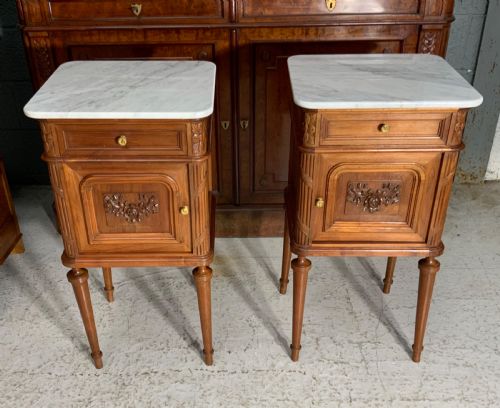
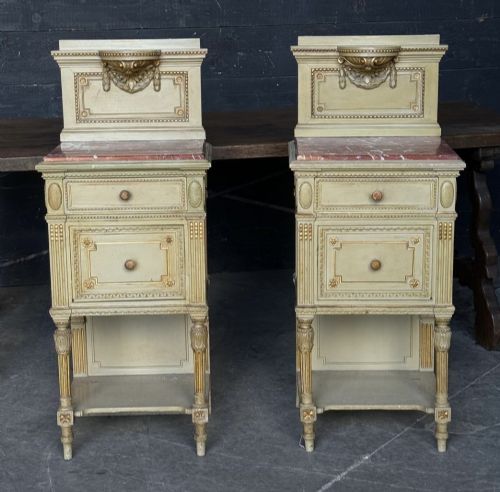
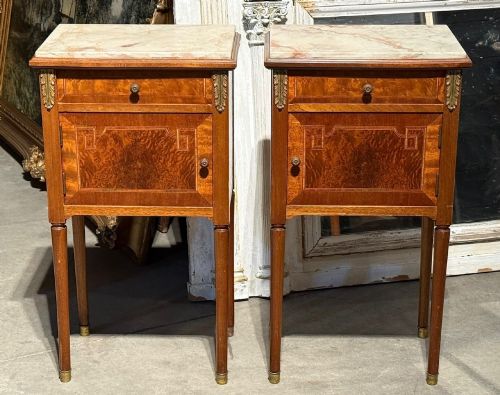
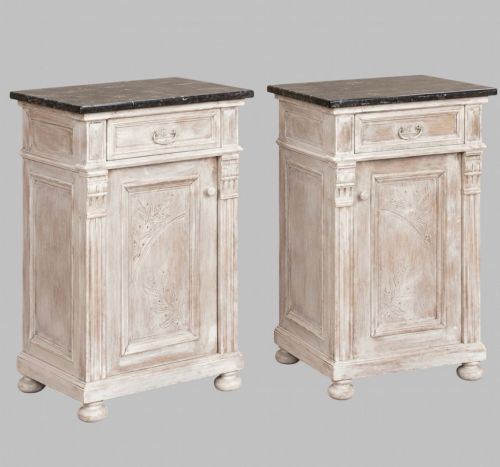
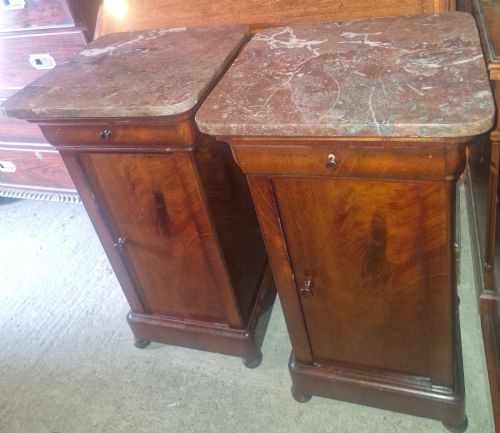
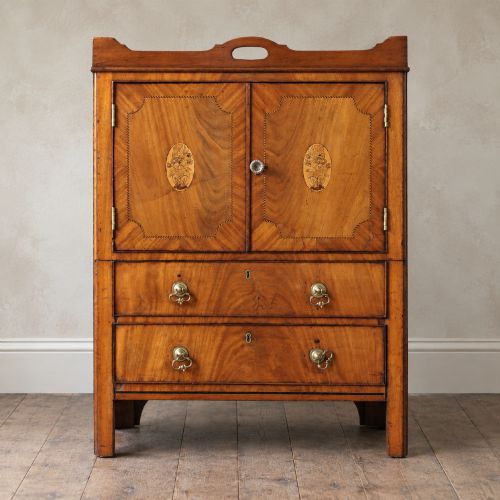
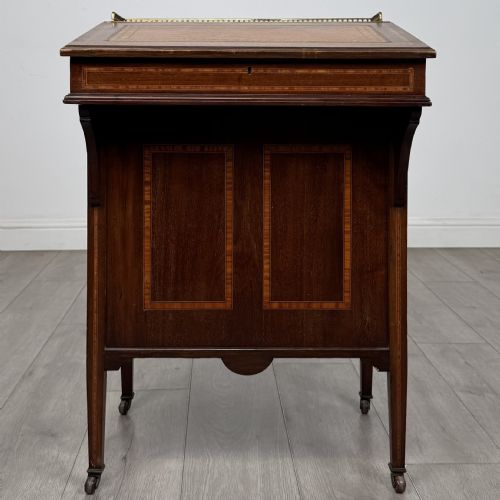
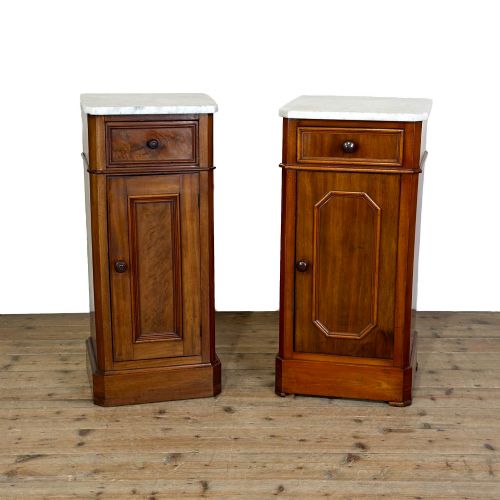
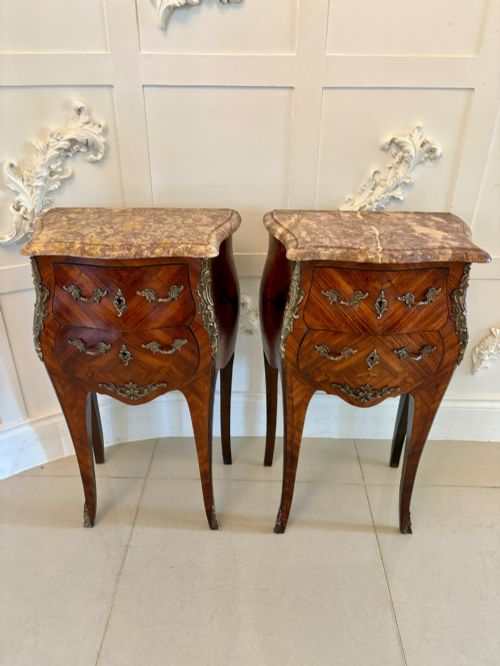
Decorative techniques include intricate marquetry inlay, brass mounts, and marble tops. These surface treatments define the stylistic period of each piece, from George III furniture to Edwardian and Victorian examples.
Miniature bamboo cupboards bring an unexpected botanical charm to the traditional lineup of heavy hardwood furniture.
What varies in quality
The standard of execution in joinery and timber selection determines the tier of a cabinet. Fine examples display precise dovetail joints, carefully matched wood veneers, and intact brass hardware.
The refinement of decorative elements, such as detailed marquetry inlay or fitted internal compartments, separates standard utility items from superior cabinet-making.
The Antique Table Top Cabinet Glossary
- Marquetry
- Decorative veneer work arranged in geometric or pictorial patterns on the surface of furniture. It employs various tinted woods to create visual contrast.
- Dovetail
- A traditional wood joint formed by interlocking wedge-shaped fingers. This method provides high tensile strength for drawer and box construction.
- Satinwood
- A durable timber with a natural golden lustre, frequently utilised for fine veneer work during the eighteenth and nineteenth centuries.
- Tray top
- A raised rim surrounding the top surface of a small table or cabinet designed to prevent items from rolling off.
Antique Table Top Cabinet: Frequently Asked Questions
What is an antique table top cabinet used for?
These compact cabinets served to store small personal items, writing materials, or natural history specimens on top of desks or larger pieces of furniture.
In domestic interiors, they provided secure, portable organisation for valuables before fitted wall cabinetry became standard.
How do I identify the period of a cabinet?
Dating relies on observing timber choices, construction techniques, and decorative styles. Georgian and Victorian examples show distinct joinery methods and hardware designs characteristic of their eras.
Matching stylistic details, such as French mounts or English bracket feet, helps narrow down the decade of production.
Are these cabinets made of solid wood?
Many pieces combine solid timber frames with selected wood veneers applied to panel surfaces. Cabinet-makers used veneers to display decorative grain figures like burr walnut or satinwood.
Internal secondary woods often reveal the regional origin and workshop practices of the maker.
How do I clean an antique wood cabinet?
Maintenance involves gentle dusting with a soft, dry cloth to protect the historic polish or wax finish. Moisture and modern chemical polishes should be avoided to preserve the timber.
Applying microcrystalline wax occasionally helps nourish dry wood surfaces without harming the original patina.