


Antique Table Shaker
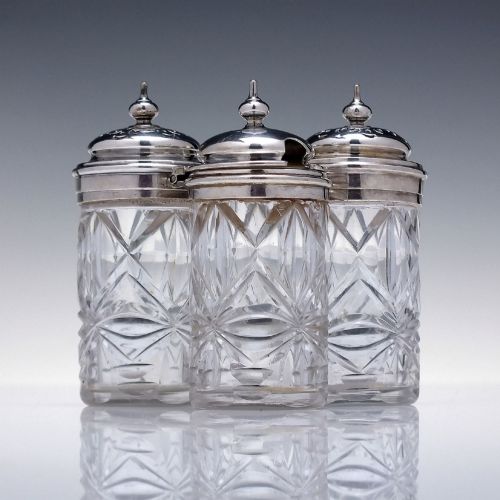
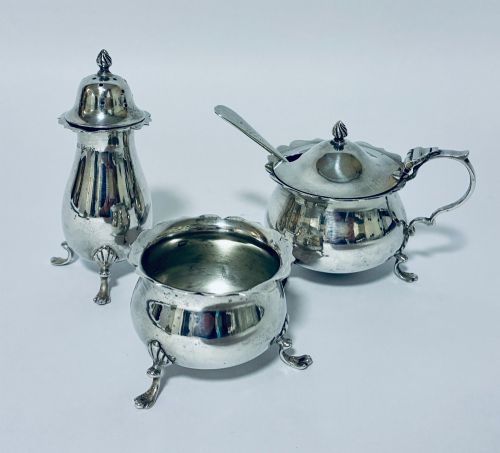
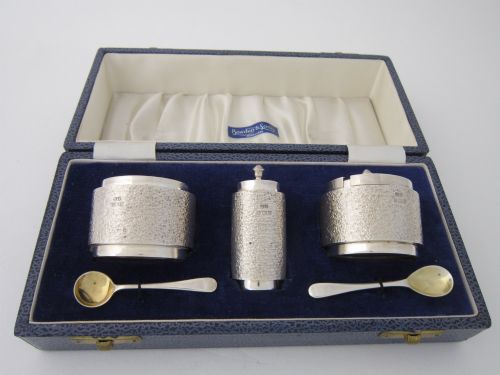
These pieces for an antique table shaker bring proper dining weight to the board, spanning silver sugar casters, individual pepper pots and full condiment cruet sets.
Antique Table Shaker
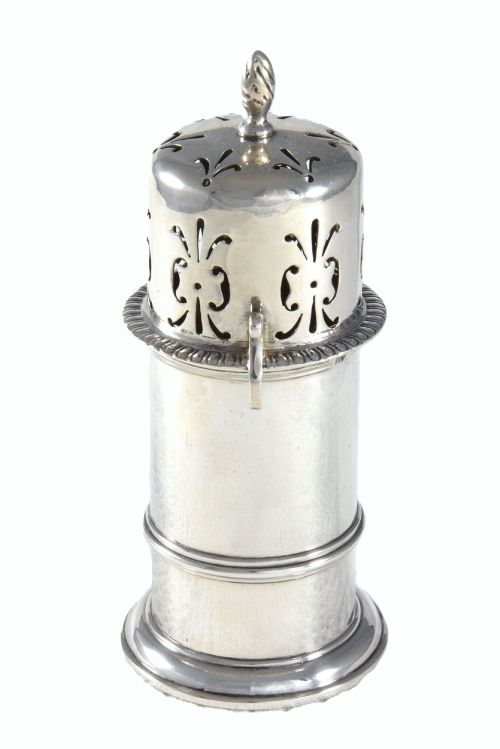
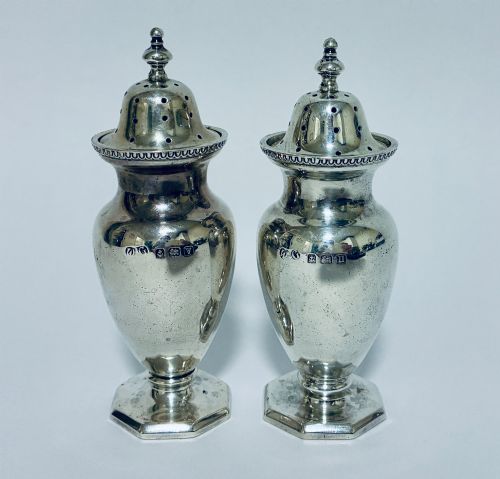
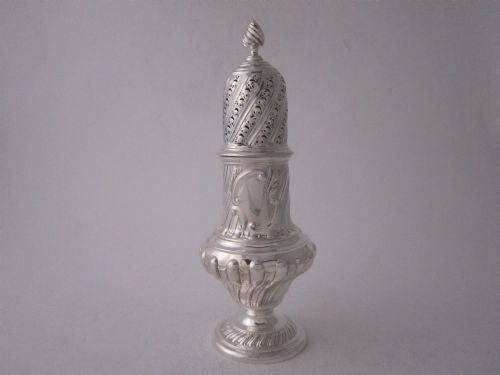
When you search for an antique table shaker, you enter a domain of silver, glass and plated tableware designed for dispensing salt, pepper, sugar and spices at formal meals. The examples on this page cover the nineteenth century and the early decades of the twentieth century, stretching from Victorian and Edwardian dining rooms to Art Deco tables.
Materials and construction
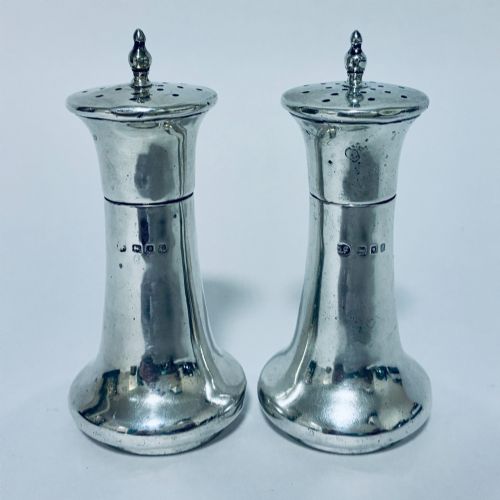
Makers utilised sterling silver, solid silver and silver plate over base metals, pairing metal components with cut glass bottles and fitted velvet elements where appropriate. Heavy gauge casting and piercing created the perforated lids and pepperette tops required for functional seasoning.
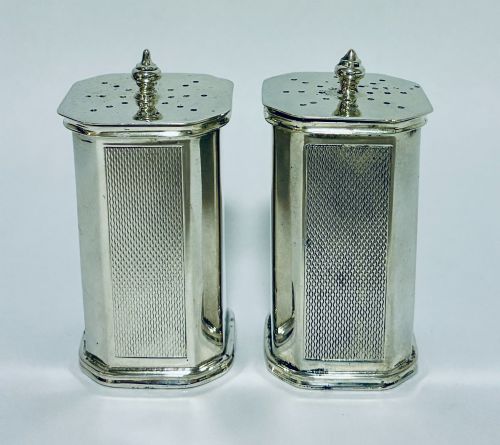
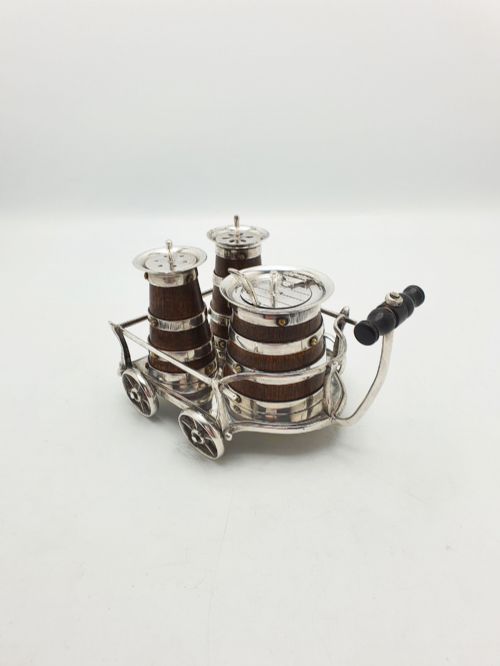
Surface decoration relies on traditional silversmithing techniques including repoussé work, polygonal faceting, and fine engraving to shape cornucopia designs, oak barrels and polygon sides.
Antique Table Shaker Retail Price Guide 2026
Typical asking prices for table shaker among the pieces listed under this phrase on Sellingantiques today, from the lower quarter to the upper quarter. They describe what is for sale here now, not the wider market.
Listings span Victorian, Edwardian, Art Deco and George V periods, featuring sterling silver, silver plate, cut glass and solid silver.
Judging execution and form
Quality rests upon the crispness of the piercing in the shaker lids and the thickness of the silver gauge used in the body. Substantial weight in the hand distinguishes better examples, particularly in sugar castors and novelty figural pieces.
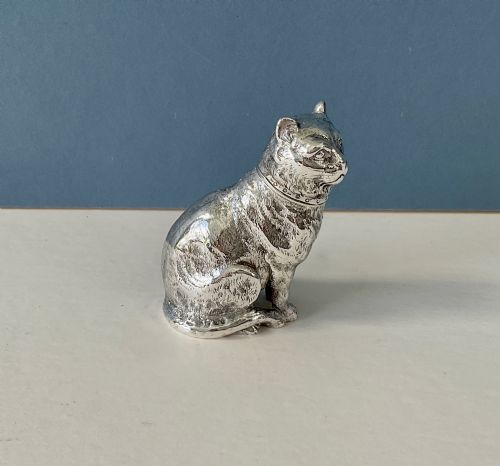
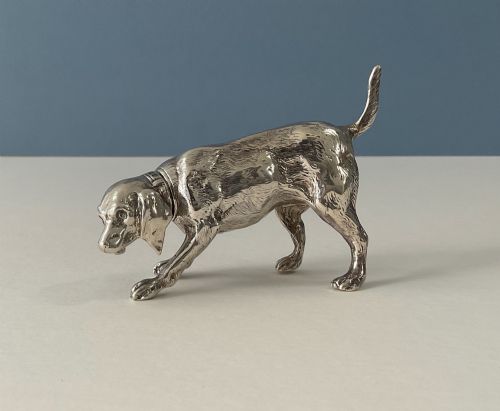
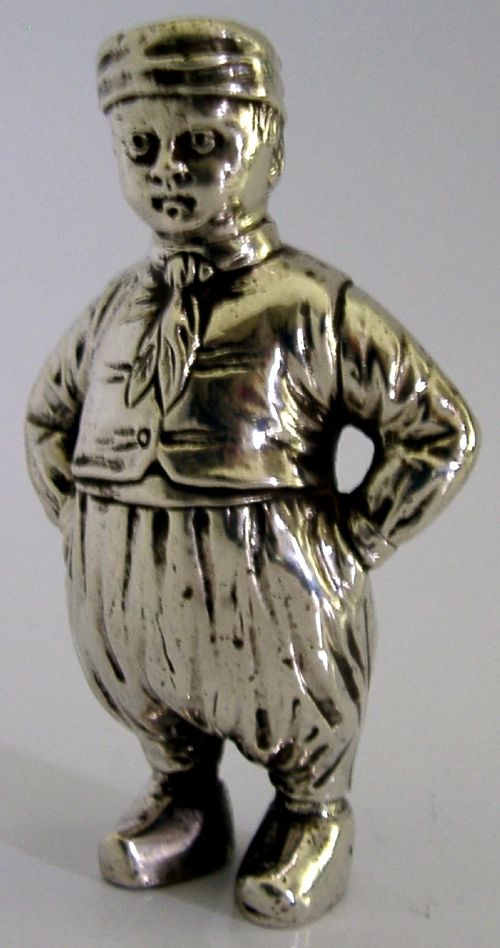
The detail in modelled forms - such as the feather work on owl and cockatoo pepperettes or the casting of carriage and farmyard cruet frames - separates standard production items from superior works.
Goldsmith & Silversmith's·Barker Brothers·Horace Woodward & CO LTD·Bricks & Sons·Roberts & Belk·Sampson Mordan
The Antique Table Shaker Glossary
- Sugar Caster
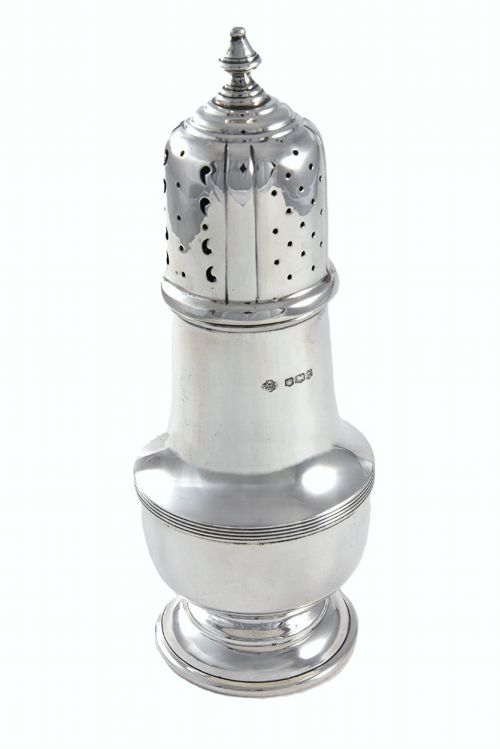
- A tall vessel with a perforated domed top used for sprinkling castor sugar over food. These are often larger than pepper pots and feature pear-shaped or cylindrical bodies.
- Pepperette
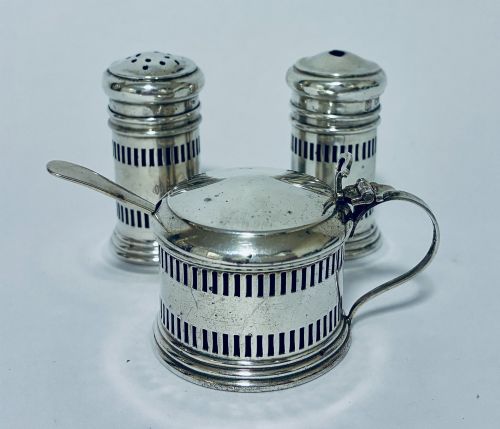
- A small shaker designed specifically for ground pepper, usually paired with salt cellars or mustard pots within a larger cruet set.
- Cruet Set
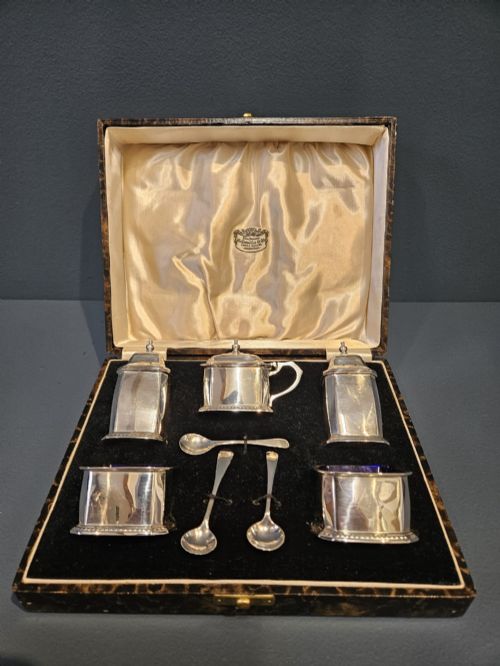
- A matched set of bottles, shakers or jars held together in a metal frame or stand for the dining table. They frequently include receptacles for oil, vinegar, salt and pepper.
- Silver Plate
- A manufacturing technique where a thin layer of silver is fused or electroplated onto a base metal such as copper or Britannia metal. This provided the appearance of solid silver at a lower cost.
Antique Table Shaker: Frequently Asked Questions
What is an antique table shaker?
An antique table shaker is a functional vessel designed to hold and dispense seasonings like sugar or pepper at the dining table. These pieces range from tall sugar casters to small individual pepperettes.
They appear in materials such as sterling silver, silver plate and cut glass, often reflecting the decorative styles of the Victorian, Edwardian and Art Deco periods.
How were cruet sets used?
Cruet sets held a collection of seasoning bottles and shakers together in a central stand or frame on the dining table. Guests or servants used them to add salt, pepper, sugar, vinegar and oil to meals.
Larger sets accommodated multiple glass bottles with silver mounts, while smaller sets functioned as matched three-piece condiment assemblies.
How do I identify a sugar caster?
A sugar caster is characterised by its taller stature and a pierced domed lid designed for dusting sugar over baked goods or fruit. They feature weighty bases and often take cylindrical, pear-shaped or faceted polygon forms.
Many examples include hallmarks on the body and lid that confirm the silver standard and year of production.