

Antique Table Ornament
An antique table ornament brings domestic interiors of the past directly into focus through bronze figures, silver animals and glass vessels.
Antique Table Ornament
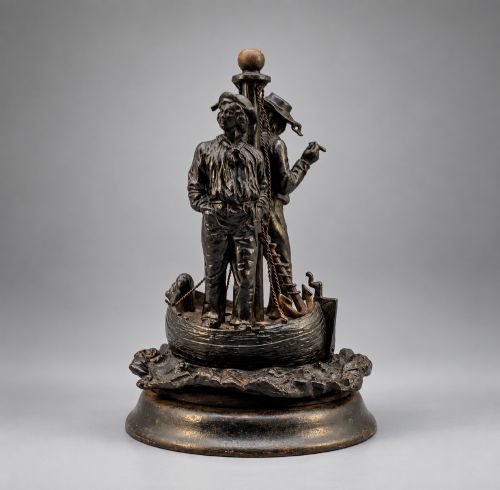
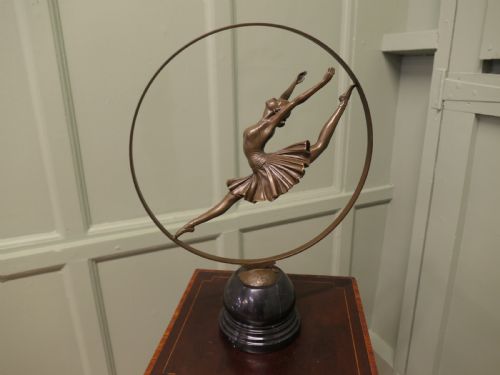
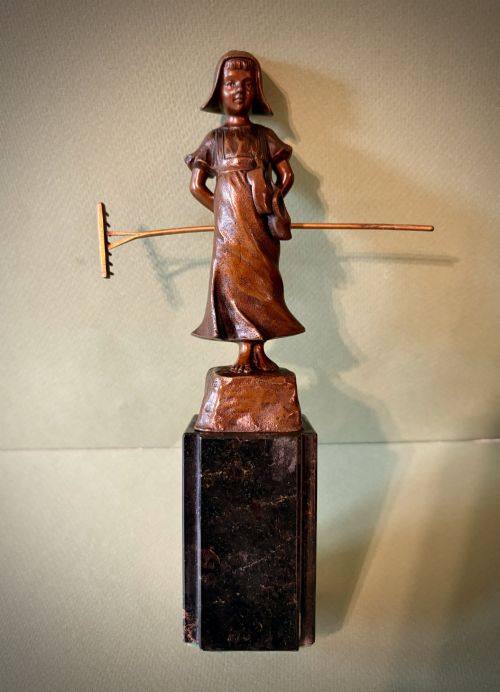
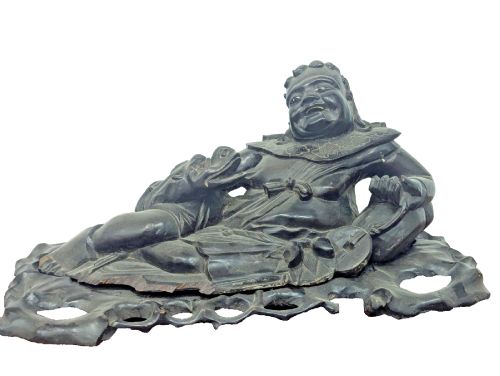
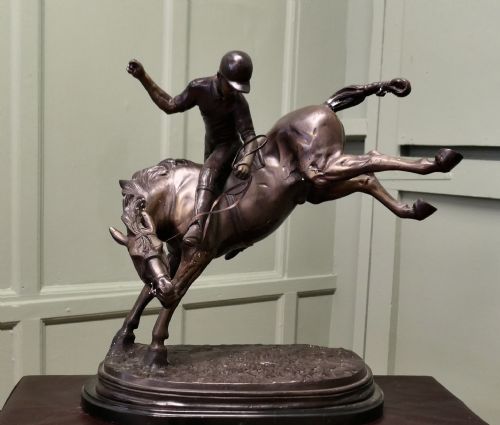
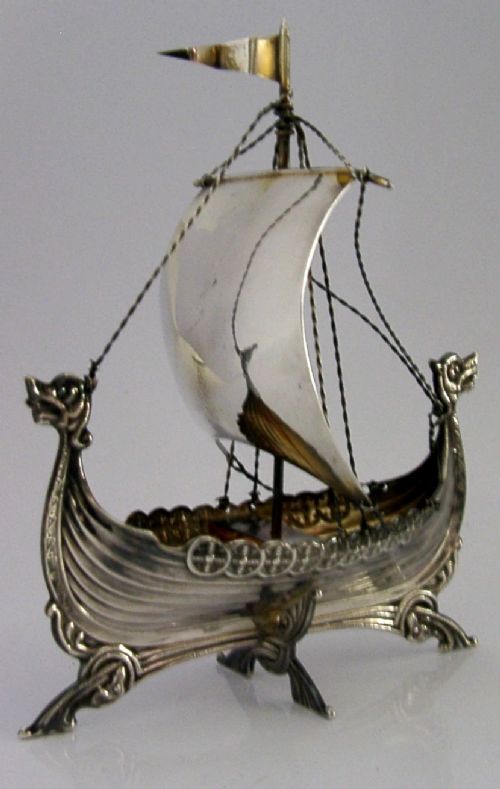
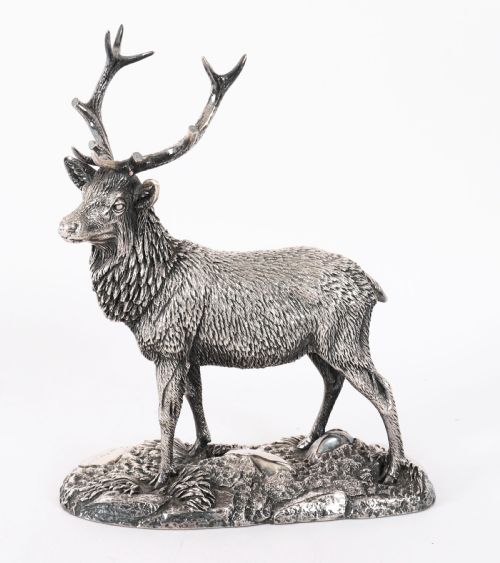
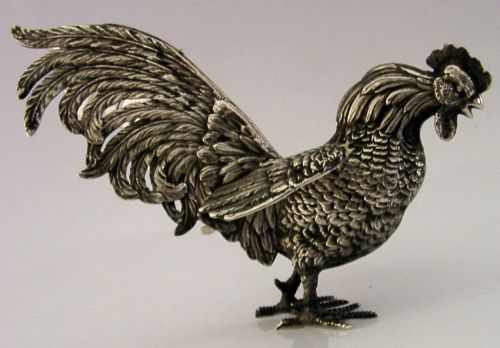
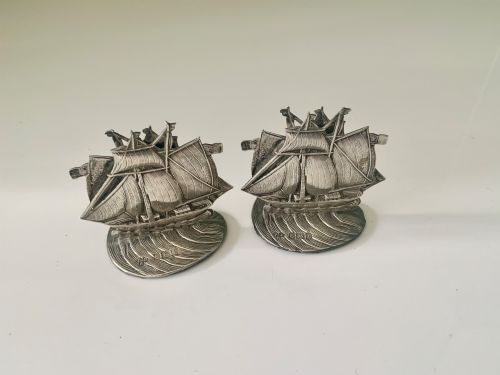
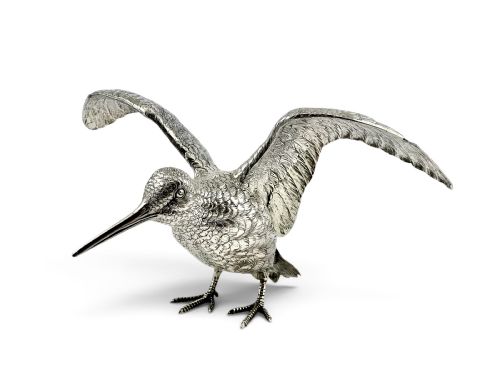
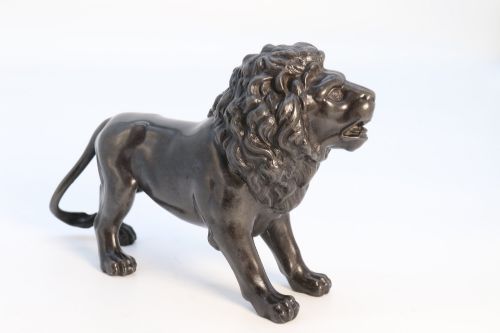
When searching for an antique table ornament, collectors encounter a diverse group of objects designed for display on dining tables, desks and mantelpieces. The items appearing here range from Victorian silver novelties and Edwardian menu holders to French bronze animalier groups and carved hardwood figures from the nineteenth and twentieth centuries.
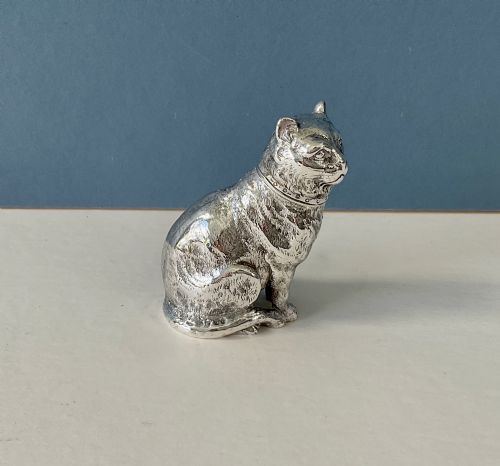
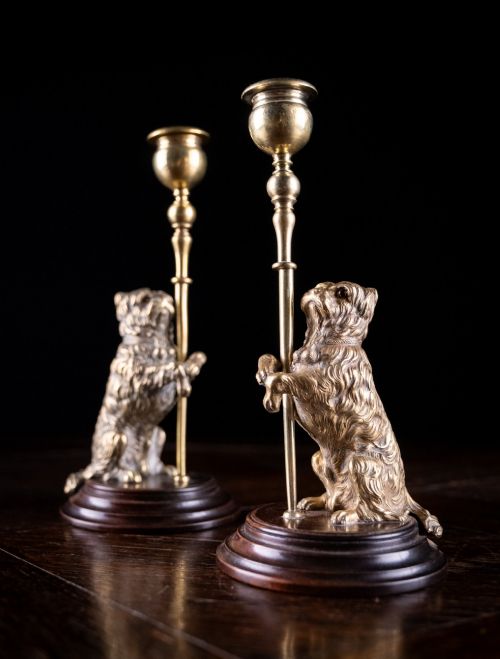
Bronze sculptures and sterling silver animal figures dominate the selection, alongside porcelain figurines, brass candlesticks, and glass table lustres. Examples span various periods including the Victorian era, the Edwardian years, Art Deco, and mid-century modern production.
Materials and Techniques
Makers utilised traditional methods such as lost-wax casting for bronze sculptures and cold-painting for decorative metal figures. Silver items frequently demonstrate detailed chasing, repoussé work, and hallmarks indicating specific assay offices and dates.
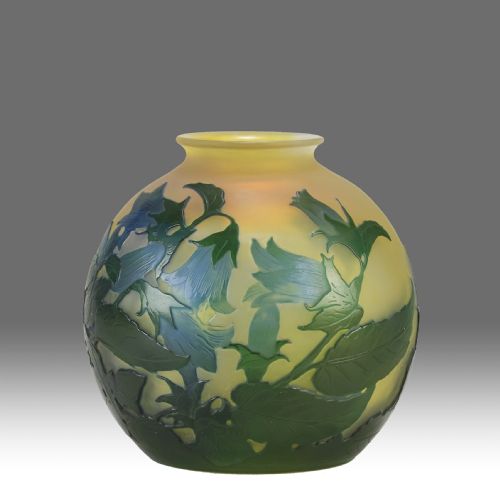
Glass objects involve cameo glass techniques, hand-painting, and pressed glass assembly, while wooden ornaments employ careful hand-carving in varieties such as hardwood and Black Forest pine.
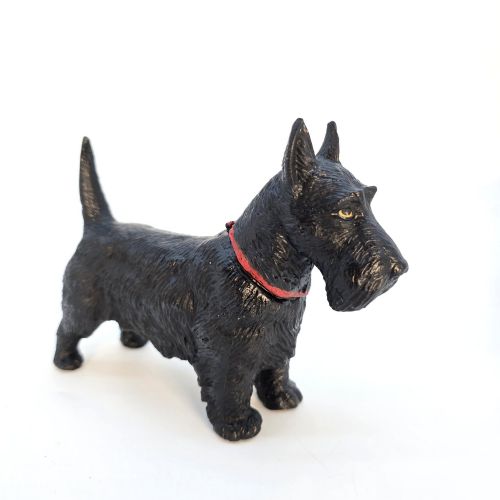
Monkeys playing drums and Scottie dogs holding matches prove that Victorian and Edwardian dining tables possessed a delightfully theatrical sense of humour.
Assessing Quality
Material selection and patination also govern value, with original cold-painted surfaces, clear hallmarks on silver, and undamaged glass components indicating higher craftsmanship.
Pierre Collinet·Tom Mackie·Emile Gallé·Josef Lorenzl·P J Mêne·Alfred Barye·Masaaki
The Antique Table Ornament Glossary
- Animalier
- A nineteenth-century artistic movement and style focused on realistic depictions of animals, particularly horses, dogs, and wildlife in bronze.
- Cold-painted bronze
- A technique where bronze sculptures are painted with oil or enamel paints without subsequent firing, popular in Austrian workshops during the late nineteenth and early twentieth centuries.
- Table lustre
- A decorative glass ornament hung with crystal prisms, designed to catch candlelight on nineteenth-century dining tables.
- Menu holder
- A small desk or dining accessory made of silver, brass, or metal, designed to hold paper menus upright during formal meals.
Antique Table Ornament: Frequently Asked Questions
What is an antique table ornament?
An antique table ornament is a decorative small-scale sculpture, silver novelty, or functional display piece created to adorn dining tables, sideboards, and desks in past centuries.
These objects include cast bronze animals, silver pepper pots shaped like birds, glass bell jars, and carved wooden figures spanning the Victorian, Edwardian, and Art Deco periods.
How were silver table ornaments used?
Silver table ornaments often served dual purposes as decorative conversation pieces and functional items for formal dining.
Examples include silver animal figures containing salt cellars or pepper shakers, alongside specialised menu holders placed beside each guest's setting.
How do I identify Art Deco bronze figures?
Art Deco bronze figures typically display stylized geometries, sleek lines, and subjects such as dancers, athletes, and birds created during the 1920s and 1930s.
Many of these pieces utilise spelter or patinated bronze combined with marble bases or ivory elements, reflecting the modern aesthetic of the interwar period.
Where were cold-painted bronzes made?
Cold-painted bronzes were predominantly produced in Vienna during the late nineteenth and early twentieth centuries by specialised foundries.
These colourful figures depict human figures, animals, and orientalist subjects using hand-applied paint over cast bronze bases.