



Antique Table Forks
Antique table forks are functional dining implements crafted from sterling silver, silver plate, and bone, offering a tactile connection to historical dining customs.
Antique Table Forks
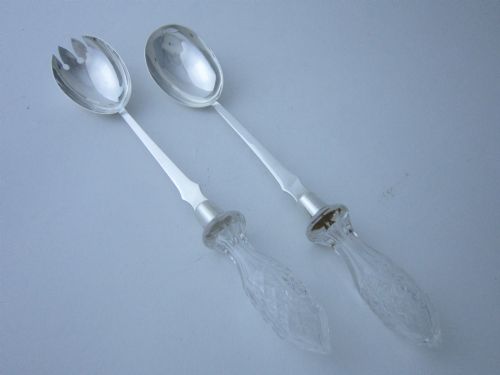
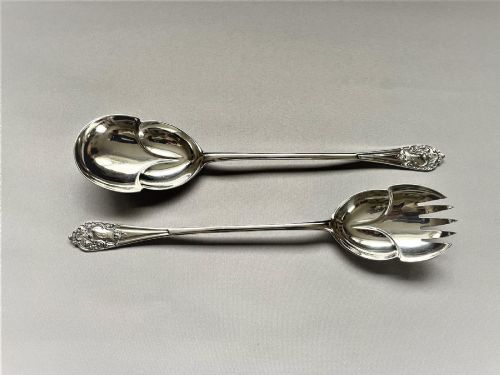
Antique table forks encompass formal dining implements, dessert forks, and serving utensils spanning the 18th Century through to the 1930s. The selection includes traditional silver pieces alongside items featuring mother-of-pearl and bone handles.
Buyers frequently encounter Victorian and Edwardian examples on this page, alongside earlier Georgian designs and mid-century items. These utensils reflect diverse manufacturing traditions, from Ottoman folk art to classic British sterling silver patterns.
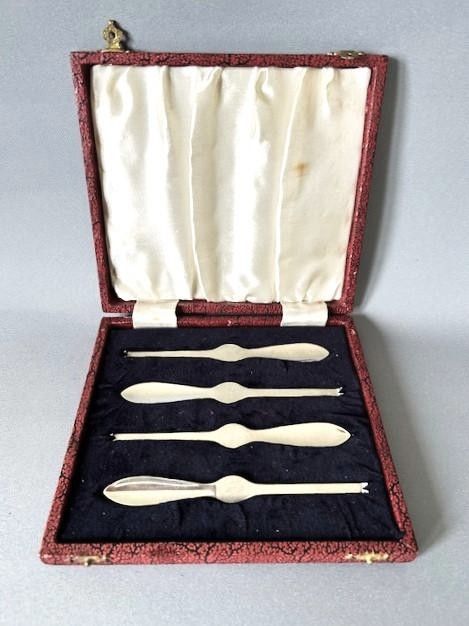
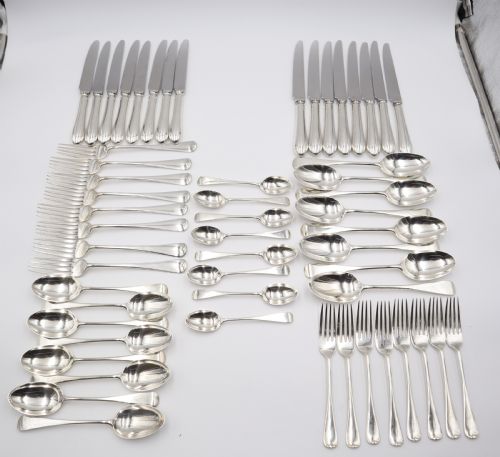
The forms range from single table forks to matched cutlery sets, salad servers, and hors d'oeuvres sets. Each piece demonstrates the domestic habits and dining table arrangements of its specific period.
Materials and construction methods
Makers utilised sterling silver and silver plate for the primary structure of these utensils, often incorporating steel for functional tines and blades. Handles frequently featured organic materials such as bone and mother-of-pearl, secured to the metal shafts.
Craftsmen applied traditional metalworking techniques to shape sterling silver into distinctive regional patterns like Hanoverian, Fiddle, and Dognose. Detailing often involved engraved armorial crests and decorative piercing.
Antique Table Forks Retail Price Guide 2026
Typical asking prices for table forks among the pieces listed under this phrase on Sellingantiques today, from the lower quarter to the upper quarter. They describe what is for sale here now, not the wider market.
The listings on this page span multiple centuries, incorporating British sterling silver, bone, and mother-of-pearl across various distinct domestic periods.
Factors of distinction
The degree of preservation in the metalwork and the crispness of engraved armorial crests define the upper tier of these pieces. Heavier gauge silver and intact, unblemished organic handles such as mother-of-pearl or bone indicate superior original manufacture.
Completeness within sets and the clarity of maker marks or hallmarks separate standard domestic utensils from exceptional collector pieces. Original fitted storage cases, when present, elevate the overall integrity of a cutlery group.
E Coker·International Silver Co
The Antique Table Forks Glossary
- Sterling silver
- A standard alloy consisting of ninety-two point five percent silver by mass, with the remainder being copper. This material forms the primary body of the finest antique table forks and flatware.
- Hallmark
- An official stamp applied by an assay office to indicate the purity of a precious metal, the maker, and the year of production. These marks provide definitive evidence of age and origin.
- Hanoverian pattern
- A traditional 18th Century flatware design characterised by a ribbed upturned terminal and a central ridge down the front of the handle. It remains a classic indicator of Georgian silver.
- Dognose
- An early flatware style featuring a rounded, spade-like terminal that preceded the Hanoverian pattern. This form is particularly associated with late 17th Century and early 18th Century silver.
- Fiddle pattern
- A flatware style featuring a rounded, spreading shoulder just above the terminal, resembling the shape of a violin. This design gained widespread popularity during the 19th Century.
Antique Table Forks: Frequently Asked Questions
How do I date antique table forks?
Dating relies primarily upon official assay office hallmarks stamped into the silver, which record the specific year of testing. Stylistic details such as tine count, handle shape, and decorative motifs also provide clear chronological markers.
Earlier pieces from the 18th Century typically display distinct form characteristics like three tines and Dognose terminals. Victorian and Edwardian examples introduce machine-assisted manufacturing marks and varied handle materials.
What is the difference between table forks and dessert forks?
Table forks are traditionally larger utensils designed for the main course of a formal meal. They measure longer and possess heavier proportions to manage substantial cuts of food.
Dessert forks are scaled down in size and were produced specifically for the final courses. Georgian and Victorian settings often distinguished these by reducing the number of tines on earlier dessert variations.
Why do some antique forks have three tines?
Three-pronged forks represent an earlier manufacturing standard common in 18th Century dining before the four-tine design became universal. These older utensils were fashioned specifically for piercing rather than gathering food.
Examples from makers like E Coker demonstrate this traditional configuration. Finding a matched set of three-pronged forks is exceptionally unusual.