
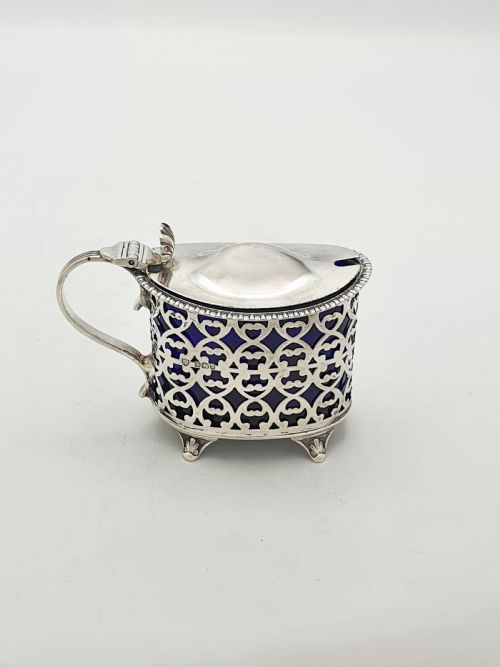


Antique Table Condiment Set
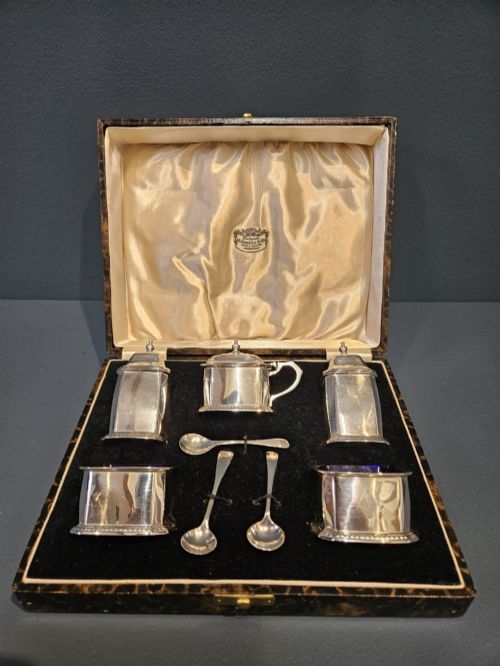
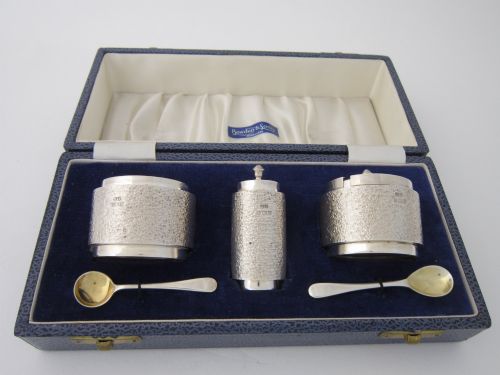
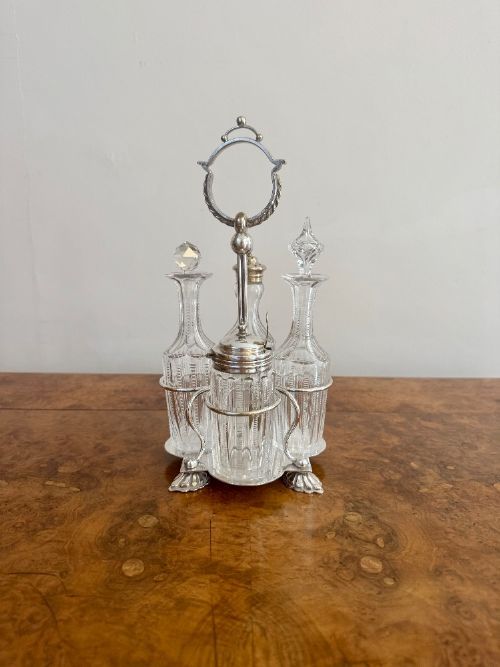
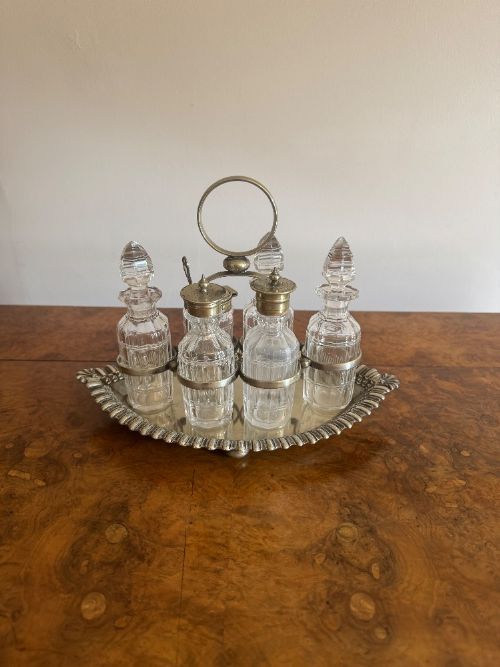
An antique table condiment set brings silver and cut glass together on the dining table to hold salt, pepper, and mustard.
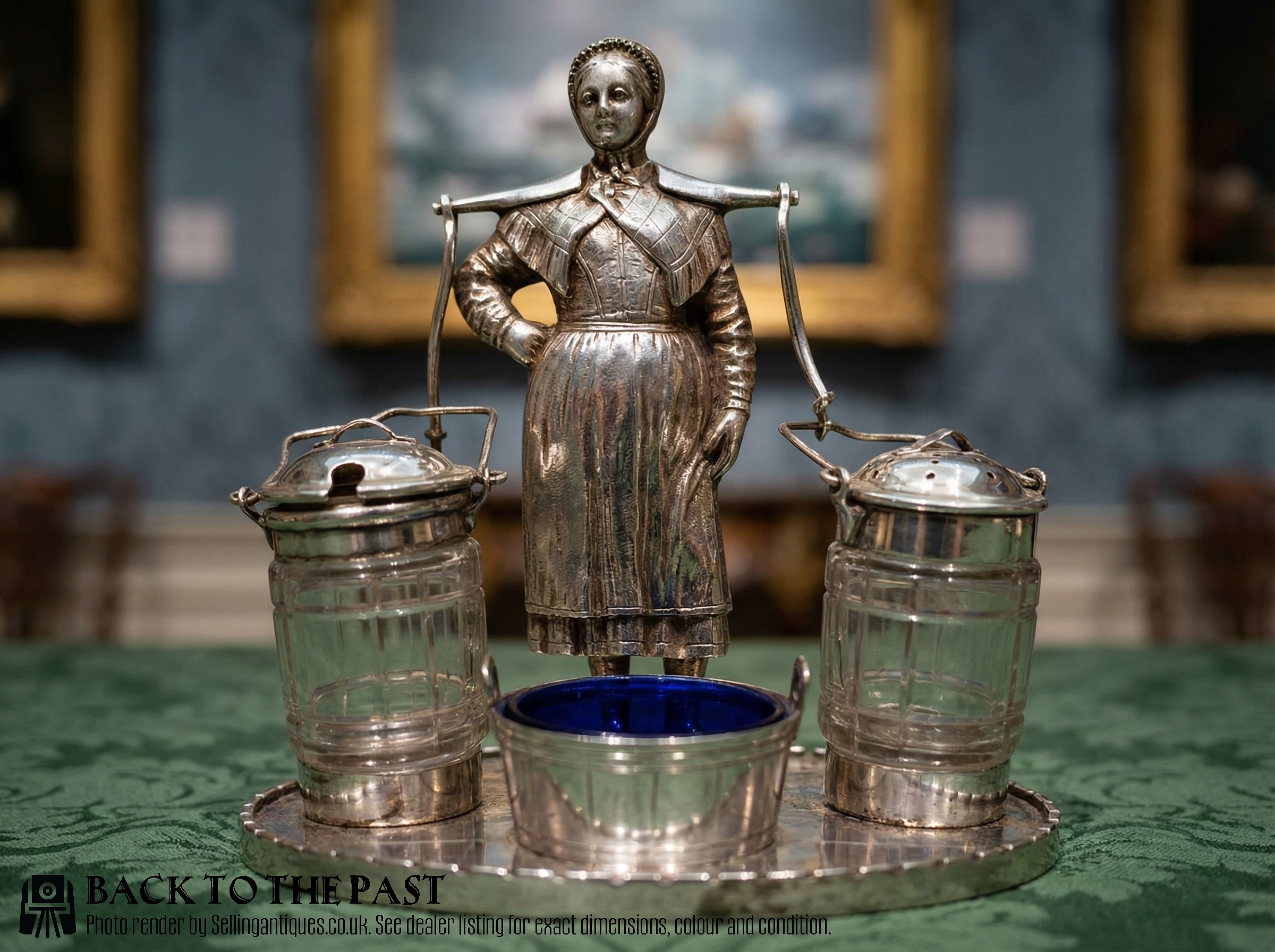
Antique Table Condiment Set
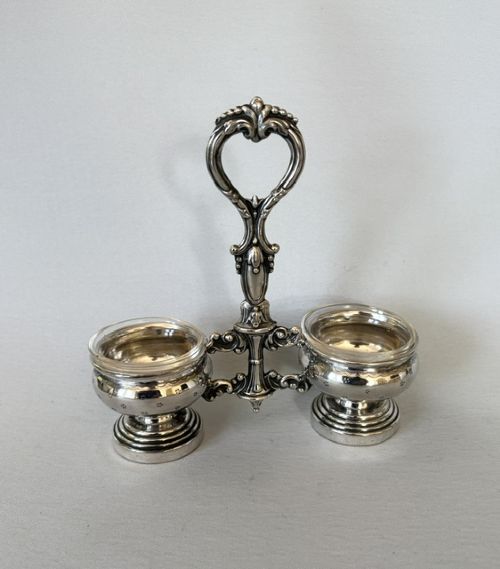
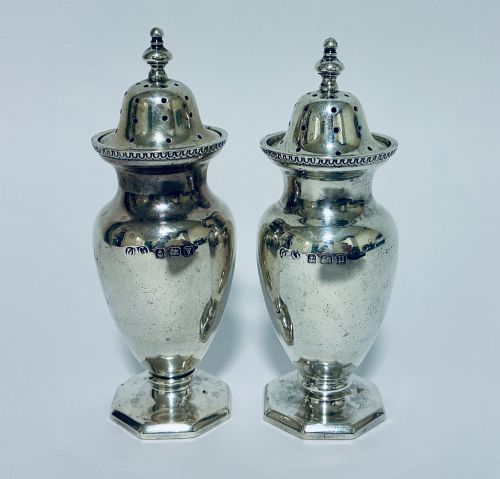
When you search for an antique table condiment set, you encounter cruet sets, multi-bottle stands, individual salt cellars, mustard pots, and pepper casters spanning the Georgian, Victorian, and Edwardian eras. The most frequent pieces on this page are Edwardian silver-plated cruet stands holding multiple glass bottles alongside Victorian sterling silver mustard pots and salt cellars.
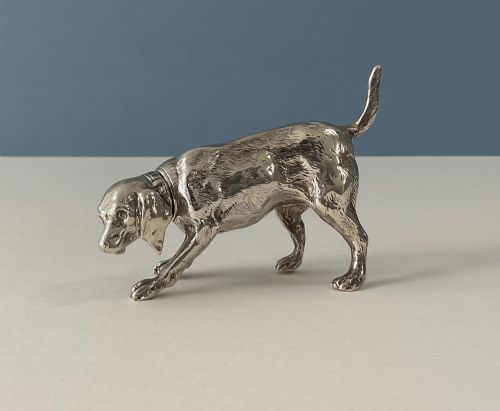
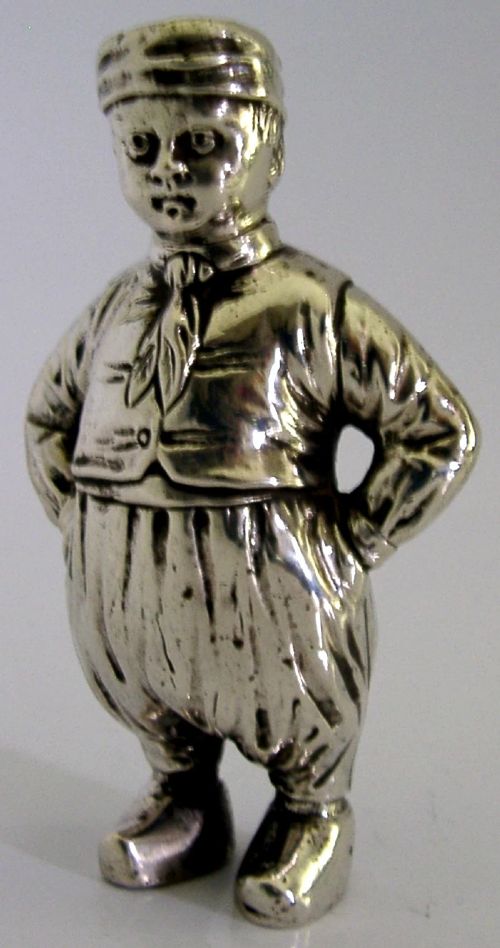
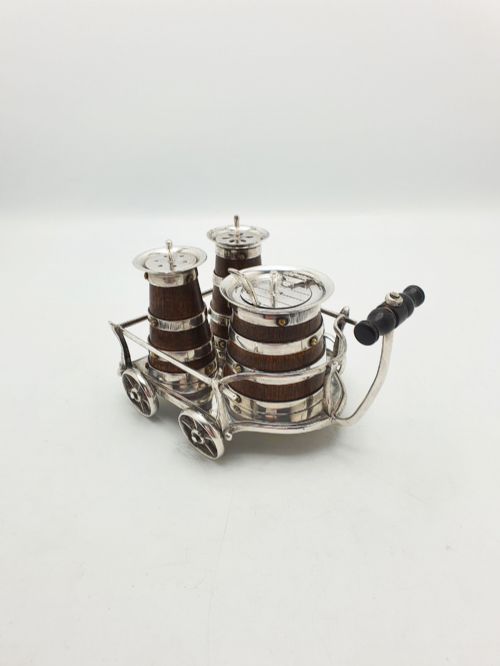
The objects range from small bachelor sets with two or three components to large seven-bottle or eight-piece serving frames designed for formal dining tables. Alongside standard tableware, the selection includes novelty salt and pepper pots shaped like animals, figures, or barrels from the late nineteenth and early twentieth centuries.
Materials and Technique
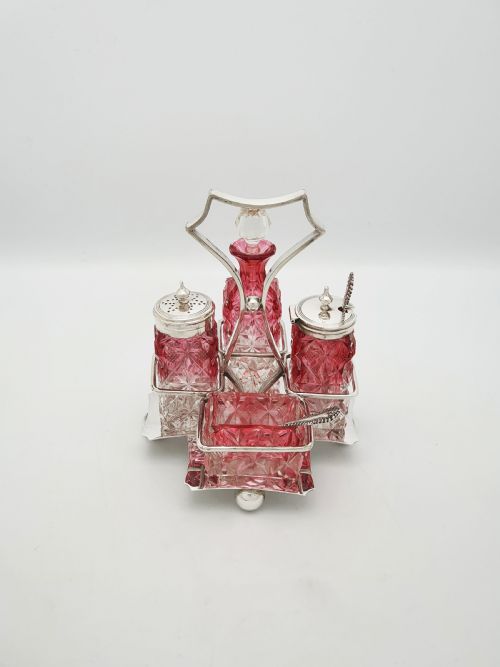
The framework of these condiment sets relies on sterling silver or silver plate combined with turned wood such as oak or walnut, while the containers utilise clear cut glass, cranberry flashed glass, and cobalt glass liners. Metal components are cast, pierced, chased, or plated to create structured frames, handles, and bottle mounts.
Glass elements are heavily cut or moulded to catch the light within silver collars, while removable coloured glass liners provide a secure, contrasting vessel for salt and mustard.
Listings span from the eighteenth century through the Art Deco period, featuring sterling silver, silver plate, and cut glass.
Distinctions in Quality
Quality in an antique table condiment set rests upon the weight and purity of the metal, the crispness of the chasing or piercing, and whether the set retains its original matching glass bottles and liners. Master silversmiths produced balanced frames with substantial gauge silver and fully matched sets of cut glass bottles, whereas simpler utilitarian sets utilised thinner silver plate and replacement glassware.
Goldsmith & Silversmith's·Mappin Brothers·Bateman George III·Hester bateman·Bricks & Sons·Ashbury
The Antique Table Condiment Set Glossary
- Cruet set
- A fitted stand holding glass bottles or jars for condiments, oil, and vinegar at the dining table. These frames often include a central carrying handle.
- Salt cellar
- A small open bowl or vessel used to hold loose salt before the invention of the spring-loaded shaker. They frequently sit upon three feet and contain removable glass liners.
- Mustard pot
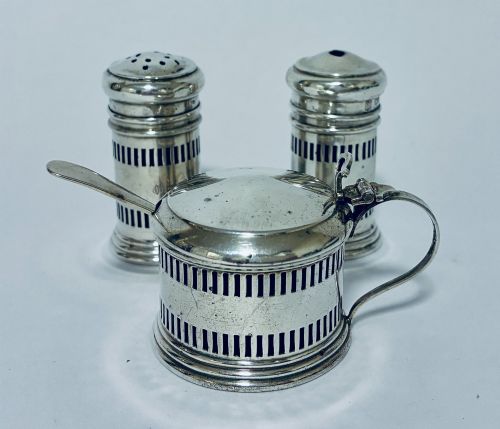
- A small covered jar with a hinged lid and a spoon aperture, designed to serve prepared mustard. They are often lined with blue cobalt glass to protect the metal from vinegar.
- Pepper caster
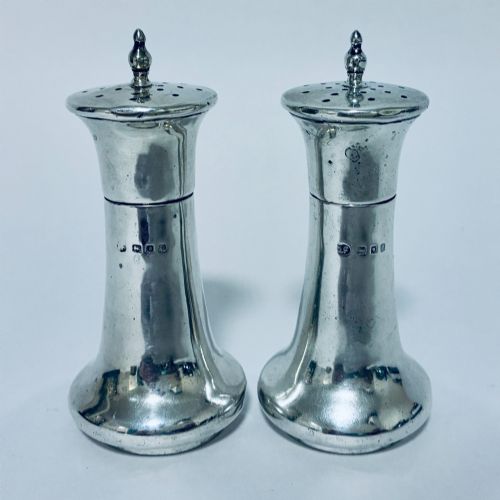
- A small shaker with a pierced dome top for dispensing ground pepper. They appear as part of larger cruet frames or as matched pairs.
- Silver plate
- A base metal, typically copper or white metal, coated with a thin layer of silver. This technique allowed makers to produce elaborate tableware at a lower cost than solid silver.
Antique Table Condiment Set: Frequently Asked Questions
How do I date a silver cruet set?
Dating relies heavily on the style of the silver frame, the shape of the cut glass bottles, and any engraved hallmarks stamped into the metal.
Victorian and Edwardian pieces often display distinct registration marks or maker stamps that pinpoint the exact year of manufacture.
Why do some salt cellars have blue glass?
Cobalt glass liners were inserted into open silver salt cellars to prevent the corrosive nature of salt from pitting and damaging the precious metal underneath.
This vibrant blue glass also provided a pleasing visual contrast against the polished silver framework.
Can I use these sets for everyday dining?
Antique condiment sets function well on modern dining tables for serving salts, peppers, and oils during meals.
Careful hand washing preserves the delicate cut glass and older silver plating against the rigours of modern dishwashers.