


Antique Swivel Glass
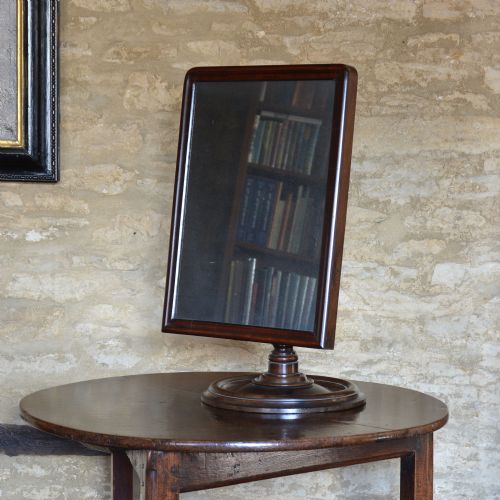
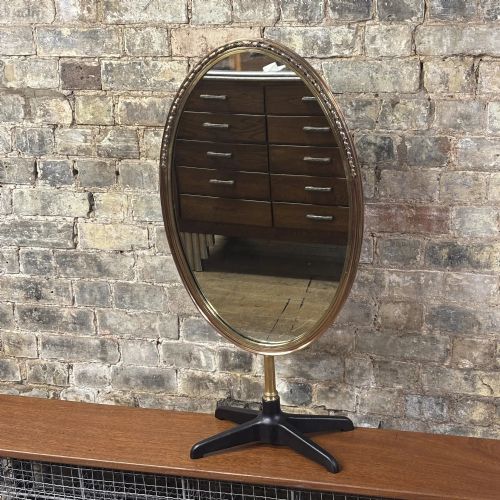
These antique swivel glass pieces are pivoting mirrors designed for the dressing table and the floor, offering a tilting plate that catches the light from any angle.
Antique Swivel Glass
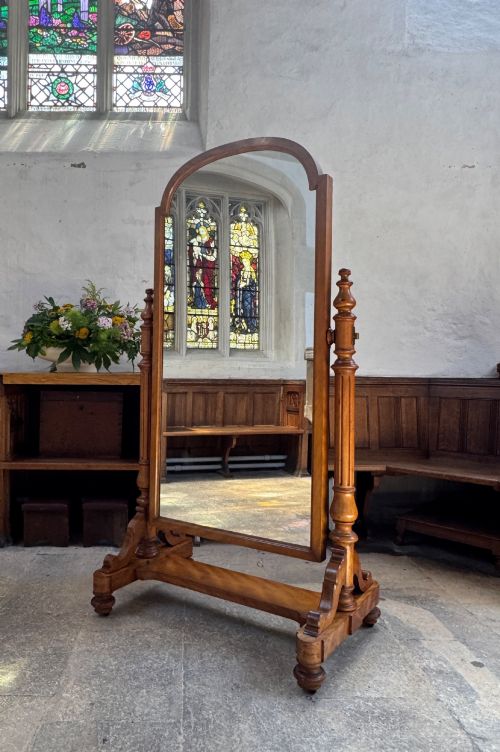
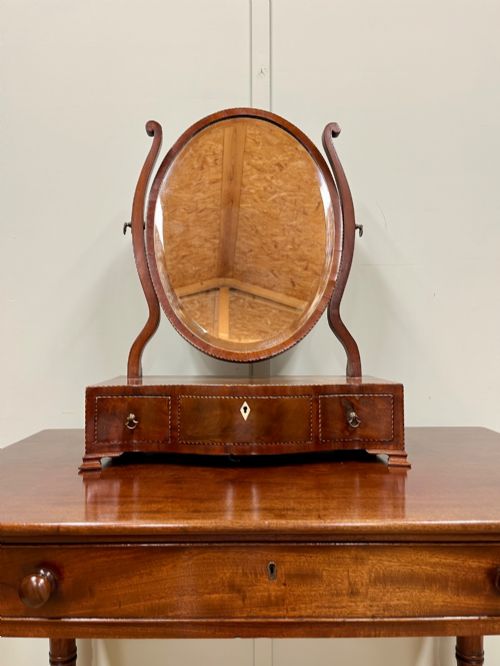
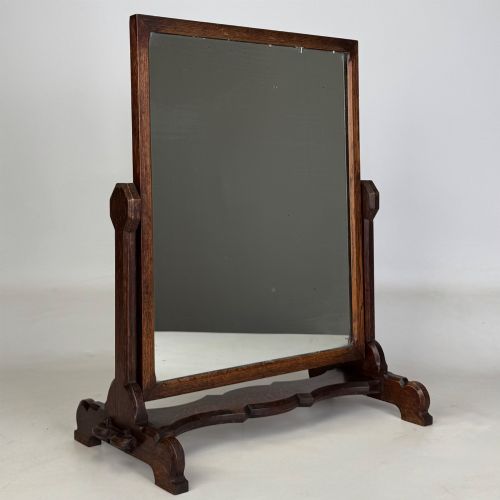
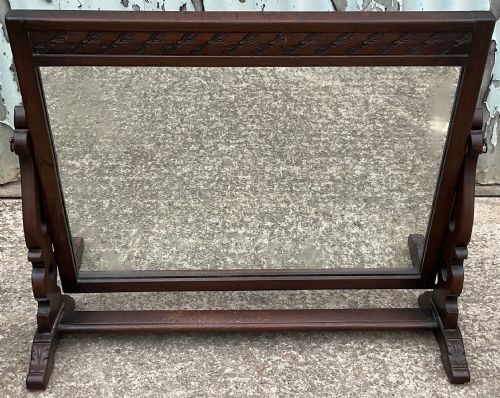
When you search for antique swivel glass, you encounter dressing mirrors, toilet mirrors, and full-length cheval mirrors that pivot between upright supports. These items date from the seventeenth century through to the Edwardian era, with Victorian and Georgian examples appearing most frequently.
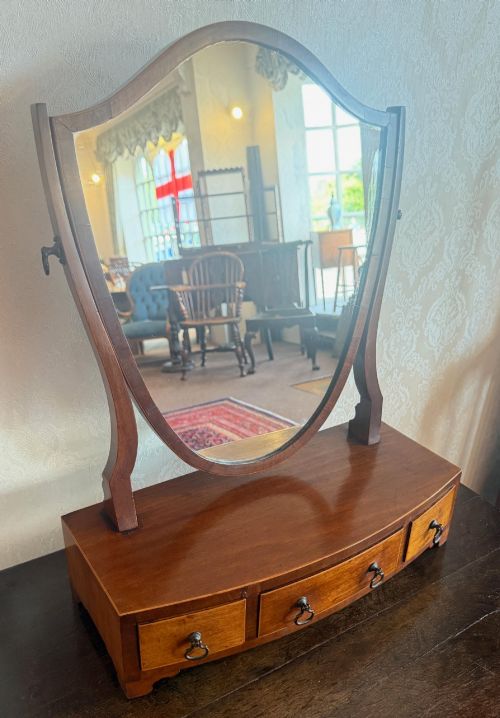
The format ranges from small table mirrors designed to sit upon a chest or dressing table to large floor-standing cheval mirrors meant for the bedroom or dressing room. Many of these pieces feature a swing plate mounted within a frame, held by brass pivots or screw caps that allow the glass to tilt.
Materials and construction
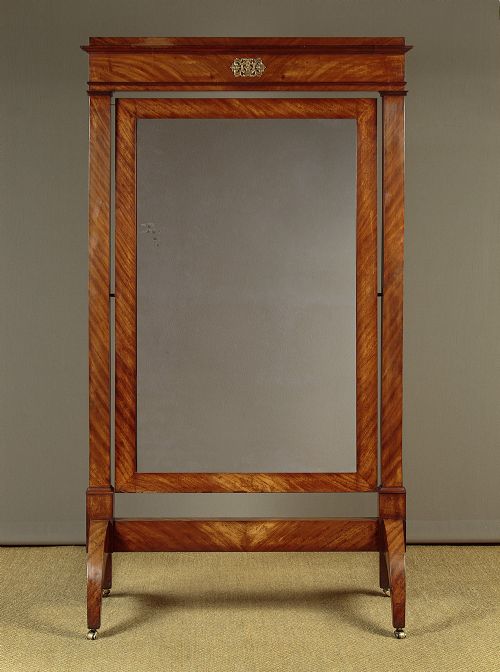
Makers built the frames primarily from solid mahogany, walnut, oak, and satin birch, frequently utilising brass for the pivots, candle sconces, and decorative mounts. Some examples incorporate boxwood stringing, parcel-gilt details, or Dutch marquetry to enrich the wooden surfaces.
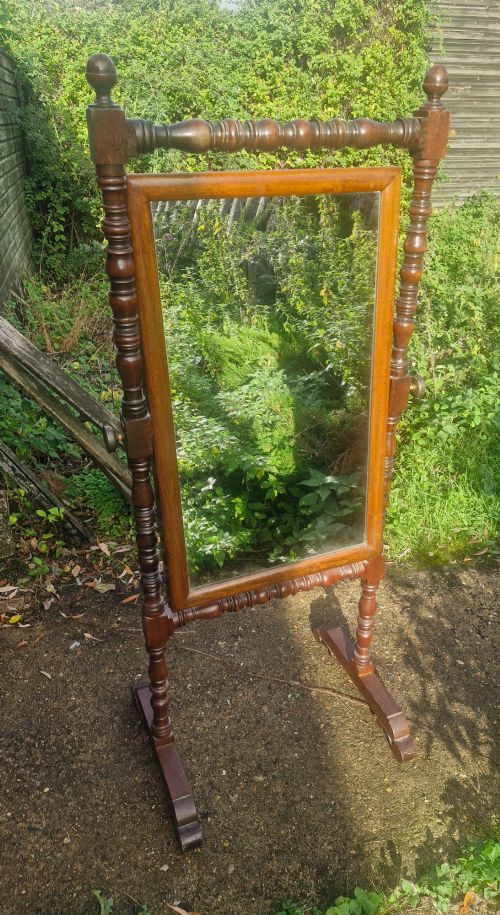
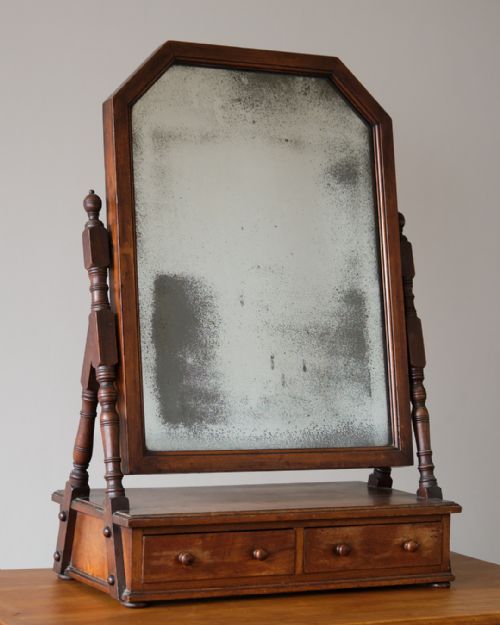
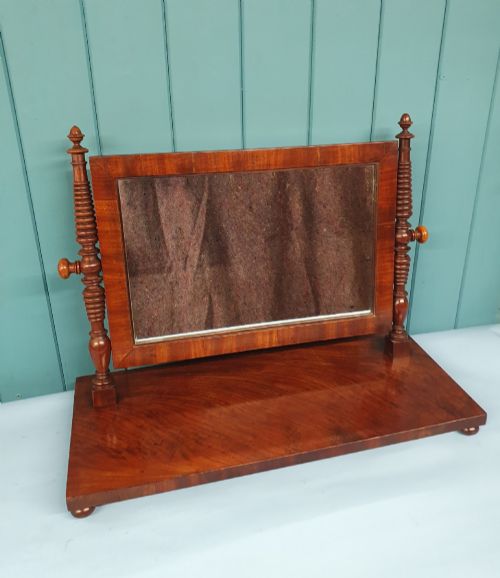
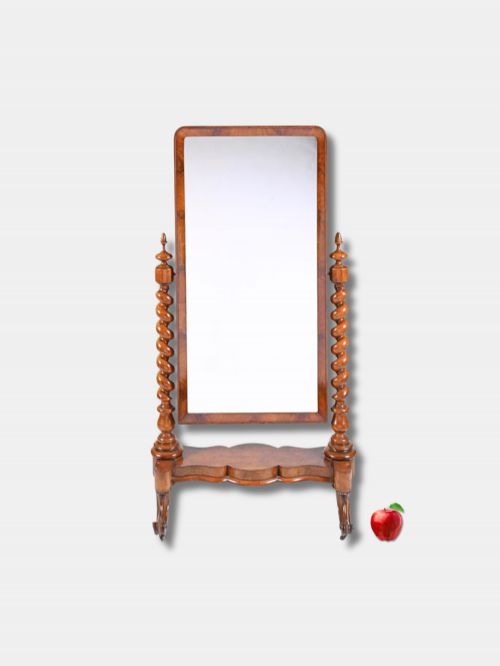
The mirror plates themselves consist of silvered mirror glass, often housed in rectangular or oval frames supported by upright standards, which occasionally feature turned details such as barley twists or incorporate drawers within the base plinth.
Scientific instrument makers occasionally turned their hand to glass, creating optical mirrors that made sure the morning reflection was entirely honest.
Evaluating the standard
Quality rests in the weight of the timber, the crispness of the cabinetwork, and the originality of the mirror plate itself. Superior examples display dense, figured mahogany or walnut with hand-cut dovetails on any integrated drawer construction.
The proportion between the swing frame and the supporting uprights dictates the visual balance of the piece. Refined versions rely on substantial brass hardware and balanced pivoting mechanisms that hold the glass steady at any chosen angle without slipping.
Heal & Sons·Thomas Rubergall
The Antique Swivel Glass Glossary
- Cheval mirror
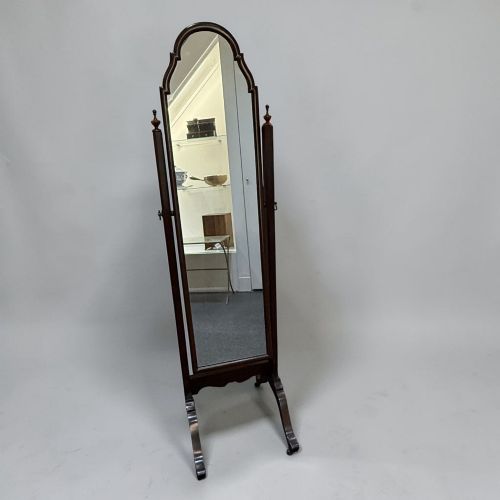
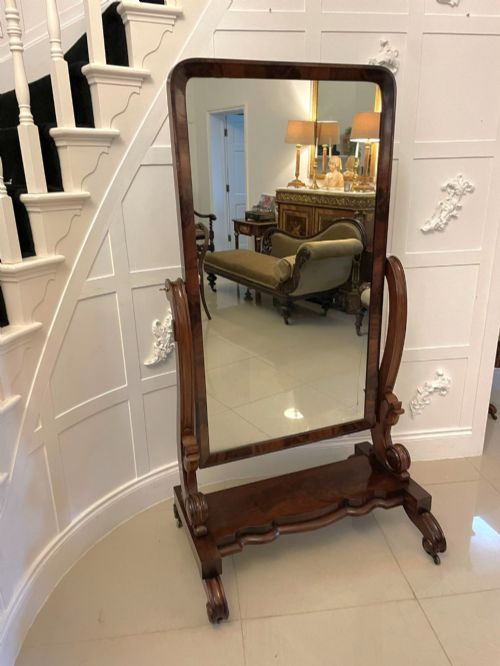
- A large, freestanding floor mirror designed to pivot vertically within a standing frame. It allows a full-length view of the person dressing.
- Toilet mirror
- A smaller mirror designed to sit upon a dressing table or chest of drawers. These often incorporate small box bases fitted with drawers.
- Swing mirror
- An alternative term for any mirror plate mounted on pivots to tilt back and forth. The frame swings between two fixed vertical arms.
- Parcel-gilt
- Partially gilded with gold leaf or paint to highlight specific carved wooden details. This technique is frequently seen on Georgian and George II pieces.
- Barley twist
- A carved spiral column or support shaped like twisted barley sugar. This decorative turning appears on nineteenth-century Victorian frames.
Antique Swivel Glass: Frequently Asked Questions
What is the difference between a cheval mirror and a toilet mirror?
A cheval mirror is a tall, floor-standing piece designed to show the entire figure, resting on its own four legs or a substantial frame.
In contrast, a toilet mirror is a smaller table version meant to sit atop a dressing chest for facial grooming and upper-body reflection.
How do the pivoting mechanisms work?
Most antique swivel glass relies on threaded brass screw caps or pins inserted through the upright supports into the sides of the mirror frame.
Tightening these brass fixtures allows you to adjust the tension so the glass stays tilted at your preferred viewing angle.
Where should I place a swivel mirror in a room?
Table mirrors sit best on top of heavy wooden chests of drawers, sideboards, or dedicated dressing tables where the height brings the glass to eye level.
Freestanding cheval mirrors require floor space near a window to catch natural daylight, making them practical additions to bedrooms and dressing areas.
How can I tell a Georgian mirror from a Victorian one?
Georgian mirrors tend to feature restrained mahogany frames, often with ogee-shaped or oval plates and subtle parcel-gilt accents reflecting earlier classical tastes.
Victorian examples frequently display heavier proportions, satin birch or dark mahogany timbers, and decorative elements like barley twist supports or cast bronze mounts.