
Antique Swiss Watch
An antique swiss watch brings mechanical precision to the wrist or pocket, offering enduring horological craftsmanship from generations past.
The Form and Character of an Antique Swiss Watch
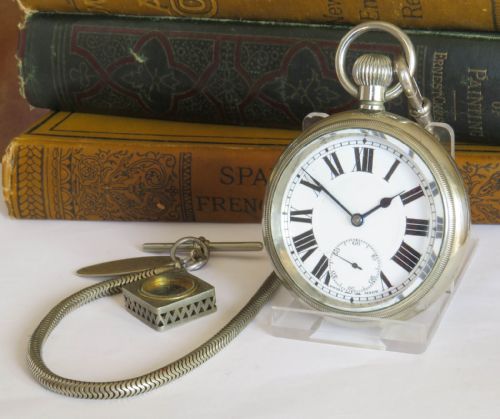
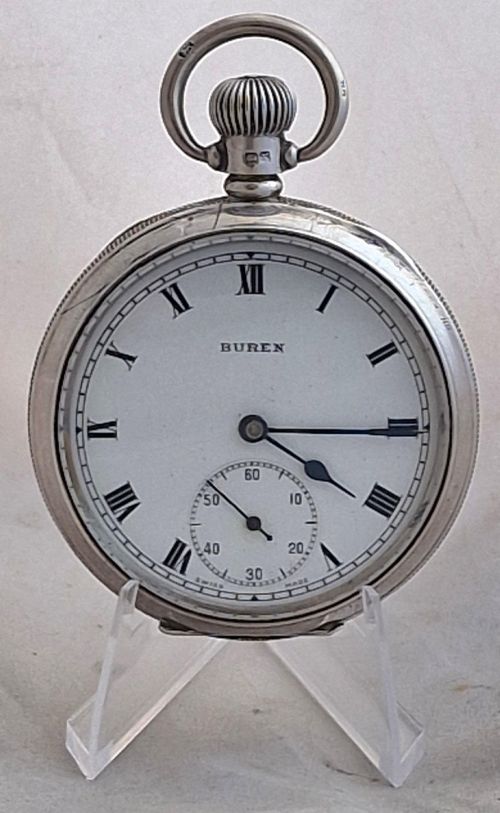
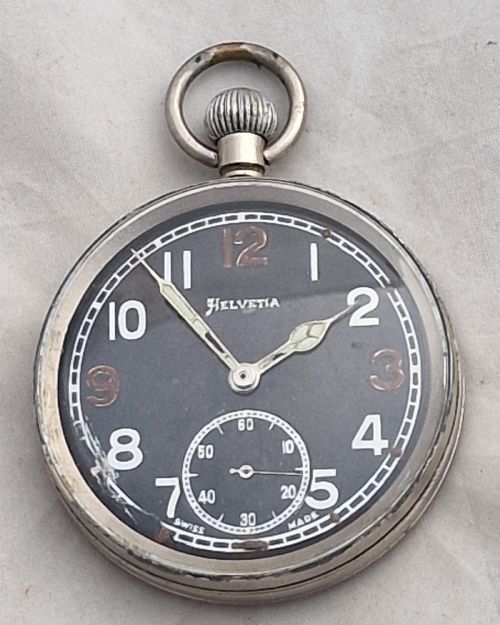
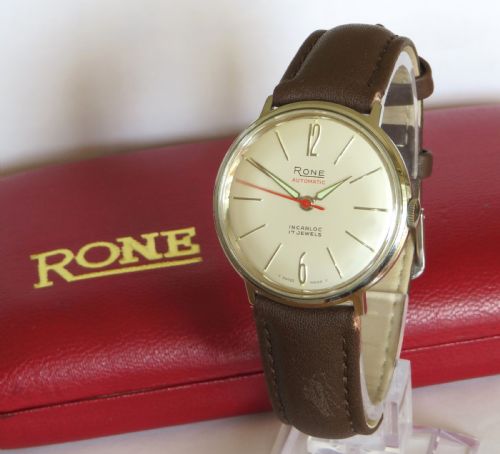
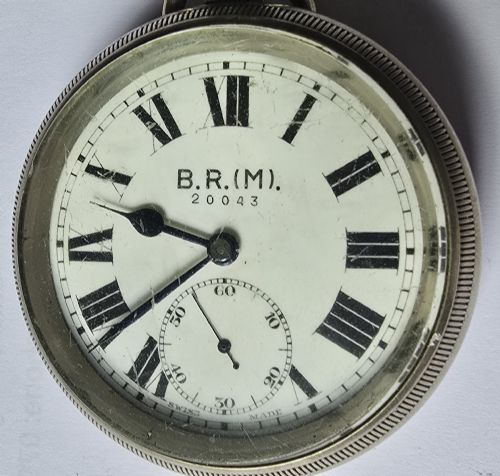
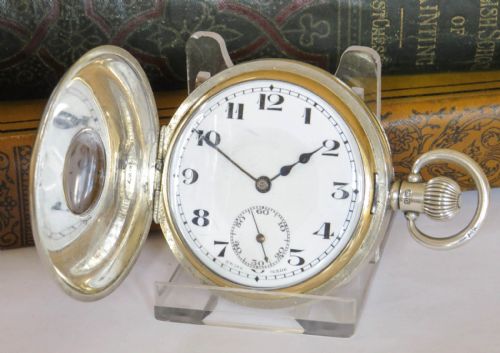
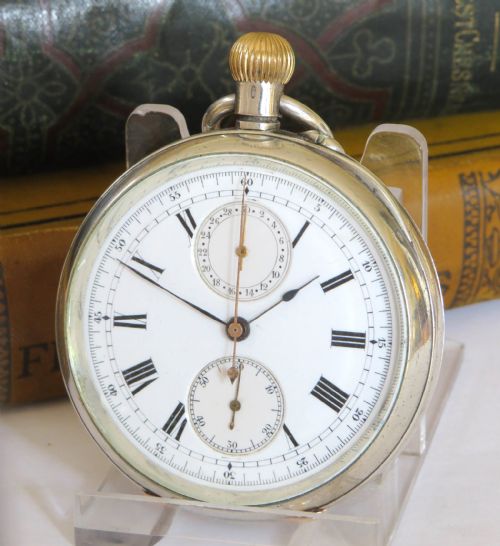
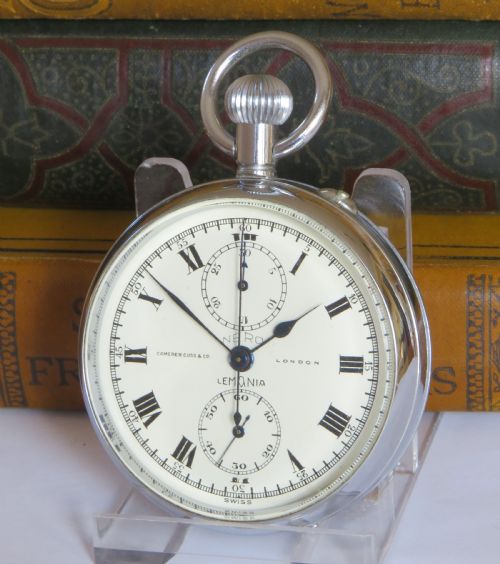
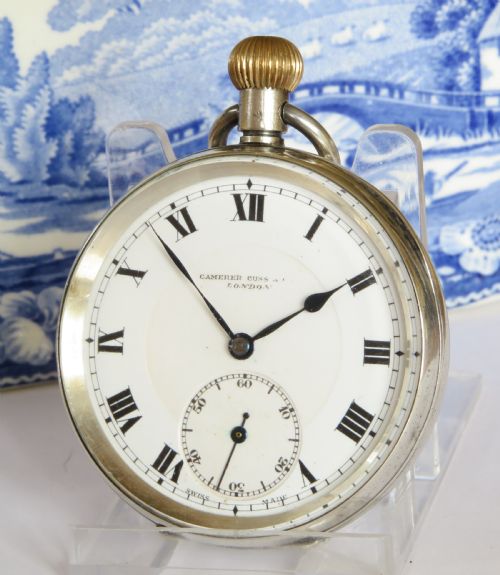
An antique swiss watch encompasses both pocket watches and wristwatches originating from Swiss workshops, spanning periods from the Edwardian era through Art Deco and Mid-Century designs. These timepieces take forms such as open-face pocket watches, full hunter styles with protective metal covers, and ladies or gents wristwatches.
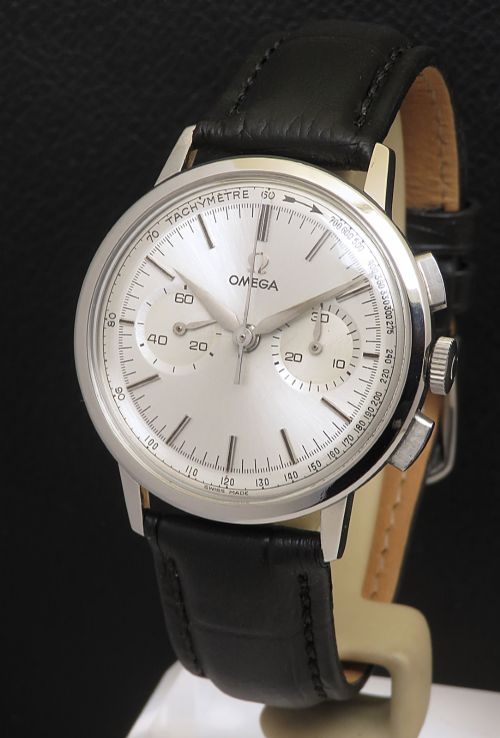
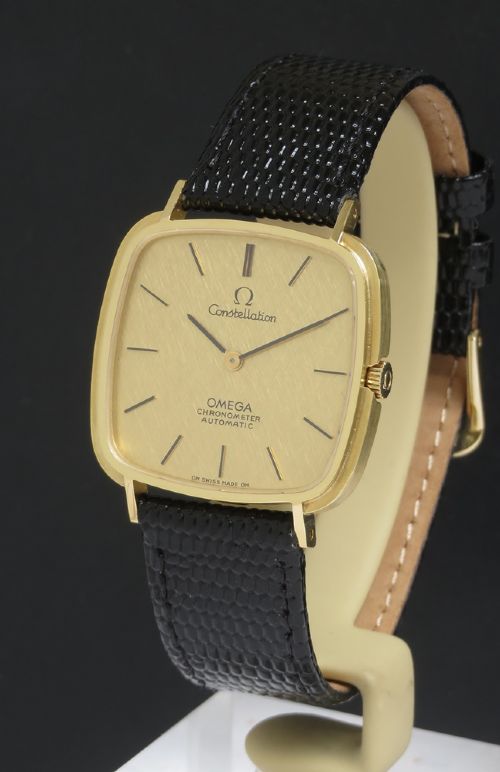
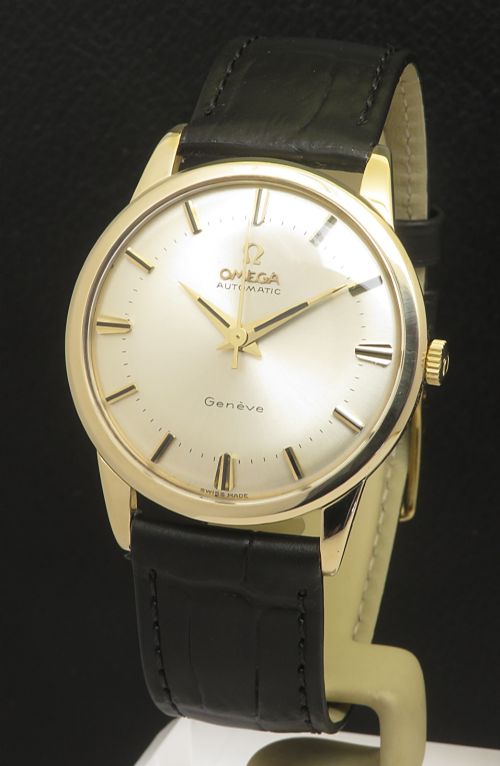
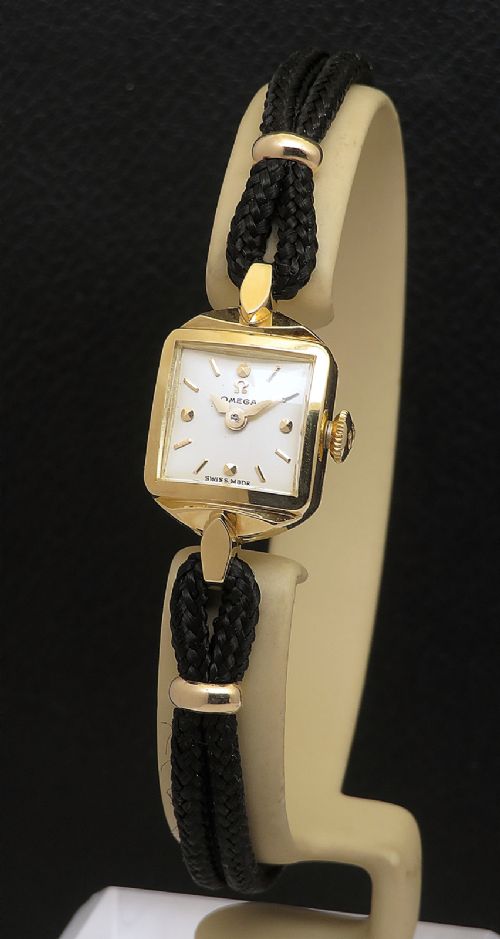
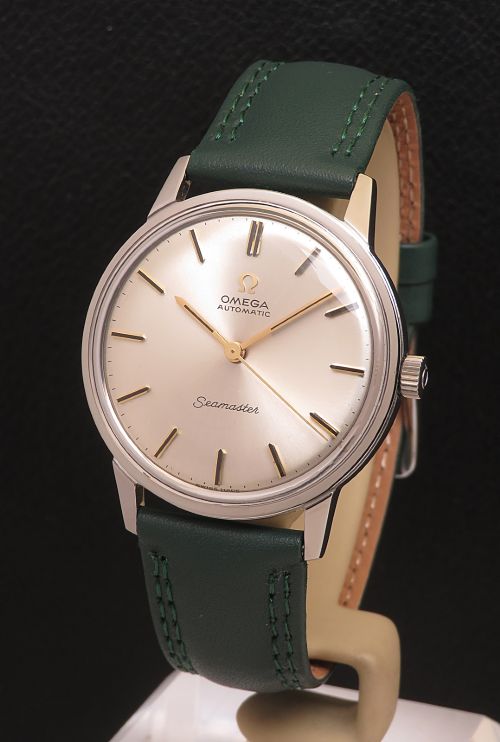
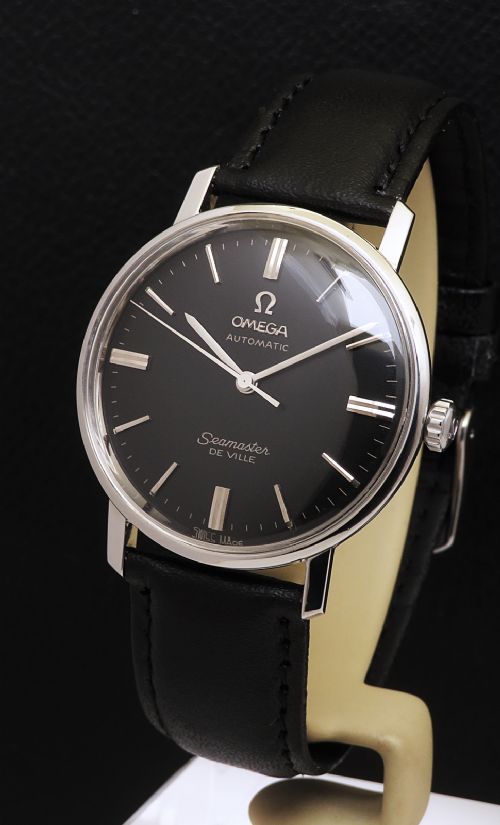
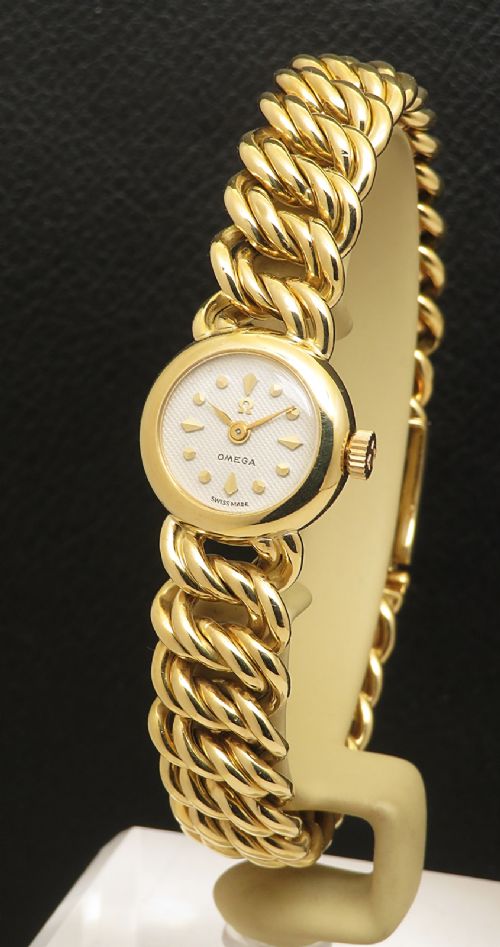
The selections recorded on this page range from early twentieth-century silver and gold-plated pocket watches to automatic gold wristwatches from later decades. Buyers encounter diverse decorative treatments, including engine-turned cases and niello ware finishes, alongside associated chains and fobs.
Materials and Construction
Makers utilise a variety of metals for cases, including stainless steel, gold plate, gold filled, 9ct gold, and 18ct gold, often paired with glass crystals and leather straps. Internal movements incorporate jewelled bearings and decorated mechanisms designed for accurate timekeeping.
Surface decoration involves traditional techniques such as engine turning to create geometric patterns on metal surfaces, as well as enamel work and diamond bezels on specialised pieces.
Retail Price Guide 2026
Typical UK retail prices for swiss watch, calculated from the Sellingantiques database of over a million retail prices indexed since 2003. This retail price guide relies exclusively on Sellingantiques data; no external sources or auction records are used, so the figures do not describe the wider market.
Evaluating Quality and Craftsmanship
Quality in an antique swiss watch lies in the fineness of the movement decoration, the preciousness of the metal case materials such as solid gold rather than plate, and the complexity of the mechanism, such as automatic movements or higher jewel counts. Superior examples exhibit refined dial legibility and crisply executed case engravings.
Condition and completeness also separate pieces, particularly the presence of original chains, fobs, or convertible elements like fob wristwatches that adapt between wearable formats.
Elkington·Marvin·Omega·ALD
The Antique Swiss Watch Glossary
- Full hunter
- A pocket watch featuring a spring-loaded metal cover that protects the dial from scratches and dust. This protective lid opens via a crown-mounted push-piece.
- Engine-turned
- A decorative technique involving precise geometric patterns mechanically engraved into metal case surfaces. This ornamentation enhances both grip and visual appeal.
- Jewel
- A synthetic gemstone bearing used as a low-friction bearing surface for pivot points within a watch movement. Higher jewel counts typically indicate greater mechanical refinement.
- Fob
- A short strap, ribbon, or chain attached to a pocket watch, often adorned with a decorative pendant. It assists in retrieving the watch from a pocket.
Frequently Asked Questions
How do I wind a pocket watch?
Winding depends on whether the watch is key-wound or stem-wound through the crown. Turn the mechanism gently until resistance is felt.
Avoid overwinding, as this can strain the internal mainspring and damage the delicate movement.
Can I wear a vintage watch daily?
Many vintage and antique timepieces remain suitable for regular wear if handled with care. Mechanical movements require gentle winding and protection from moisture.
Frequent servicing by a professional horologist ensures reliable daily operation for older mechanisms.
How do I date an antique watch?
Dating involves examining hallmarks on precious metal cases, serial numbers on the movement, and stylistic clues. Art Deco and Edwardian designs offer distinct visual markers.
Consulting maker records and case hallmarks provides more precise manufacturing eras.