
Antique Swiss Timepiece
An antique swiss timepiece brings precision engineering from the past into daily wear, offering mechanical charm for the wrist or pocket.
Antique Swiss Timepiece
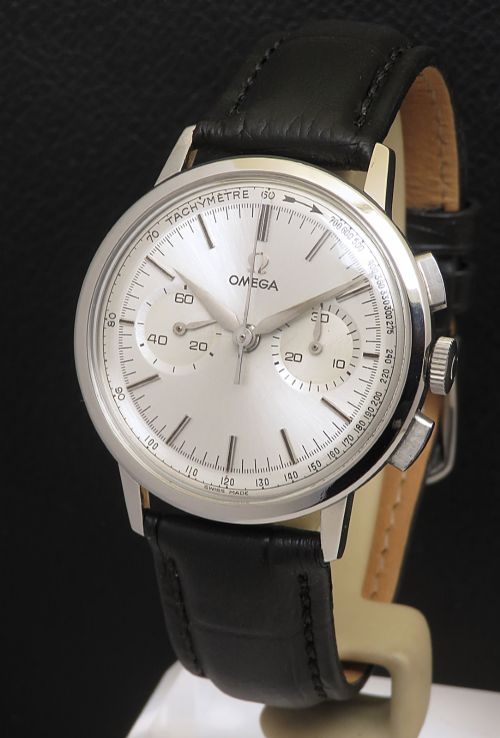
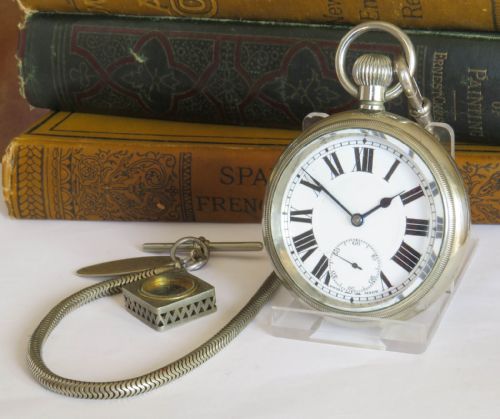
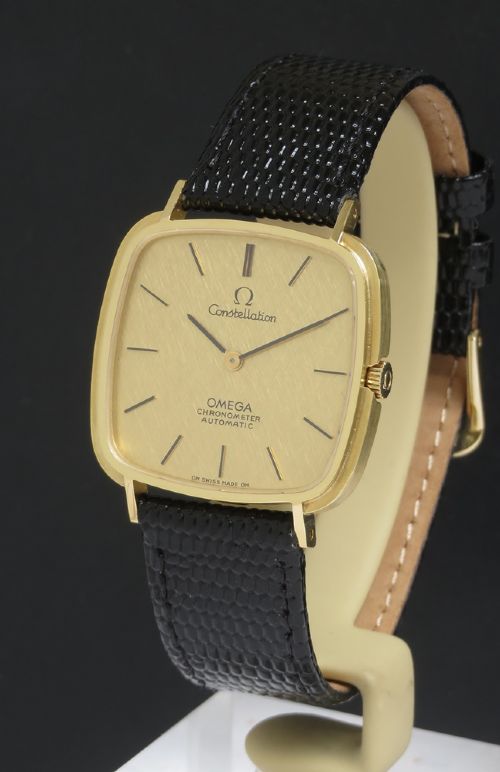
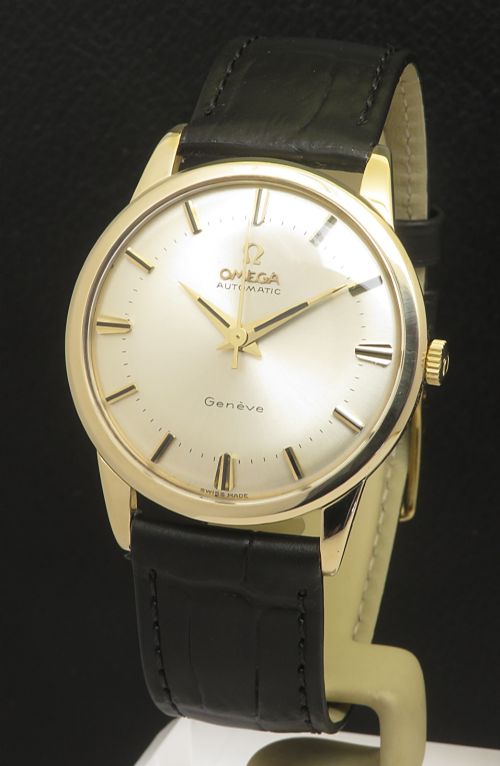
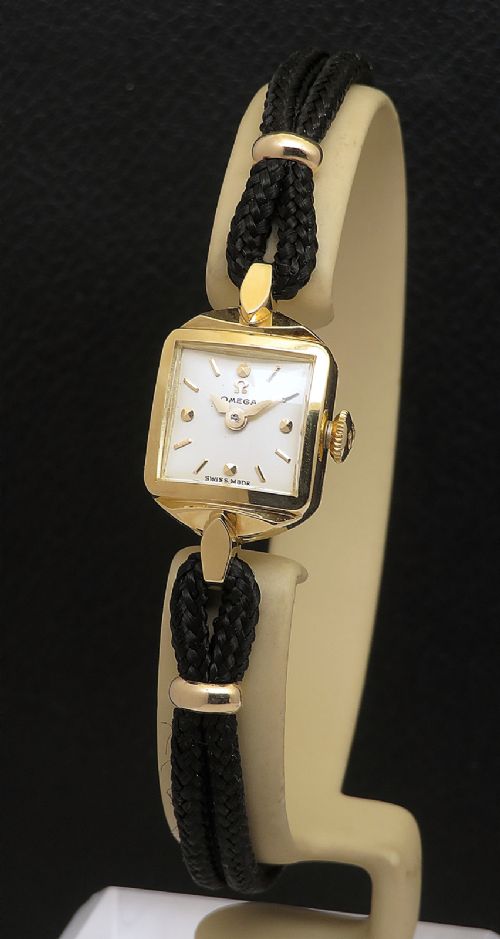
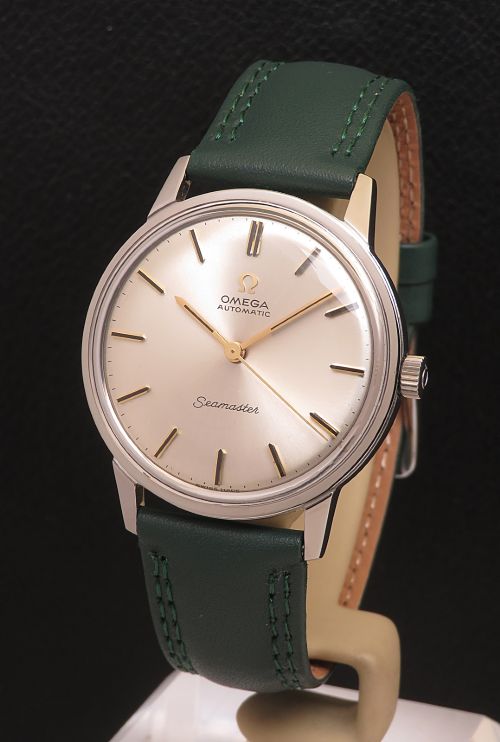
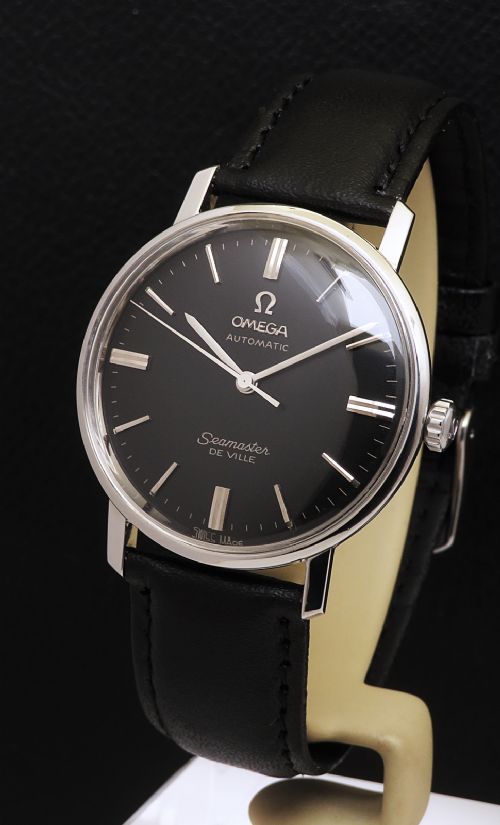
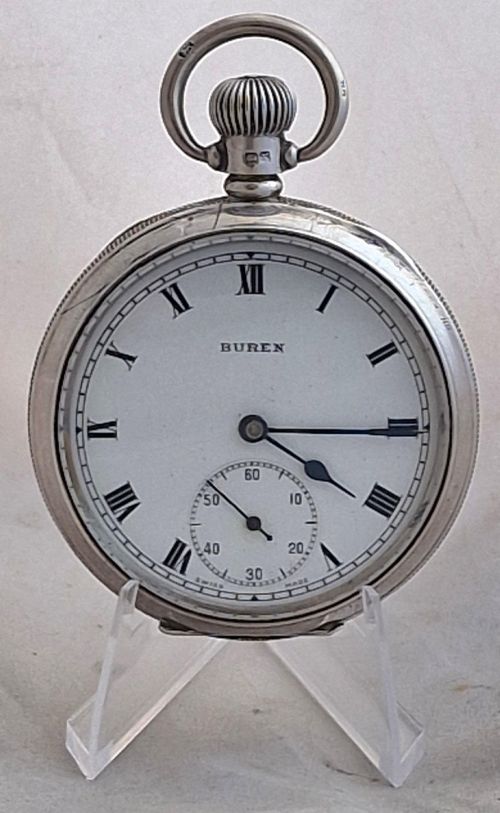
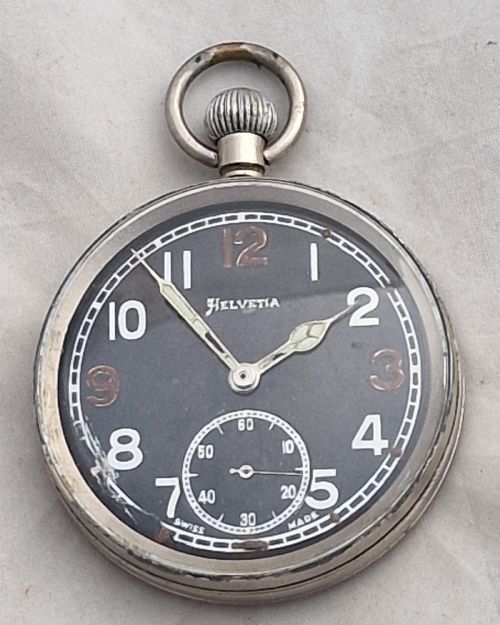
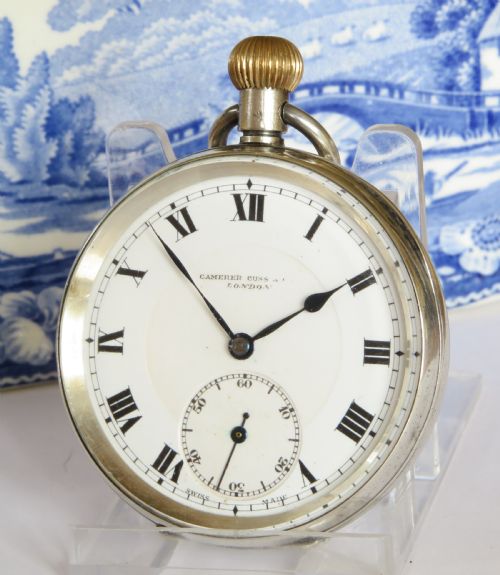
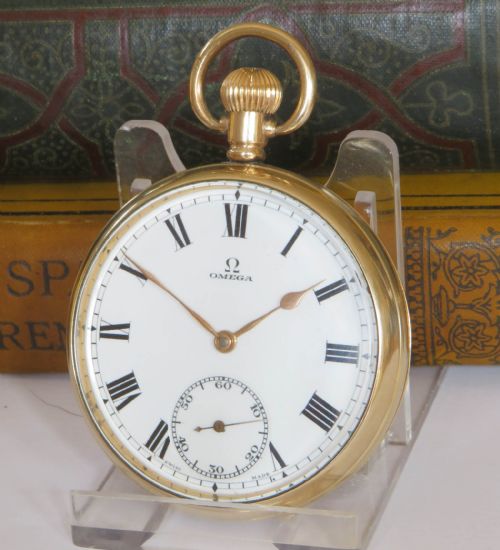
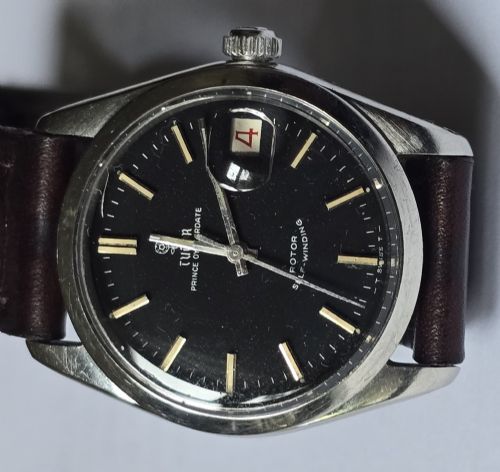
An antique swiss timepiece comprises portable and domestic horology originating from Switzerland, spanning the late Victorian era through the mid-century decades. Pocket watches and wristwatches dominate the selection, alongside occasional carriage clocks and wall clocks.
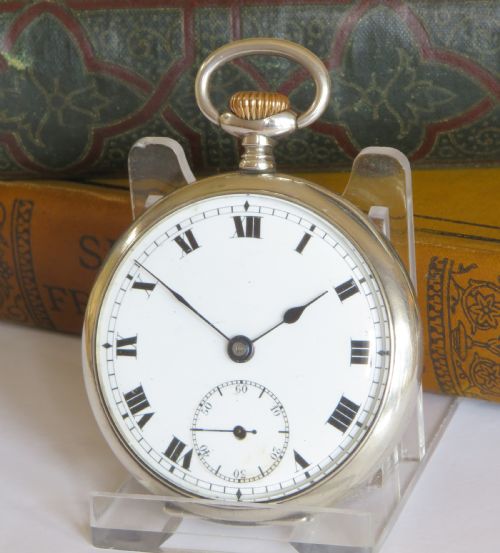
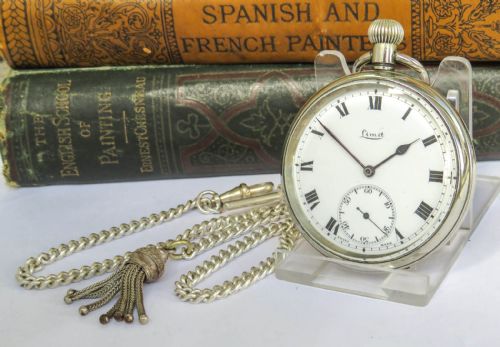
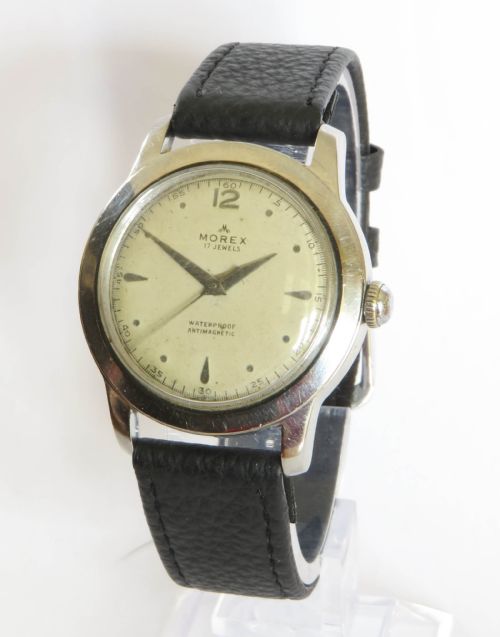
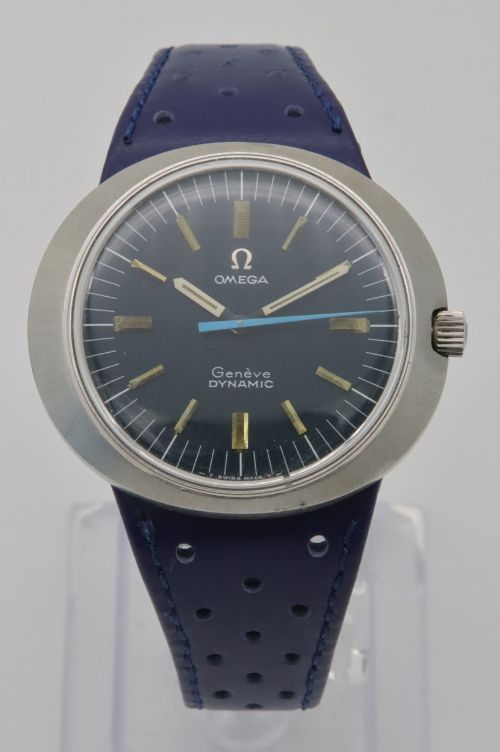
The category encompasses varied forms from open-face pocket watches with subsidiary seconds to robust military wristwatches and automatic dress pieces. Enamelled dials, silver cases, and gold-plated housings are common hallmarks of these Swiss movements.
Materials and construction
Cases utilise metals such as solid silver, brass, stainless steel, and gold plate, paired with protective glass or acrylic crystals over the dial. Leather straps or metal chains frequently accompany these portable instruments.
Internal mechanisms rely on intricate brass gear trains and jewelled lever escapements, sometimes featuring specialised complications like chronographs or eight-day power reserves.
Antique Swiss Timepiece Retail Price Guide 2026
Typical asking prices for swiss timepiece among the pieces listed under this phrase on Sellingantiques today, from the lower quarter to the upper quarter. They describe what is for sale here now, not the wider market.
Materials documented across the catalogue include glass, enamel, leather, silver, stainless steel, gold plate, acrylic, and steel.
Judging quality and execution
Distinction in quality rests upon the sophistication of the movement calibre, the regularity of the beat, and the integrity of the case metals. Finer examples display meticulous finishing on internal bridges and retain crisp dial typography.
The presence of original fitted boxes, matching chains, or specialised military provenance elevates an individual piece above standard commercial production.
Buren·Helvetia·Camerer Cuss·Omega·Record·Limit Revue·Montilier·Cyma·Thomas Russell and Son·Octava·Eterna·Tavannes·Festina·Gruen·Longines·Stauffer·DeRe·Craftsman·Bulova·Kays·Venus·Vertex
The Antique Swiss Timepiece Glossary
- Calibre
- The specific internal design and manufacture number of a watch movement. It helps identify the exact series produced by the maker.
- Full hunter
- A pocket watch featuring a spring-loaded metal outer cover that protects the glass dial. Depressing the crown pops the lid open.
- Chronograph
- A watch equipped with a start-and-stop mechanism that measures elapsed time independently of the main timekeeping hands.
- Subsidiary seconds
- A small dial separate from the main hour and minute hands that tracks seconds. It sits typically near the lower edge of the watch face.
Antique Swiss Timepiece: Frequently Asked Questions
How do I wind a mechanical pocket watch?
Gently rotate the crown clockwise between your thumb and forefinger until you feel a firm resistance. Stop immediately to avoid over-winding and damaging the mainspring.
For key-wound models, insert the matching key into the designated square on the dial or back plate and turn it carefully.
What is the difference between manual wind and automatic?
Manual wind watches require a daily turn of the crown to store energy in the mainspring. Without this manual action, the movement eventually stops.
Automatic models contain an internal weighted rotor that spins with the natural motion of the wrist, winding the mainspring continuously while worn.
Can I wear a vintage wristwatch every day?
Many vintage wristwatches function reliably for daily wear if treated with care. However, older seals rarely offer modern water resistance.
Keep them away from moisture, magnetic fields, and heavy impacts to preserve the delicate internal components.
How do I read a serial number on a movement?
Serial numbers are engraved directly onto the brass movement plates rather than the exterior case. Cross-referencing these numbers with maker archives provides an approximate production year.