

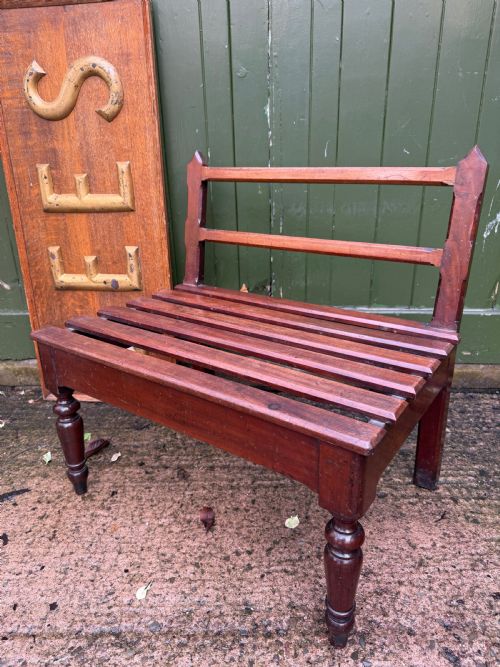


Antique Suitcase Bench
An antique suitcase bench brings sturdy timber framework and folding slatted tops into modern hallways, offering practical seating paired with historic utility.
Antique Suitcase Bench
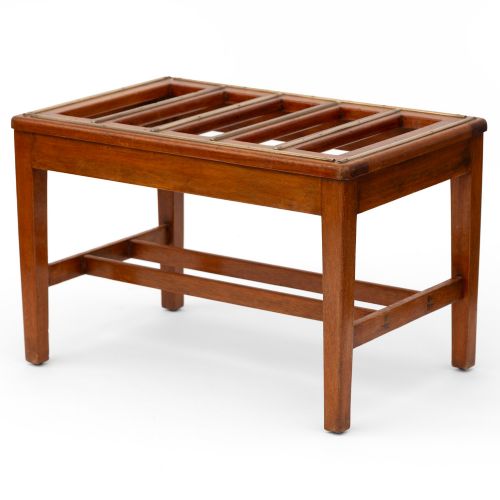
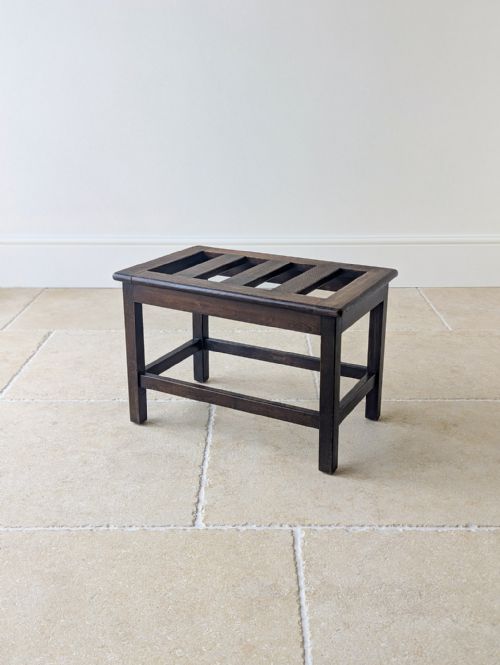
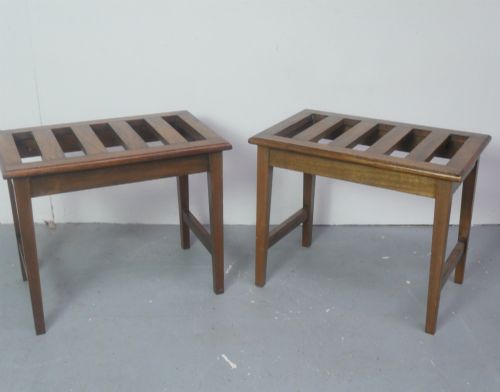
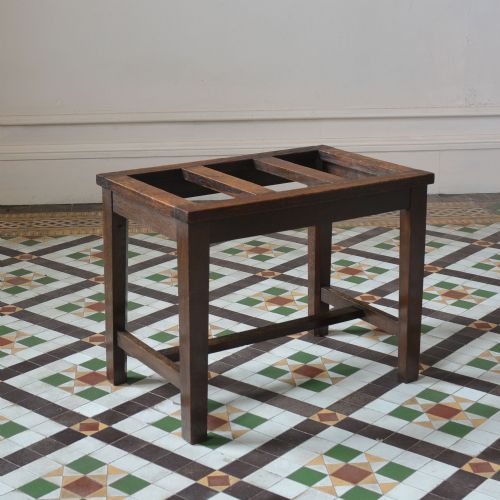
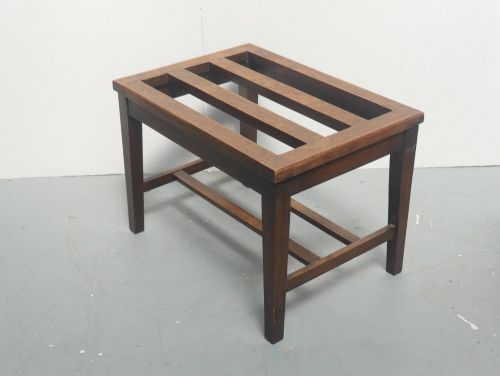
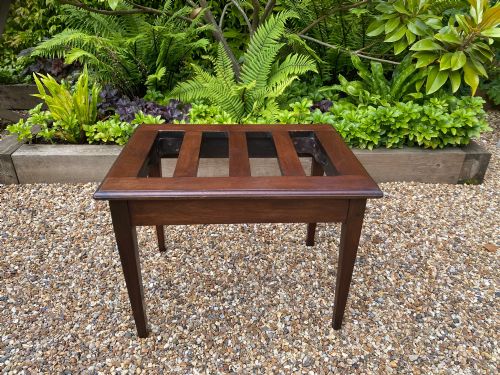
An antique suitcase bench, appearing in records as a luggage stand, luggage rack, or luggage stand, represents a specific piece of utilitarian furniture designed for holding travel trunks at a convenient height.
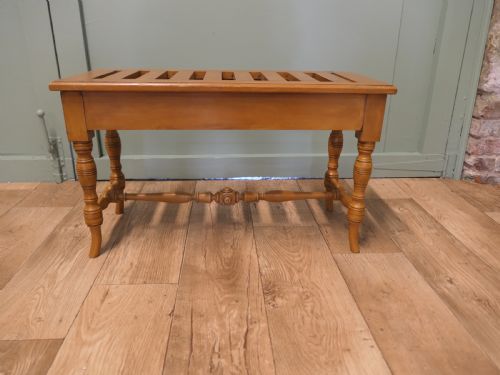
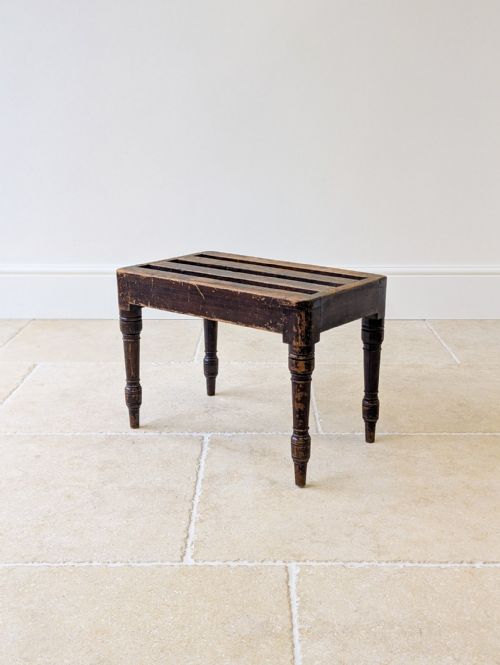
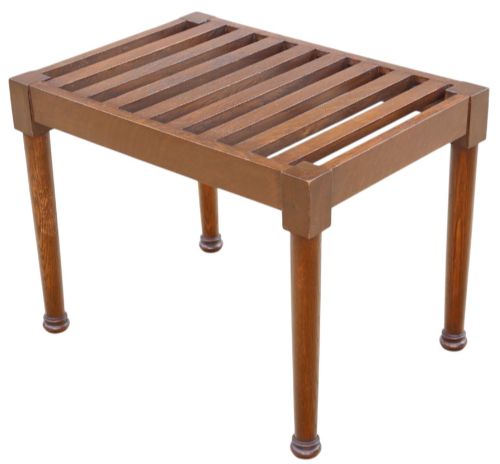
The pieces appearing on this page span from Victorian and Edwardian eras into the early twentieth century, taking the form of low wooden stands with slatted surfaces.
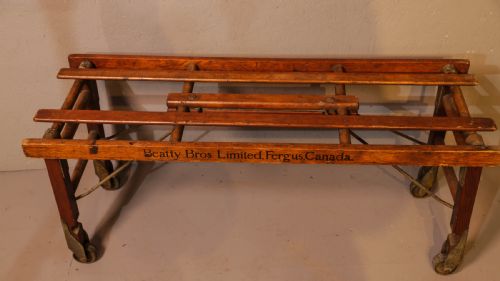
Makers ranged from Canadian manufacturers like Beatty Bros Fergus to London retailers such as Waring & Gillow, alongside substantial hotel pieces and country house editions.
Materials and construction methods
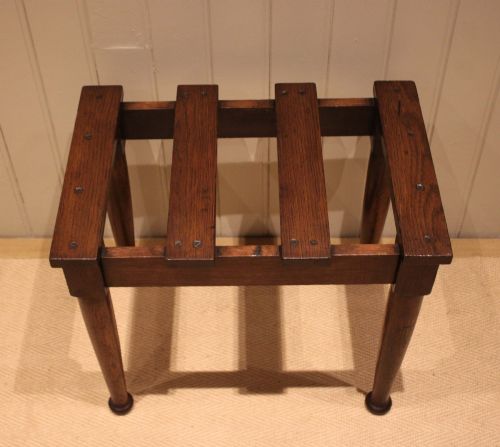
Carpenters utilised dense hardwoods including oak, mahogany, walnut, beech, ash, yew wood, and painted pine to build frames capable of supporting heavy leather luggage.
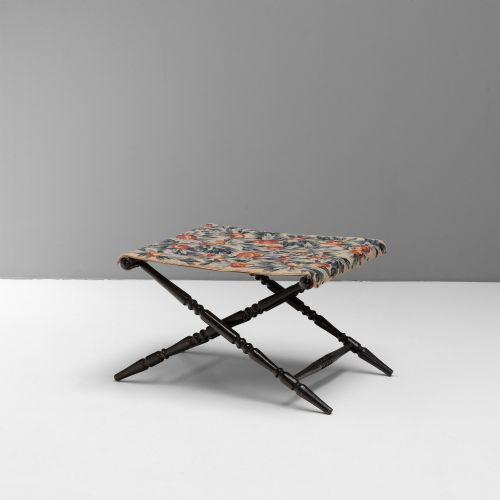
Many examples incorporate brass or iron hardware, such as folding hinges and corner brackets, allowing the stands to collapse flat when not in use.
Details range from simple turned legs to carved oak decoration and raised rear upstands designed to prevent bags from sliding against wallpaper.
A sturdy hotel survivor once hauled transatlantic steamship trunks; now it quietly holds your slippers.
Assessing quality in luggage stands
Quality rests upon the choice of timber and the structural integrity of the folding mechanism, with dense hardwoods like walnut and mahogany commanding attention.
Refined pieces display maker stamps, such as those by Brown & Lamont or Waring & Gillow, marking them out from anonymous commercial hotel furniture.
Proportions also dictate distinction, moving from standard bedroom stands to deep country-house editions with raked rear supports.
Beatty Bros Fergus·Brown & Lamont·Waring & Gillow
The Antique Suitcase Bench Glossary
- Luggage stand
- A low wooden bench fitted with webbing or slats, historically placed in guest bedrooms for unpacking trunks. These items double as compact seating or hallway shoe benches today.
- Upstand
- A raised barrier at the rear of a stand. This feature prevents luggage or garments from rubbing against the wall behind.
- Webbing
- Strong woven material stretched across the top frame of a rack. It provides flexible support for bags without scratching leather surfaces.
- Slatted top
- A surface formed of parallel wooden laths rather than solid board. This construction keeps the frame lightweight and portable.
Antique Suitcase Bench: Frequently Asked Questions
What is an antique suitcase bench used for today?
These versatile stands serve well at the foot of a bed for spare blankets or in an entrance hall for sitting while putting on shoes.
Their compact footprint and folding design also make them useful for holding trays or displaying books in smaller living spaces.
How do I identify a Victorian luggage stand?
Victorian examples often feature heavier timbers like mahogany, ash, or beech with turned legs and robust brass hardware.
Maker stamps or retailer labels tucked beneath the rails can also help confirm the nineteenth-century origin.
Are Edwardian luggage racks sturdy?
Edwardian versions were built to support heavy canvas and leather steamer trunks belonging to travellers of the period.
Solid oak and walnut construction ensures the frames remain robust enough for daily domestic seating or luggage placement.
What woods were commonly used for luggage stands?
Cabinetmakers turned primarily to native and imported hardwoods including oak, mahogany, walnut, ash, and beech.
Unusual timber choices such as yew wood and painted pine also appear occasionally among surviving examples.