



Antique Style Wristwatch
An antique style wristwatch brings tangible mid-century character to the wrist, offering dependable mechanical timekeeping wrapped in authentic period design.
Antique Style Wristwatch
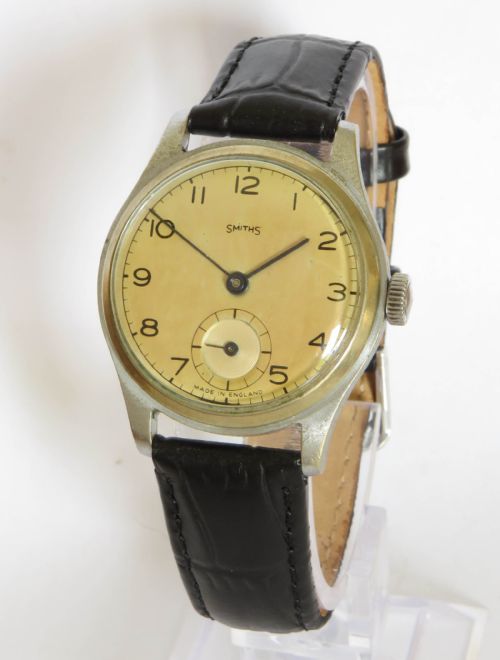
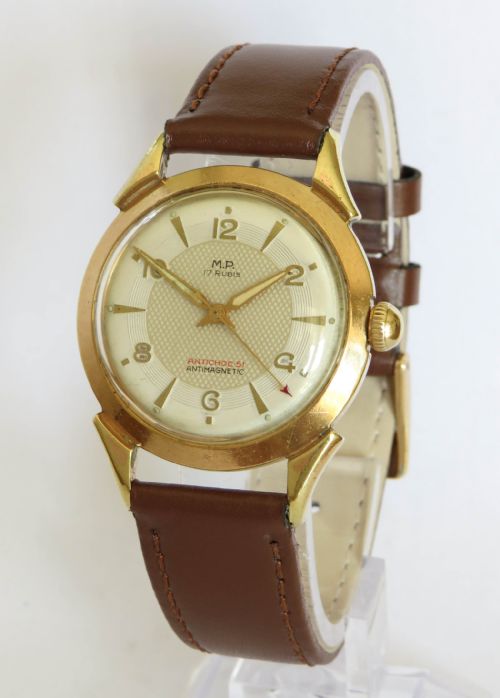
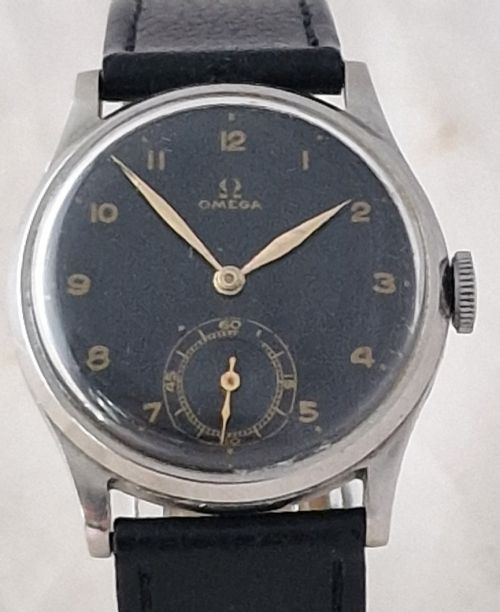
An antique style wristwatch encompasses mechanical timepieces originating from the 1930s, 1940s, and 1950s, bridging early twentieth-century form and practical utility. These pieces include gents and ladies wristwatches, chronographs, and tank style designs that reflect the predominant aesthetic of their respective decades.
The selections encountered here frequently display distinct design influences such as Art Deco geometry, 1940s utility and military specifications, and mid-century British or modern styles. Makers range from established Swiss houses like Omega and Eterna to British firms like Smiths and American manufacturers like Elgin.
Material choices define the visual weight of these watches, spanning precious metals like platinum and gold plate alongside stainless steel, chrome, and silver. Leather straps and glass or acrylic crystals complete the assembly, accompanied occasionally by enamel dials or diamond settings.
How they were made
Construction relies on mechanical movements housed within cases shaped from stainless steel, silver, chrome, or gold plate, with platinum reserved for high-end ladies pieces alongside diamond pavé settings. Dials frequently incorporate enamel work, while watch faces are protected by clear glass or acrylic crystals.
Straps utilise durable leather tailored to the fixed or mobile lug configurations of the period. Metal cases are engineered to house manual-wind movements, sometimes incorporating specialised dust-proof or waterproof hermetic seals.
Antique Style Wristwatch Retail Price Guide 2026
Typical asking prices for style wristwatch among the pieces listed under this phrase on Sellingantiques today, from the lower quarter to the upper quarter. They describe what is for sale here now, not the wider market.
Some mid-century gents watches managed to survive decades of use while retaining their original leather straps and untouched dials.
What varies in quality
Distinctions in quality rest upon the caliber of the movement and the preciousness of the casing materials, moving from utilitarian chrome and stainless steel up to solid platinum and gold plate set with diamonds. The presence of recognised maker signatures, such as Omega, Eterna, or Elgin, elevates the standing of a piece.
The integrity of the dial and the preservation of original case lines determine the visual success of the watch. Refined touches like enamel dials or sophisticated chronograph complications separate standard daily wear timepieces from exceptional collector examples.
Eterna·Omega·Smiths·Elgin
The Antique Style Wristwatch Glossary
- Chronograph
- A watch equipped with a stopwatch function alongside normal timekeeping. This complication requires additional sub-dials and pusher mechanisms on the case.
- Tank style
- A rectangular watch case design inspired by First World War military tanks, featuring parallel vertical brancards that integrate the strap lugs. This geometry typifies Art Deco aesthetics.
- Hermetic
- A case construction designed to seal the movement against dust and moisture. These pieces often feature an inner and outer case arrangement.
- Manual-wind
- A mechanical movement powered by hand rotation of the crown rather than an automatic rotor. The wearer must wind the mainspring periodically to maintain operation.
Antique Style Wristwatch: Frequently Asked Questions
How do I wind a manual watch?
Rotate the crown clockwise between your thumb and forefinger until slight resistance is felt. Stop immediately to avoid over tensioning the mainspring.
Perform this action at a consistent time each day to maintain steady operation of the movement.
Are these watches waterproof?
Historical timepieces generally lack modern waterproofing standards, even when described as hermetic or utility designs. Moisture can easily compromise vintage seals and damage the delicate internal movement.
Keep the watch away from water, rain, and high humidity environments during everyday wear.
How do I date a vintage watch?
Dating relies on stylistic markers such as dial typography, case geometry, and lug construction characteristic of the 1930s, 1940s, or 1950s. Engravings or movement serial numbers provide further chronological evidence.
Comparing these details against known production periods of makers like Omega or Smiths secures the timeframe.