
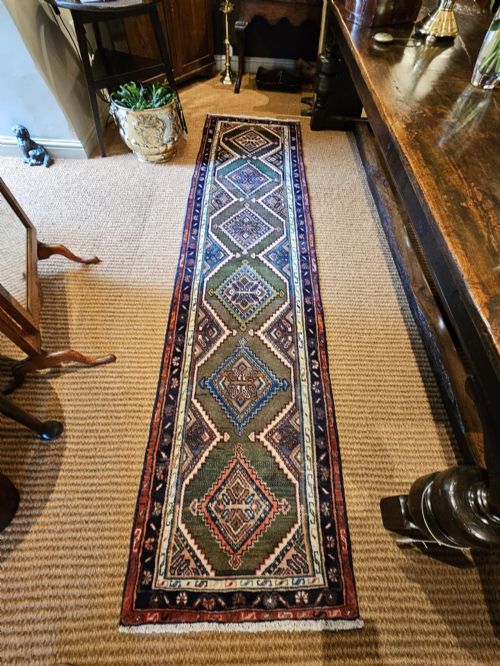

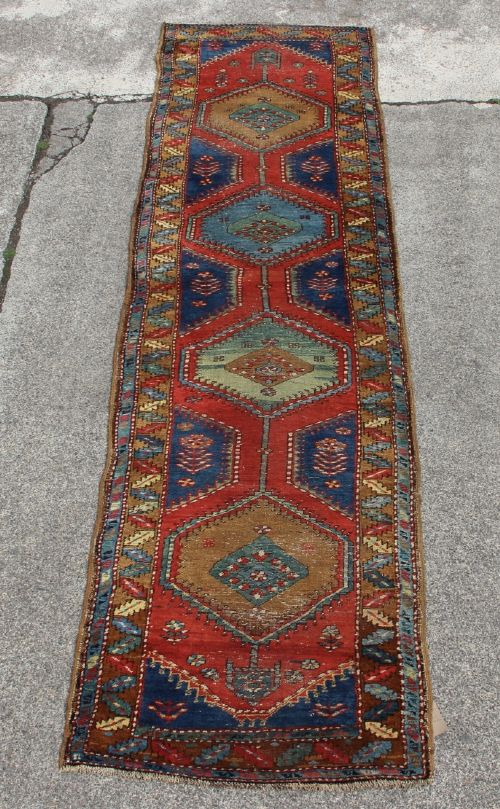
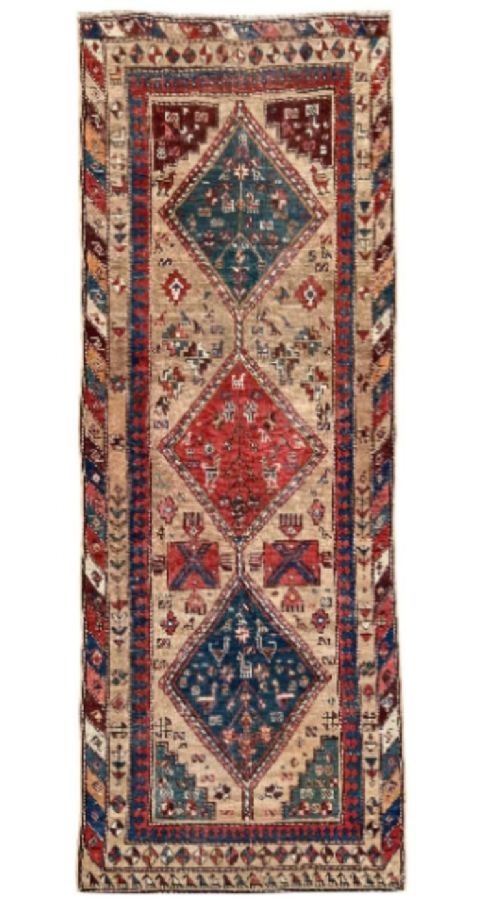
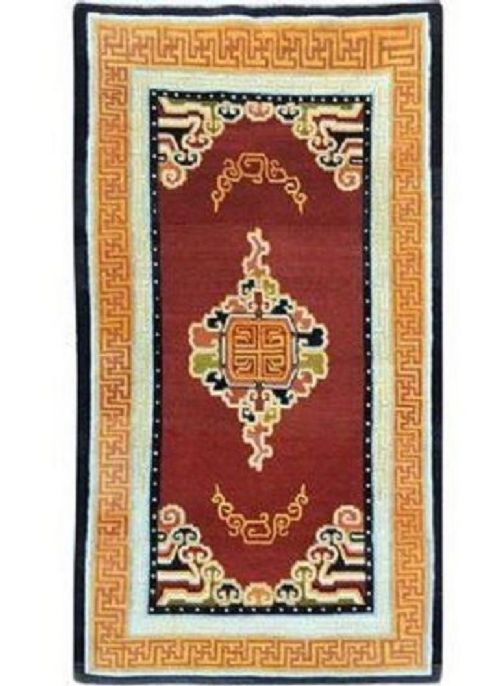
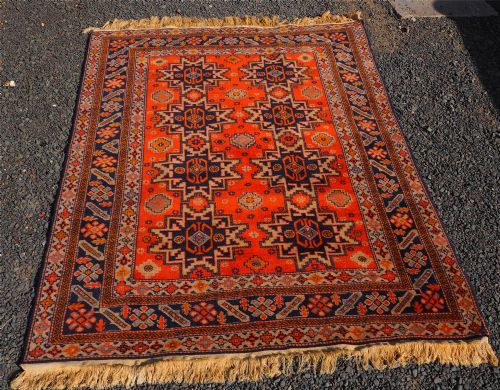
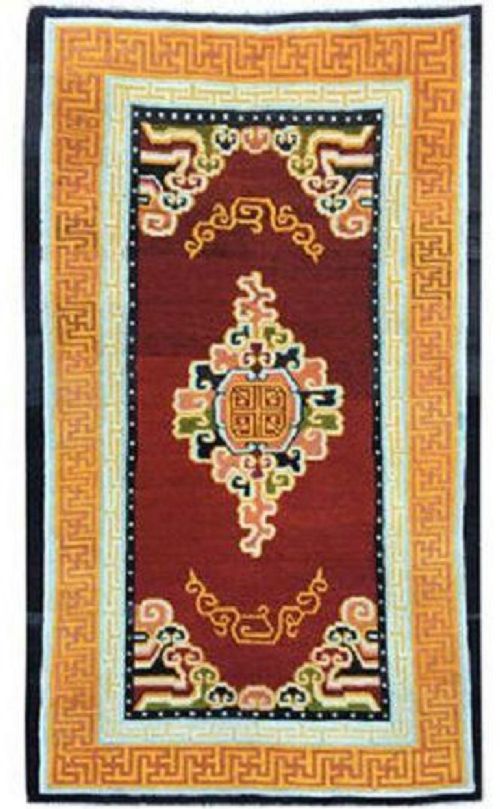
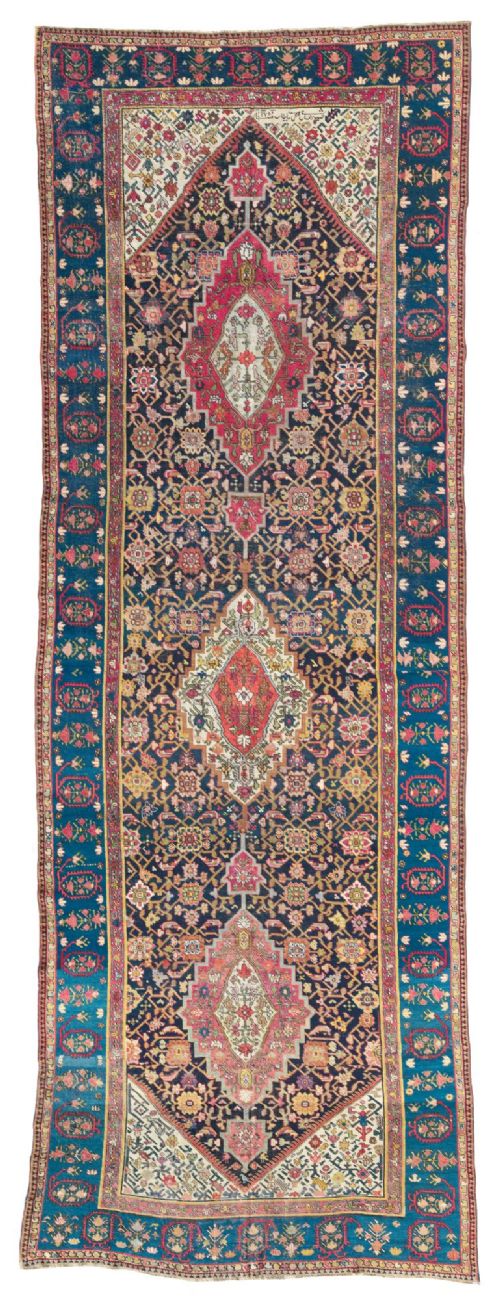
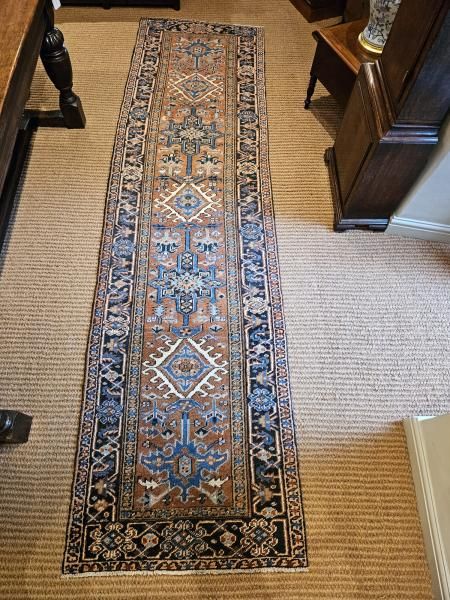
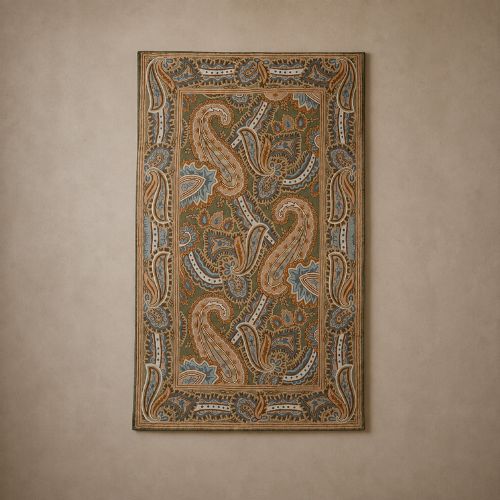
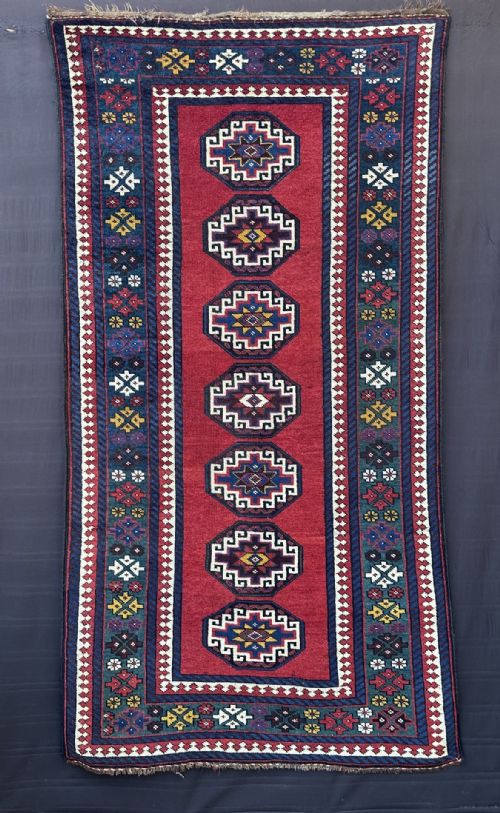
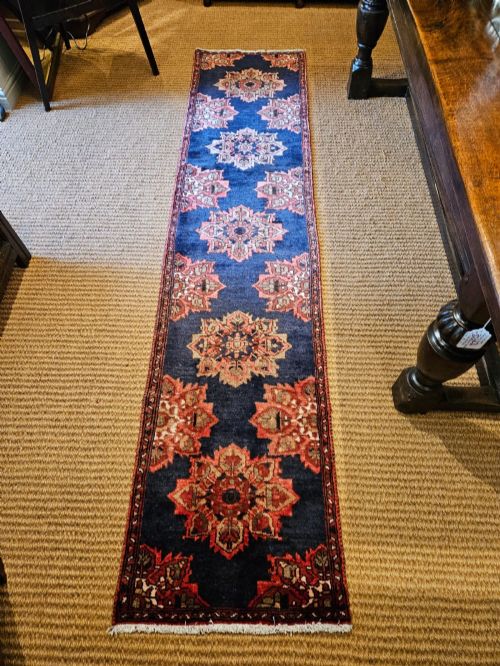
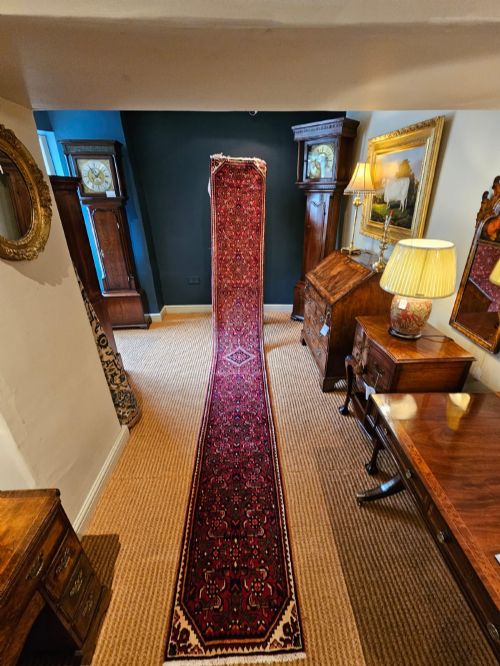
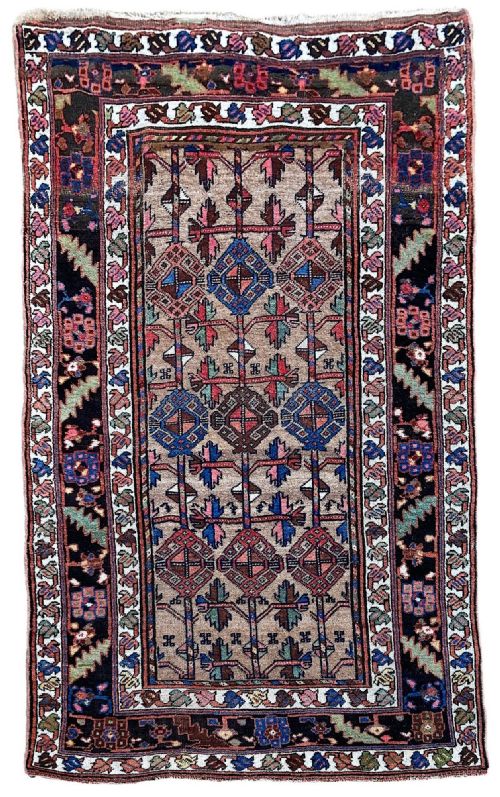


Antique Style Wool Runner
An antique style wool runner brings traditional pattern and enduring textile craftsmanship to a long hallway.
Antique Style Wool Runner
An antique style wool runner encompasses long, narrow floor coverings designed for corridors and passages, drawing on traditional weaving heritage. When searching for an antique style wool runner, buyers encounter pieces originating from Persian, Caucasian, and Anatolian traditions, spanning the nineteenth and early twentieth centuries.
How these runners were made
The construction relies primarily on wool, often hand-spun, combined with cotton or linen foundations that provide structural stability for floor use. Artisans knots or weave the pile by hand, incorporating camel hair in certain pieces for natural tone and durability.
Dyes derived from natural sources impart deep hues of navy, olive green, yellow, and ivory that age gracefully over decades of use.
Listings span from the nineteenth century through the 1930s, featuring wool, cotton, and camel hair materials in traditional regional styles.
What varies in quality
The density and fineness of the knotting distinguish higher grade examples, alongside the clarity and complexity of the tribal or traditional motifs. Better examples maintain structural integrity in the foundation and pile while showing even wear that reflects their age.
The choice of materials, such as hand-spun wool and camel hair, influences the tactile richness and resilience of the surface over time.
The Antique Style Wool Runner Glossary
- Runner
- A long, narrow carpet format specifically proportioned for corridors, hallways, and stairs. This shape directs foot traffic and frames interior passage spaces.
- Pile
- The cut or uncut loops of yarn that form the upper surface of a rug. Pile depth and density determine how the textile feels underfoot and how it wears.
- Kelleh
- A large, elongated rug format often broader than a standard runner but narrower than a full carpet. It shares similar tribal or traditional design vocabularies.
- Medallion
- A central decorative motif placed in the field of a rug, often geometric or floral in outline. It serves as the visual focal point of the composition.
Antique Style Wool Runner: Frequently Asked Questions
Where should I place a runner?
A runner suits narrow spaces such as hallways, corridors, and entryways where linear floor coverage protects the underlying floorboards.
They also function effectively in galley kitchens or alongside beds, adding warmth and texture to transitional areas.
How do I care for wool rugs?
Regular gentle vacuuming without a beater bar removes loose dirt from the wool pile without damaging the hand-knotted foundation.
Professional cleaning is advisable for deep maintenance to preserve the integrity of the natural dyes and fibres.
What is tribal design?
Tribal design refers to geometric patterns, stylised animals, and symbolic motifs created by nomadic or village weavers.
These designs pass down through generations, expressing regional identity rather than following formal court workshops.
How do I identify age?
Age is identified through structural characteristics, material wear patterns, and the chemical composition of traditional dyes.
Familiarity with regional weaving centres helps link specific knotting styles and colour palettes to nineteenth and early twentieth-century periods.