
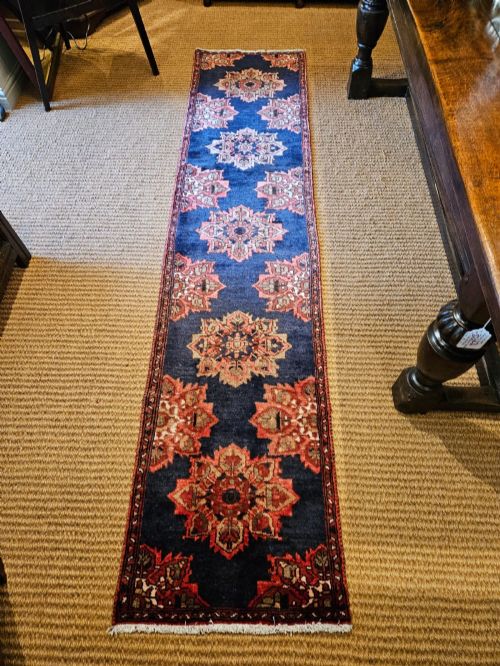
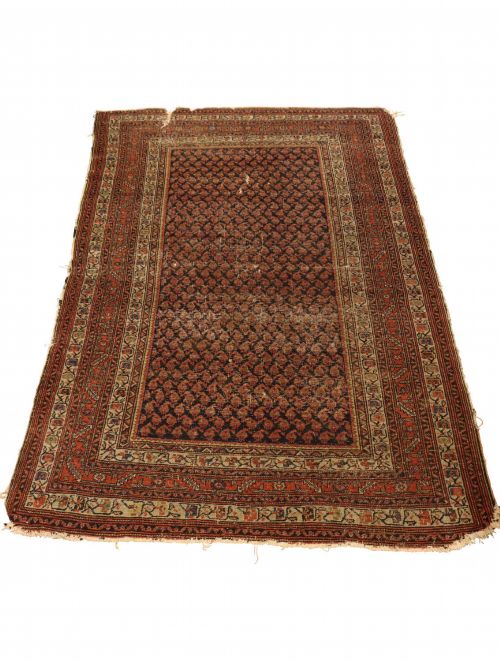


Terracotta Navy Runner Rug
These terracotta navy runner rugs bring warmth and structure to narrow spaces through enduring tribal and traditional designs.
Terracotta Navy Runner Rug
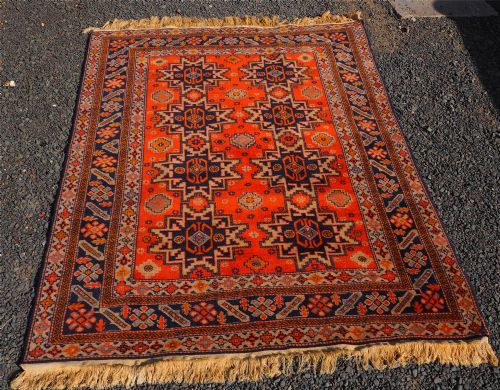
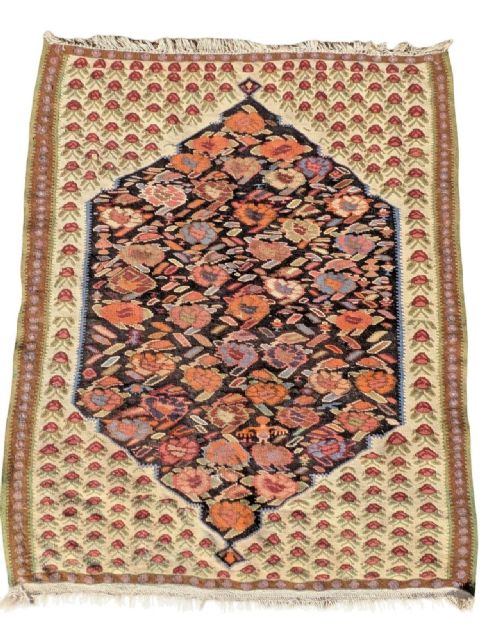
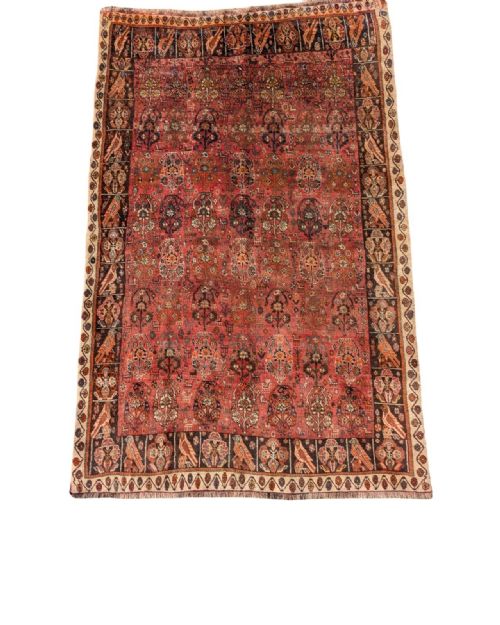
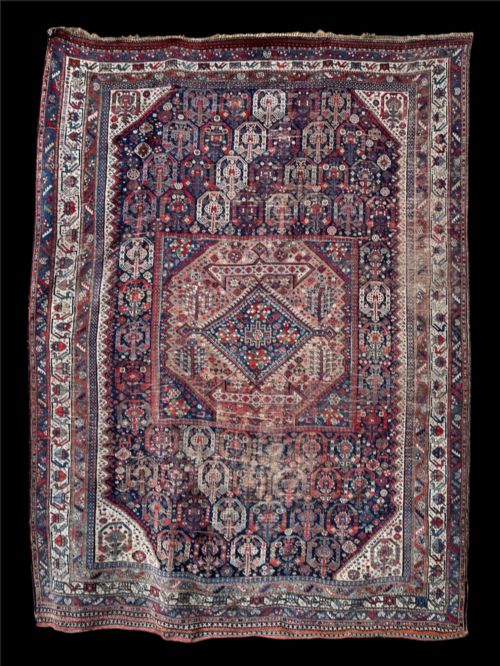
A terracotta navy runner rug provides a long, linear format suited to hallways and corridors. These textiles draw from Persian tribal, Caucasian, and traditional village traditions spanning the nineteenth and early twentieth centuries.
The selection on this page centres on hand-knotted and woven formats from periods such as 1900, 1910, and 1920. Buyers encounter named regional types including Heriz, Malayer, and Hamadan runners alongside broader tribal gatherings.
How They Were Made
Weavers constructed these pieces predominantly using wool and cotton foundations paired with hand-spun wool pile. Artisans relied on natural dyes to achieve deep navy grounds and terracotta accents.
Techniques range from standard hand-knotted pile construction to flatwoven kilim and Soumak methods. These traditional methods ensure structural durability across long hallway formats.
Listings span the nineteenth century up to the 1930s, featuring wool materials and natural dyes across Persian and Caucasian styles.
What Varies in Quality
Quality rests in the precision of the weave and the clarity of regional motifs. Finer knotting allows intricate medallion and geometric details to remain sharp over decades of foot traffic.
The depth and stability of natural dyes influence visual appeal. Tones derived from organic sources retain character as the pile matures.
Waring and Gillow
The Terracotta Navy Runner Rug Glossary
- Runner
- A long, narrow carpet format designed specifically for hallways, stairs, and corridors.
- Natural Dyes
- Colourants extracted from plants, roots, and insects before the widespread adoption of synthetic alternatives.
- Hand-Knotted
- A construction method where individual tufts of wool are tied by hand onto a warp and weft foundation.
- Medallion
- A central ornamental design motif placed in the field of a rug.
- Kilim
- A flatwoven carpet or rug produced without a pile, common in tribal weaving traditions.
Terracotta Navy Runner Rug: Frequently Asked Questions
Where do these runner rugs work best?
These narrow formats suit hallways, corridors, and long entryways where linear dimensions define the floor space. Their balanced proportions guide movement while adding texture.
Placing them in high-traffic zones allows the resilient wool construction to perform practically. The traditional palettes anchor surrounding interior elements effectively.
How do I care for an antique wool runner?
Regular gentle vacuuming without a beater bar removes surface grit from the wool pile. Professional cleaning maintains the integrity of the natural dyes.
Keeping the piece out of harsh direct sunlight preserves the terracotta and navy tones. Rotating the runner periodically ensures even wear across the length.
What distinguishes Heriz runners from Malayer pieces?
Heriz runners typically display geometric medallions and bold, sturdy structural lines. They reflect the village weaving traditions of northwest Persia.
Malayer pieces often feature more varied field patterns and softer overall compositions. Their finer details showcase distinct regional knotting nuances.
Are these runners made with synthetic dyes?
The pieces listed from the nineteenth and early twentieth centuries rely on traditional natural dye sources. These organic colourants produce rich variations across the wool.
Natural dyes mellow gracefully over time, developing a characteristic patina. This chemical composition separates antique production from modern chemical dyeing.