

Antique Style Walnut Dresser
An antique style walnut dresser brings rich figure and period presence to a room, offering deep drawers and striking grain.
Antique Style Walnut Dresser
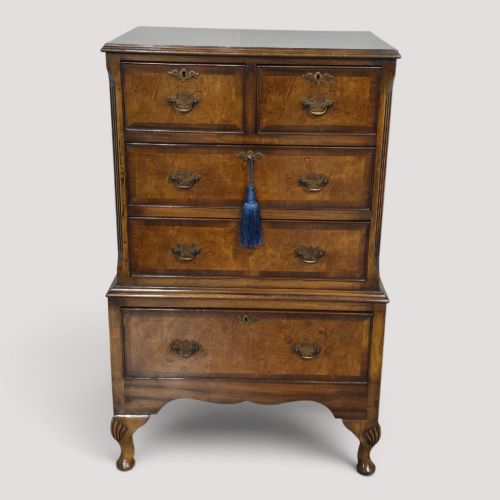
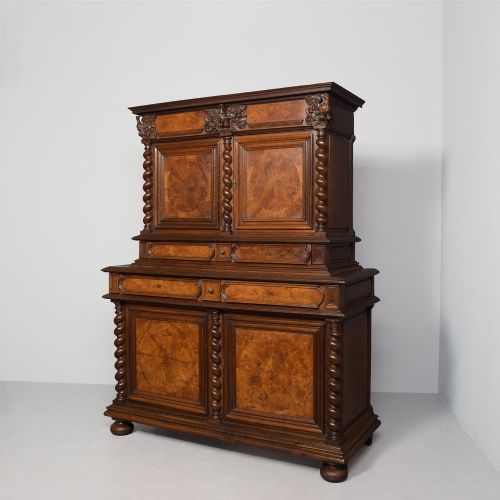
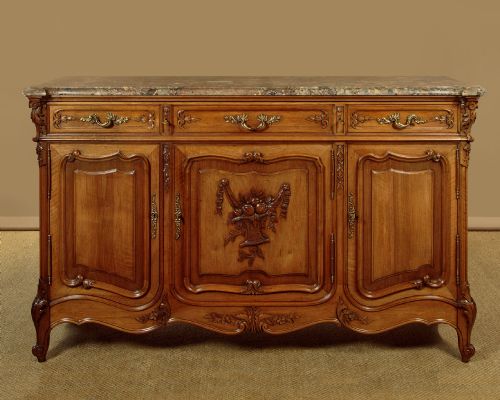
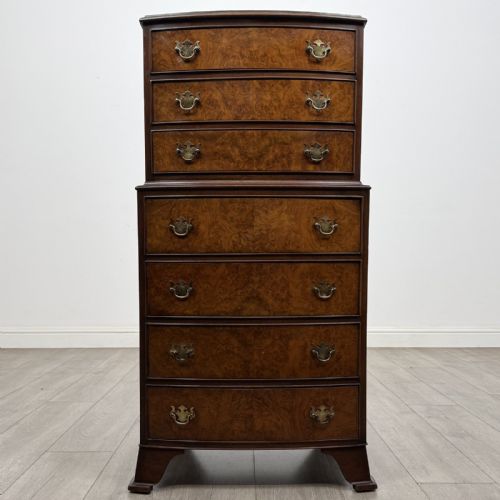
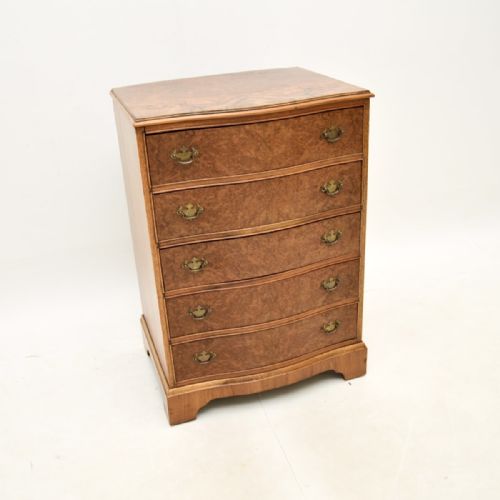
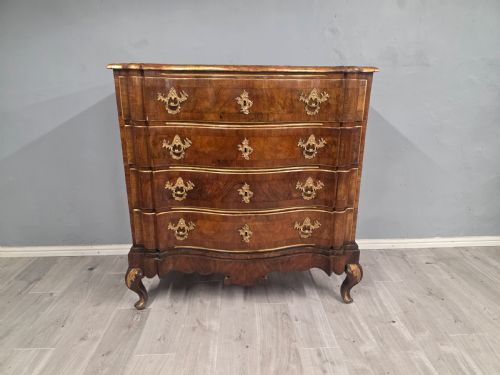
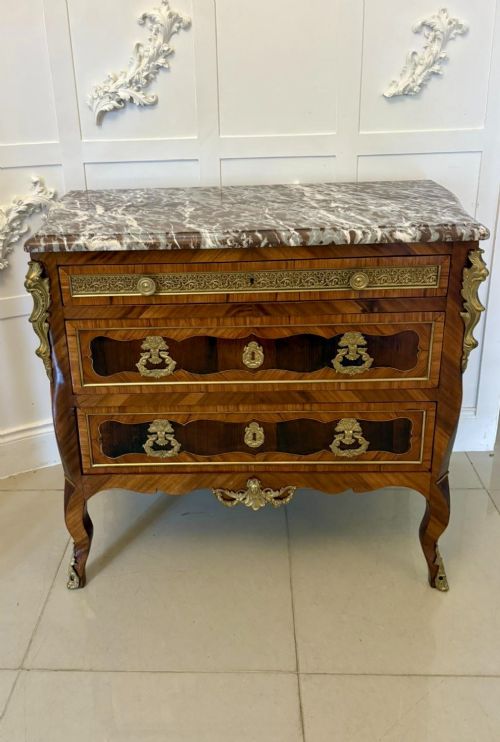
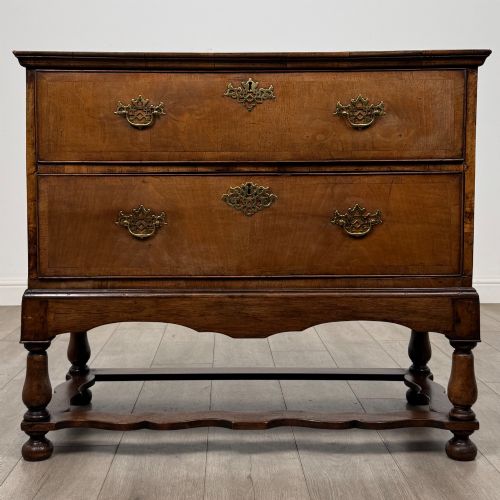
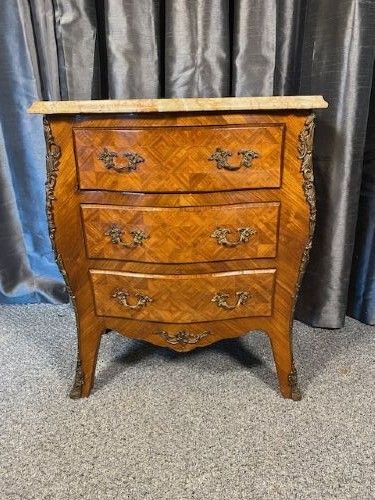
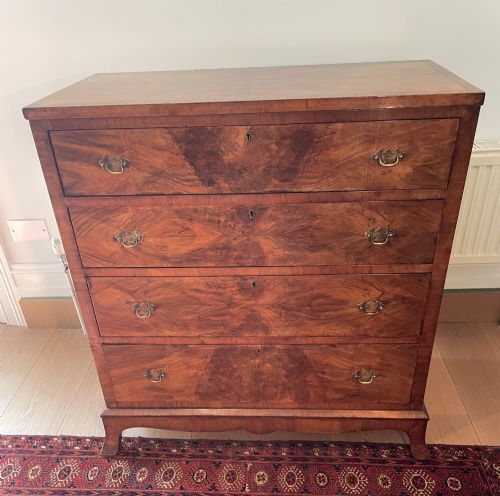
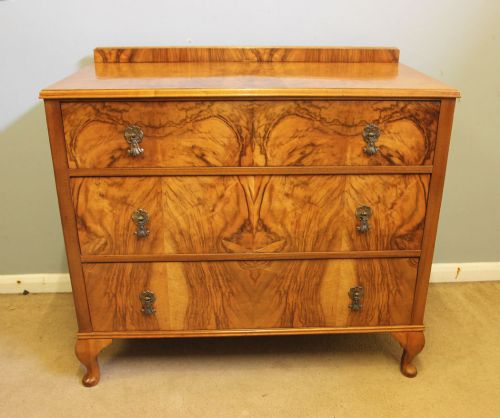
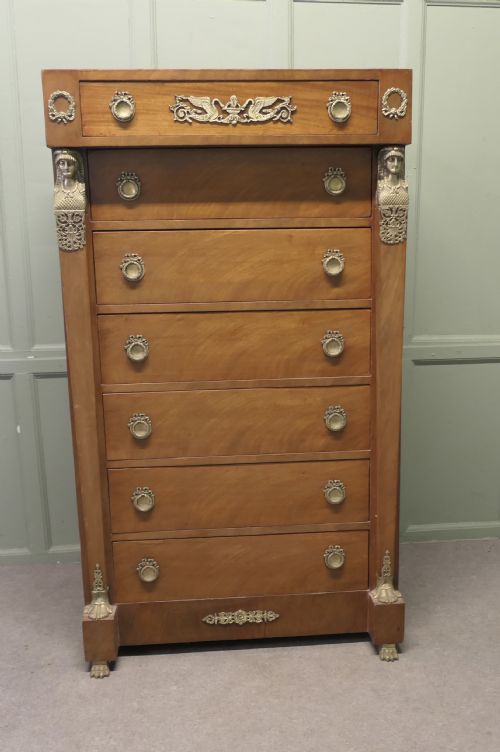
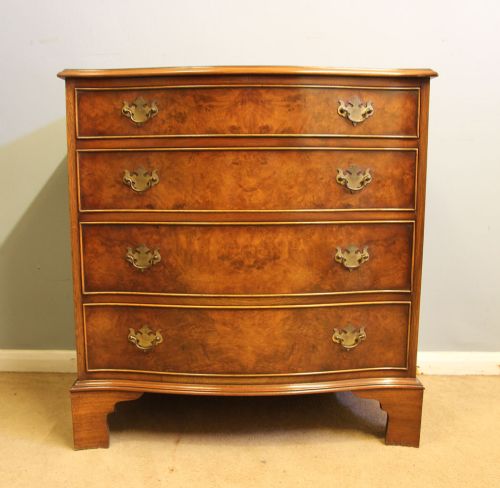
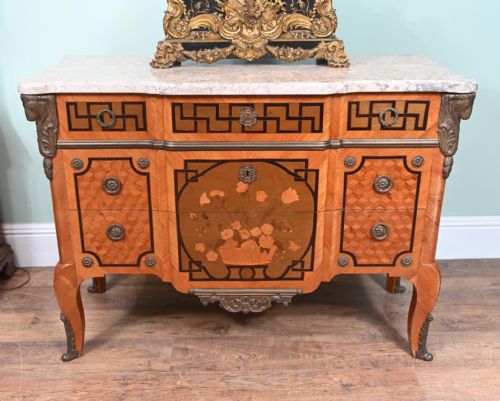
When you search for an antique style walnut dresser, you encounter a variety of drawer-based forms ranging from Georgian revival chests and tallboys to continental marble-topped commodes. These pieces span centuries of design, with robust representation from the nineteenth century alongside later twentieth-century revival interpretations.
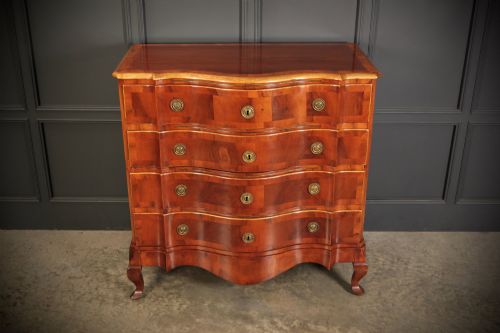
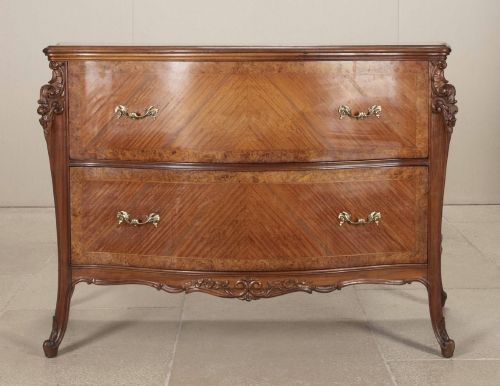
The materials defining these pieces focus heavily on figured walnut and burr walnut veneers, often accompanied by secondary timbers such as oak and fruitwood. Makers utilised these rich timbers to create serpentine fronts, bow fronts, and breakfront profiles that catch the light.
Stylistic influences lean heavily into the Georgian, Queen Anne, and Louis XV revivals, bringing classical proportions and ornamental details together. You will frequently find these forms manifesting as compact chests of drawers, tall five-height chests, or commodes fitted with decorative hardware.
Quality factors in walnut furniture
The visual appeal of the surface grain sets finer examples apart, particularly where burr walnut veneer is matched with care across multiple drawer fronts. Superior execution shows in the crispness of serpentine curves and the tight integration of brass ormolu mounts.
Structural integrity governs everyday utility, distinguishing solidly constructed carcasses from pieces that have suffered from loose joints or veneer lifting. The quality of internal drawer construction, including the survival of original linings and smooth running runners, dictates the standing of a piece.
Antique Style Walnut Dresser Retail Price Guide 2026
Typical asking prices for style walnut dresser among the pieces listed under this phrase on Sellingantiques today, from the lower quarter to the upper quarter. They describe what is for sale here now, not the wider market.
Burr walnut sections emerge from tree burls where growth ran wild, meaning no two drawer fronts share the same natural fingerprint.
The Antique Style Walnut Dresser Glossary
- Burr walnut
- A figured wood grain obtained from the wart-like growths on walnut trees, prized for its complex, swirling patterns. Cabinetmakers sliced it into thin veneers for decorative surfaces.
- Serpentine
- A furniture front or top shaped with a convex centre flanked by concave curves. This undulating line requires high skill to veneer and fit successfully.
- Ormolu
- Gilded bronze mounts and decorative trimmings applied to furniture. It gained widespread popularity on continental commodes and revival pieces.
- Commode
- A low chest of drawers, often French in origin and frequently topped with marble. The form developed elaborate marquetry and shaped fronts during the eighteenth century.
- Tallboy
- A tall chest of drawers, typically consisting of one chest stacked upon another or built as a single tall carcass. These pieces maximise vertical storage space.
Antique Style Walnut Dresser: Frequently Asked Questions
How do I clean walnut veneer?
Dust regularly with a soft, dry cloth to prevent grit accumulation on the delicate surface. Avoid harsh chemical sprays and water, using only specialised furniture wax sparingly when the wood appears dry.
Keep pieces away from direct sunlight and heat sources to prevent the underlying timber and veneer from cracking or warping over time.
Where should I place a commode?
A marble-topped commode suits a hallway, bedroom, or living room as a substantial storage surface with a decorative profile. Ensure the room maintains stable humidity levels to protect the timber and any applied veneer.
Position the piece away from direct radiators to safeguard the antique construction against excessive drying and shrinkage.
How do I spot a revival piece?
Revival furniture often exhibits construction methods, timber selections, and hardware styles that echo earlier centuries while reflecting the era of actual manufacture. Examining the internal secondary woods and drawer joints helps clarify the true age.
Stylistic cues, such as proportions and decorative mounts, provide further evidence regarding whether a piece originates from the Georgian period or a later revival.