

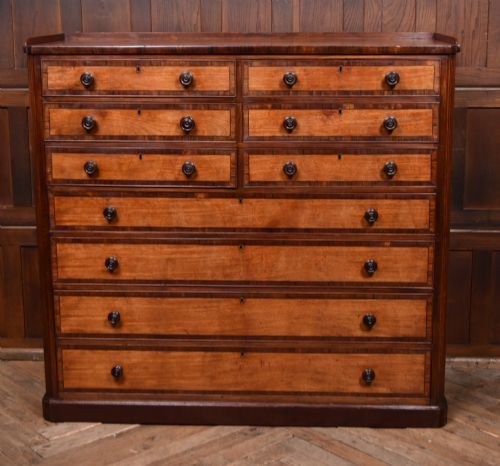
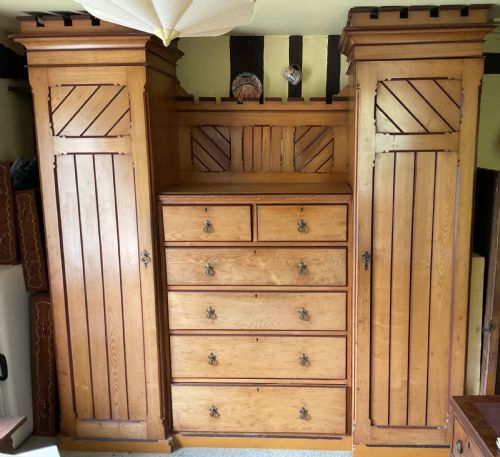
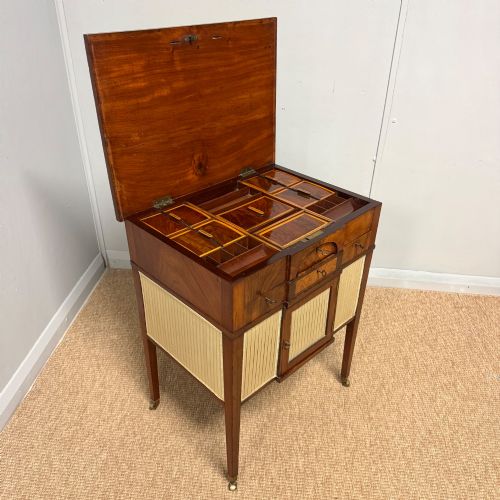
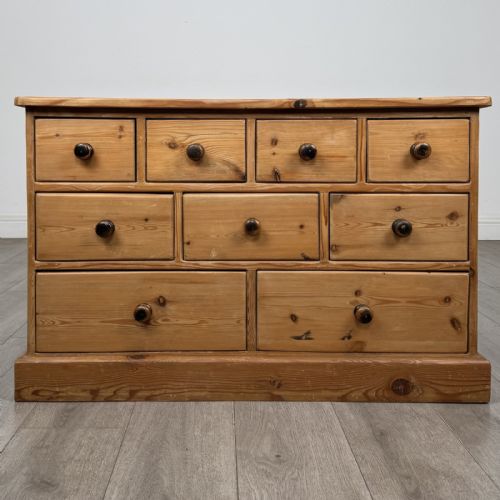
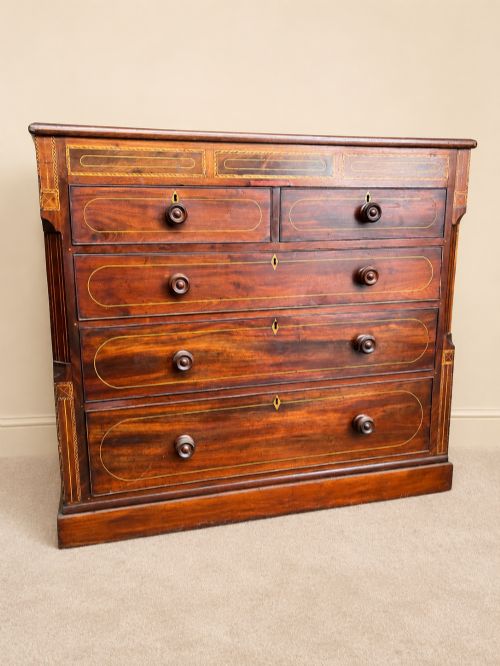
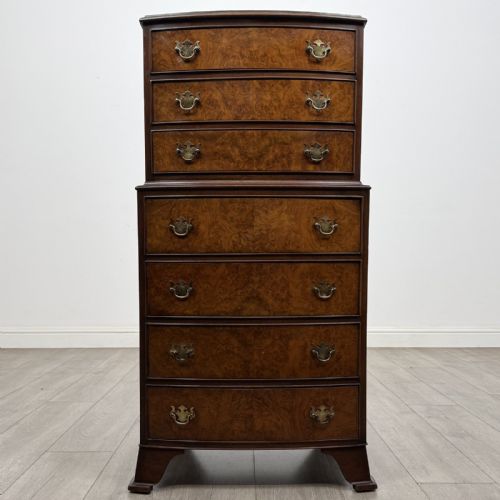
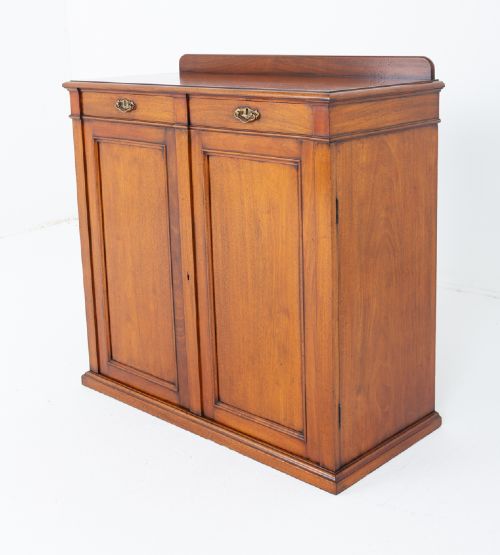
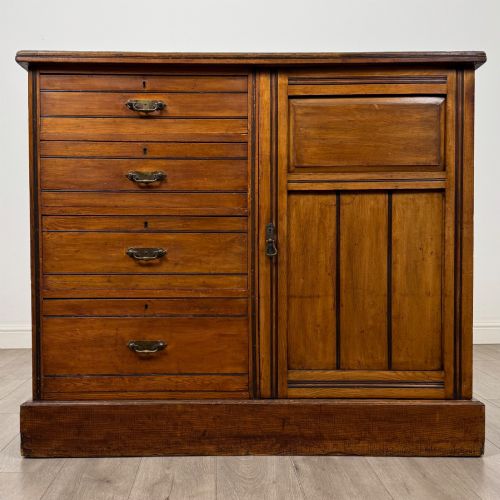


Fitted Drawer Storage
Fitted drawer storage brings order to rooms through banks of small compartments, apothecary boxes, and collectors cabinets built to hold specific items.
Fitted Drawer Storage
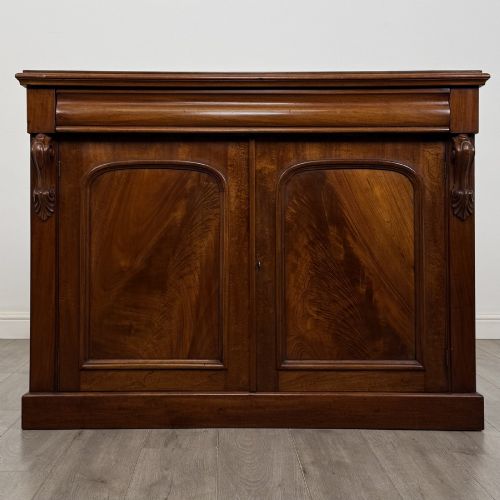
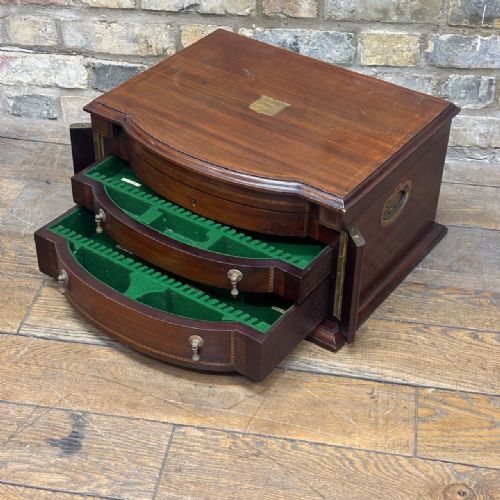
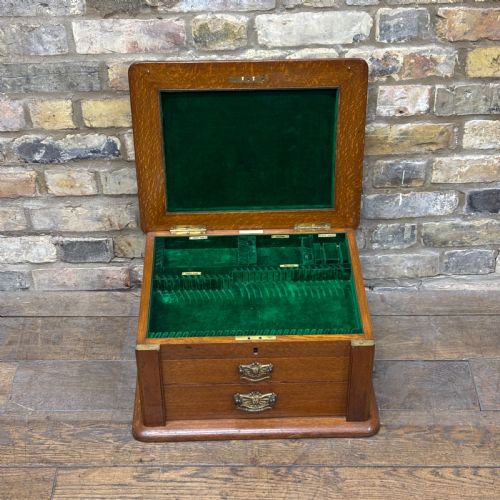
Fitted drawer storage encompasses chests, banks of drawers, and cabinets designed with internal compartments tailored for specific uses. When you search for fitted drawer storage, you encounter pieces intended for specialised organisation rather than simple stacking.
The selections span centuries, appearing in Georgian, Victorian, and later periods. Common forms include collectors cabinets, haberdashery units, apothecary cases, and linen presses.
Pine, mahogany, walnut, and oak dominate the construction materials. Many pieces retain original painted surfaces or polished wood finishes reflecting their domestic, commercial, or workshop origins.
Materials and Construction
Cabinet makers utilised dense hardwoods like mahogany, walnut, and rosewood alongside utilitarian softwoods such as pine. Brass hardware, including flush campaign handles and lock escutcheons, provides functional detailing across military and travelling pieces.
Internal fitting required precise carpentry to create numerous small drawers, sliding trays, and partitioned compartments. Dovetail joints secure drawer construction while secondary timbers line the internal framework.
Fitted Drawer Storage Retail Price Guide 2026
Typical asking prices for fitted drawer storage among the pieces listed under this phrase on Sellingantiques today, from the lower quarter to the upper quarter. They describe what is for sale here now, not the wider market.
Distinctions in Quality
Execution of internal drawer fits separates utilitarian workshop banks from fine domestic collectors cabinets. Superior examples employ choice veneers like burr walnut or flame mahogany matched across drawer fronts.
Originality of internal partitions, glass doors, and brass fittings determines the integrity of pieces like apothecary cases and haberdashery units. Secondary elements such as maker stamps or sign-written shop labels add historical weight.
G. Bartholomew & Co·Luxmore's of Ilfracombe·Maple and Co·Holland & Sons
The Fitted Drawer Storage Glossary
- Bank of Drawers
- A multi-drawer unit typically originating from a shop, office, or workshop environment. These pieces prioritise storage capacity through numerous shallow compartments.
- Collectors Cabinet
- A specialised piece designed to house natural history specimens, coins, or small objects. Interiors often feature shallow fitted drawers lined for protection.
- Linen Press
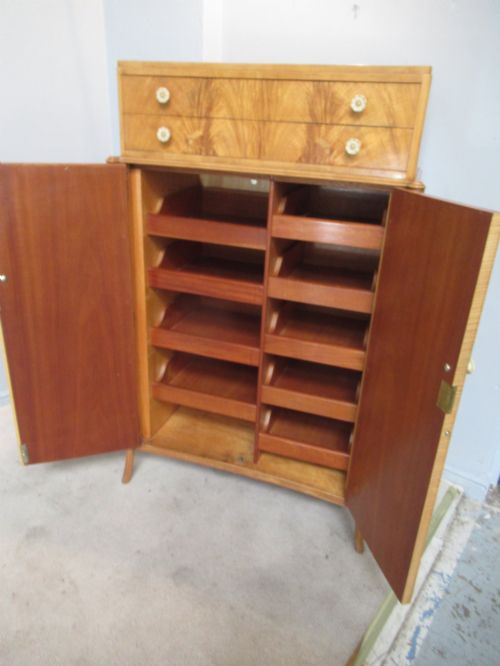
- A tall storage piece containing sliding trays or drawers enclosed by doors above a chest base. They served to keep textiles flat and organised.
- Wellington Chest
- A tall, narrow chest of drawers secured by a hinged locking side stile that fastens with a key. The design originated in the nineteenth century.
- Campaign Chest
- Portable furniture built in sections with recessed brass handles for military transport. These units break down into manageable modular boxes.
Fitted Drawer Storage: Frequently Asked Questions
What is a haberdashery cabinet?
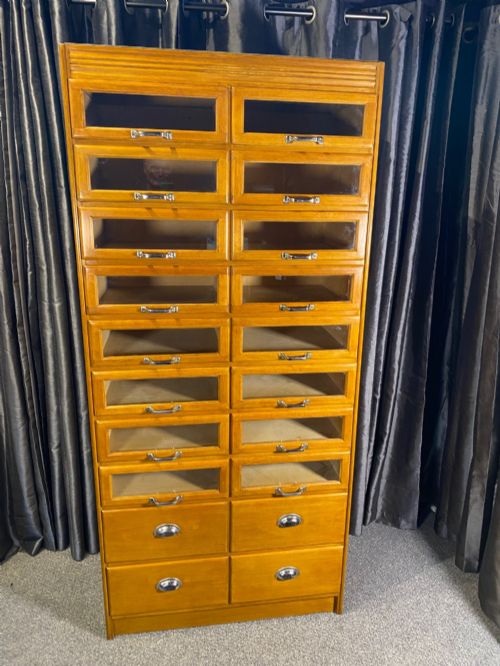
Haberdashery cabinets comprise multiple shallow drawers, often featuring glass panels to display small retail goods. Shops utilised them to organise stock efficiently.
Today, these units function well in homes for storing jewellery, craft supplies, or small collections while maintaining visible organisation.
How do apothecary boxes differ from standard chests?
Apothecary boxes contain numerous tiny internal drawers and compartments originally designed to hold medicines and botanical ingredients. They frequently include glass bottles and travelling cases.
Their compact scale and intricate internal layouts distinguish them from larger domestic chests of drawers.
What defines a collectors cabinet?
Collectors cabinets feature tailored internal drawer configurations designed to protect fragile or valuable objects such as shells, coins, and butterflies. The drawers fit tightly to prevent dust ingress.
These pieces reflect the Victorian and Georgian enthusiasm for amateur natural history and scientific classification.
How do you date a pine shop fitting?
Pine shop fittings display construction traits and paint layers consistent with nineteenth and early twentieth-century commercial environments. Original sign-writing often names the agricultural merchants or businesses that used them.
Examining the depth of the timber patina and the style of the drawer pulls helps confirm the period.