


Antique Style Still Life
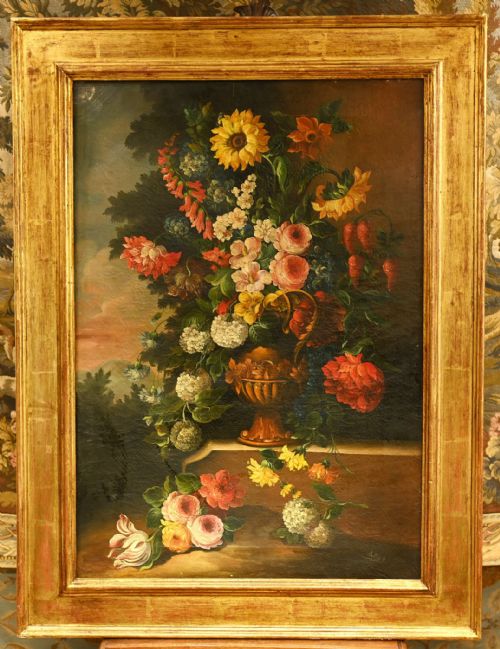
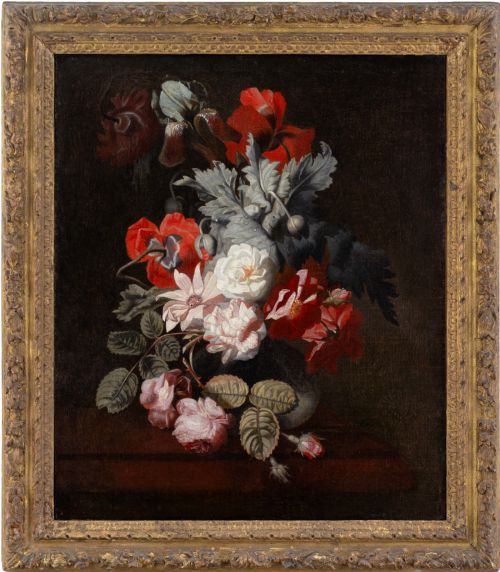
When you search for antique style still life, you encounter centuries of rendered fruit, game and florals rooted in Dutch and Flemish traditions.
Antique Style Still Life
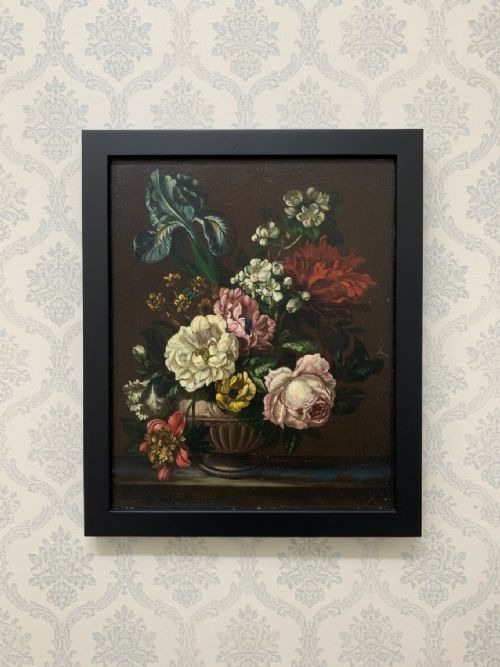
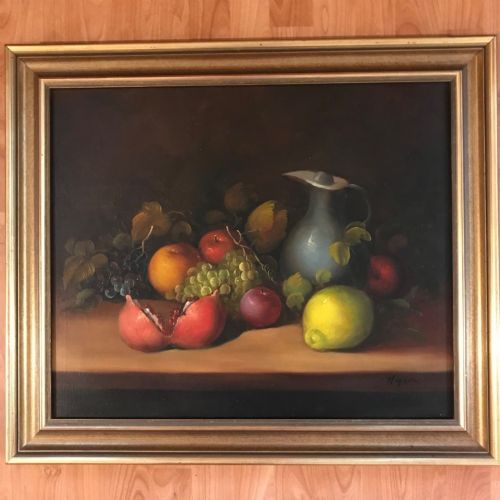
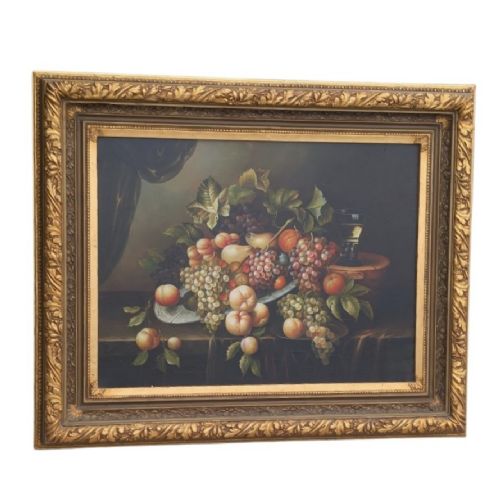
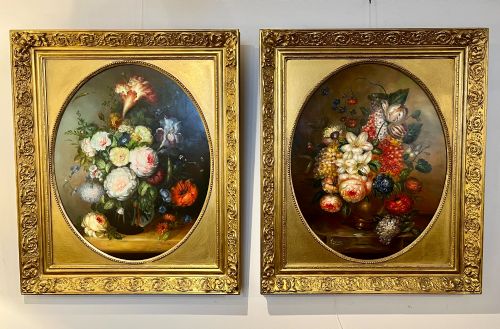
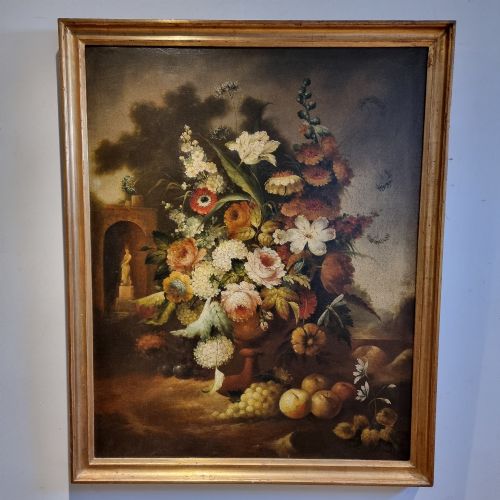
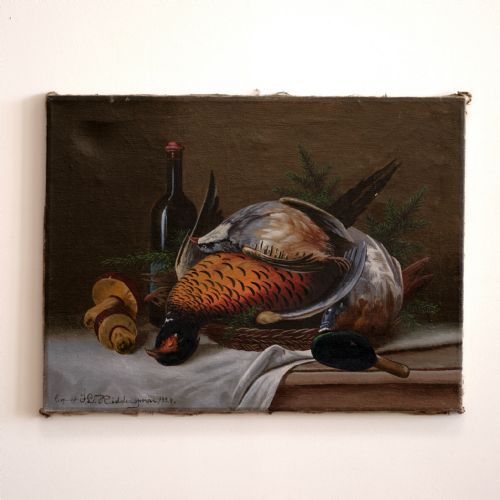
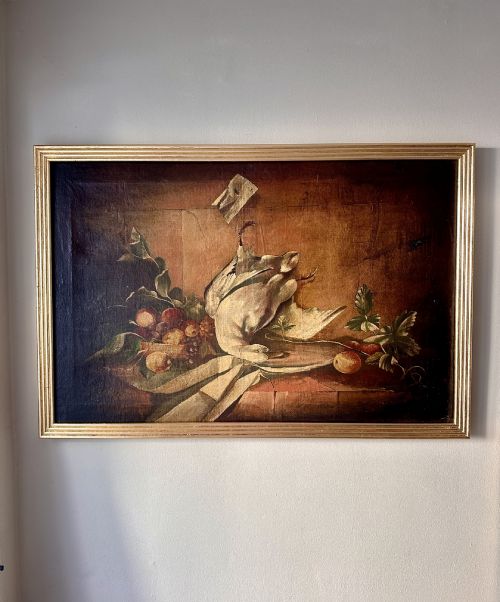
An antique style still life brings together historic depictions of domestic objects, game, fruit and florals, most frequently seen in paintings executed in oil on canvas or panel. The selections span centuries from the seventeenth century through to the mid-twentieth century, capturing enduring academic and regional painting traditions.
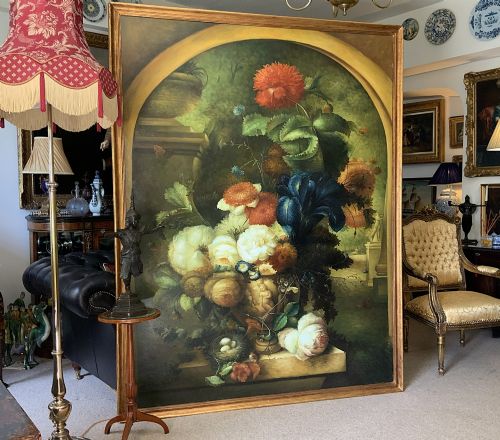
The versions most common on this page lean heavily into Dutch Golden Age revivals, Baroque floral compositions and nineteenth-century interpretations. Buyers encounter everything from monumental floral canvases to intimate miniature oil paintings and watercolour studies.
These works reflect diverse European schools, including Flemish, Dutch, French and Spanish influences, often created by followers or attributed circles of earlier masters. They serve as historical decorative windows into past domestic and botanical arrangements.
How they were made
The physical backbone of these works relies upon oil paint applied to canvas, wood panels, oak boards or prepared paper. Artists utilised traditional pigments combined with oil media to build rich layers, depth and texture across subjects ranging from autumn flowers to dead game.
Framing and mounting often incorporate gilded wood, carved frames or painted leather panels that complement the period aesthetic. Support structures like wooden stretcher frames and robust oak panels provide the foundation for surviving examples from the seventeenth century onward.
Listings feature works spanning the seventeenth century through to the 1960s, executed primarily in oil on canvas or wood panel.
What varies in quality
The distinction between ordinary decorative examples and superior works lies in the handling of light, shadow and texture within the oil medium. Skilled brushwork captures the damp sheen of fruit, the delicate translucency of petals and the tactile weight of textiles.
Compositional balance and depth of palette separate academic masterworks from standard student or follower pieces. Stronger pieces display confident draughtsmanship and harmonious colour integration across floral and larder subjects.
Simon Pietersz Verelst·Pieter Claesz·Bartolome Murillo·Jan Steen·Jean Baptiste Isabey
The Antique Style Still Life Glossary
- Oil on Canvas
- Pigments bound in drying oil applied to a woven fabric support. This method allows for subtle blending and rich surface textures.
- Baroque
- A European style of the seventeenth and eighteenth centuries characterised by drama, deep shadow and exuberant detail. It heavily influences dramatic fruit and floral compositions.
- Dutch Golden Age
- A period in Dutch painting renowned for meticulous realism, detailed still lifes and mastery of light. Many later works deliberately emulate this aesthetic.
- Panel
- A rigid support base made from wood, such as oak, used by artists before canvas became dominant. These provide stable surfaces for early oil paintings.
- Attributed
- A term used when a work shows the hand of a specific artist but lacks definitive signature proof. It connects pieces to notable schools or workshops.
Antique Style Still Life: Frequently Asked Questions
What is a still life painting?
A still life painting depicts inanimate subject matter, typically commonplace objects such as food, game, fruit, or flowers arranged on a surface. These compositions allow artists to focus on the interplay of light, shadow, texture, and colour.
Historically, these works also carried symbolic meanings regarding mortality, abundance, and the passage of time. On this page, they primarily manifest as oil paintings inspired by Dutch and Flemish traditions.
How do I date an old painting?
Dating an antique painting involves examining the materials, such as the type of canvas, stretcher frames, wood panels, and pigment formulation. Stylistic clues, brushwork techniques, and framing styles also offer strong chronological indicators.
Signatures, inscriptions, or labels on the reverse of the canvas or frame frequently provide further historical context. Comparing the handling of subjects to documented periods helps narrow down the era of creation.
Where should I hang these?
These paintings suit traditional dining rooms, libraries, and hallways where rich oil tones and botanical subjects complement period interiors. Darker backgrounds pair particularly well with panelled walls and historic architectural details.
Positioning them away from direct sunlight protects the oil pigments and canvas integrity over time. Adequate wall space allows larger monumental canvases to anchor a room effectively.
What are Dutch school paintings?
Dutch school paintings refer to works produced by artists working within the Netherlands, following the distinct realist and tonal traditions established during the seventeenth century. They often feature meticulous attention to domestic textures, florals, and lighting.
Later nineteenth- and twentieth-century pieces often emulate this heritage under the banner of Dutch Golden Age Revival. These works capture the enduring appeal of traditional Northern European composition.