



Antique Style Sculpture
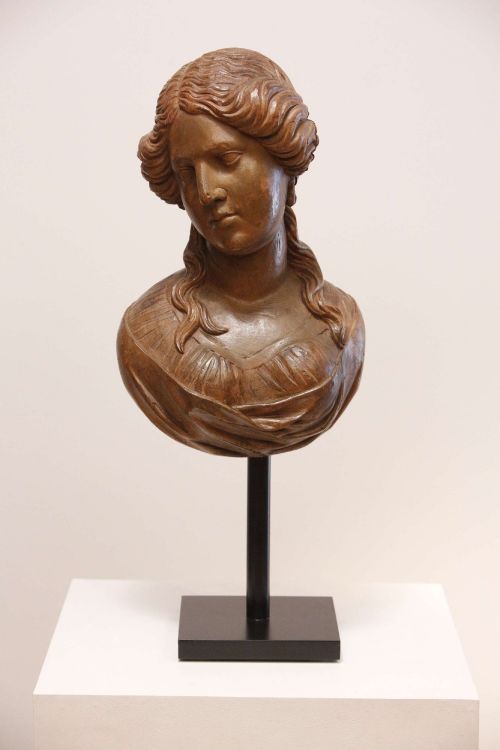
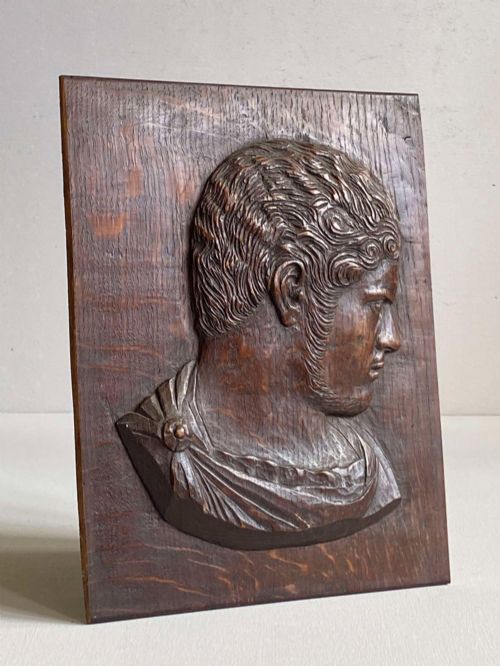
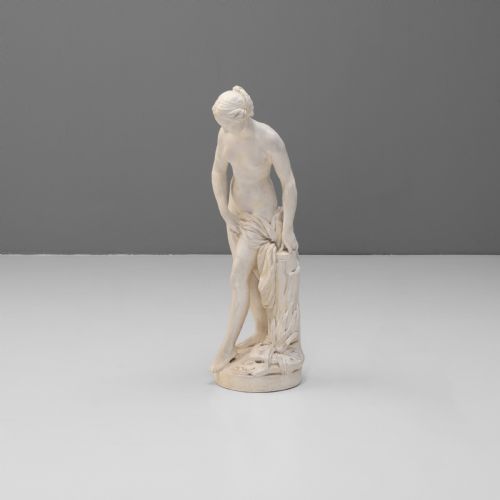
When you search for antique style sculpture, you are looking at figurative works and busts spanning bronze, marble, wood, and terracotta.
Antique Style Sculpture
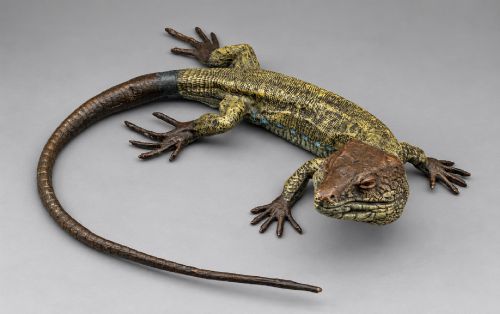
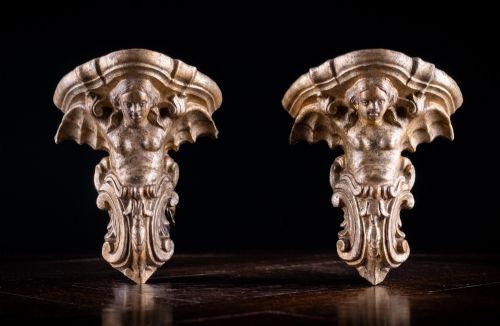
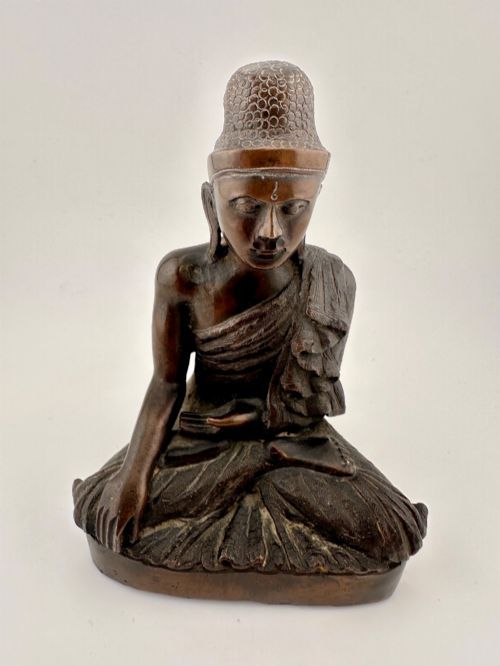
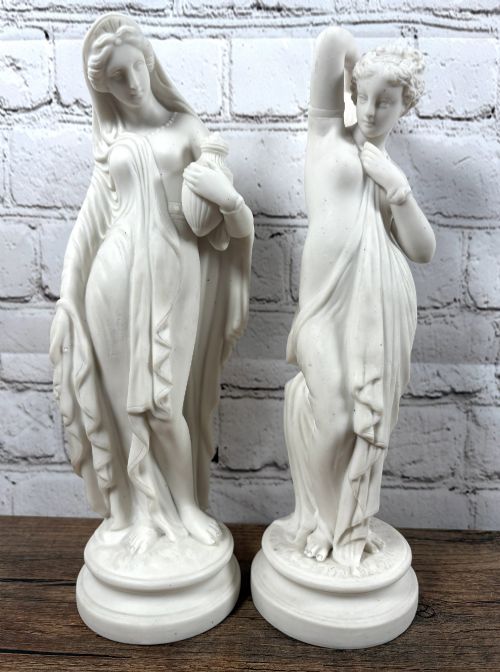
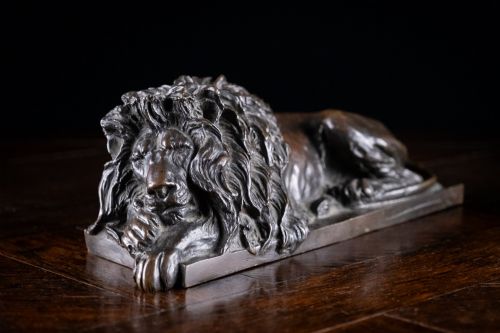
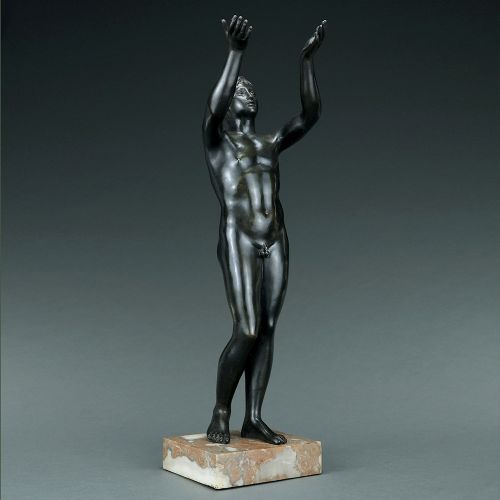
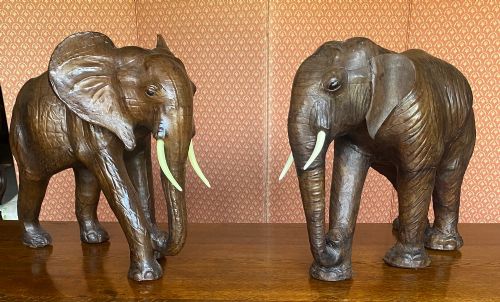
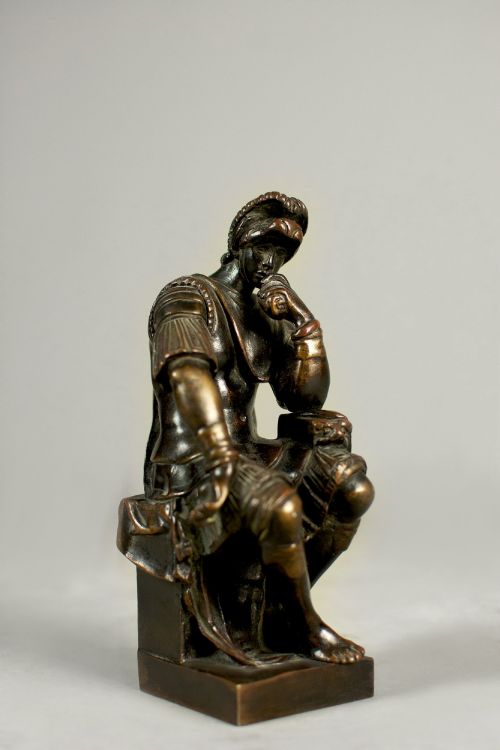
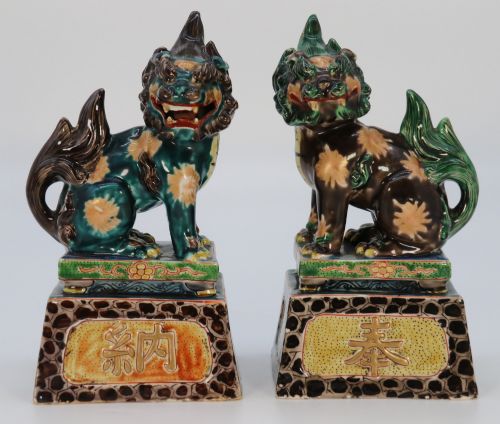
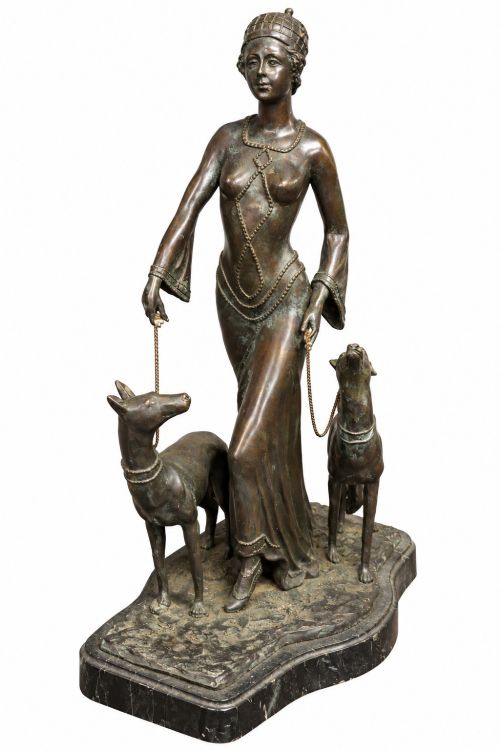
The pieces grouped under antique style sculpture encompass classical figures, animalier bronzes, religious icons, and portrait busts created across the nineteenth and early twentieth centuries. Buyers frequently encounter Grand Tour bronzes, carved wood animals, and cast plaster or terracotta figures reflecting neoclassical and art deco tastes.
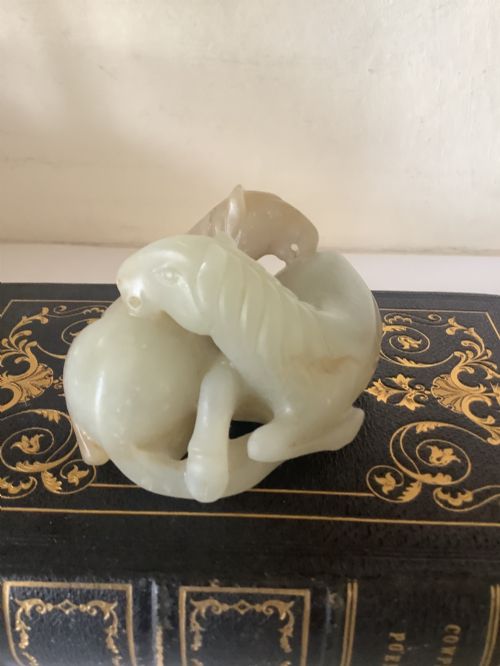
Forms range from small cabinet bronzes and jade scholar's carvings to large garden statues and architectural columns. Originating from European workshops, Asian potteries, and British foundries, these works replicate or adapt historical aesthetics for domestic and institutional display.
Materials and methods
Foundries and studios utilised traditional casting and carving methods, employing lost-wax techniques for metals like bronze and patinated spelter. Marble, jade, hard stone, and various woods were hand-carved using chisels and drills, leaving tool marks that indicate manual labour.
Surface treatments define many pieces, combining applied patinas, silvering, gilding, paint, and lacquer on materials such as plaster, terracotta, and cast iron. Bases often incorporate contrasting elements, pairing metal figures with marble plinths or carved wooden mounts.
Antique Style Sculpture Retail Price Guide 2026
Typical asking prices for style sculpture among the pieces listed under this phrase on Sellingantiques today, from the lower quarter to the upper quarter. They describe what is for sale here now, not the wider market.
Materials across these listings include bronze, marble, wood, paint, plaster, terracotta, patinated bronze, and carved wood.
Distinctions in execution
The refinement of chisel work, chasing, and finishing separates superior castings and carvings from commercial reproductions. Detail in facial expressions, musculature, and drapery indicates the skill applied by the workshop or foundry.
Material selection and the integrity of the patina or surface coating determine longevity and visual depth. Casts taken from original models retain sharper contours than subsequent secondary castings.
Maurice Giraud-Rivière·Barbedienne·Josef Lorenzl·Hamo Thornycroft·Christophe Fratin
The Antique Style Sculpture Glossary
- Grand Tour
- A nineteenth-century tradition where travellers collected classical bronzes and architectural models in Italy. These souvenirs replicated ancient Greek and Roman sculptures for home display.
- Animalier
- A nineteenth-century artistic focus on the realistic portrayal of animals. Sculptors in this genre depicted beasts in motion or repose using bronze.
- Patinated Bronze
- Bronze treated with chemicals or heat to produce a coloured surface layer. This coating protects the metal and adds tonal depth.
- Spelter
- An alloy of zinc and lead used as a cheaper alternative to bronze. It was cast into figures and painted to resemble patinated metal.
- Celadon
- A pale green ceramic glaze originating in China. It mimics the appearance of jade on pottery and porcelain vessels or carvings.
Antique Style Sculpture: Frequently Asked Questions
What is a Grand Tour bronze?
Grand Tour bronzes are small-scale reproductions of classical statues produced in Italy during the nineteenth century. Wealthy travellers purchased them as educational and artistic souvenirs.
These pieces were cast in local foundries using traditional methods, capturing the proportions of famous ancient Greek and Roman sculptures found in European museums.
How do I care for bronze sculptures?
Bronze sculptures require minimal maintenance beyond occasional dusting with a soft, dry cloth. Avoid using commercial polishes or abrasive cleaners that strip the patination.
Keeping pieces away from high moisture and direct sunlight preserves the chemical finish applied by the original foundry or artist.
What is the difference between bronze and spelter?
Bronze is a durable alloy of copper and tin that accepts chemical patinas and holds fine detail through the lost-wax casting process. Spelter uses softer zinc and lead alloys.
Spelter figures feel lighter than bronze and often feature painted surfaces designed to imitate the appearance of aged metal.
Where were nineteenth century busts displayed?
Portrait busts carved from marble, wood, or cast in plaster and bronze were standard fixtures in libraries, studies, and hallways. They commemorated historical figures, philosophers, and family members.
Owners placed these sculptures on pedestals, mantelpieces, or dedicated display columns to signal classical learning and taste.