



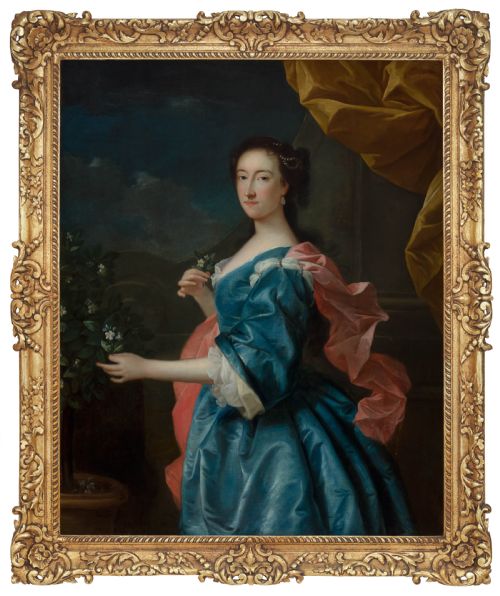
Antique Style Portrait
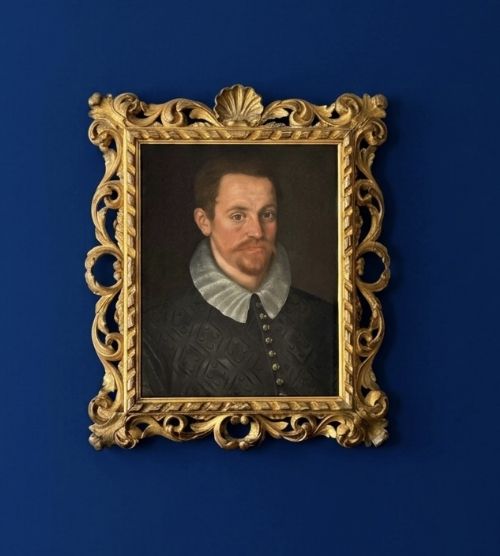
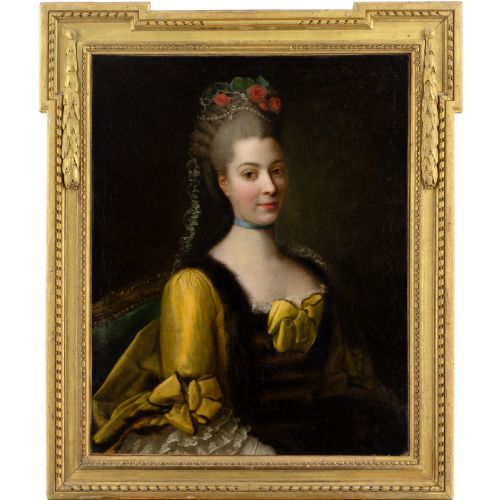
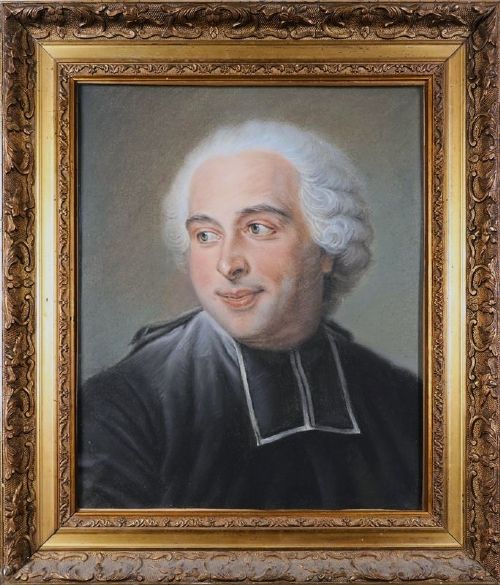
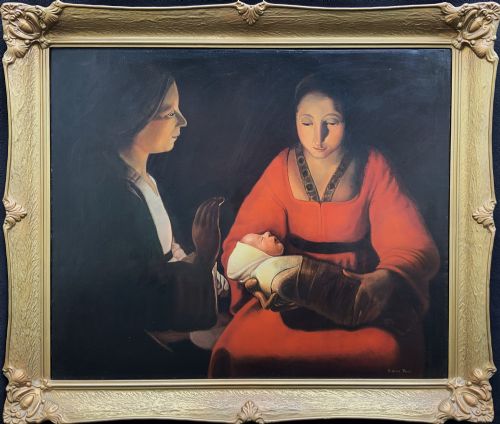
When choosing an antique style portrait, collectors acquire fine painted depictions of historical subjects rendered in oil, watercolour, and pastel.
Antique Style Portrait
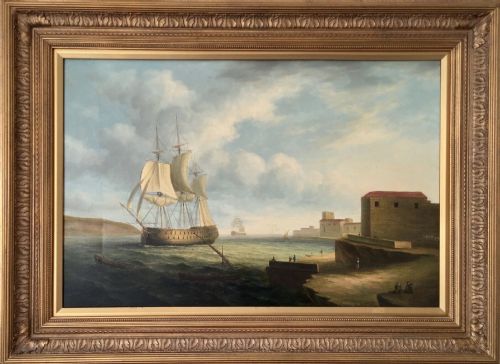
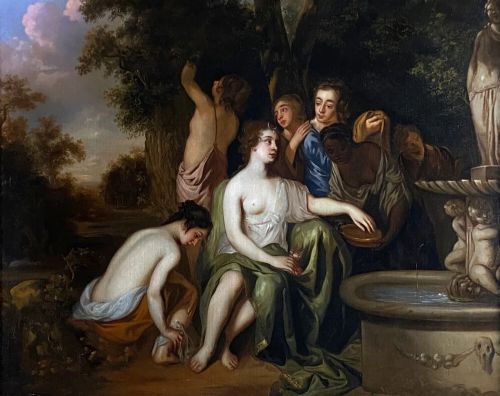
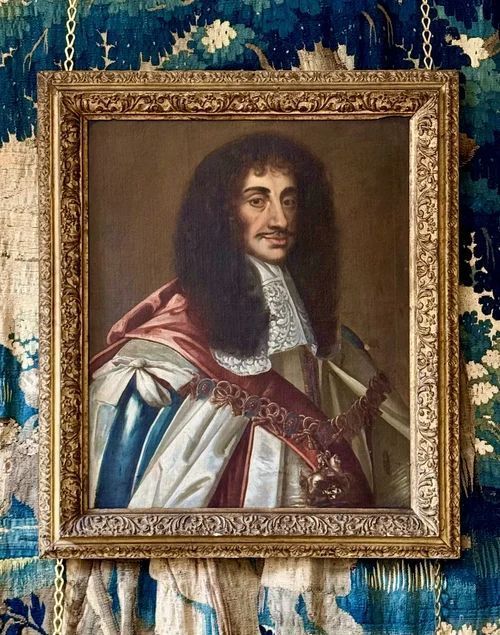
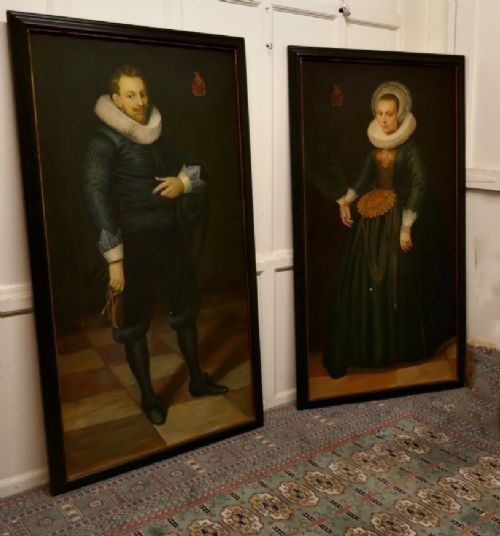
An antique style portrait encompasses oil paintings, watercolors, and porcelain cabinet plates depicting noble figures, historical characters, and classical subjects. Buyers examining this category encounter works spanning the seventeenth through the mid twentieth century, including both period originals and later studies executed in historic manners.
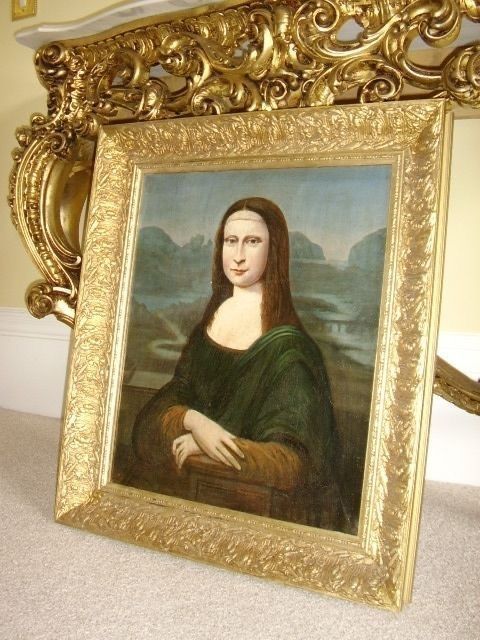
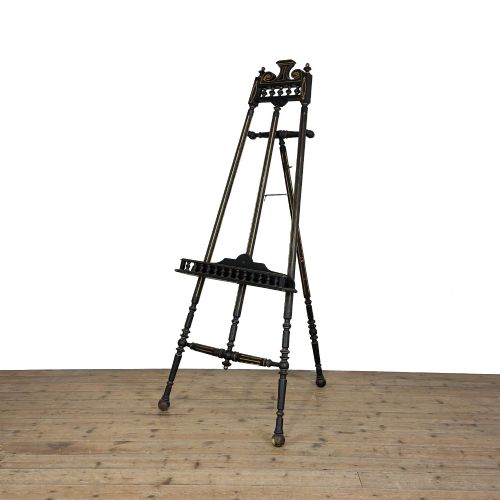
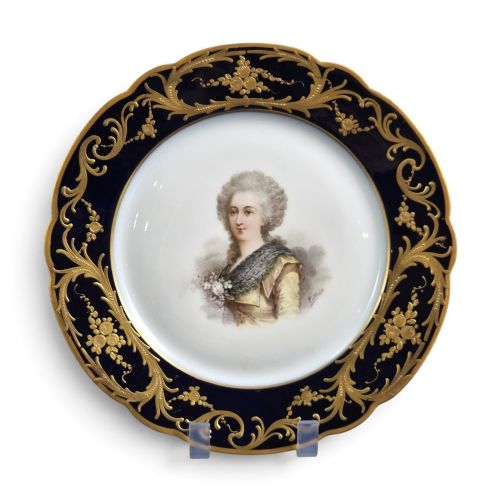
Beyond traditional canvas paintings, the category includes porcelain plates and vases decorated with painted likenesses, alongside decorative display items like floor-standing easels and carved wall mirrors. Each piece brings historic visual narratives into domestic interiors.
How They Were Made
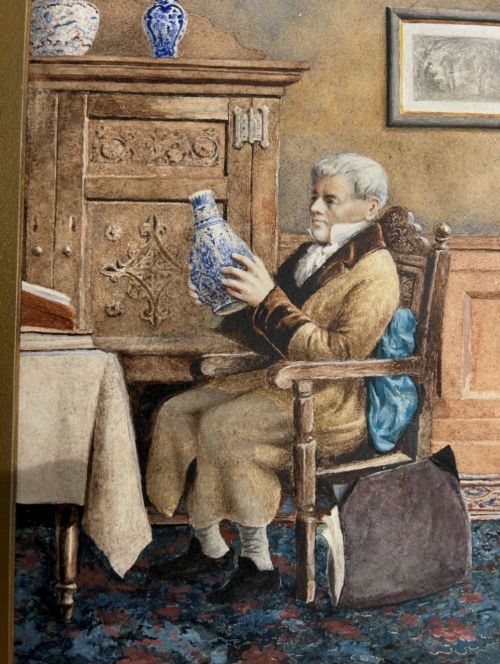
Makers utilised oil paint applied to stretched canvas or wooden panels, building rich compositions through layered pigment and detailed brushwork. Watercolour and pastel on paper also appear across nineteenth-century examples, offering a lighter medium for character studies.
Frames and display supports rely heavily on carved wood, gesso, and gold leaf or giltwood, creating decorative enclosures that match the period style of the artwork. Porcelain items incorporate hand-painted ceramic techniques finished with coloured glazes and gilt detailing.
The inventory records numerous portraits created in the manner of historical painters alongside original nineteenth-century studies.
What Varies In Quality
The craftsmanship of the accompanying housing dictates overall merit, particularly where hand-carved giltwood frames or fine porcelain bodies show intricate detailing and well-preserved surface gilding.
Dumini Leopoldo·Jonny Gaston·Leon Sprinck
The Antique Style Portrait Glossary
- Giltwood
- Wood that has been coated with a thin layer of gold leaf or gilt powder. This finish is typical of elaborate nineteenth-century and earlier picture frames.
- Gesso
- A plaster mix applied to wooden frames or panels as a smooth base for gilding and carving. It allows craftsmen to model intricate relief ornamentation.
- Oil on Canvas
- Pigments bound in a drying oil medium spread across a woven fabric support. This technique defined portraiture from the Renaissance onward.
- Manner
- A descriptive term indicating that an artwork is executed in the style of a specific master rather than by their own hand. It denotes artistic lineage and visual imitation.
- Cabinet Plate
- A decorative ceramic plate intended for display rather than dining. These often feature hand-painted portrait miniatures and gilt borders.
Antique Style Portrait: Frequently Asked Questions
What is an antique style portrait?
An antique style portrait is a painted or drawn likeness of a person created in historical artistic traditions, ranging from seventeenth-century oil works to later revival pieces.
These artworks often emulate famous masters or depict historical nobility, bringing classical character to interior spaces.
How do I hang a heavy framed portrait?
Heavy framed portraits require secure wall fixings suited to the weight of the timber and gesso construction. Using appropriate picture hooks anchored directly into wall studs ensures stable support.
Positioning the painting at eye level allows viewers to appreciate the fine details of the brushwork and the craftsmanship of the frame.
Where should I place these paintings?
These portraits suit formal reception rooms, libraries, and hallways where traditional furnishings complement their historic aesthetic. Placing them away from direct sunlight protects oil pigments and delicate watercolours from fading.
Pairing a canvas with period seating or occasional tables creates a cohesive historical display within a room.