
Antique Style Portrait Paintings
Antique style portrait paintings bring centuries of distinct character, historic dress and grand presence into a room.
Antique Style Portrait Paintings
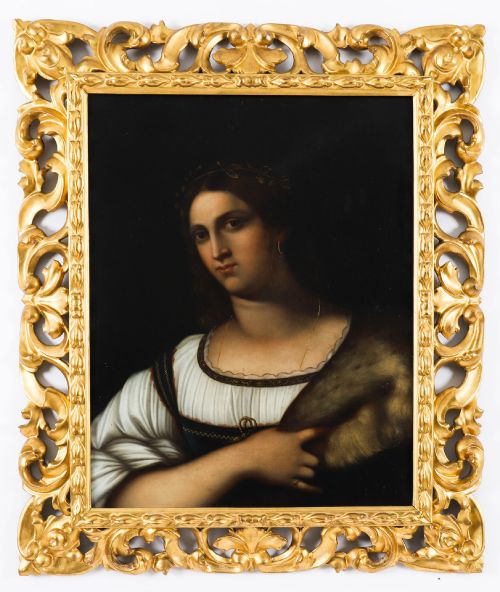
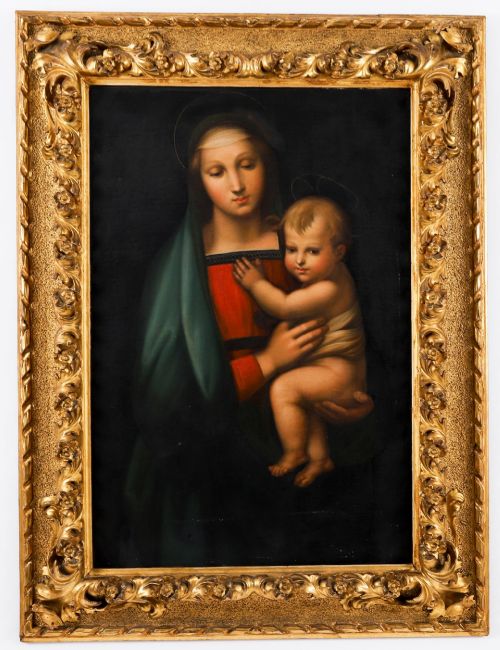
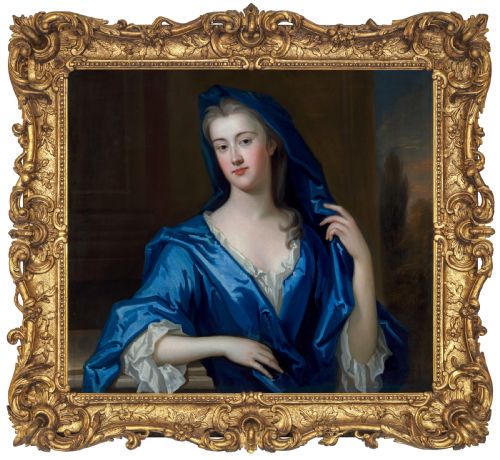
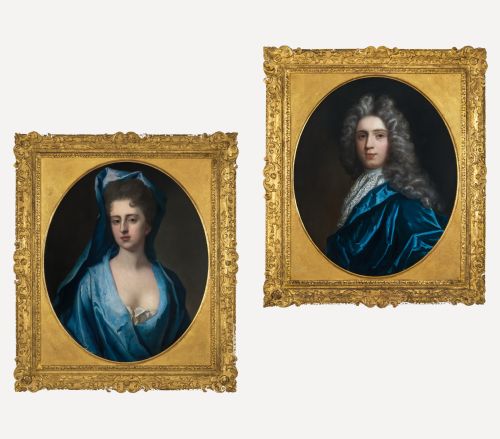
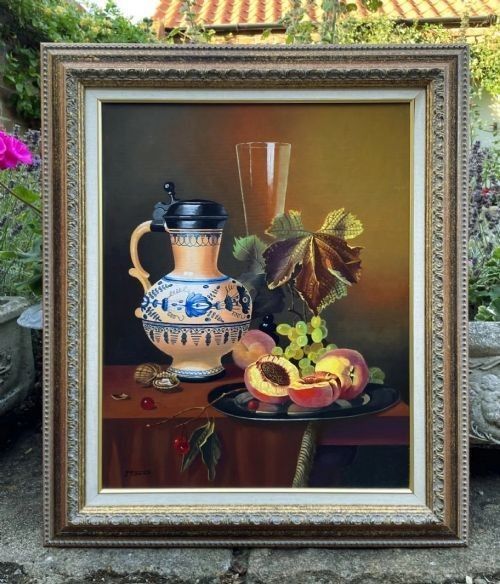
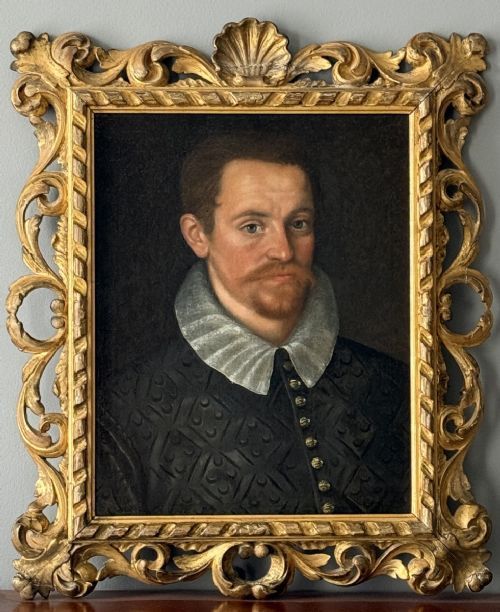
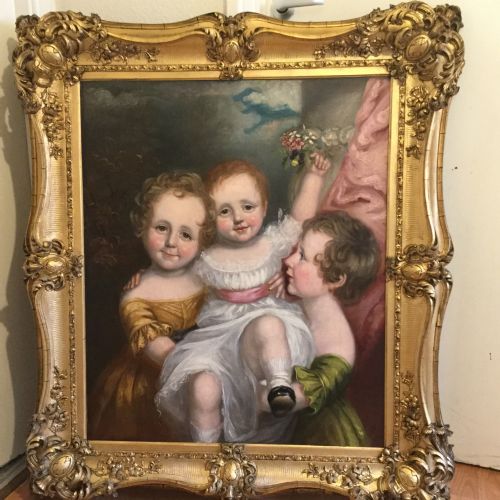
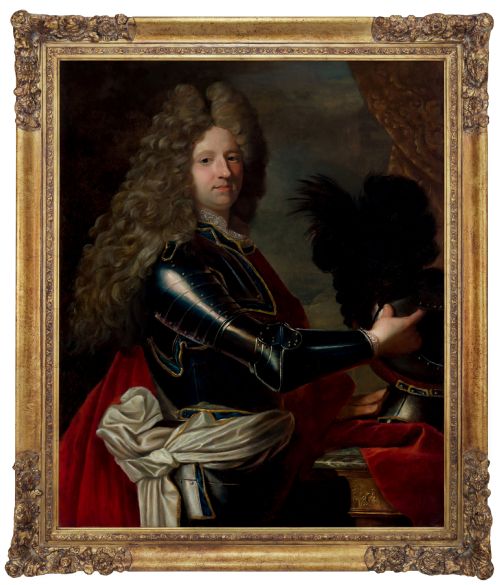
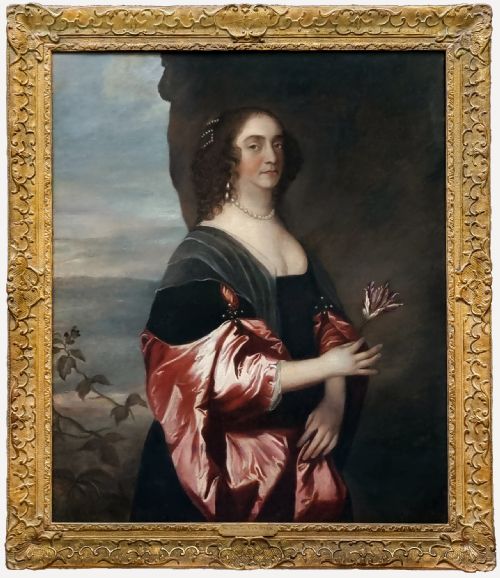
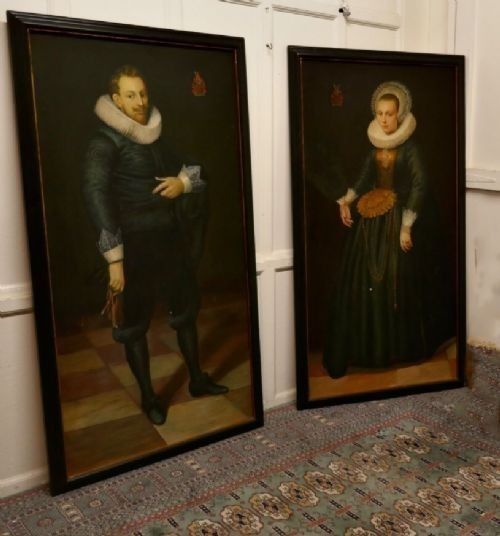
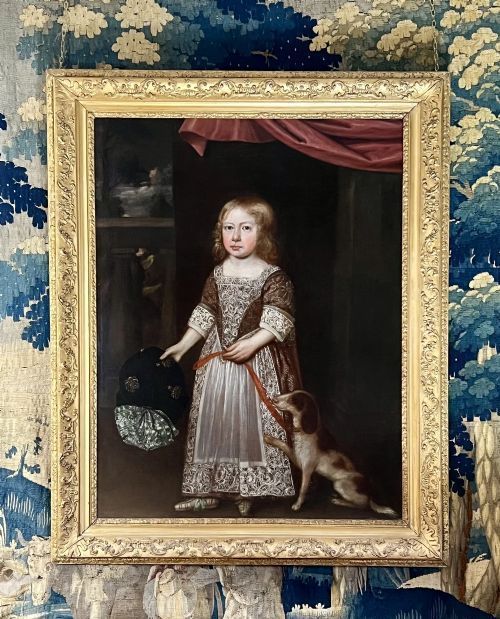
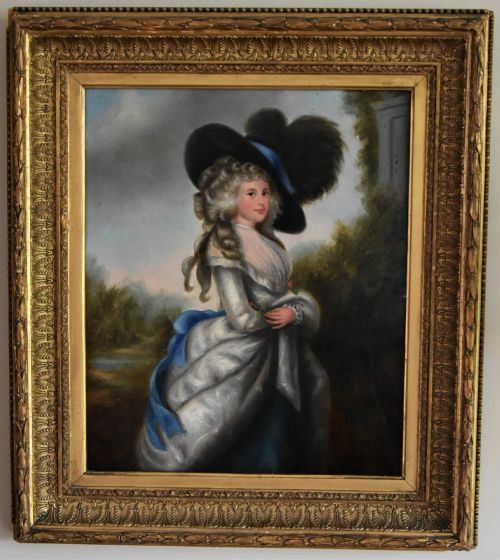
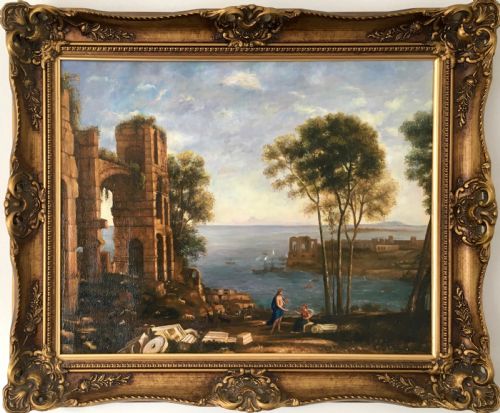
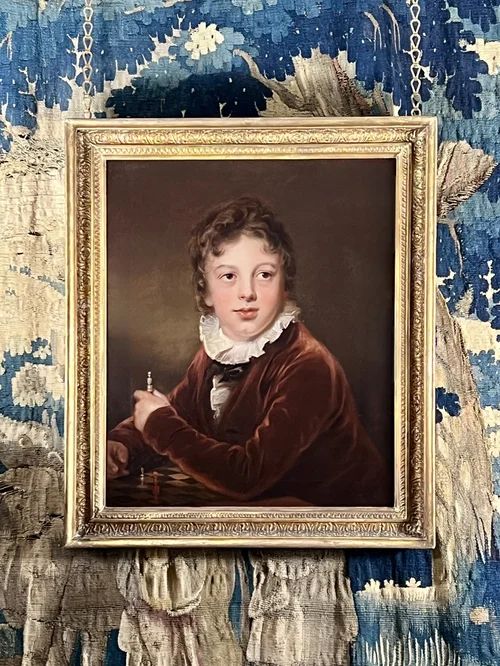
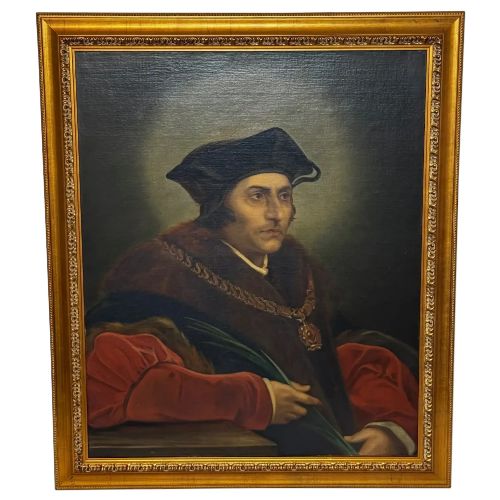
When you search for antique style portrait paintings, you look at works that span from the sixteenth century to the mid-twentieth century, capturing subjects from nobility to country girls in oil, watercolour and pastel. The most frequent pieces on this page are oil paintings on canvas and panel, alongside watercolours and later interpretations after masters.
Many works emerge from specific periods such as the seventeenth-century Baroque, eighteenth-century classical, and nineteenth-century Victorian or Renaissance Revival styles. These pieces often follow the manner of notable painters, reproducing historical likenesses or mythological subjects.
Framing forms an integral part of these items, with many pieces presented in swept giltwood frames, ebonised stands or carved wooden borders. The subjects range from singular depictions of kings and ladies to double portraits and theatrical scenes.
Materials and Techniques
Makers utilised oil paint applied to canvas, wood panels or board, building up rich tones for clothing, flesh and background shadows. Watercolours on paper also appear, offering lighter, more immediate expressions.
Frames play a crucial role in the construction of these works, utilising carved wood, giltwood and gold leaf to create ornate decorative housings. Ebonised finishes and swept mouldings provide structural support and aesthetic contrast to the painted surfaces.
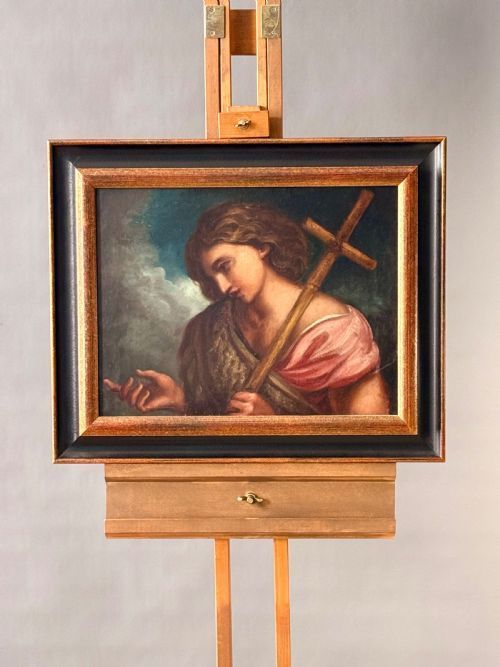
The inventory includes paintings set in carved giltwood frames, ebonised aesthetic floor-standing easels and swept frames.
Assessing Quality and Execution
The harmony between the painting and its frame influences the overall integrity of the piece, with period-appropriate carved giltwood or ebonised settings enhancing the historical weight of the artwork. Studio copies and works by followers vary depending on the fidelity to the original composition and the individual skill of the hand.
Sir Anthony van Dyck·Sir Peter Lely·John Hayls·Pierre Mignard·Sir Joshua Reynolds·Sir Thomas Lawrence·Allan Ramsay·Bernardino Luini·William Hogarth
The Antique Style Portrait Paintings Glossary
- Baroque
- An artistic style from the seventeenth century characterised by dramatic lighting, rich colour palettes and dynamic movement. It often creates a powerful sense of theatre in portraiture.
- Giltwood
- Wood that has been coated with a thin layer of gold leaf or gilt powder. This technique provides a bright, reflective surface for ornate picture frames.
- Oleograph
- A mechanical colour lithograph produced on canvas to simulate an oil painting. These pieces replicate famous compositions for a broader decorative market.
- Panel
- A flat piece of wood used as a rigid support for painting instead of stretched canvas. Artists favoured this durable surface during earlier centuries.
- Renaissance Revival
- A nineteenth-century movement that drew inspiration from fifteenth and sixteenth-century Italian art and architecture. Works in this style borrow classical forms and devotional motifs.
Antique Style Portrait Paintings: Frequently Asked Questions
What is an after-portrait painting?
An after-portrait is a work painted in reference to an earlier, often famous original composition by a master artist. These pieces kept popular historic likenesses in circulation for later collectors.
Artists working in studios or following a master produced these versions to capture the essence of celebrated historic works.
How do I identify the period of a portrait?
Dating relies heavily on the style of dress, hair, framing materials and painting techniques visible in the artwork. Comparing the subject's attire to historical fashion trends offers a primary clue.
Secondary indicators include the support medium, such as wooden panels versus stretched canvas, and the construction style of the surrounding frame.
Where should I hang a portrait painting?
These works suit prominent wall spaces in living rooms, dining rooms or hallways where adequate lighting can highlight the depth of the oils. Historic portraits pair well with traditional interiors and wood-panelled spaces.
Direct, harsh sunlight should be avoided to protect the pigments on canvas, panel or paper over time.
What does circle of an artist mean?
The term circle describes a painter who worked closely in the style and workshop environment of a named master. These artists shared techniques and compositions without necessarily being the primary hand behind the original.
Such works reflect the direct influence and aesthetic standards of the principal master during that era.