
Antique Style Pearls
Antique style pearls encompass delicate seed pearl necklaces, gemstone pendants and inlaid furniture that channel historic elegance.
Antique Style Pearls
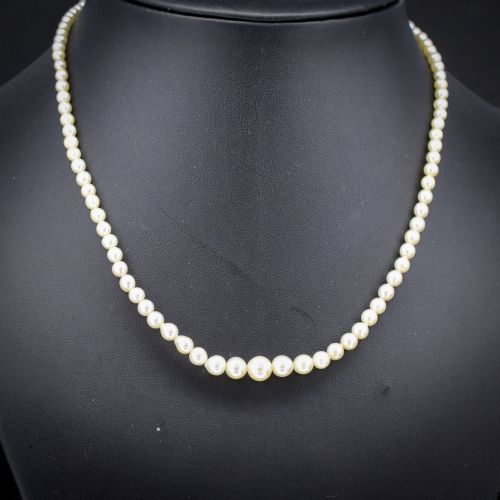
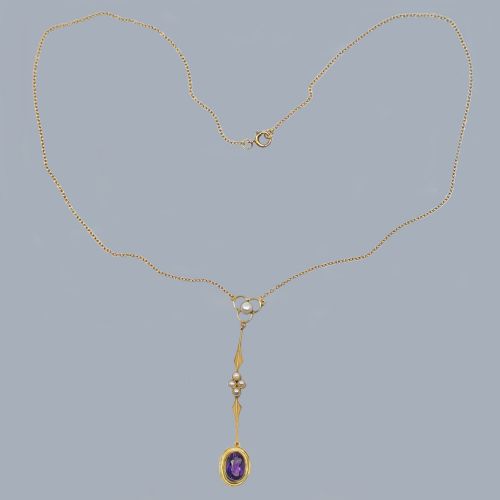
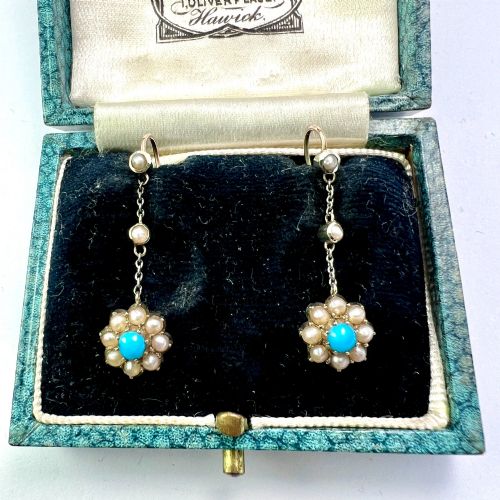
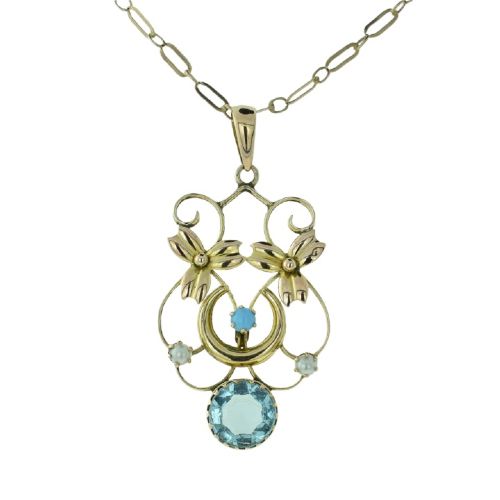
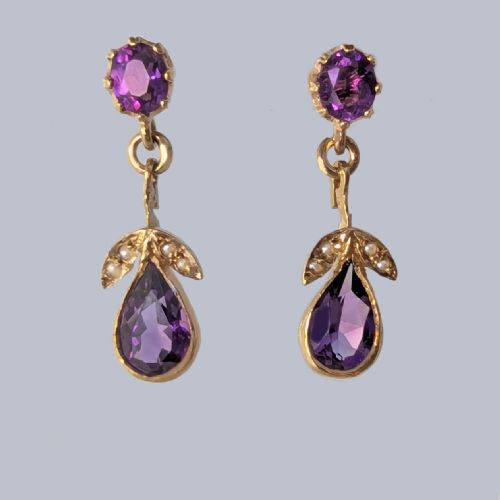
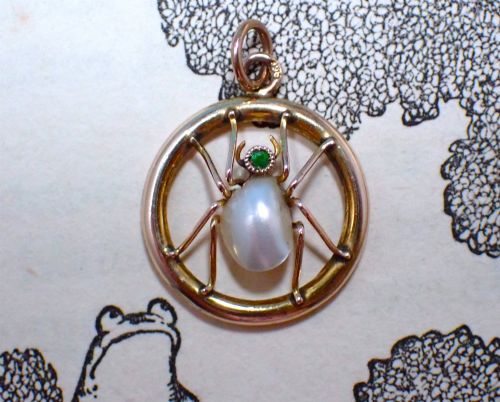
When buyers search for antique style pearls, they encounter a diverse selection of jewellery and decorative items spanning multiple decades. The offerings range from Victorian and Edwardian seed pearl necklaces to Art Deco double strand pearl arrangements and mid-century gold drops.
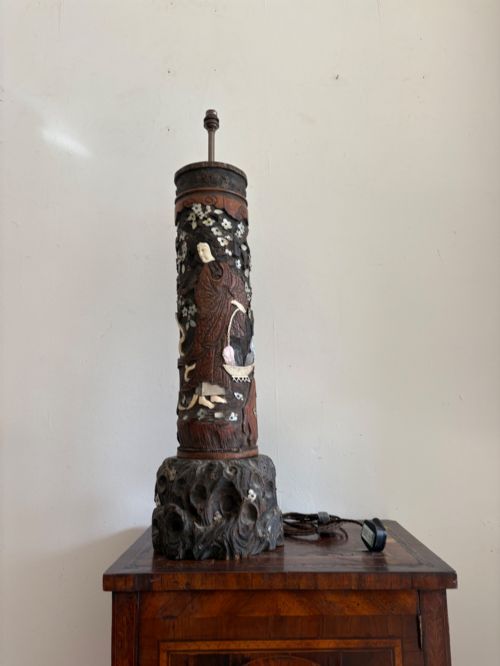
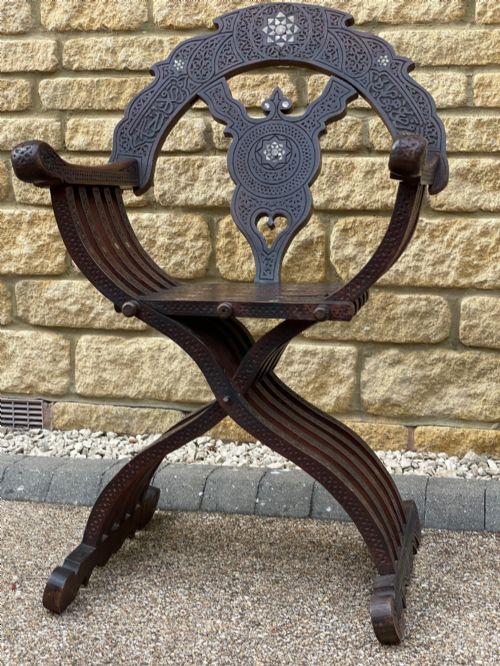
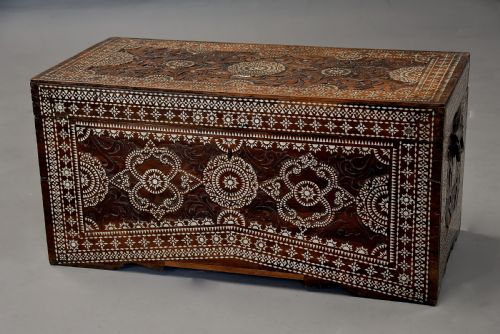
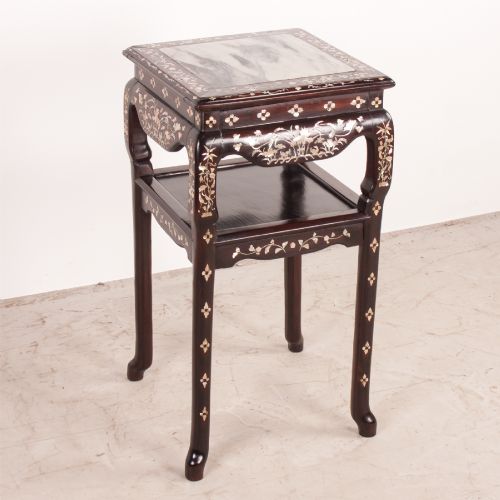
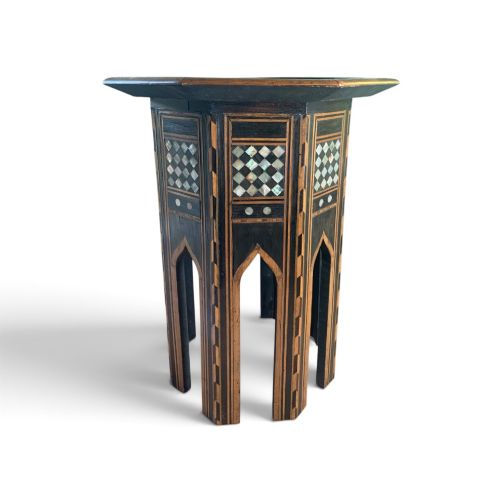
Beyond personal adornment, the listings extend to decorative arts incorporating mother of pearl. Pieces include inlaid Middle Eastern trunks, Syrian chairs, occasional tables and carved brush pots alongside paintings and portraits.
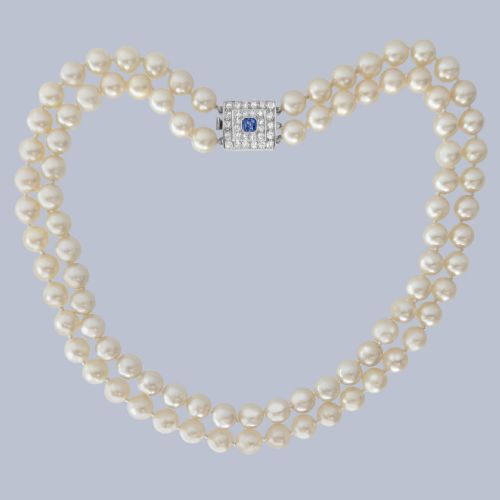
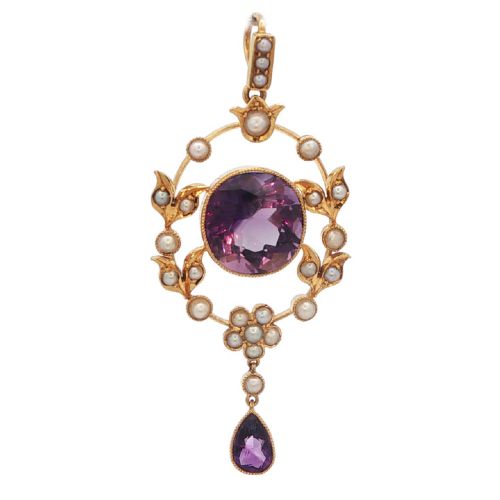
The most common versions met on this page are multi-strand pearl necklaces featuring precious metal clasps and gemstone accents such as sapphires, garnets and amethysts. These items reflect the enduring appeal of traditional ornamentation set in 9ct and 18ct gold or silver.
Materials and construction methods
The construction of these pieces relies heavily on precious metals combined with organic and mineral elements. Goldsmiths utilised 9ct and 18ct gold alongside silver to mount pearls, seed pearls, diamonds, rubies and turquoise.
For decorative objects and furniture, artisans applied mother of pearl inlay onto hardwood, walnut and bone surfaces. Items such as Damascus tables and Moorish chests demonstrate intricate geometric mosaic work set into wood.
Textiles, canvas and porcelain also appear alongside metalwork, utilised in framed oil paintings, portraits and lacquerware. Jewellers employed techniques like closed settings for pastes and detailed filigree work to frame central stones.
Listings feature items spanning the 17th century to the mid-20th century, incorporating materials like pearl, 9ct gold, mother of pearl, diamond and walnut.
Factors determining quality
The quality of these items is defined by the precision of the assembly and the selection of materials. In jewellery, the uniformity of graduated pearls, the integrity of the restrung silk, and the purity of the gold mount dictate the standard.
For inlaid furniture and decorative boxes, quality rests on the retention and alignment of the mother of pearl tiles within the timber framework. Complete geometric patterns and stable joinery distinguish superior examples from heavily restored pieces.
The presence of official assay office gem reports, original clasps, and traceable hallmarks adds authority to jewellery pieces. Maker attribution and period-correct provenance elevate the standing of both furniture and ornamental items.
The Antique Style Pearls Glossary
- Seed pearl
- Very small, naturally occurring pearls often used in clusters or delicate floral motifs during the Victorian and Edwardian eras. They are typically drilled and threaded onto fine silk or wire.
- Mother of pearl
- The iridescent inner layer of mollusc shells utilised for decorative inlay on furniture, boxes and mirrors. It is shaped into thin geometric plaques before being embedded into timber.
- Lavalier
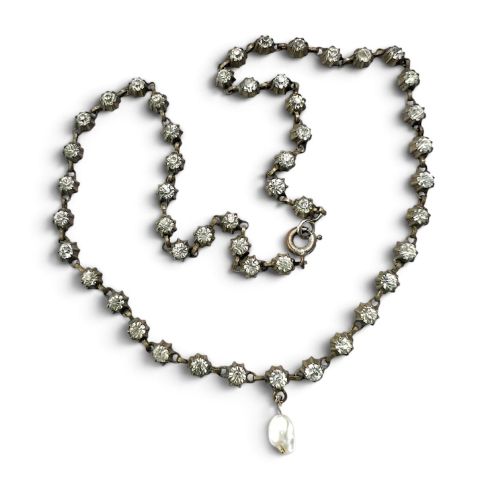
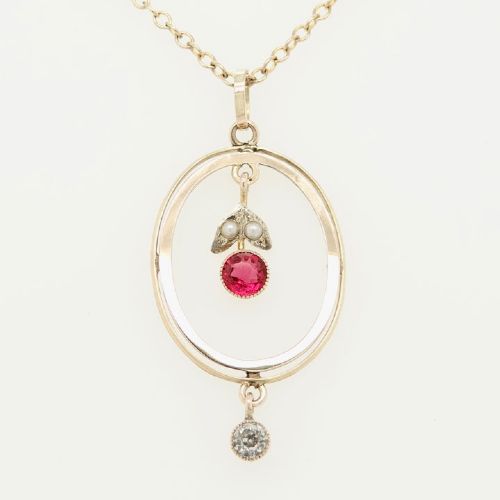
- A pendant necklace featuring a central drop stone suspended below the main setting, popular during the Edwardian and Art Nouveau periods.
- Mashrabiya
- An architectural element of turned wood woodwork panels used in Syrian and Middle Eastern furniture design. These intricate lattice screens appear on inlaid chairs and corner tables.
- Paste
- Hand-cut glass or lead crystal used to imitate gemstones in historic jewellery. It is typically foiled at the back to enhance reflectivity and colour depth.
Antique Style Pearls: Frequently Asked Questions
How do I date pearl necklaces?
Dating pearl necklaces involves examining the clasp material, the stringing technique, and accompanying hallmarks. Edwardian and Art Deco pieces often feature intricate white gold or platinum clasps set with small diamonds or sapphires.
The uniformity and graduation of the pearls also offer clues to the decade of manufacture. Laboratory gem reports can further verify the age and origin of the pearls used in the strand.
What is mother of pearl inlay?
Mother of pearl inlay is a decorative technique where thin slices of shell are fitted into carved recesses in wood. This method was widely used in Syrian, Damascus and Victorian furniture to create shimmering geometric patterns.
The natural iridescence of the shell contrasts with dark hardwoods like walnut, producing highly ornate surfaces on tables, chests and chairs.
Are seed pearl items fragile?
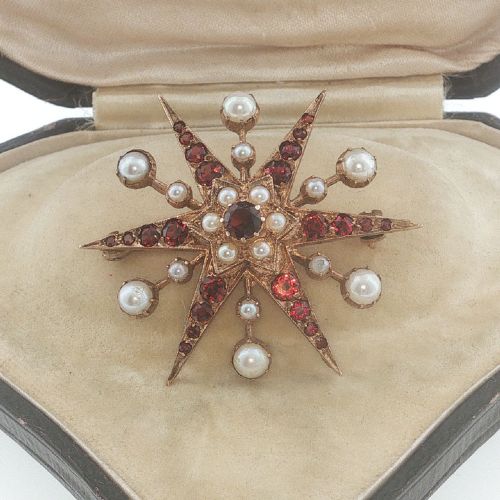
Seed pearl items can be delicate due to the minute size of the pearls and the age of their settings. Pieces such as Victorian starburst brooches and Edwardian pendant necklaces require careful storage to prevent bending the thin gold claws.
Regular inspection by a specialist ensures that the tiny pearls remain secure in their original mountings.