

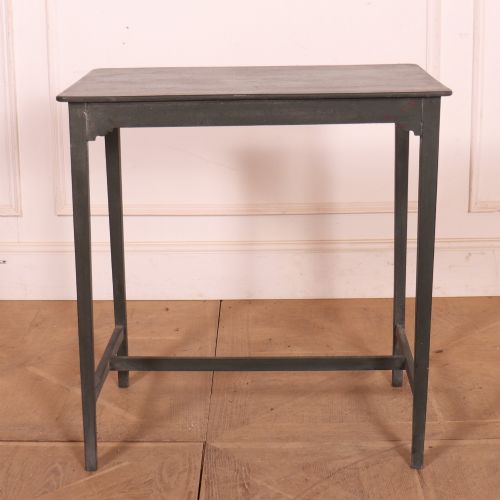


Antique Style Oak Nightstands
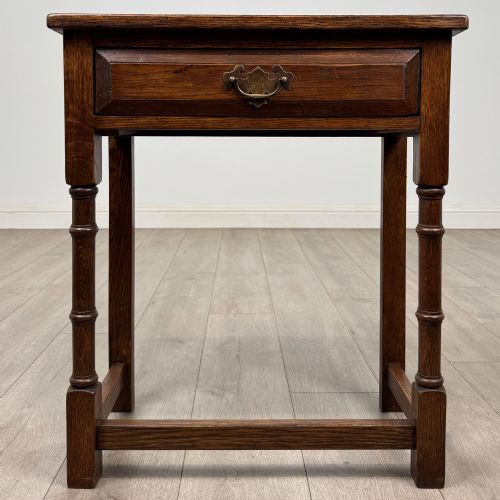
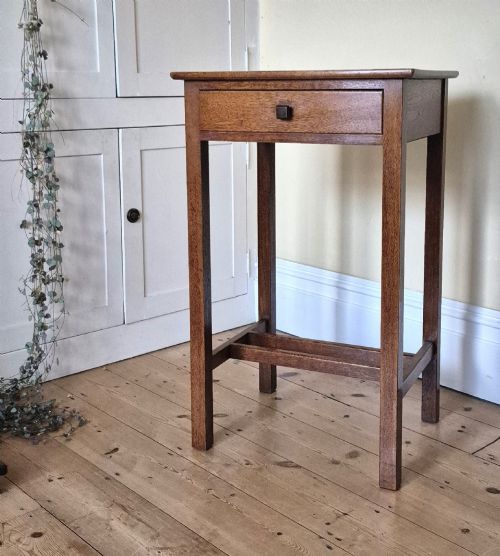
These antique style oak nightstands bring solid timber and practical bedside storage into a bedroom.
Antique Style Oak Nightstands
When you search for antique style oak nightstands, you encounter a selection of bedside cabinets, side tables, and small cupboards produced across several decades. The pieces span from the late nineteenth century through to the interwar period of the 1930s.
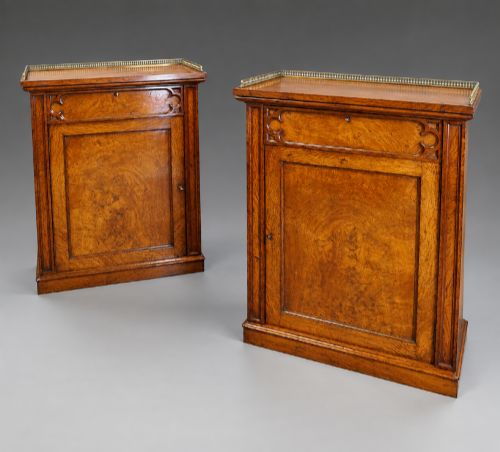
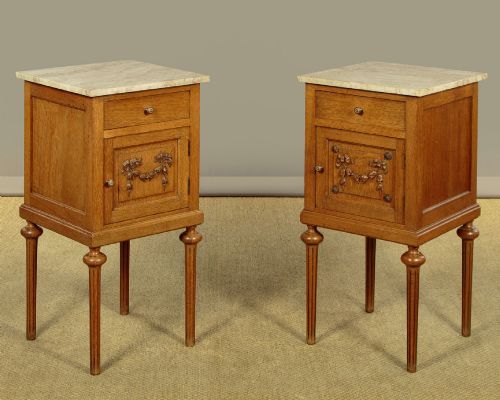
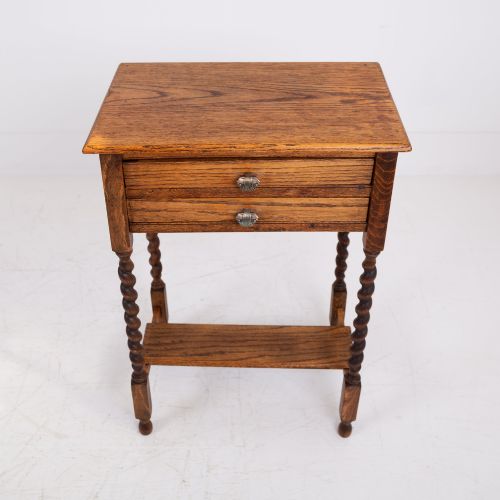
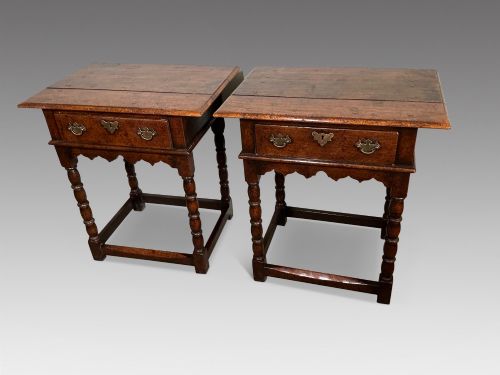
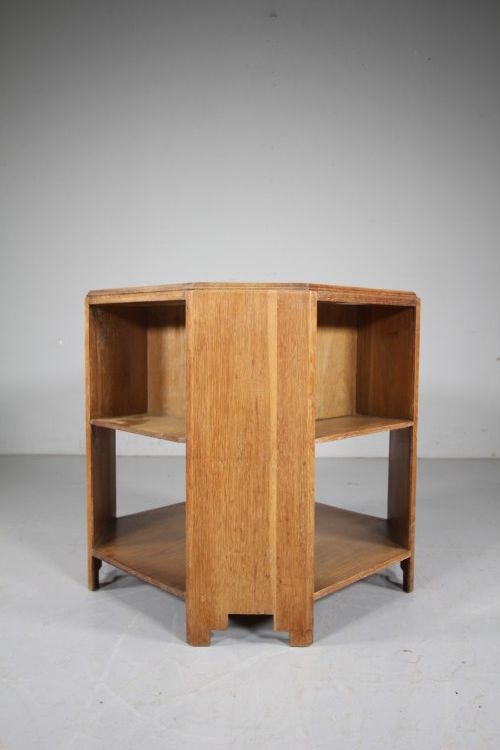
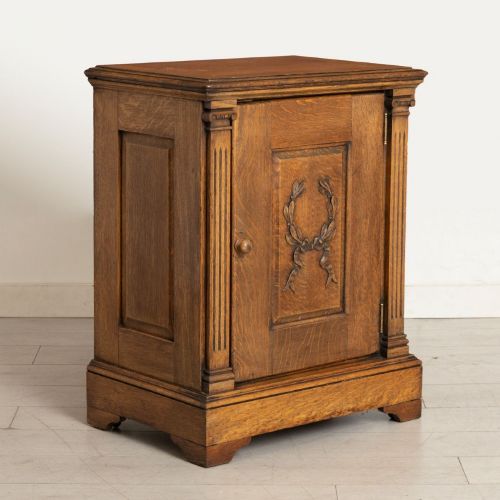
You are most likely to meet oak bedside cabinets and side tables originating from the 1920s and Edwardian eras. These domestic items take forms such as small cupboards on stands, two-drawer tables, and occasionally paired cabinets with marble or tiled tops.
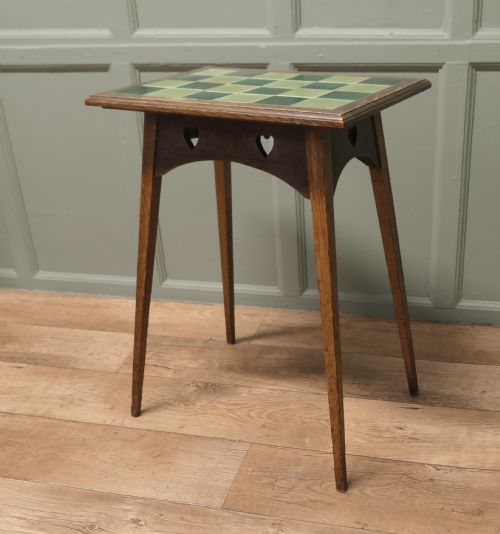
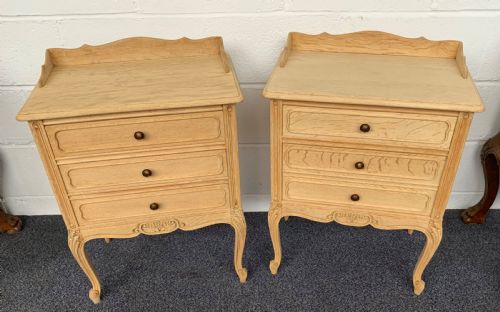
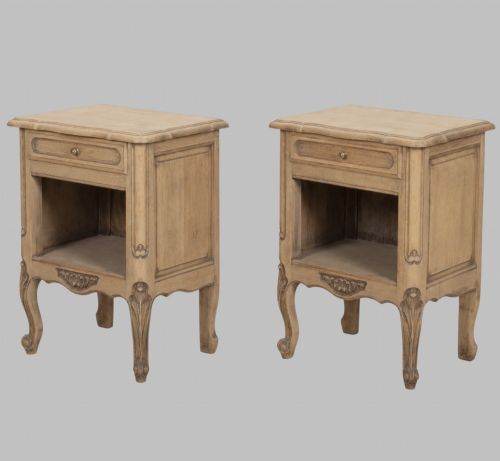
Makers and workshops drew on diverse regional traditions, resulting in styles ranging from Jacobean Revival and Gothic Revival to French Provincial and Arts and Crafts. Pieces often surface in pairs, offering matched bedside storage for a traditional interior.
How they were made
Carpenters utilised solid oak as the primary structural timber, often complemented by secondary woods such as pine for internal framing and drawer linings. Joinery relies on traditional methods appropriate to the period, supporting daily use over generations.
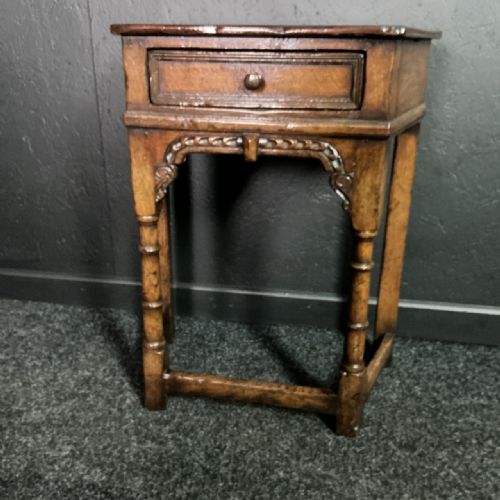
Surfaces frequently feature carved details like friezes and heart motifs, reflecting Arts and Crafts or Gothic Revival influences. Selected examples incorporate contrasting materials including marble tops, ceramic tiles, brass hardware, and iron fittings.
Finishes vary from natural waxed oak to bleached treatments and painted surfaces in black. These diverse treatments reflect both original workshop practices and later stylistic adaptations by makers.
The listings span from the 1880s through to the 1930s, encompassing Victorian, Edwardian, and interwar periods.
What varies in quality
The standard of timber selection and carving execution distinguishes finer examples from simpler utility pieces. Crispness in carved friezes and the integration of auxiliary materials like marble or ceramic tiles indicate higher workshop ambition.
Proportion and structural integrity define the architectural success of a bedside cabinet or side table. Items retaining original brass or iron hardware and uncompromised joints hold greater coherence than heavily altered pieces.
Liberty London
The Antique Style Oak Nightstands Glossary
- Bedside cabinet
- A small enclosed piece of furniture designed to sit beside a bed, typically featuring a cupboard door above or below a small drawer.
- Arts and Crafts
- A design movement of the late nineteenth and early twentieth centuries emphasising honest construction, handcraftsmanship, and simple carved ornamentation.
- Frieze
- The horizontal decorative band situated beneath the top surface of a table or cabinet, often carved with geometric or floral motifs.
- Gothic Revival
- A nineteenth-century architectural and decorative style drawing inspiration from medieval forms, pointed arches, and heavy timber construction.
- Bleached oak
- Timber treated to lighten its natural tone, a finish frequently found on French provincial furniture from the early twentieth century.
Antique Style Oak Nightstands: Frequently Asked Questions
What is an antique oak nightstand?
An antique oak nightstand is a small bedside table or cabinet constructed primarily from oak during the late nineteenth or early twentieth century. These items provide surface space for a lamp and enclosed storage beside a bed.
They appear in various regional styles, including Arts and Crafts, Gothic Revival, and French Provincial, often featuring carved details or alternative top surfaces like marble.
How were these nightstands used originally?
In period bedrooms, bedside cabinets and small cupboards held chamber pots, water jugs, or personal items before modern plumbing became standard. Side tables functioned primarily as lamp stands or small repositories for evening reading.
Today, buyers repurpose them as compact bedside tables that accommodate electrical devices while adding historic character to a bedroom scheme.
Do antique oak nightstands usually come in pairs?
Many listings feature matched pairs of bedside cabinets or side tables, which workshops produced for dual placement flanking a bed. Single tables also appear frequently, originating from smaller bedroom suites or occasional furniture production.
Pairs generally command higher interest among collectors wishing to achieve symmetry in a bedroom interior.
How do I date an oak nightstand?
Dating relies on stylistic clues, construction methods, and materials recorded in the piece. Elements like Arts and Crafts carving, Edwardian proportions, or heavier Gothic Revival framing point to specific decades between the late Victorian period and the 1930s.
Secondary woods, hardware styles, and finish treatments further help anchor a piece within its manufacturing era.