
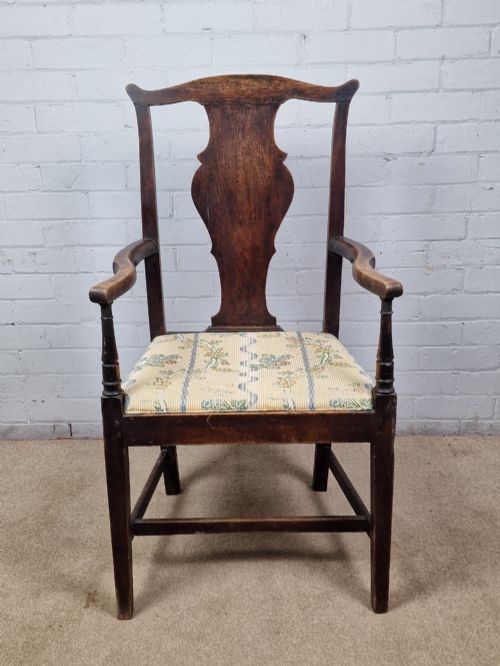
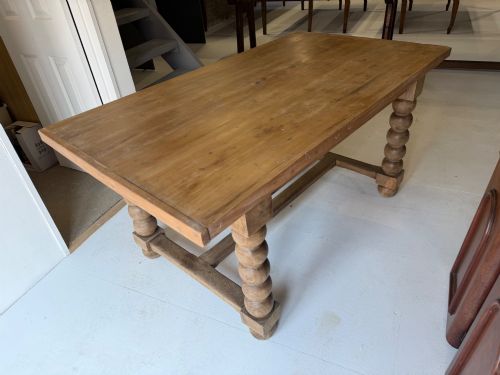
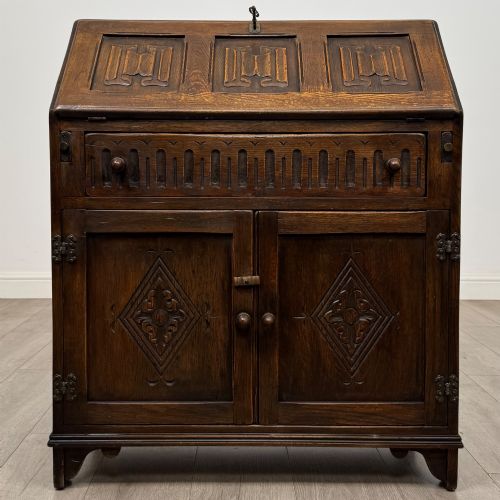
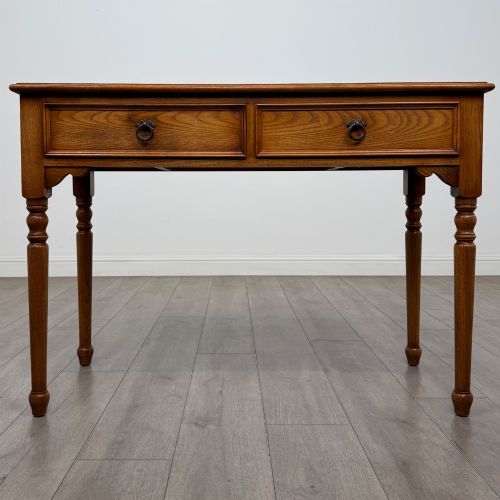

Antique Style Oak Desk
An antique style oak desk brings robust timber grain and period character to a workspace, offering sturdy practicality combined with traditional woodworking.
Antique Style Oak Desk
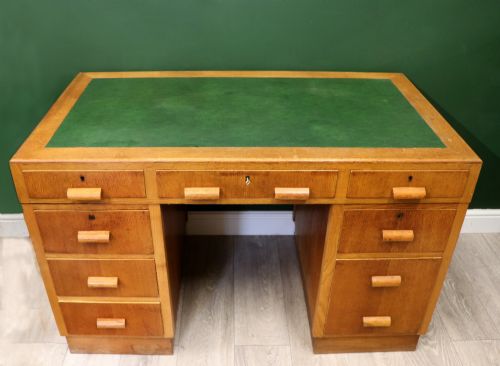
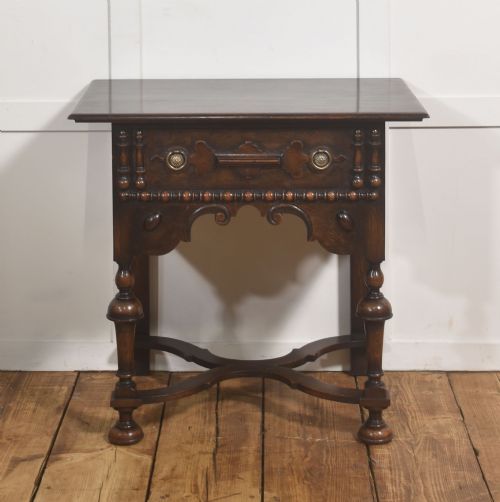
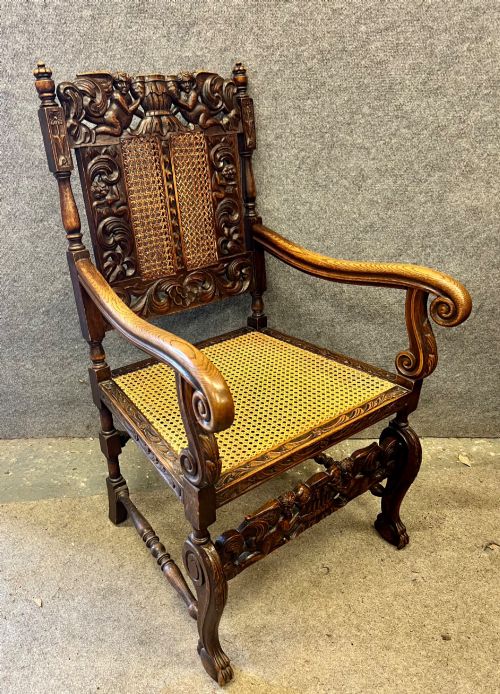
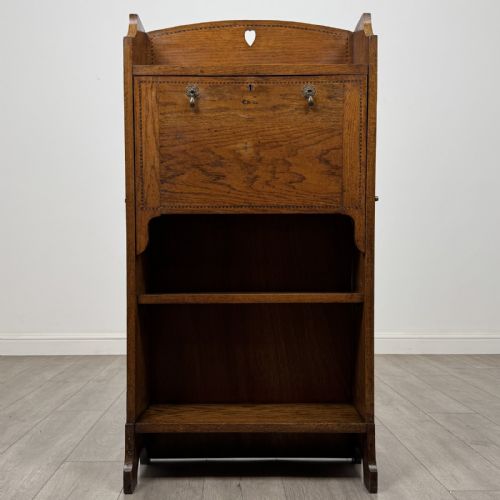
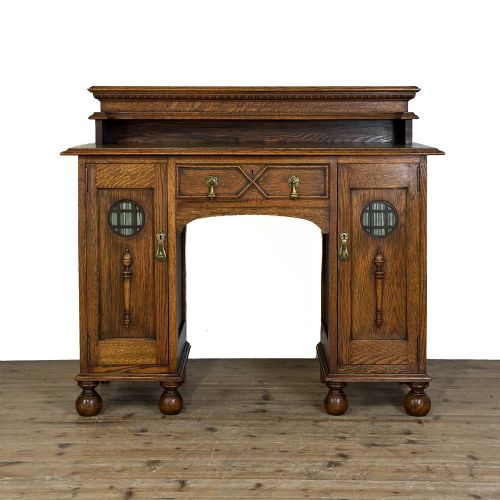
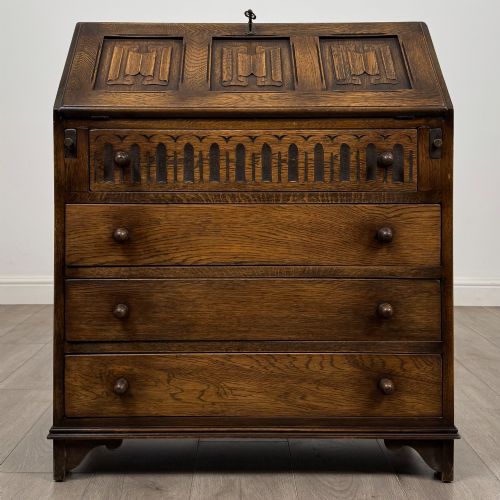
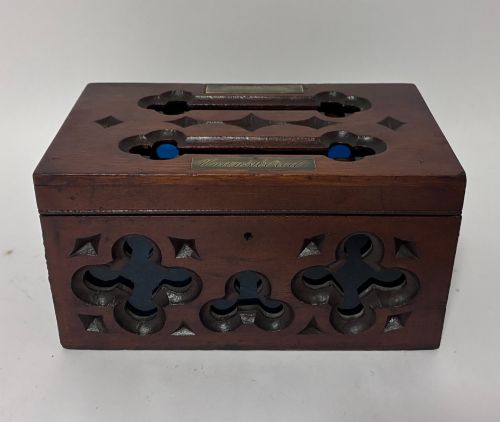
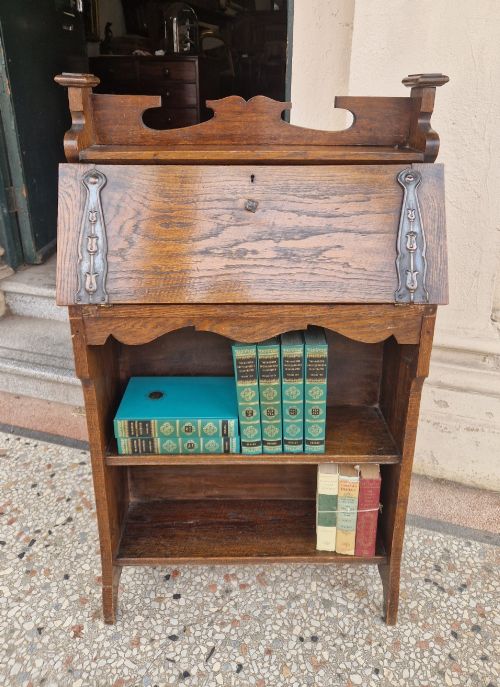
When searching for an antique style oak desk, buyers encounter forms ranging from Edwardian bureaux and writing tables to 19th-century kneehole desks. These pieces reflect historical revivals, incorporating stylistic elements from Jacobean, Gothic, and Arts and Crafts traditions.
Originating largely from British workshops, these desks utilise domestic timber traditions. Buyers find both simple student writing tables and elaborate bureau bookcases fitted with glazed doors and carved panelling.
What varies in quality
The standard of a desk depends heavily on the depth of hand carving and the selection of timber figure, with quarter-sawn oak displaying more pronounced medullary rays. Superior pieces exhibit precise joinery that remains tight and stable over decades of daily use.
Fitted interiors also distinguish finer examples from standard production items, particularly where pigeonholes, small drawers, and secret compartments retain their original hardware and smooth sliding action.
Listings span periods from the 18th century through to the Edwardian era, featuring oak, brass, and leather.
Gillows·Heals
The Antique Style Oak Desk Glossary
- Bureau
- A desk featuring a sloping hinged writing flap that opens to reveal a fitted interior of small drawers and pigeonholes. This form often stands on bracket feet or straight legs.
- Kneehole desk
- A freestanding desk with a central recess for the user's legs, flanked by pedestals containing banks of small drawers. This layout provides symmetrical storage beneath the main writing surface.
- Linenfold
- A style of carved wooden panelling used to resemble folded vertical lengths of cloth. This decorative motif appears frequently on the drop fronts of Edwardian bureaux.
- Quarter-sawn
- A method of cutting logs radially into quarters, which produces timber with enhanced dimensional stability and a prominent decorative grain pattern. Cabinetmakers utilised this cut for visible surfaces on high-grade furniture.
- Pollard oak
- Timber taken from trees that were pollarded, resulting in a dense, highly figured grain with clustered knots. Makers employed this decorative wood for tabletops and drawer fronts.
Antique Style Oak Desk: Frequently Asked Questions
What is an oak bureau?
An oak bureau is a writing cabinet featuring a sloping lid that drops down to create a flat writing surface. Inside, the desk provides small compartments and drawers for stationery.
Beneath the writing flap, these pieces typically include multiple larger drawers for general storage. The compact footprint made them popular in smaller domestic rooms.
How do I date an oak desk?
Dating relies on examining the construction methods, hardware, and stylistic influences present in the woodwork. Edwardian and 19th-century pieces often display machine-assisted precision alongside hand-finished details.
Secondary woods, nail types, and the presence of maker stamps or labels provide further chronological evidence. Revivals of Jacobean or Gothic styles typically point to Victorian or Edwardian manufacturing dates rather than the seventeenth century.
Where were these desks used?
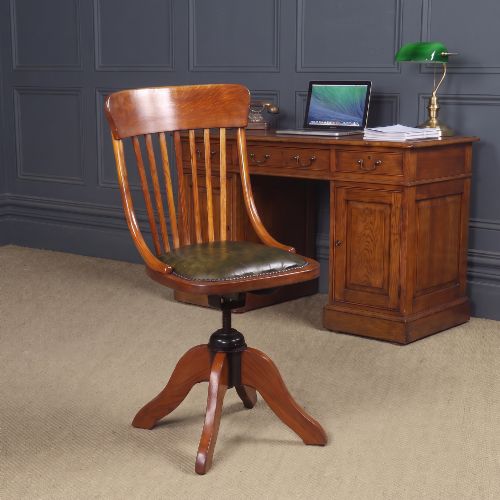
These desks served primarily in home studies, libraries, and estate offices for managing correspondence and household accounts. Smaller student models and writing tables suited bedrooms and parlour rooms.
Commercial premises and railway offices also utilised robust oak furniture for administrative tasks. Their sturdy construction ensured they endured heavy daily clerical work.
How do I care for antique oak furniture?
Maintenance involves keeping the timber away from direct heat sources and rapid temperature fluctuations to prevent the wood from splitting. Applying natural beeswax periodically nourishes the grain and maintains the surface sheen.
Cleaning requires only a soft, dry cloth to remove dust without abrasive polishes. Leather writing inserts benefit from occasional specialist conditioning to keep the hide supple.