




Antique Style Equestrian Art
Antique style equestrian art brings together centuries of paintings, sculptures and tapestries capturing horses and riders across various periods.
Antique Style Equestrian Art
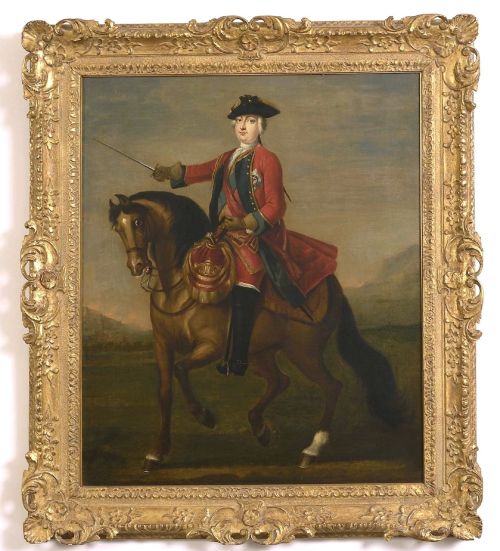
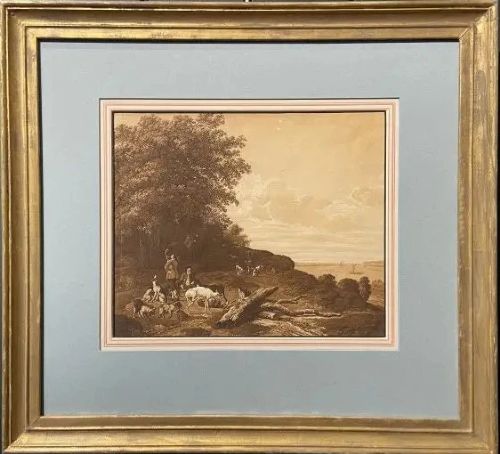
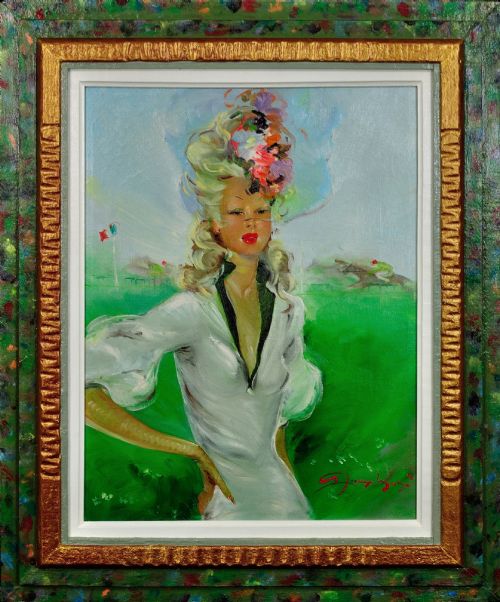
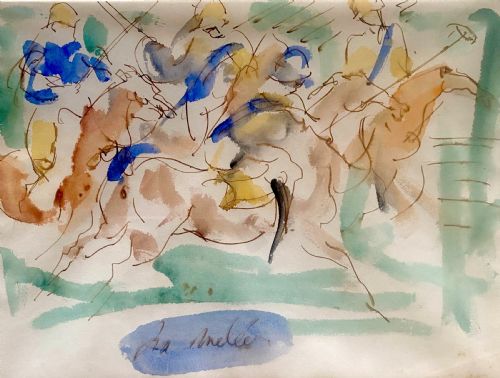
When you search for antique style equestrian art, you encounter oil paintings, sculptures, and tapestries spanning from the seventeenth century through to the mid-twentieth century. The selection ranges from Dutch Golden Age cavalry skirmishes and eighteenth-century portraits to Victorian coaching scenes and folk art wooden models.
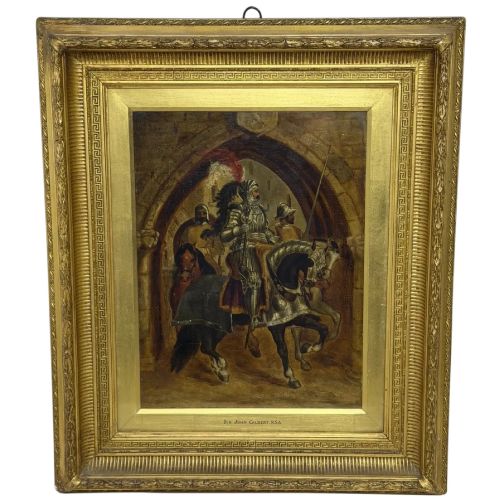
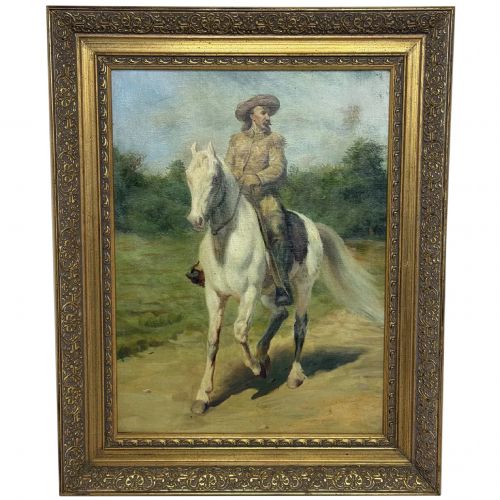
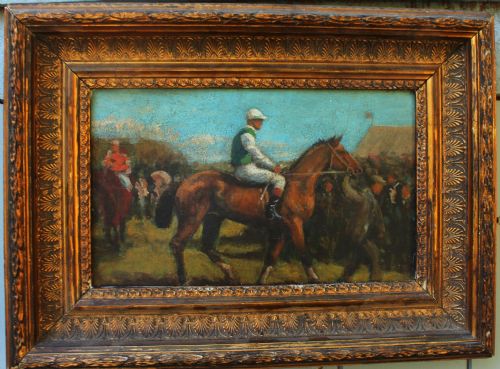
Oil paintings on canvas and board dominate the selection, often depicting hunts, race paddocks, and historical military figures. Sculptures in bronze and carved wood, alongside large framed tapestries, offer alternate physical forms for horse imagery.
The pieces reflect diverse regional aesthetics, including French Baroque, Arts and Crafts, Mid-Century Western, and Victorian styles. Buyers frequently find nineteenth-century representations alongside reproductions and works executed in the manner of earlier masters.
Materials and construction methods
Painters utilised oil paint on canvas, board, and paper, applying traditional techniques seen in Dutch master works and nineteenth-century animal studies. Gouache appears in miniature works on paper, while specialised glass techniques such as eglomise recreate historical compositions.
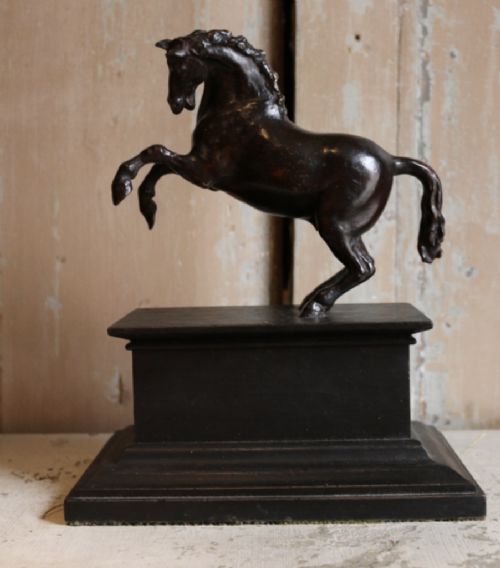
Sculptors cast bronze figures like bucking horses and riders, employing patination to achieve depth on metal surfaces. Carvers shaped solid wood into folk art rocking horses and branch figures, and artisans constructed life-size models using leather over structural frames.
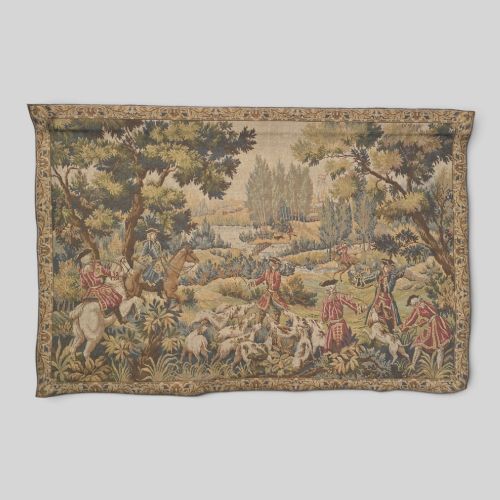
Tapestries were woven on large looms to produce detailed decorative wall hangings depicting historical scenes. Giltwood and plain wood frames were constructed to house canvas paintings and glass panels.
Antique Style Equestrian Art Retail Price Guide 2026
Typical asking prices for style equestrian art among the pieces listed under this phrase on Sellingantiques today, from the lower quarter to the upper quarter. They describe what is for sale here now, not the wider market.
Listings feature oil paintings from the seventeenth to the twentieth century, alongside bronze sculptures, leather models, and woven tapestries.
Factors that distinguish individual pieces
The skill of the brushwork and the anatomical accuracy of the horse and rider separate standard decorative works from superior artistic achievements. Dynamic movement in cavalry skirmishes or racing subjects requires precise control of perspective and form.
The choice of medium and the preservation of the surface layer dictate the visual impact of paintings and tapestries. Original patination on bronzes and the integrity of stitching on leather models contribute significantly to physical quality.
Attributions to specific schools, circles of known artists, or named makers elevate the historical context of a work. The complexity of composition, such as multi-figure hunting scenes and detailed stagecoach depictions, indicates higher artistic ambition.
John Wootton·Thomas Hudson·Johannes Lingelbach·Sir John Gilbert·Alfred Munnings·Abraham Cooper·John Richard Worsdale·John Vine of Colchester·John Charles Maggs·Richard Wilson·Philips Wouwerman
The Antique Style Equestrian Art Glossary
- Eglomise
- A technique involving the application of gold leaf and painting to the reverse side of glass. This method produces a reflective, decorative surface often used for historical reproductions.
- Giltwood
- Wood that has been treated with a thin layer of gold leaf or gold paint. It frequently appears on ornate picture frames housing oil paintings.
- Gouache
- An opaque water-based paint used in miniature paintings on paper. It provides solid flat colours and fine detail.
- Cavalry skirmish
- A genre of painting depicting mounted military combat. These dynamic scenes were popular in seventeenth-century Dutch art.
- Patina
- The surface appearance acquired by bronze or wood through age, handling, and environmental exposure. It adds depth to sculptural metalwork.
Antique Style Equestrian Art: Frequently Asked Questions
What subjects appear in equestrian art?
The subjects include battle scenes, cavalry skirmishes, hunting parties, race paddocks, and coaching travels. Riders range from military commanders and historical figures to cowboys on bucking horses.
Artists also recorded everyday country scenes involving horses and stagecoaches, alongside naive folk art interpretations of working animals.
How do I care for oil paintings?
Oil paintings on canvas or board require stable indoor humidity away from direct sunlight to prevent cracking of the pigment. Dusting should be done gently with a soft, dry brush without applying pressure to the canvas.
Avoid using liquid cleaners or hanging pieces near direct heat sources which can damage both the paint layer and the wooden frame.
Where were large tapestries displayed?
Large woven tapestries were traditionally hung on stone or panelled walls in substantial homes and public rooms. They served both a decorative function and provided insulation against cold draughts.
Today, framed examples serve as major focal points in large living spaces or hallways.
What is folk art horse sculpture?
Folk art horse sculptures are hand-carved or constructed wooden objects made by makers outside formal academic traditions. They include rocking horses, branch figures, and naive animal representations.
These pieces prioritise character and texture over strict anatomical proportion, often retaining original painted surfaces.