





Antique Style Carriage Clock
An antique style carriage clock brings portable nineteenth century mechanical precision and heavy brass and glass housing into domestic spaces.
Antique Style Carriage Clock
An antique style carriage clock is a portable timekeeper designed for travel and domestic use, originating from the nineteenth century when travellers required reliable timekeeping. When searching for an antique style carriage clock, buyers encounter robust examples spanning periods from the 1860s through to the Edwardian era and mid twentieth century stock.
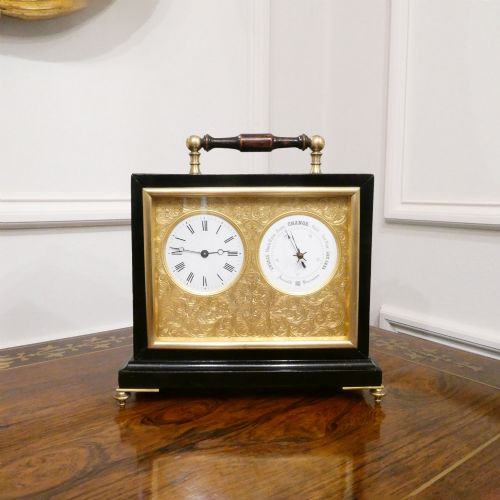
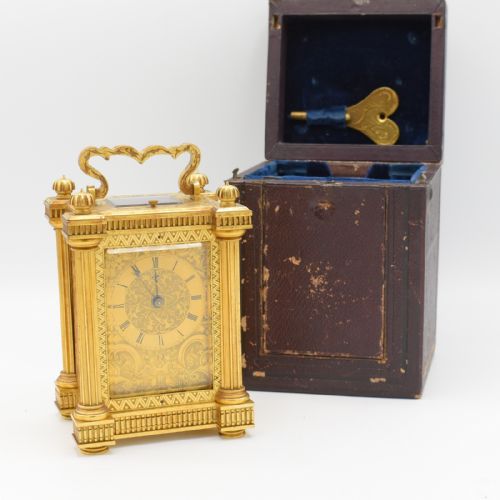
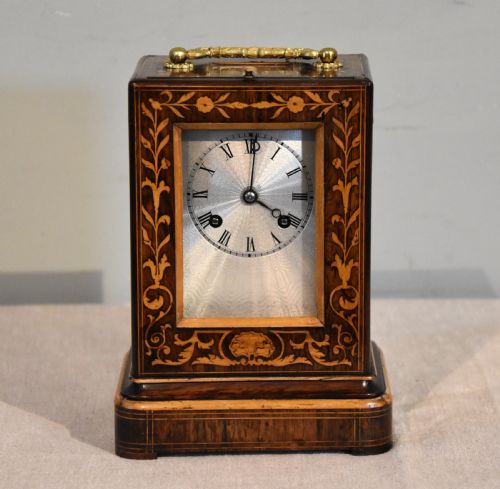
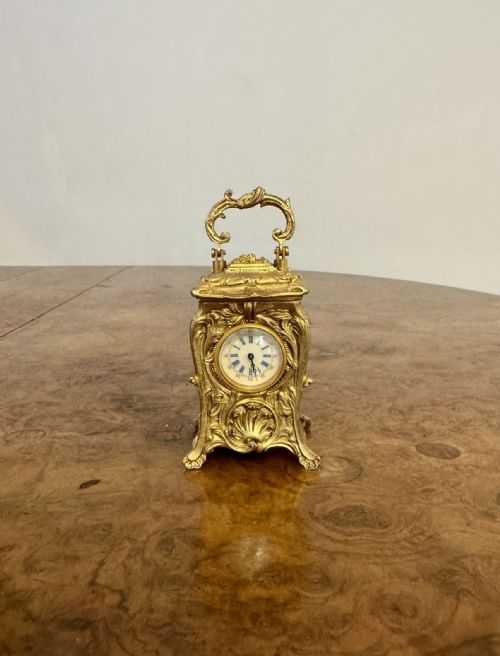
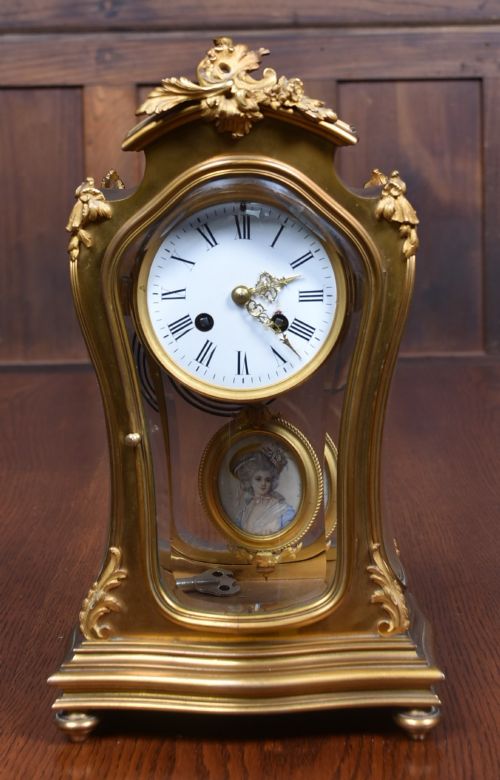
The objects listed on this page encompass various forms including miniature carriage clocks, repeating mechanisms, alarm variations, and four glass mantel clocks. Materials range from solid brass and gilt bronze to ebonised wood and sterling silver, reflecting both French workshop origins and English retailer commissions.
Makers and retailers such as Howell & James, Pickford, L Epee, Tiffany, Dent, J C Vickery, and Malecot appear alongside French Capucine and Pendule d'Officier styles. These timepieces display decorative influences from the Rococo Revival, French Empire, and Gothic Revival styles.
Materials and construction methods
Makers constructed these timekeepers using heavy brass, gilt bronze, and ormolu frames fitted with bevelled glass panels that reveal the internal gear trains and escapements. Enamel dials, often featuring Roman numerals and delicate subsidiary hands, provide the contrasting face for reading the hours.
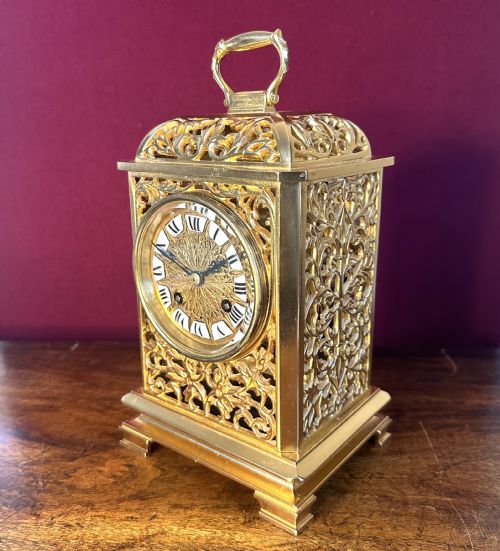
Cases incorporate cast elements, applied filigree decoration, and inlaid wood or sterling silver details depending on the workshop and period of production. Precision mechanical movements frequently feature platforms for escapements, alarms, and repeating complications housed within solid metal frameworks.
Some miniature carriage clocks weigh heavier than they look, packed with enough brass and steel to anchor a ship's logbook.
Distinctions in craftsmanship
The distinction between standard production and top tier pieces rests on the weight of the cast metal case, the crispness of the gilding or ormolu, and the complexity of the internal movement. Signed backplates from renowned makers or retailers elevate the standing of a piece significantly.
Superior examples exhibit thick bevelled glass panes fitted tightly into robust brass frames, alongside refined enamel dials free from hairline fractures. The presence of sophisticated complications such as hourly striking repeaters or alarm mechanisms indicates higher workshop investment.
Howell & James London·Pickford of London·L Epee·Tiffany·Dent·J C Vickery London·Malecot of Paris·Garrard and Co
The Antique Style Carriage Clock Glossary
- Carriage clock
- A small, portable spring driven clock made for travelling during the nineteenth century. These pieces typically feature a rectangular brass case with glass panels and a swinging handle on top.
- Repeater
- A mechanical complication that chimes the hours and quarters when a button or lever is pressed. This feature allowed owners to check the time in the dark.
- Four glass clock
- A mantel timekeeper encased in glass on all four sides, permitting a full view of the interior movement. They often sit on stepped brass or gilt bases.
- Capucine
- An early French carriage clock design characterised by striking bells mounted on top and distinctive architectural corner pillars. They represent precursors to the standard nineteenth century carriage clock.
- Ormolu
- Finely ground high carat gold cast and mercury gilded onto a bronze base. This technique produces a warm, deep metallic lustre found on high quality French cases.
- Platform escapement
- The tiny self contained assembly holding the balance wheel and spring placed visibly at the top of the movement. It replaced the pendulum to allow portable timekeeping.
Antique Style Carriage Clock: Frequently Asked Questions
How do I wind a carriage clock?
Use the dedicated winding key on the underside or backplate of the clock to turn the arbour gently until resistance is felt. Take care not to overwind the mainspring, as this can snap the internal steel.
Move the hands only in a clockwise direction when setting the time. Turning them backwards can damage the delicate gear train and strike sequence.
Why does my clock run fast or slow?
Mechanical timepieces fluctuate due to temperature changes, age, and the lubrication state of the internal brass gears. Adjust the rate using the small regulator lever positioned near the balance wheel on the top platform.
Move the pointer towards the fast or slow indicator in tiny increments over several days. Patience is required to bring an antique movement back to accurate timekeeping.
Where should I place a carriage clock at home?
Select a stable, level surface away from direct sunlight, central heating vents, and damp exterior walls. Mantelpieces, sturdy desks, and secure side tables provide ideal environments for display.
Avoid high traffic areas where the clock might suffer accidental knocks. Because these pieces are heavy, a solid base prevents vibrations from disturbing the pendulum or platform balance.
How do I identify French versus English carriage clocks?
French examples from the nineteenth century often utilise distinct platform escapements and numbered movement plates stamped with maker insignia like L Epee. Their case designs frequently lean towards ornate gilt brass, champleve enamel, or Rococo Revival styling.
English pieces tend to feature heavy fusee movements and signatures from London retailers such as Dent or Vickery. The casework can incorporate robust brass casting or bespoke wooden housings tailored for the domestic market.