
Antique Style Canvas
Antique style canvas works bring historical portraits, maritime scenes and classical subjects into contemporary rooms through traditional oil painting on woven textiles.
Antique Style Canvas
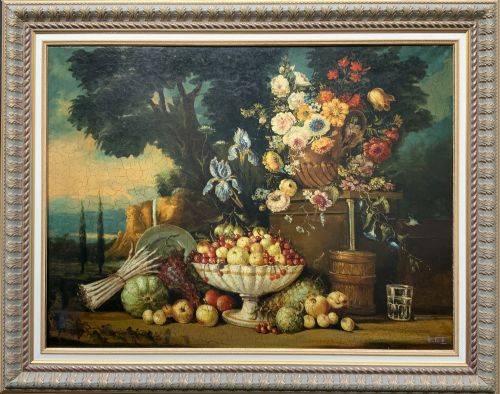
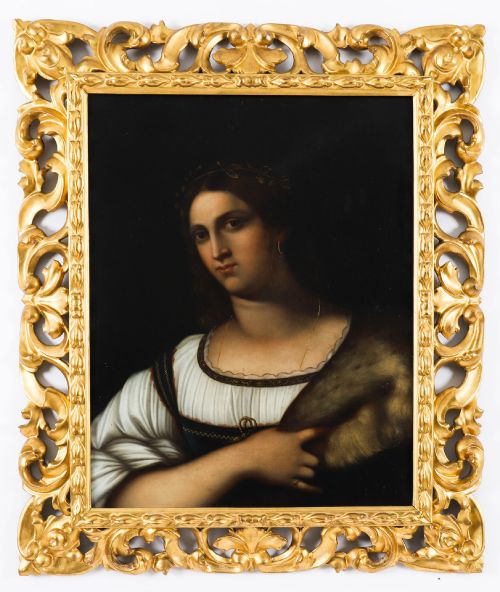
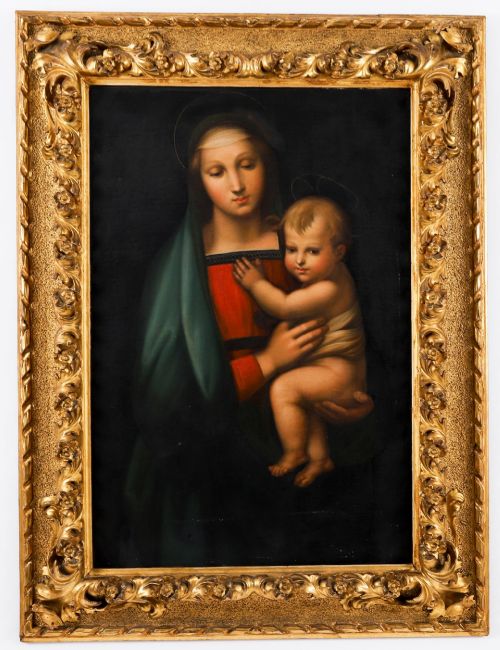
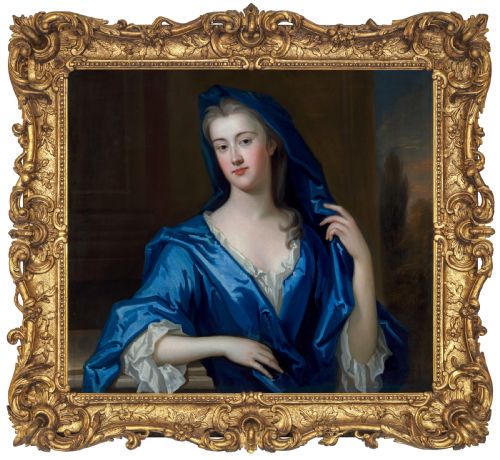
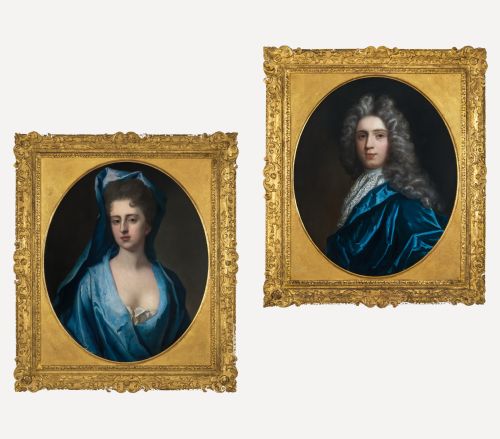
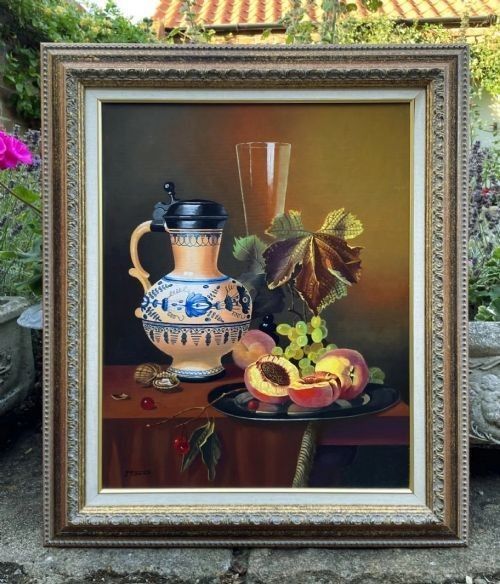
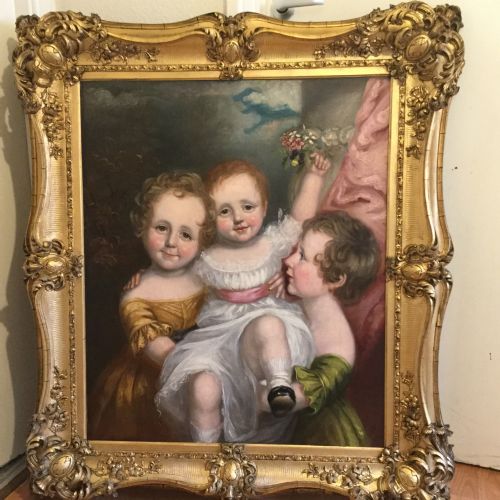
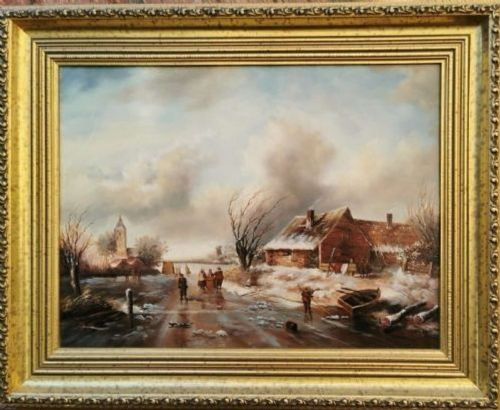
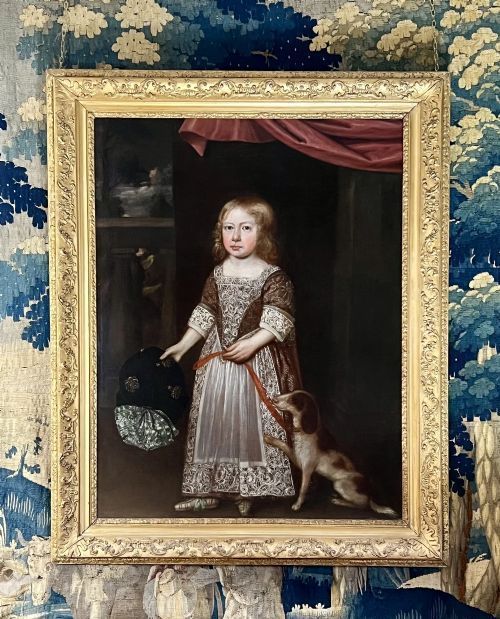
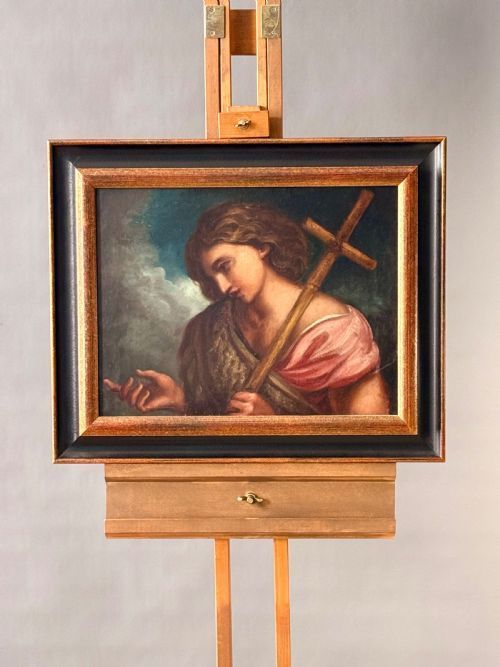
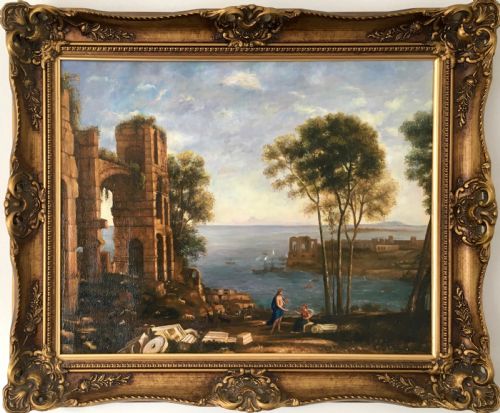
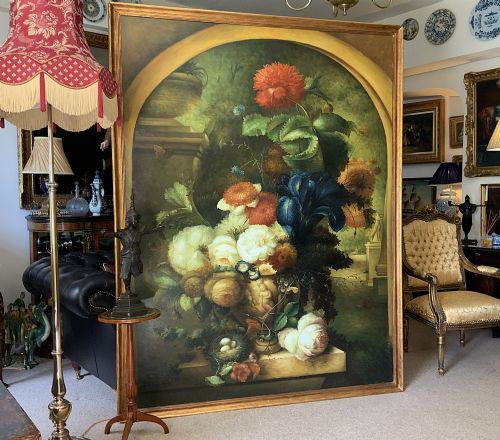
Searching for antique style canvas leads primarily to oil paintings executed on woven fabric supports, ranging from genuine seventeenth and eighteenth-century portraits to later interpretations of Dutch and Italian masters. These works span domestic portraiture, mythological scenes, and still lifes depicting fruit and flowers.
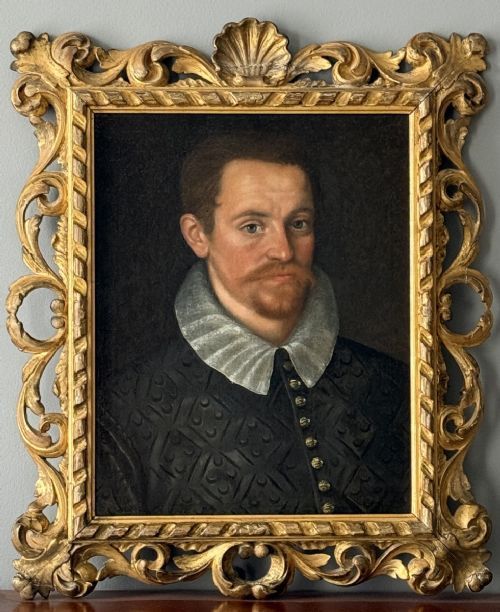
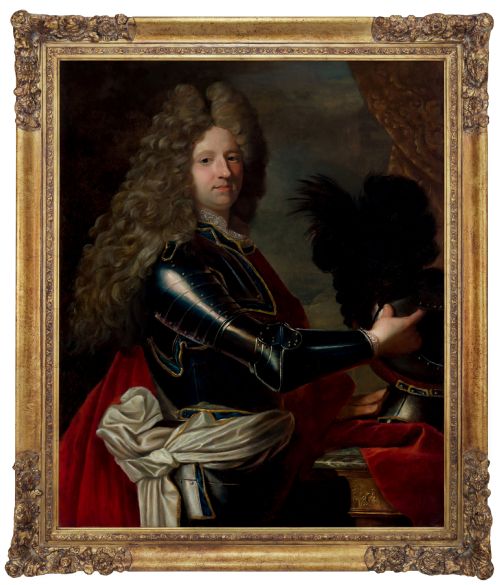
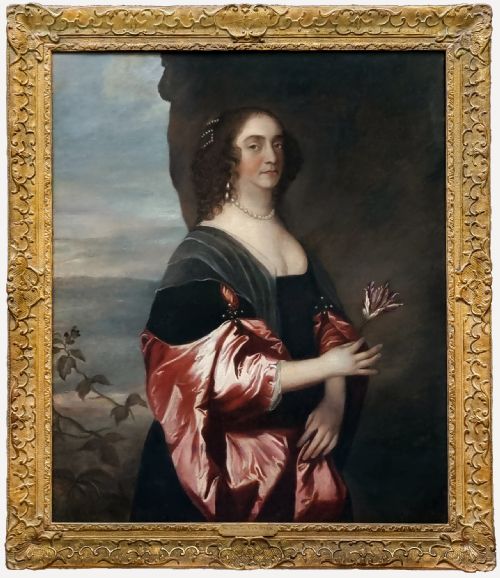
Buyers frequently encounter portraits of nobility and religious figures attributed to various European schools, often framed in elaborate giltwood mouldings. The selection includes both original historic pieces and subsequent adaptations created in the nineteenth and twentieth centuries.
The objects take the form of fine art wall paintings and framed panels, reflecting periods such as the Dutch Golden Age, Baroque, and Regency styles. Canvas serves as the unifying medium across centuries of artistic output.
Materials and construction methods
The primary material foundation relies on woven canvas stretched across wooden support frames, coated with preparatory grounds before receiving layers of oil paint. Artisans employed oil pigments combined with natural resins to build depth and luminosity across the pictorial surface.
Frames utilise carved wood and applied gold leaf to create ornate gilded borders that complement the painted scenes. These heavy wooden surrounds protect the canvas edges and provide structural rigidity for wall mounting.
Materials appearing across the inventory include gilt wood, gold leaf, and traditional oil pigments applied to woven fabric supports.
Distinctions in craftsmanship and execution
Quality separates through the finesse of brushwork, anatomical proportion in portraiture, and the treatment of light and shadow within the composition. Masterful handling of oil paint creates convincing fabric textures, skin tones, and atmospheric depth.
Sir Peter Lely·Sir Thomas Lawrence·Hyacinthe Rigaud·Hans Holbein
The Antique Style Canvas Glossary
- Oil on Canvas
- A painting medium where pigments are bound with drying oils, applied to a woven fabric surface stretched over a wooden frame. This combination allows for rich colour blending and lasting flexibility.
- Giltwood
- Wood that has been carved and coated with a thin layer of gold leaf or metallic powder. It provides ornamental brilliance to picture frames from the Baroque and Georgian periods.
- Capriccio
- An architectural fantasy artwork placing together buildings, archaeological ruins, and other architectural elements in a fictional combination. Artists often utilised this style to depict idealized Mediterranean landscapes.
- Doublet
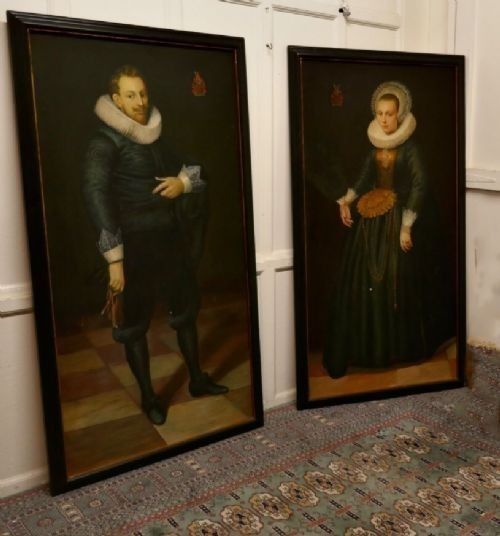
- A close-fitting men's jacket worn during the Renaissance and seventeenth century. It frequently appears in historical portraits with intricate embroidery and matching ruffs.
- Provenance
- The documented history of ownership of an artwork, establishing its authenticity and lineage. A recorded pedigree connects a painting to notable estates or collections.
Antique Style Canvas: Frequently Asked Questions
How do I care for an oil on canvas painting?
Keep the artwork away from direct sunlight and fluctuating humidity levels to prevent the canvas from sagging and the oil paint from cracking. Dust the surface gently with a soft, dry brush without applying moisture or cleaning solutions.
Ensure the wooden stretcher frames remain stable behind the canvas. Professional conservators should handle any structural repairs or cleaning of aged varnish layers.
What is an after or follower painting?
Paintings labelled as after an artist indicate works created by later painters copying a renowned composition. These pieces served as study exercises or commemorative tributes to established masters.
Follower designations refer to artists working closely within the stylistic manner of a specific master during or shortly after their active period. These works share technical methods and visual themes without being direct copies.
How can I identify the age of a canvas?
Examine the weave of the fabric and the preparation layers on the reverse side of the stretcher frames. Older canvases often display hand-woven irregularities and aged organic fibres.
Look at the oxidation of the oil pigments and the construction methods of the wooden framing elements. Tack holes and nail types along the edges also provide clues regarding the period of assembly.
Where should I hang a large portrait canvas?
Position large portraits on prominent walls with stable ambient temperatures, avoiding exterior walls prone to dampness or temperature extremes. Ensure the hanging hardware is securely anchored to support the weight of heavy wooden frames.
Pair these works with traditional lighting sources that highlight the oil surface without generating excessive heat. Adequate wall space allows the elaborate giltwood frames to project properly.