
Antique Style Candlesticks
Antique style candlesticks bring classical proportion and enduring metalwork into a room, spanning revival periods from the nineteenth century onwards.
Antique Style Candlesticks
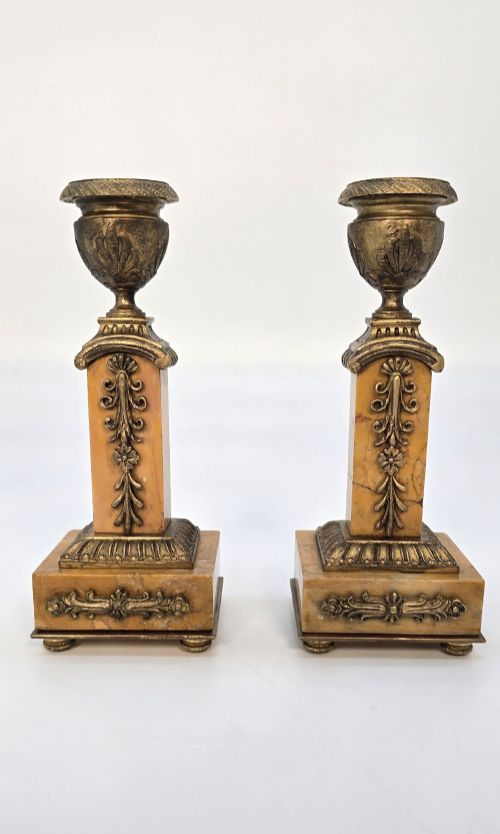
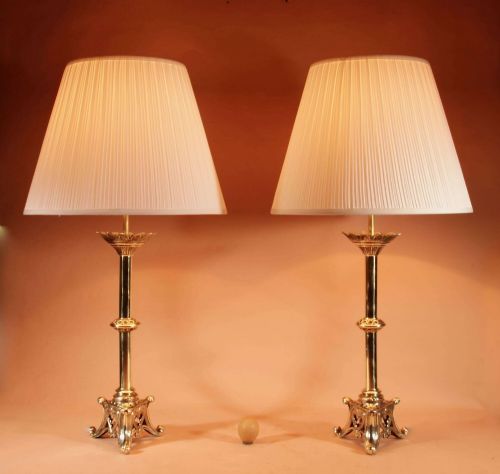
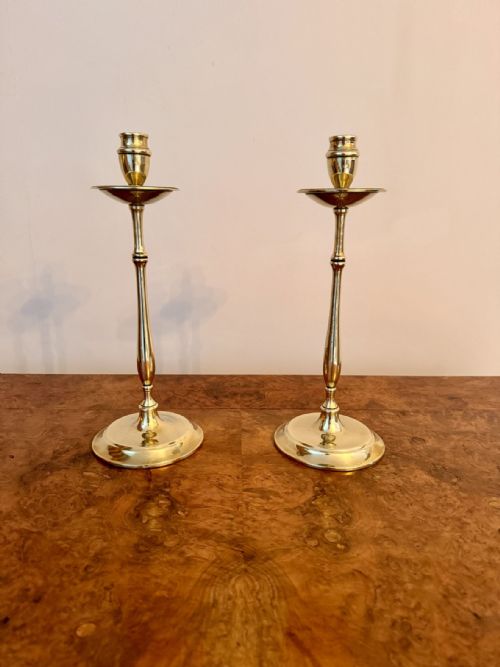
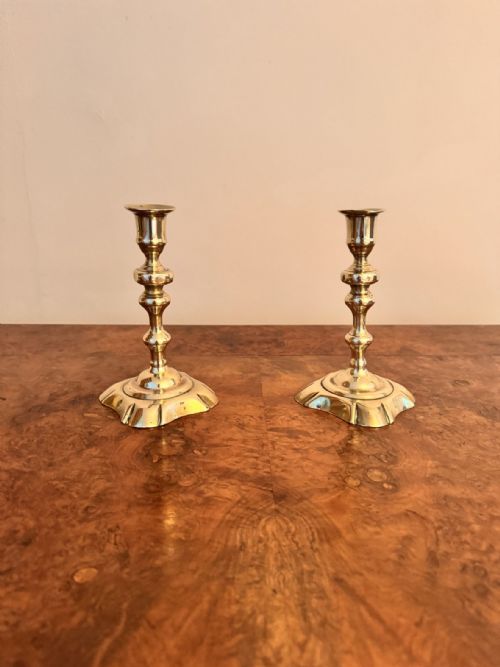
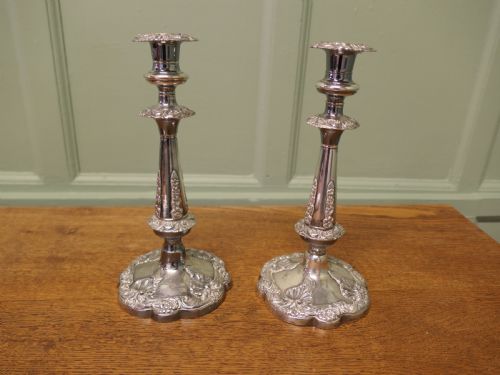
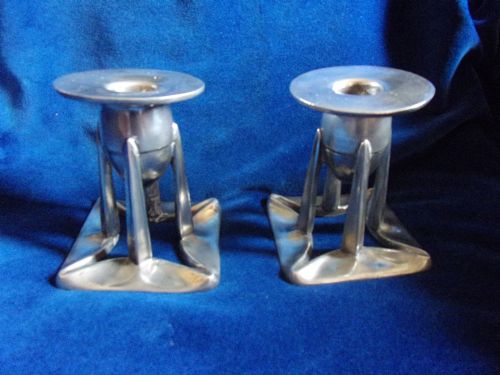
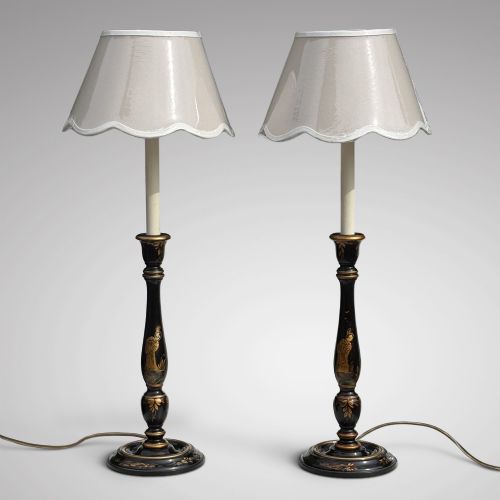
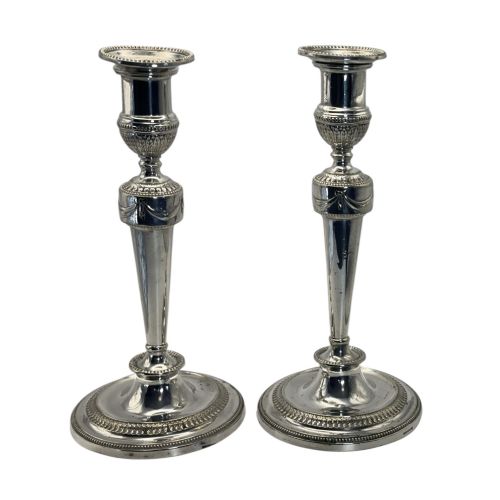
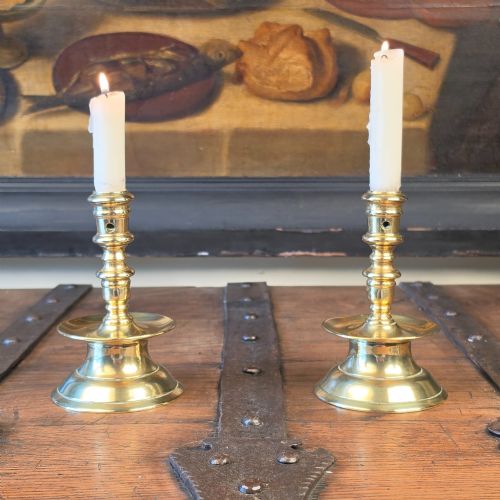
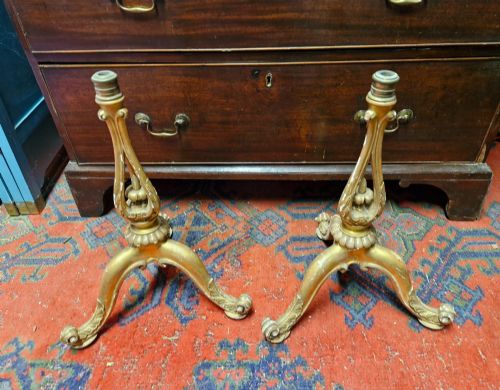
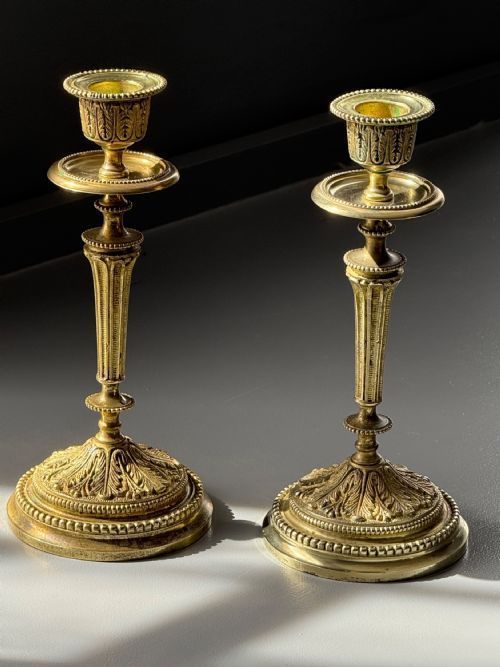
When you search for antique style candlesticks, you encounter lighting and decorative pieces originating predominantly from the nineteenth and early twentieth centuries, alongside various revival periods. The inventory reflects traditional forms such as standard candlesticks, multi-branched candelabra, chambersticks, and pieces subsequently converted into table lamps.
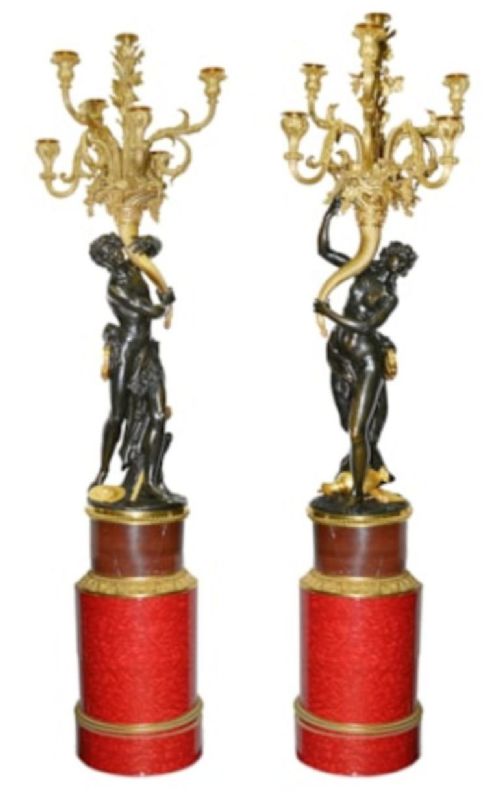
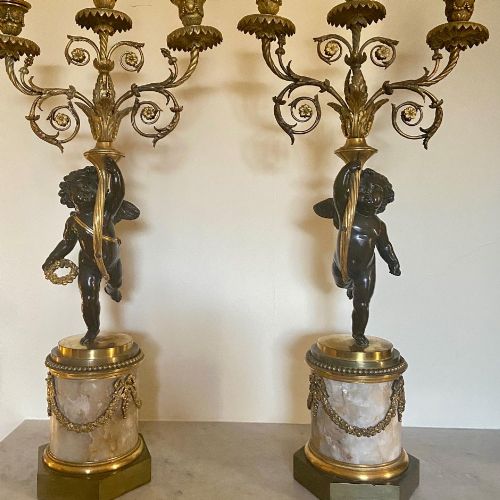
The aesthetic vocabulary draws heavily from Neoclassical, Louis XVI, French Empire, and Rococo styles, executed in forms that range from simple columnar shafts to elaborate figural sculptures involving putti, caryatids, and soldiers.
How they were made
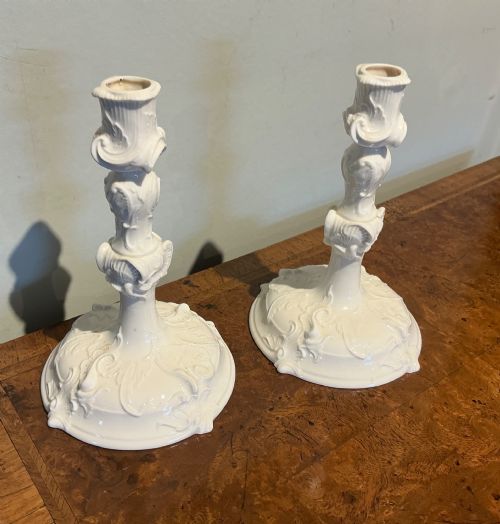
Maker workshops utilised foundational metals including brass, bronze, cast metal, and pewter, often enhancing base materials through silver plating, gilding, or the application of ormolu. Combinations with contrasting elements such as white marble, fluorspar, fabric, and hard paste porcelain appear frequently across the listings.
Techniques relied on traditional casting, chasing, and metal fabrication, alongside hand-painted ceramic bodies and timber construction, producing both utilitarian lighting and highly sculptural decorative objects.
Several pieces double as small architectural monuments, holding candles between bronze putti, caryatids, and Renaissance soldiers.
What varies in quality
Quality rests in the crispness of the cast ornament and the weight of the metal utilised in the body, distinguishing finely chased ormolu and detailed bronze work from lighter, simpler productions. The integration of secondary materials, such as polished marble bases or hand-painted porcelain figures, determines the overall refinement of the piece.
Archibald Knox·Mappin & Webb·Birks·Volkstedt
The Antique Style Candlesticks Glossary
- Ormolu
- A method of applying finely ground high-carat gold to a bronze object using a mercury amalgam. This technique creates a rich, durable golden surface characteristic of fine decorative metalwork.
- Candelabra
- A branched candlestick holding multiple tapers or lights. These fixtures provide greater illumination and decorative presence than single candlesticks.
- Chamberstick
- A short candlestick fitted with a pan to catch dripping wax and a handle for carrying from room to room. They were standard bedroom lighting before widespread electricity.
- Spelter
- An alloy of zinc and lead often used as a cheaper substitute for bronze. It accepts metallic finishes well and supports figural casting.
- Pricket candlestick
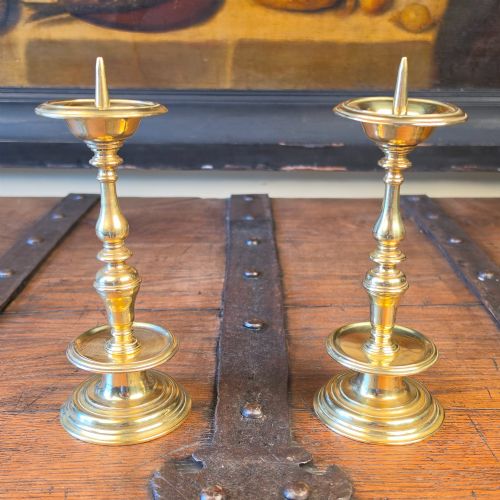
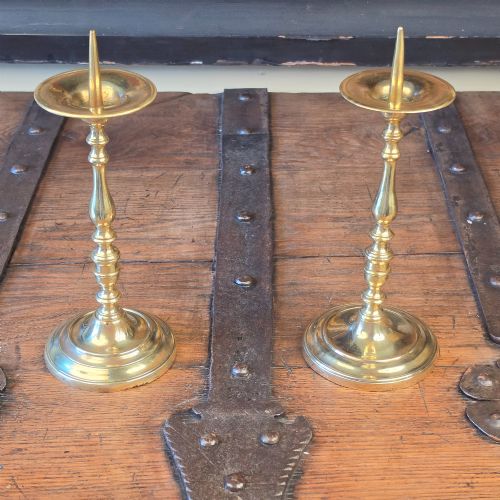
- A candlestick featuring a sharp central spike upon which a candle is stuck rather than placed inside a socket. This medieval form reappears in later revival periods.
Antique Style Candlesticks: Frequently Asked Questions
What is an antique style candlestick?
An antique style candlestick is a lighting fixture or decorative holder produced in historical revival aesthetics, drawing on design languages from the seventeenth century through to the Edwardian era.
These pieces use traditional media like brass, bronze, and silver plate to replicate earlier decorative periods for domestic use.
How were antique candlesticks used?
Original candlesticks provided primary illumination before electric lighting, utilising tallow or beeswax candles placed in sockets or pushed onto prickets.
Chambersticks were carried through hallways, while larger candelabra sat upon dining tables and mantelpieces to light formal rooms.
Can antique candlesticks hold modern candles?
Most antique candlestick sockets accommodate standard modern taper candles, though slight variations in nineteenth-century sizing occasionally require minor adjustments.
Checking the socket diameter helps ensure a secure fit for standard dinner tapers without damaging the historic metal.
How do I identify different revival styles?
Revival styles draw on distinct historical motifs, such as the classical columns and rams heads of Neoclassical and Adams designs, or the ornate scrollwork of Rococo.
Examining the casting detail and secondary materials like marble or ormolu helps connect a piece to its specific stylistic inspiration.