
Antique Style Book Stand
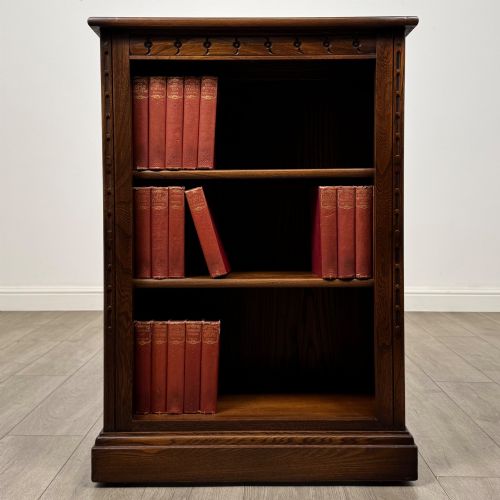
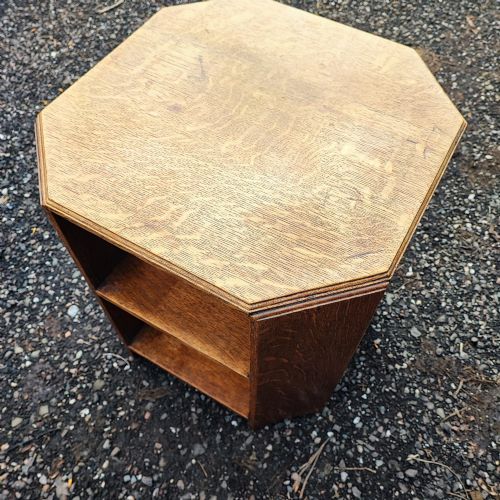
An antique style book stand brings period timber and practical display into a room, offering a compact surface for volumes.
Antique Style Book Stand
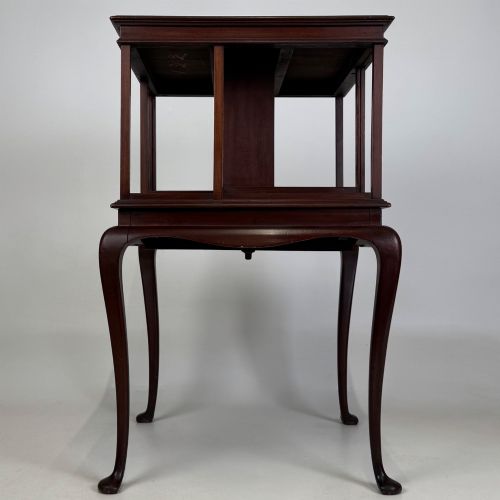
When you search for an antique style book stand, you encounter a variety of practical furniture forms designed to hold volumes, ranging from revolving table models to compact open shelves and tiers. These pieces span periods from the Victorian and Edwardian eras back to Georgian and Regency designs, alongside later iterations from the early twentieth century.
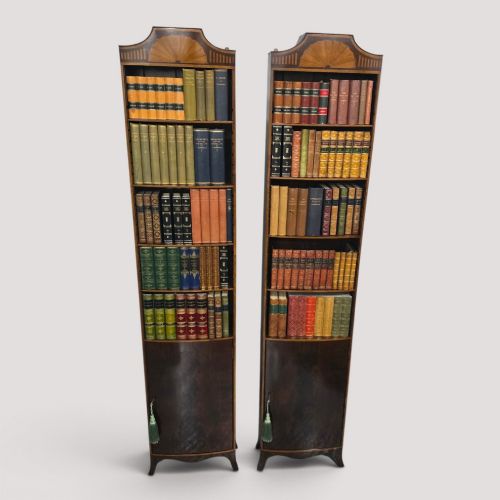
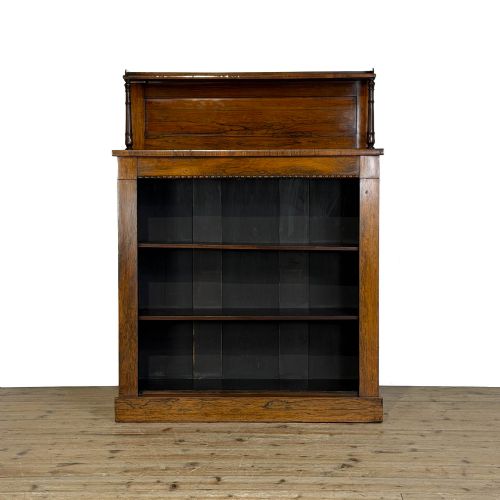
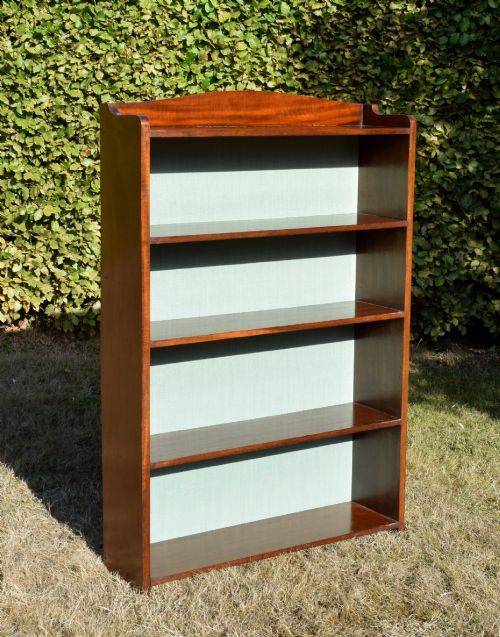
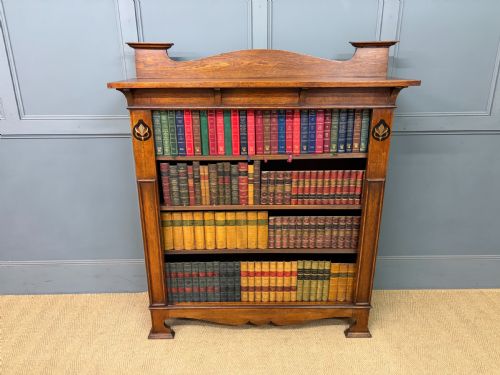
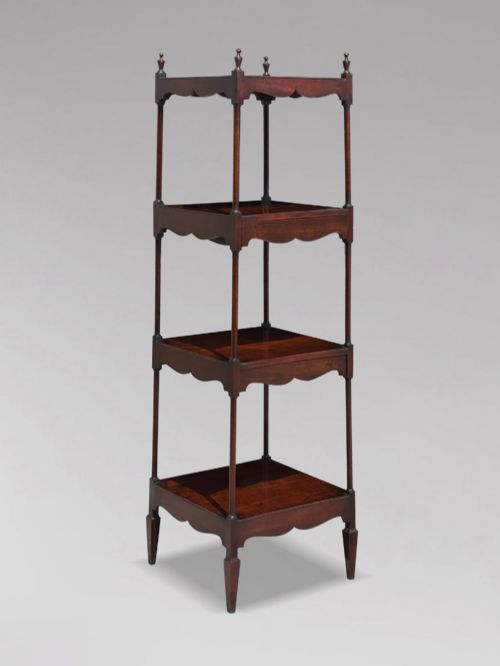
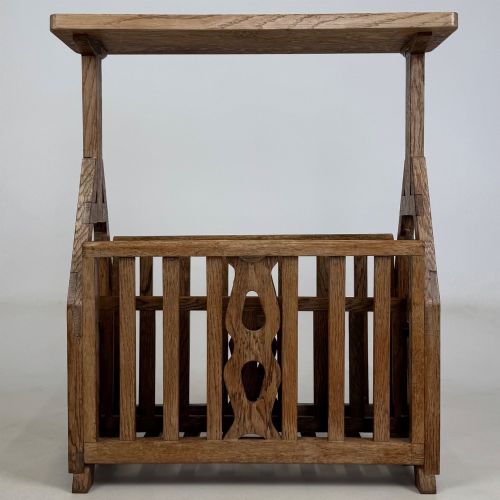
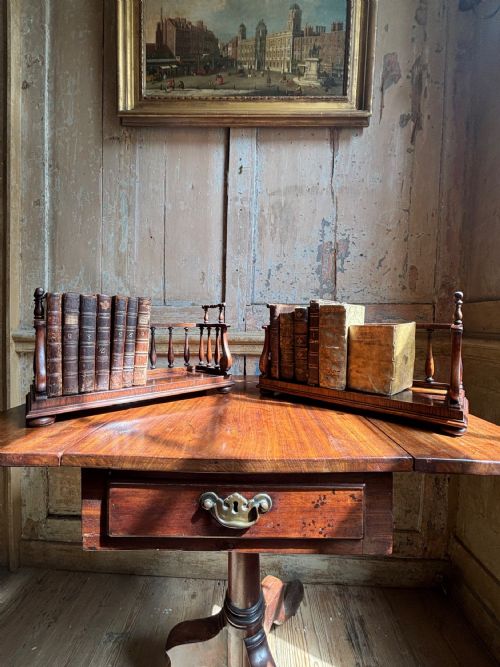
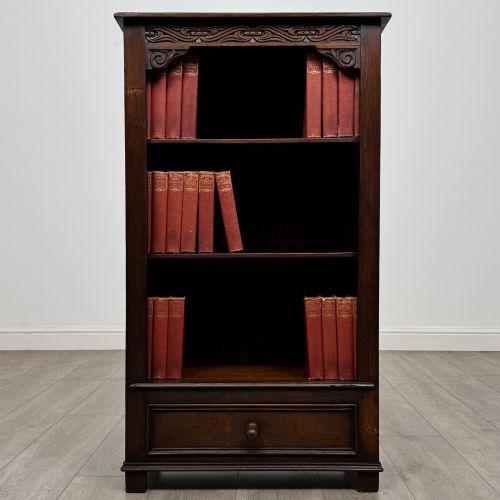
The selections on this page most frequently present themselves as mahogany or oak open bookcases, revolving table models, and smaller whatnots or tier stands. Alongside standard upright shelving units, you find specialised pieces like book troughs and music stands constructed in woods such as rosewood and walnut.
Materials and construction methods
Cabinetmakers utilised solid and veneered hardwoods, predominantly mahogany, oak, rosewood, and walnut, often accentuating the grain with flame mahogany or burr walnut figure. Structural elements frequently incorporated brass fittings, glass doors, or ormolu mounts to enhance the decorative presence of the furniture.
Joinery methods varied according to the period and form, utilising dovetail joints for drawers and traditional framing for open shelves and revolving mechanisms. Fret-cut panels, marquetry inlay, and carved details appeared on pieces reflecting Arts and Crafts, Regency, and Edwardian aesthetic preferences.
One listed piece served as a golden oak podium for a restaurant reception greeter.
Measures of execution and finish
The distinction between standard and superior pieces rests on the choice of timber and the precision of the cabinetwork. Fine examples display carefully matched wood grains, such as figured walnut or flame mahogany, combined with crisp fret-cutting and well-fitted internal shelving.
Hardware and secondary materials further differentiate the range, where heavy brass castors, smooth-turning revolving mechanisms, and intricate inlay denote a higher grade of manufacture. Simpler utility pieces in pine or plain oak rely on straightforward construction rather than ornamental elaboration.
Gillows·Wylie Lochhead·E.A. Taylor
The Antique Style Book Stand Glossary
- Revolving bookcase
- A low shelving unit mounted on a concealed rotating base allowing access to books from all sides. This form became particularly popular during the Edwardian period.
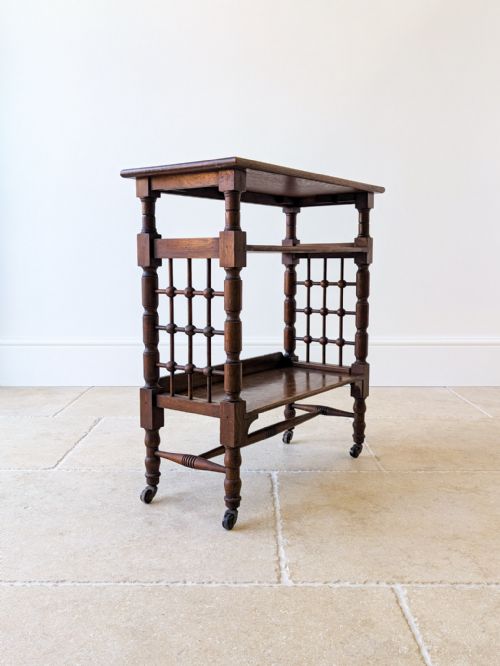
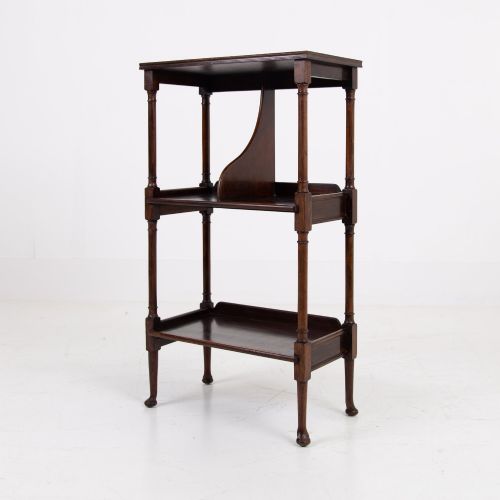
- Whatnot
- A set of open shelves supported by slender columns or uprights used for displaying books and ornaments. These pieces typically feature multiple tiers.
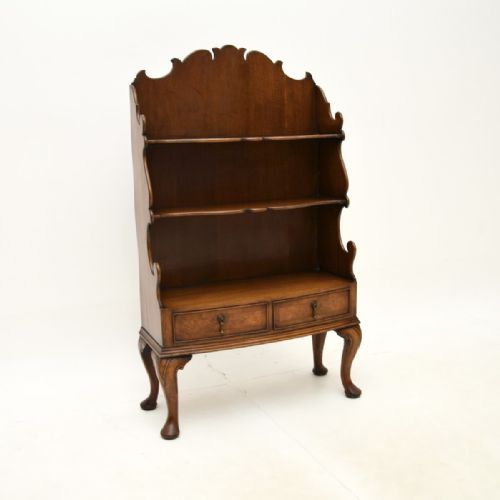
- Waterfall bookcase
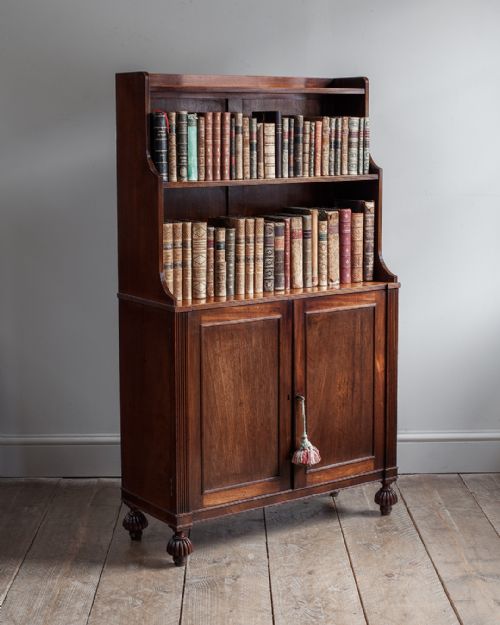
- A tiered shelving unit where each successive shelf is shallower than the one below, creating a stepped profile. The sides are frequently fret-cut.
- Ormolu
- Gilt-bronze mounts applied as decorative ornamentation to furniture corners, friezes, or feet. This technique appears on high-status nineteenth-century pieces.
- Astragal glazed
- Glass cabinet doors divided into smaller panes by narrow wooden glazing bars. This treatment is common on formal bookcase fronts.
Antique Style Book Stand: Frequently Asked Questions
What is the difference between a whatnot and a book stand?
A whatnot is a multi-tiered open stand designed primarily for display and small volumes, featuring slender vertical supports.
Book stands and troughs are more compact, intended specifically to hold a selection of current reading material on a table or desktop.
Where were rotating bookcases placed in period homes?
These pieces were typically positioned beside armchairs or near desks to keep frequently consulted volumes within arm's reach without requiring wall shelving.
Their freestanding design allowed them to occupy corners or sit centrally in a study or library.
How do I care for antique mahogany and rosewood surfaces?
Maintain timber surfaces by dusting with a soft, dry cloth and applying traditional beeswax sparingly to preserve the natural lustre of the polish.
Keep these items away from direct heat sources and strong sunlight to prevent the wood from drying out or fading over time.