


Antique Student Bureau
An antique student bureau provides a compact workspace, combining a sloping fall-front desk with clever storage for books and papers.
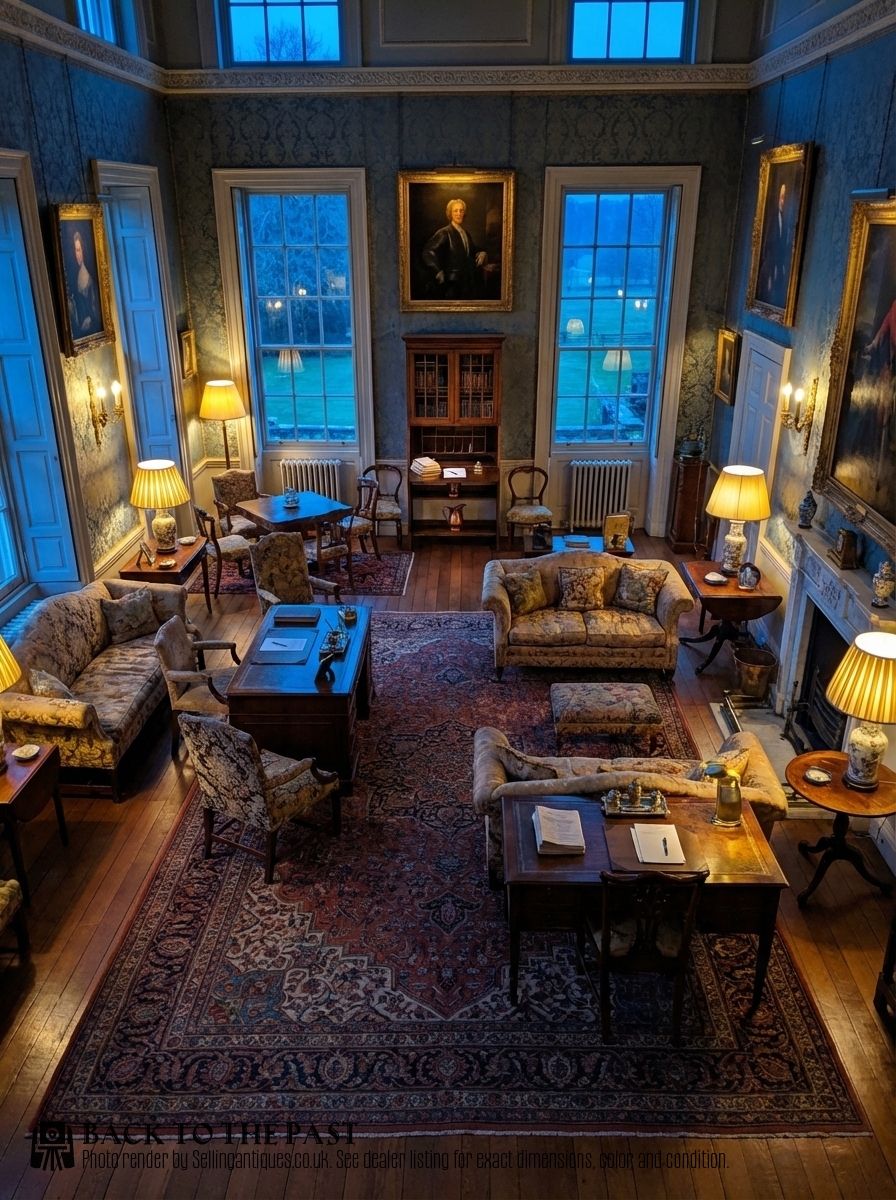
Antique Student Bureau
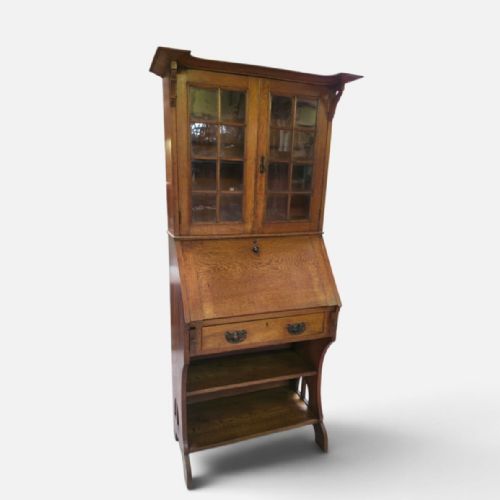
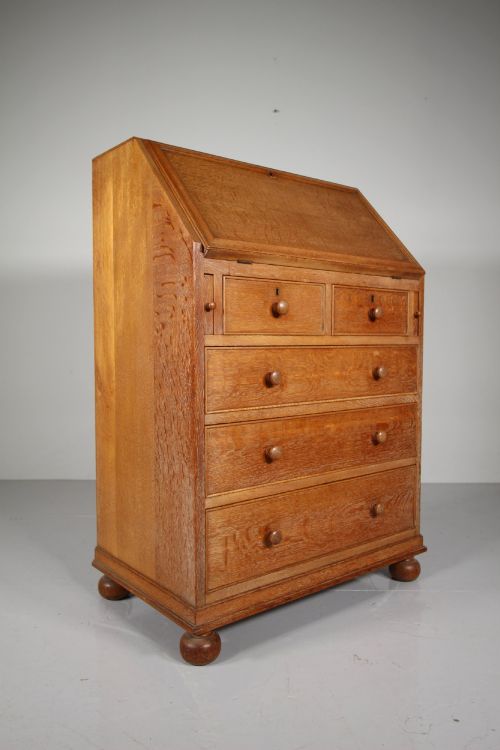
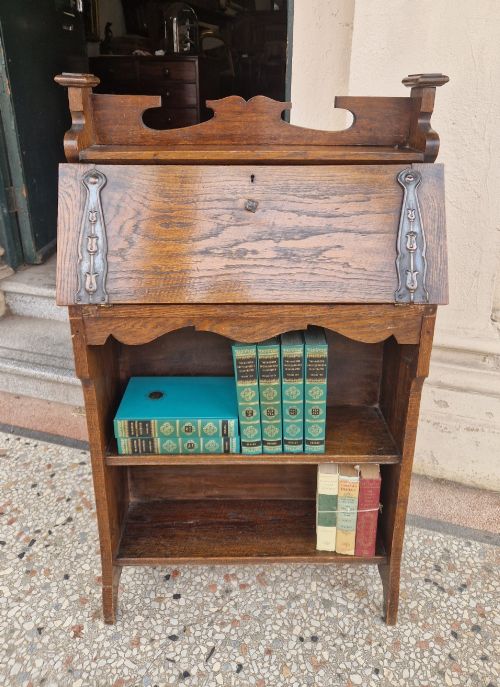
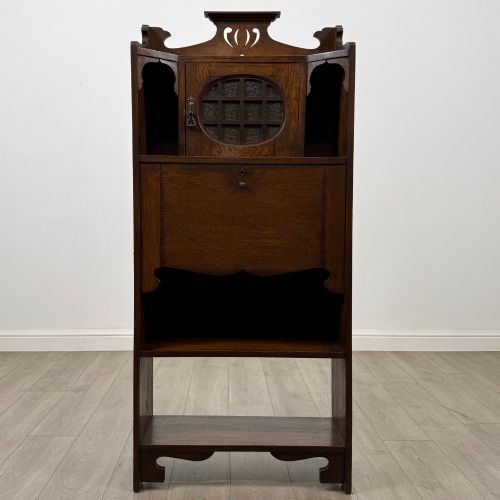
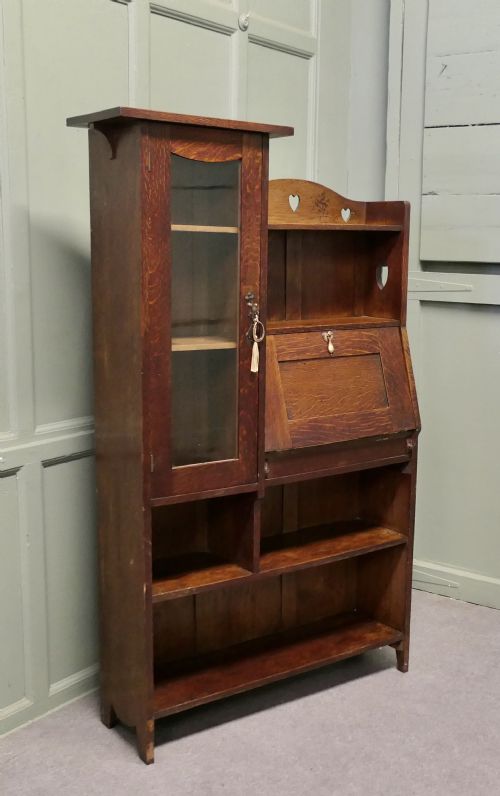
An antique student bureau is a practical workspace designed for study and writing, frequently built with a compact footprint to suit smaller rooms. These pieces combine a fall-front writing flap with internal pigeonholes, drawers, and lower book storage or shelving.
The versions met most often on this page date from the late Victorian and Edwardian eras, alongside pieces from the nineteen-twenties. They appear predominantly in oak, reflecting the prevailing domestic tastes of those decades.
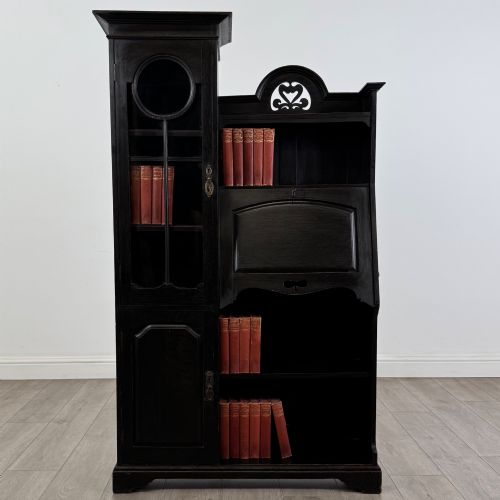
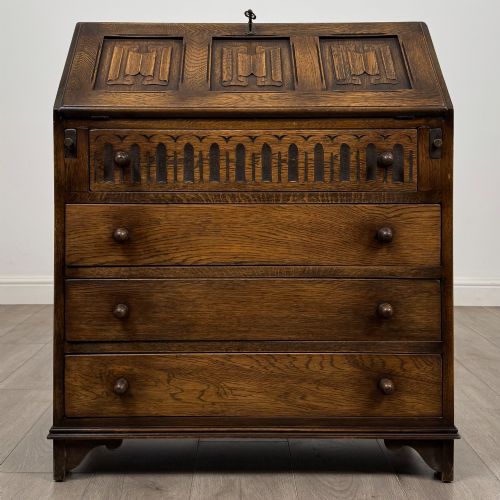
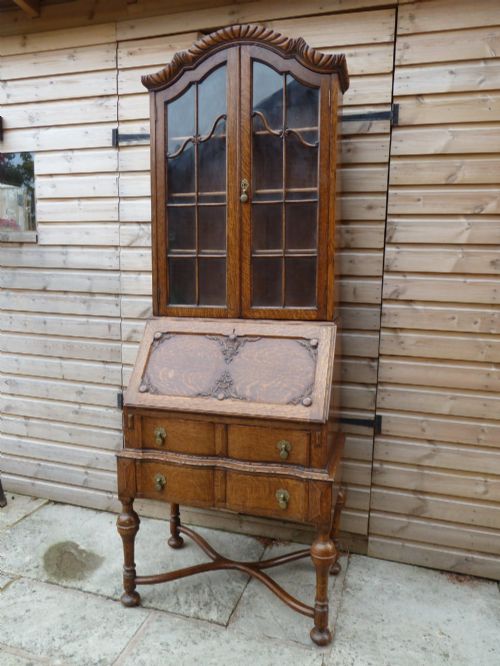
Makers produced these writing desks in various revival styles, including Jacobean and Tudor revivals, alongside the clean lines of the Arts and Crafts movement. Buyers encounter narrow formats, bureau bookcases, and ebonised or carved variants among the selection.
How they were made
Makers relied heavily on solid oak for these writing desks, shaping the timber with panelled construction and traditional joints. Workshops also utilised mahogany for certain stylistic interpretations, incorporating wood inlay for decorative contrast.
Carpenters applied carved details such as linenfold motifs to the drop-fronts and cabinet doors, drawing on Tudor and Jacobean revivals. Hardware in brass, copper, lead, and iron provided functional hinges, handles, and escutcheons.
Some student bureaux hide tiny secret compartments behind the pigeonholes, meant for truly private notes.
What varies in quality
The calibre of timber selection and the precision of the joinery set finer examples apart from simpler utilitarian pieces. Dense, well-figured oak with careful grain matching elevates the visual weight of a bureau.
The execution of decorative elements, from crisp linenfold carving to neatly fitted interior pigeonholes and integrated bookcase superstructures, demonstrates the skill of the original workshop.
Harris Lebus·James Shoolbred & Co
The Antique Student Bureau Glossary
- Bureau
- A desk featuring a sloping hinged writing flap that conceals a nest of small drawers and pigeonholes. It provides a concealed surface for correspondence and study.
- Bureau bookcase
- A writing bureau surmounted by an integrated glazed or open shelving unit for books. This combination piece maximises vertical storage in modest interiors.
- Linenfold
- A style of wood carving that imitates folded parchment or linen, popular in Tudor revivals. Cabinetmakers used this technique to ornament doors and fall-fronts.
- Ebonised
- Timber treated with a finish that darkens the surface to resemble ebony. This treatment creates a dramatic, dark aesthetic on Edwardian furniture.
- Pigeonhole
- A small, open compartment within the desk interior designed for sorting letters and papers. These compartments sit above the main writing surface.
Antique Student Bureau: Frequently Asked Questions
What is an antique student bureau?
An antique student bureau is a compact desk featuring a hinged writing flap that lowers for work and lifts to conceal papers.
These pieces typically include interior compartments for stationery and lower sections dedicated to bookshelves or small drawers.
How were student bureaux used?
They served as dedicated writing and study stations in bedrooms, studies, and parlours where space was limited.
The upper compartments kept correspondence organised while the lower shelves held reference books and volumes.
How do I identify an Edwardian student bureau?
Edwardian examples often showcase lighter oak construction with restrained Arts and Crafts influences or simple linear forms.
They frequently feature narrow proportions designed to fit compact domestic interiors of the early twentieth century.
What materials are common in these desks?
Oak is the predominant timber seen across these pieces, finished either in its natural golden tone or darkened for revival styles.
Metal fittings in brass, copper, and iron support the hinges and drop-front mechanisms.
How do I care for an oak bureau?
Keep the timber away from direct heat sources and strong sunlight to prevent the wood from drying out or splitting.
Apply occasional bees-wax polish to nourish the grain and maintain a protective sheen on the surface.