


Antique Studed Armchair
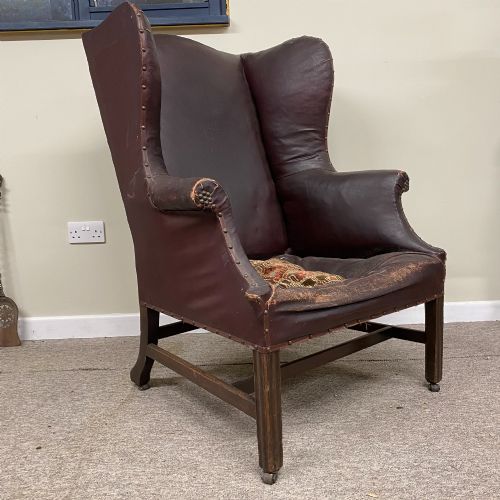
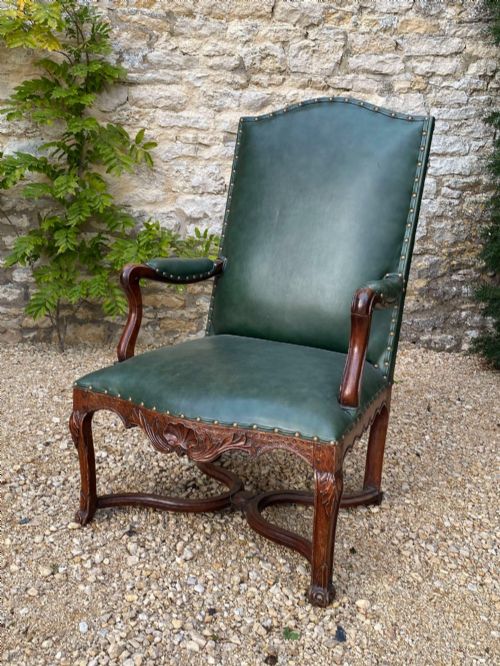
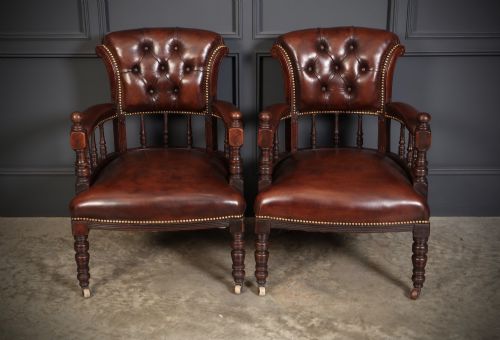
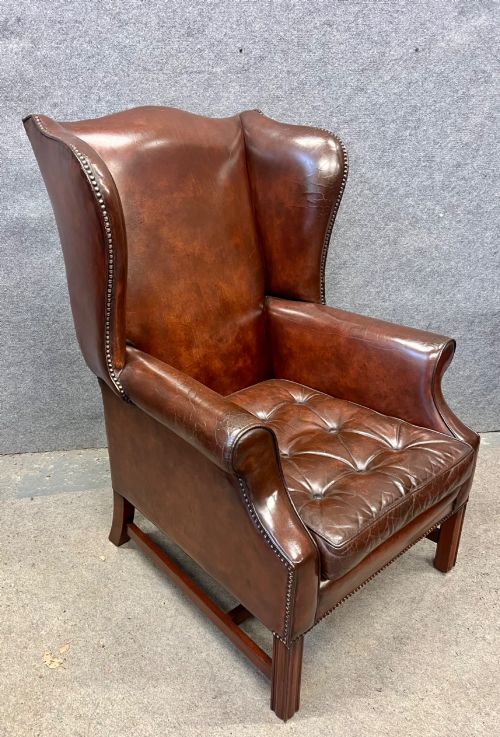
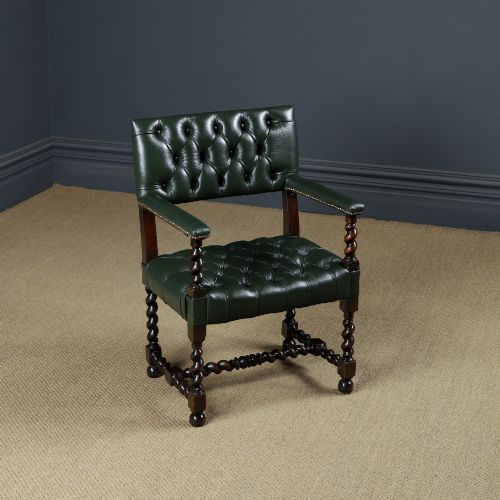
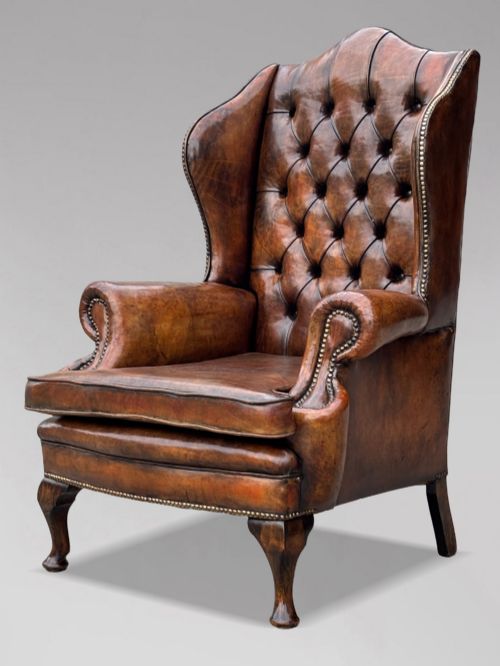
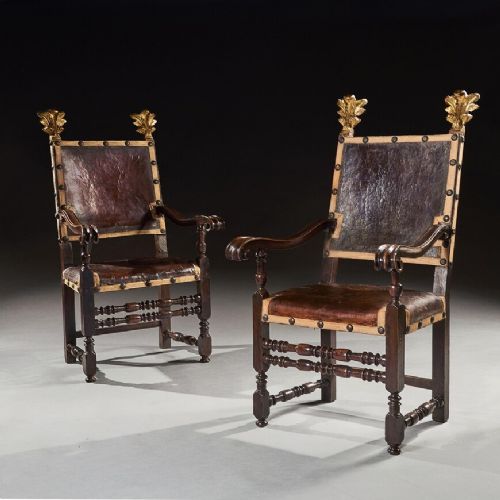
An antique studed armchair brings robust comfort and historical weight to a room, offering deep seats upholstered in hide and secured with metal pins.
Antique Studed Armchair
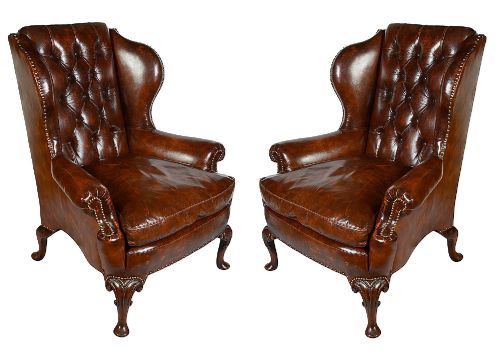
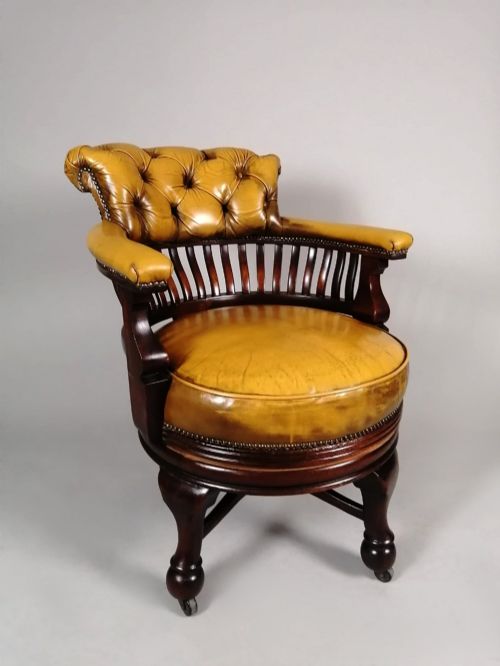
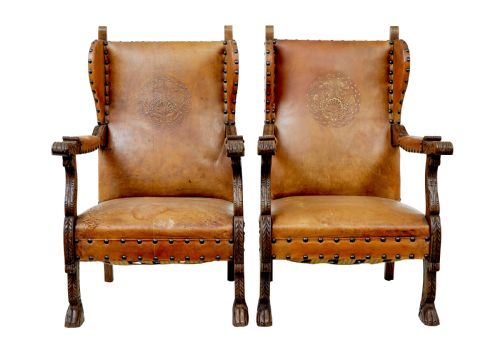
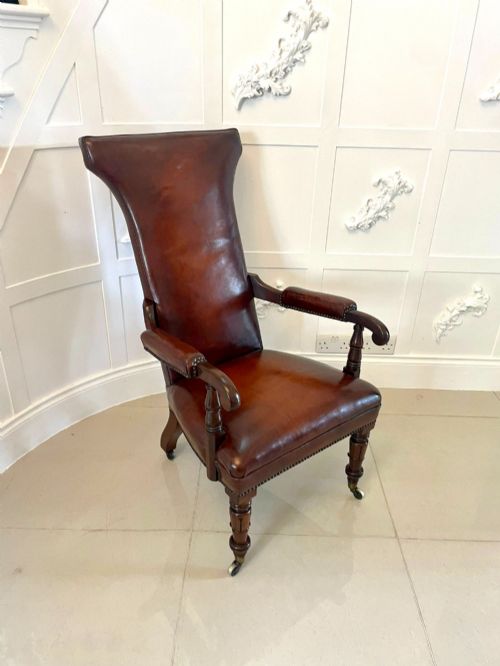
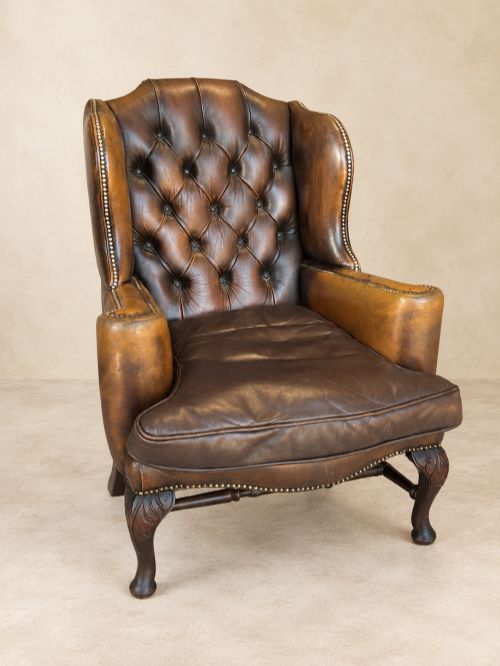
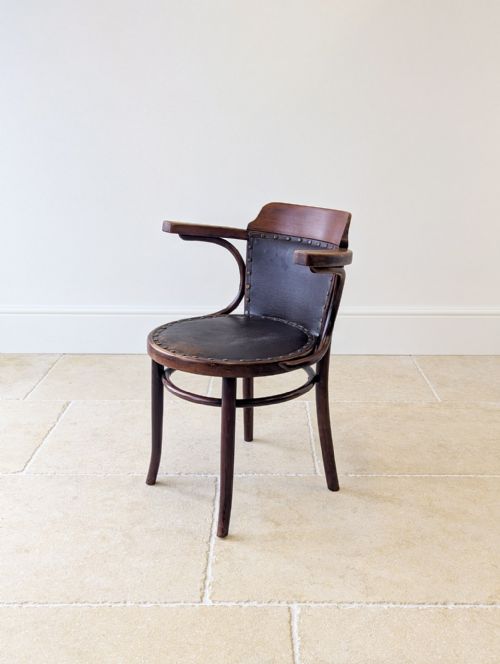
An antique studed armchair is a substantial seat designed for libraries, studies, and drawing rooms, appearing across periods from the Georgian era through the Edwardian years and into the 1930s. These pieces encompass forms such as wingbacks, club chairs, library armchairs, and revolving desk chairs.
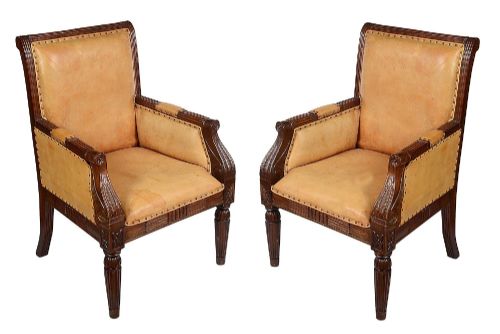
The versions met most frequently on this page date from the nineteenth and early twentieth centuries, constructed in oak, mahogany, or walnut with leather upholstery. Library and desk variants often include swivel mechanisms or reading arms, while club and wing chairs prioritise deep cushioning.
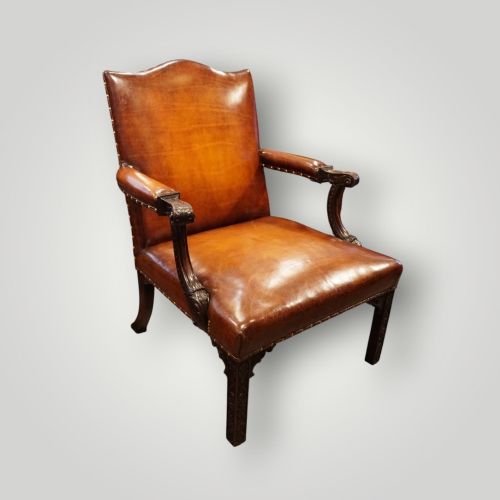
Makers and designers drew upon Georgian, Victorian, and Art Deco traditions, resulting in pieces ranging from formal Gainsborough chairs to robust oak office seating. Each type serves a distinct domestic or working function while retaining the characteristic metal pinning along the framework.
How they were made
Frames are constructed from dense hardwoods like mahogany, oak, and walnut, providing structural integrity for heavy use. Carpenters utilised traditional joinery to support the weight of the seat and backrest.
Upholstery relies on leather, hide, and occasionally velvet, stretched over internal stuffing and secured along the edges with individual brass or metal studs. These pins hold the hide firmly to the wooden frame while adding a decorative border.
Antique Studed Armchair Retail Price Guide 2026
Typical asking prices for studed armchair among the pieces listed under this phrase on Sellingantiques today, from the lower quarter to the upper quarter. They describe what is for sale here now, not the wider market.
Several armchairs incorporate swivel mechanisms, allowing nineteenth-century readers to pivot between bookshelves without moving the heavy wooden base.
What varies in quality
The selection of timber and the grade of leather dictate the standard of an armchair, with fine grain mahogany and hand-dyed English hide sitting at the upper end. Lesser examples employ simpler woods and thinner, machine-processed leather.
Cabinetwork and carving define the distinction between standard workshop production and superior craftsmanship, seen in precise joinery and detailed woodwork like blind carving on chair legs.
The Antique Studed Armchair Glossary
- Gainsborough chair
- A wide, open-armed easy chair originating in the eighteenth century, typically featuring a mahogany frame and upholstered seat and back.
- Wingback armchair
- A high-backed seat with side panels designed to shield the occupant from draughts and retain heat from a fireplace.
- Club chair
- A deep, comfortable armchair upholstered in leather, developed in France and Britain during the early twentieth century.
- Carver chair
- An armchair designed to match a set of dining chairs, traditionally placed at the head of a table.
- Parcel-gilt
- Partially gilded with gold leaf or a gold-coloured substance to highlight specific carved details on a wooden frame.
Antique Studed Armchair: Frequently Asked Questions
How do I identify a Georgian armchair?
Georgian armchairs often display characteristic mahogany frames, cabriole legs, and understated carving influenced by contemporary cabinetmakers. Their proportions tend to be formal and balanced.
Leather upholstery on these pieces is typically added or restored, while the underlying woodwork maintains eighteenth-century construction methods.
What is a Gainsborough chair used for?
A Gainsborough chair functioned as a comfortable seat for writing desks or intimate parlour settings during the eighteenth century and subsequent revival periods. The open arms allowed space for wide garments.
Today, these chairs serve as occasional seating in studies and libraries, combining formal timber frames with padded leather upholstery.
How do I care for antique leather?
Antique leather benefits from regular dusting with a dry cloth and occasional treatment with appropriate conservation balms to prevent drying. Avoiding direct sunlight and excessive heat protects the hide from cracking.
Metal studs require gentle cleaning to prevent tarnishing without disturbing the surrounding leather surface.