

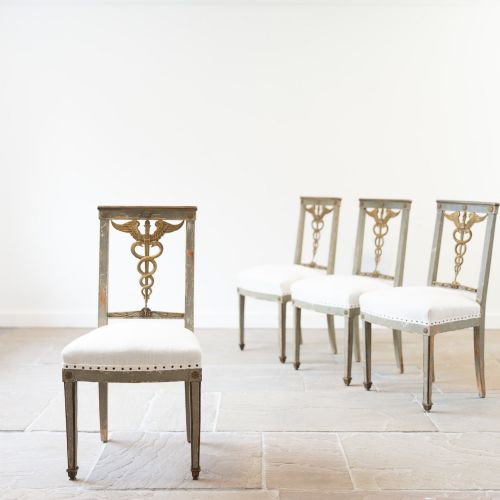
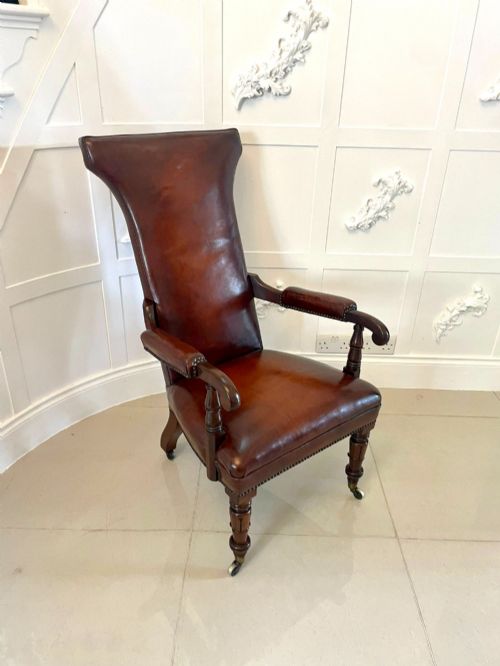
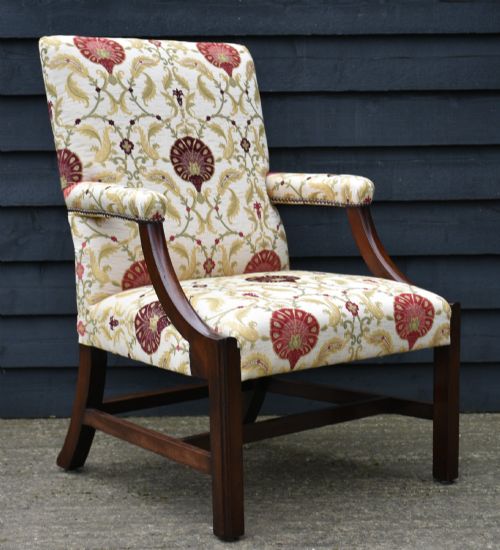
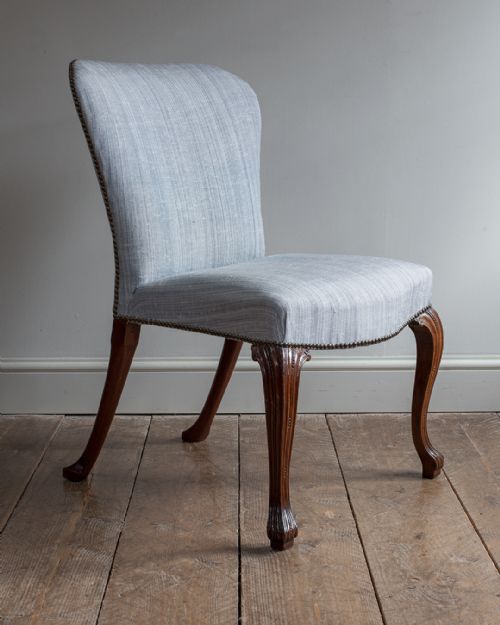
Antique Stud Desk
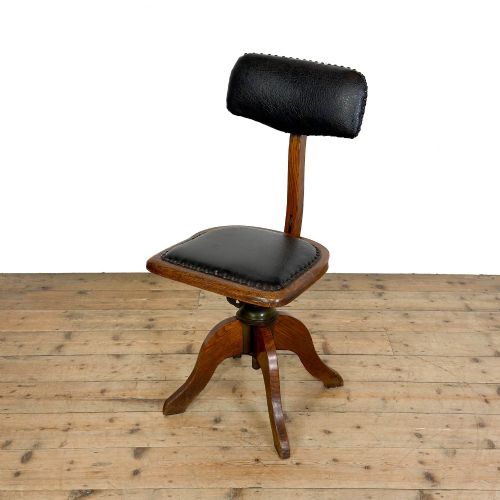
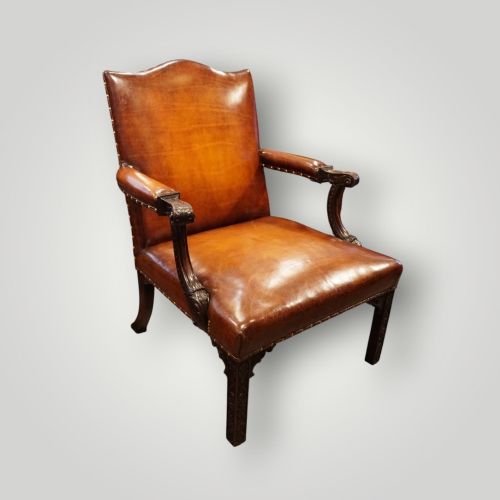
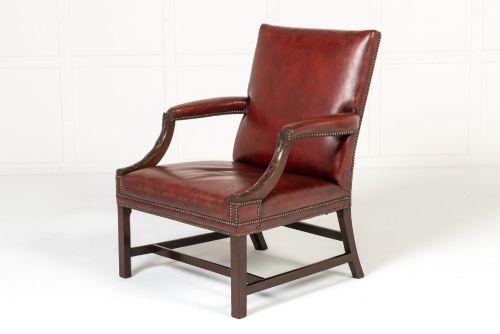
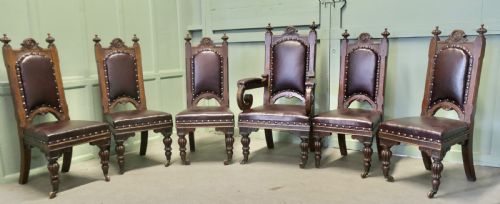
An antique stud desk chair brings functional timber and leather writing seating into a room.
Antique Stud Desk
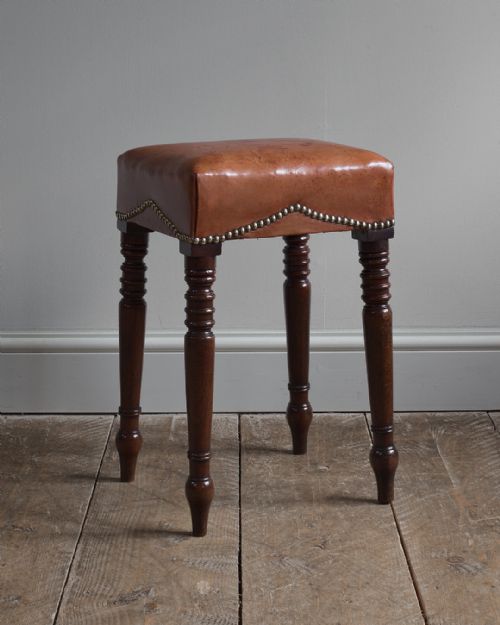
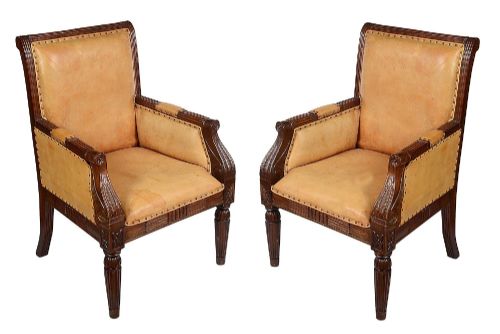
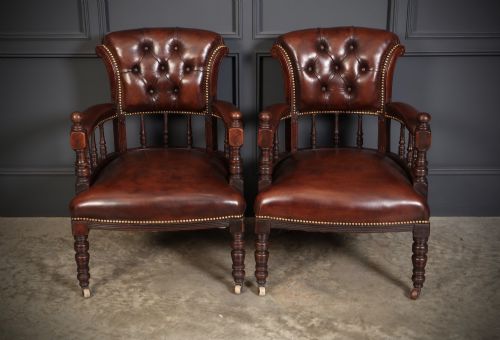
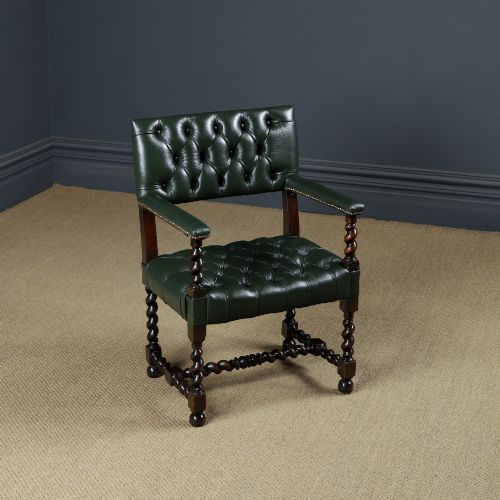
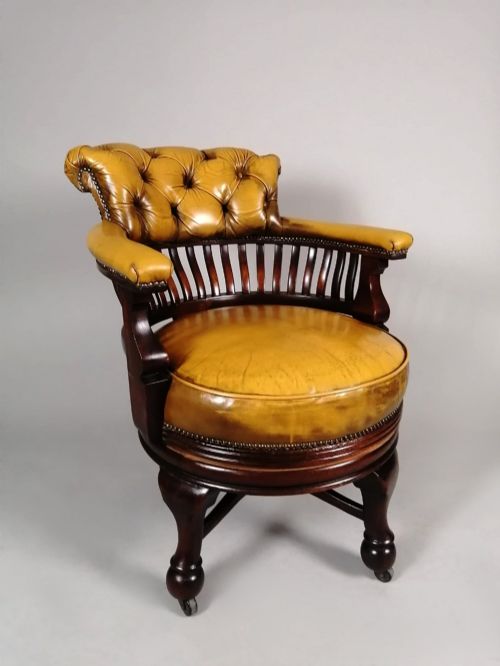
When searching for an antique stud desk chair, buyers encounter various forms of seating intended for writing tables, libraries, and offices. The selection spans armchairs, swivel chairs, and library seats produced across the eighteenth, nineteenth, and early twentieth centuries.
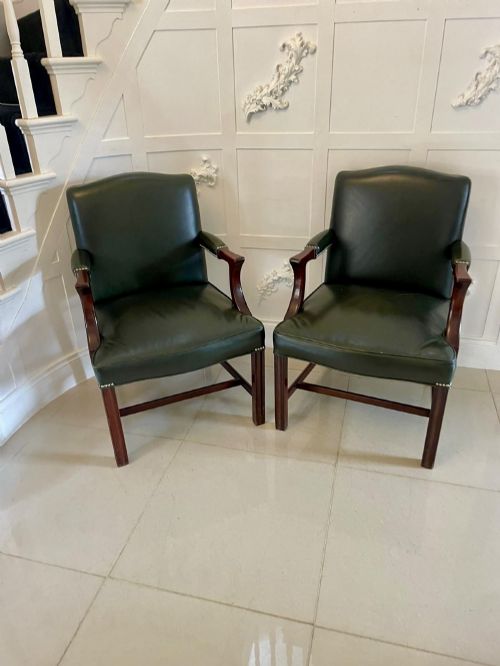
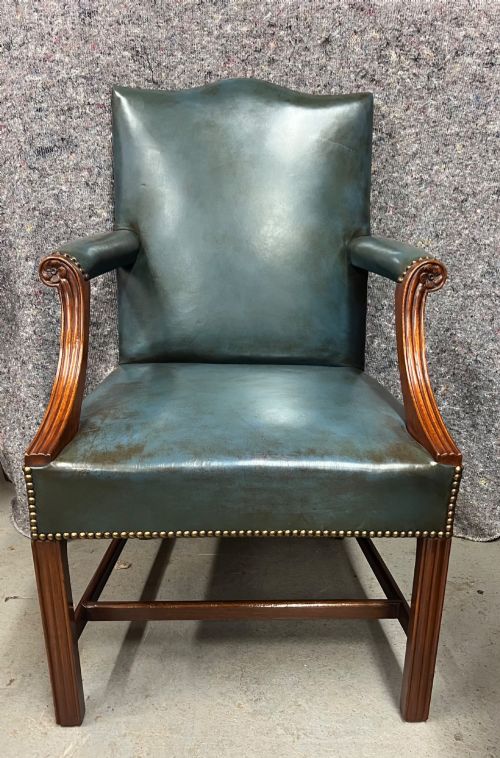
Most pieces on this page combine timber frames with leather upholstery secured by metal studs. Common historical styles include Georgian, Victorian, Edwardian, and Arts and Crafts examples, alongside specific forms such as Gainsborough armchairs and revolving office seats.
Makers utilised durable hardwoods like oak, mahogany, and walnut to build these functional seats. The inventory shows considerable variety in mechanical swivel actions, scroll arms, and carved detailing.
What varies in quality
The choice of primary timber and the crispness of manual wood carving separate standard utility seating from high-status library armchairs. Dense, figured mahogany and burr elm indicate superior material selection compared to plain beech or secondary woods.
Integration of mechanical elements defines the quality of revolving desk chairs. Smooth rotation and solid tilting mechanisms combined with hand-dyed leather and traditional brass studding demonstrate careful craftsmanship.
Antique Stud Desk Retail Price Guide 2026
Typical asking prices for stud desk among the pieces listed under this phrase on Sellingantiques today, from the lower quarter to the upper quarter. They describe what is for sale here now, not the wider market.
Some nineteenth-century office chairs feature cast-iron swivel mechanisms that still squeak through every rotation.
The Antique Stud Desk Glossary
- Gainsborough chair
- A wide-seated armchair with upholstered back and arms, dating originally from the mid-eighteenth century. These chairs were designed specifically for writing desks and libraries.
- Captain's chair
- A sturdy wooden armchair, often featuring a rounded spindle back and a leather upholstered seat. These forms frequently incorporate revolving desk mechanisms.
- Bentwood
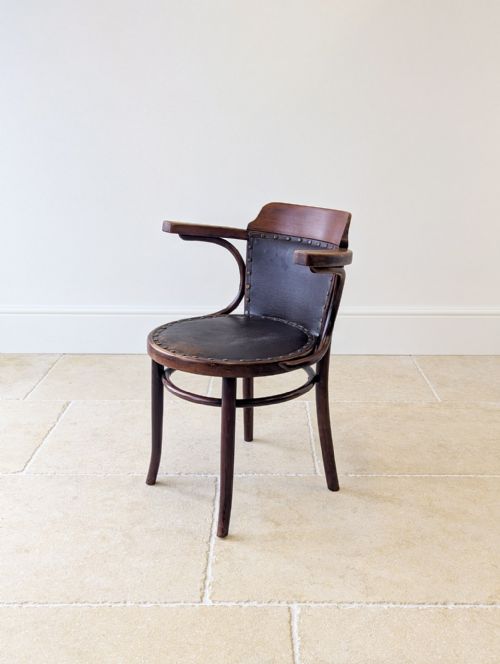
- Wood softened by steam and bent into curved structural forms. This technique created lightweight, resilient frames popular in late Victorian and Edwardian seating.
- Blind carving
- Decorative carving applied to a flat surface without piercing the wood through. This method is common on eighteenth-century mahogany rails.
Antique Stud Desk: Frequently Asked Questions
What is an antique stud desk chair?
An antique stud desk chair is a traditional wooden seat upholstered in leather and secured with decorative metal tacks, designed for use at a writing table or library desk.
These pieces encompass various historical periods including Georgian, Victorian, and Edwardian styles, reflecting changing ergonomic needs in home and office environments.
How do I identify the period of a desk chair?
Dating relies on examining the timber species, joinery methods, upholstery style, and hardware integration. Earlier pieces display hand-carved mahogany and traditional pegged joints, while later examples incorporate bentwood or iron swivel mechanisms.
Comparing structural details against documented furniture styles helps narrow down the production era.
Were these chairs used in offices or homes?
These seating forms served multiple domestic and professional settings, from grand libraries in Georgian country houses to administrative spaces in the late nineteenth century.
Swivel and tilt variants developed specifically for commercial offices, whereas upholstered armchairs suited domestic writing desks and drawing rooms.
How should I care for the leather upholstery?
Maintaining leather involves regular dusting and applying specialised leather balms to prevent the hide from drying out over time.
Keeping the timber and leather away from direct heat sources preserves the structural integrity and the original surface finish.