




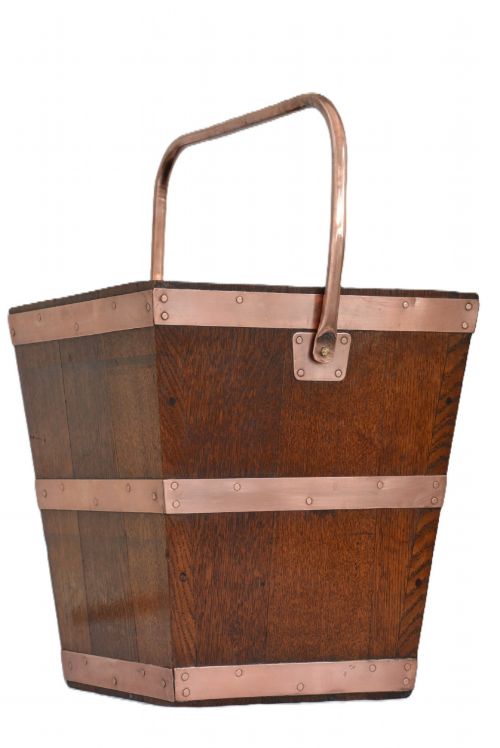
Antique Storage Vessel
These antique storage vessel pieces range from heavy terracotta jars to coopered timber barrels, offering utilitarian charm and time-worn character for modern spaces.
Antique Storage Vessel
An antique storage vessel encompasses a wide variety of utilitarian containers designed to hold everything from dry goods and liquids to fuel for the hearth. Buyers seeking these items will encounter domestic necessities of the past, repurposed today as decorative focal points.
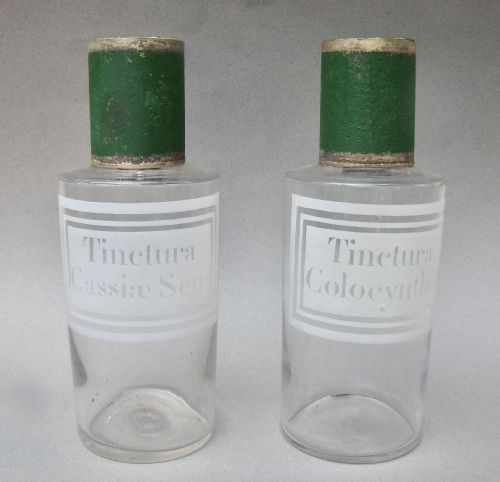
The selections span functional containers such as apothecary jars, coal buckets, grain bins, and coopered barrels. Originating from diverse domestic and trade settings, these pieces reflect the practical needs of past households.
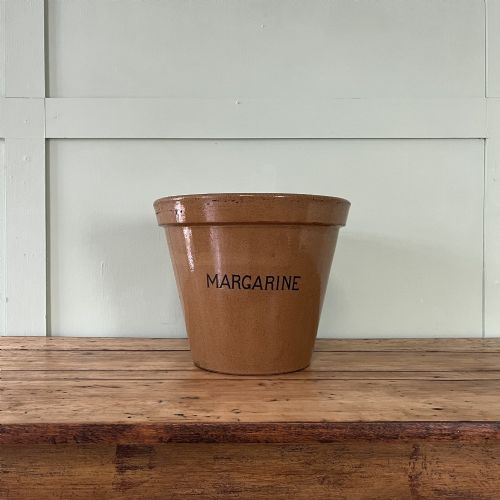
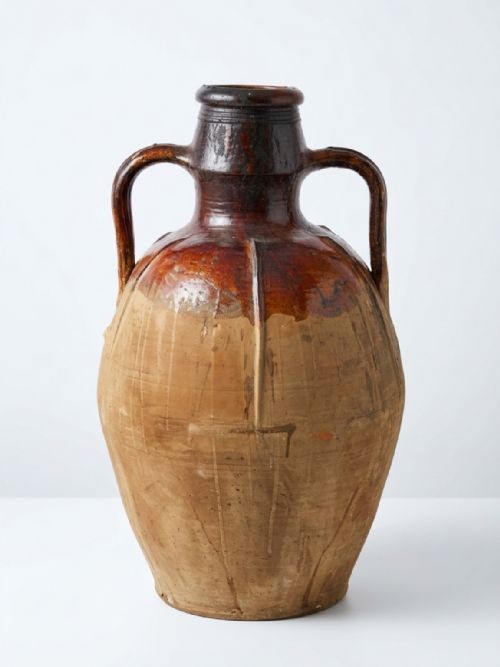
Terracotta confit pots, large garden jars, and metal water barrels frequently appear across the inventory. These robust forms demonstrate how everyday utilitarian objects survive through solid construction and enduring utility.
Materials and Construction
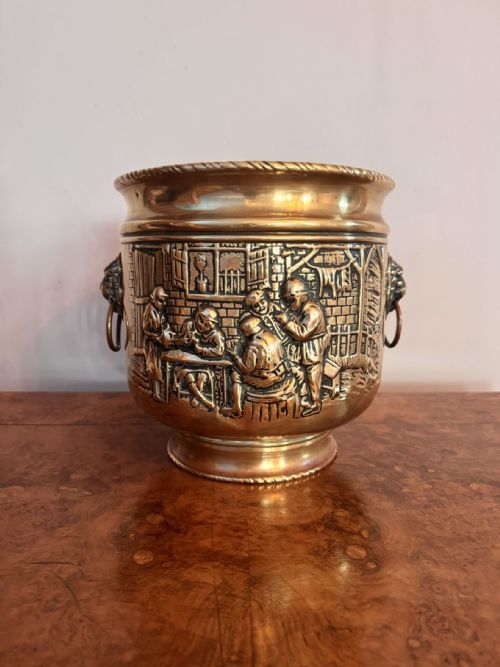
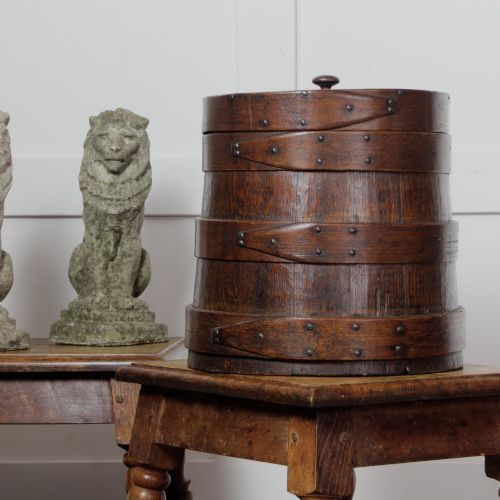
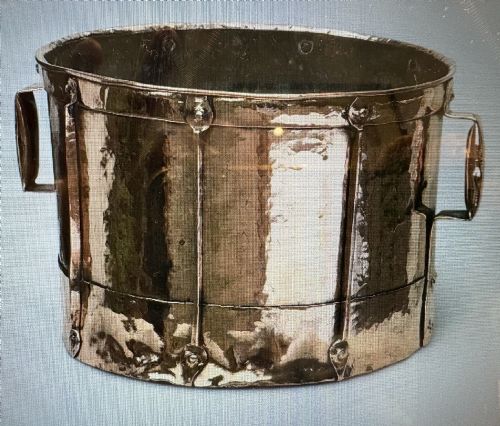
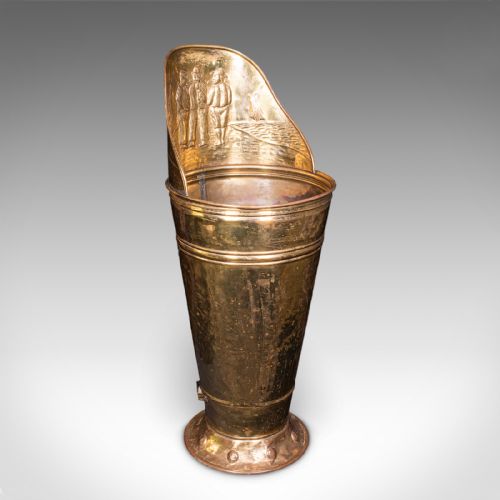
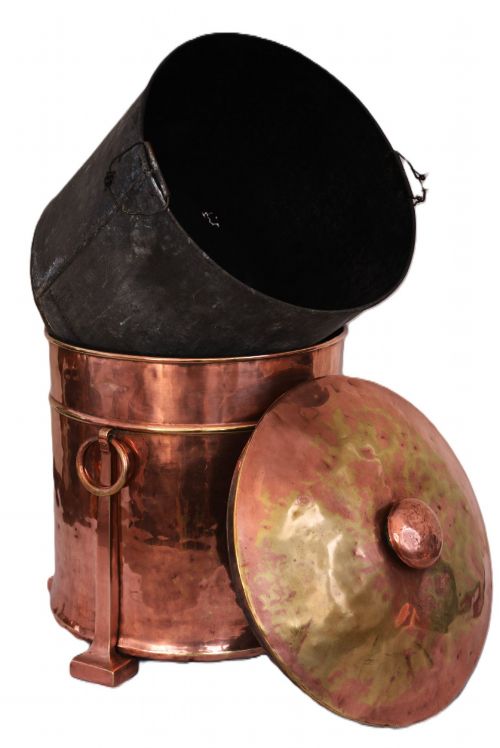
Woodworking traditions are visible in coopered barrels and bins utilising oak, pine, and mahogany held together by iron or brass bands. Metalwork appears heavily in hammered copper, brass, and iron used for coal buckets and water vessels.
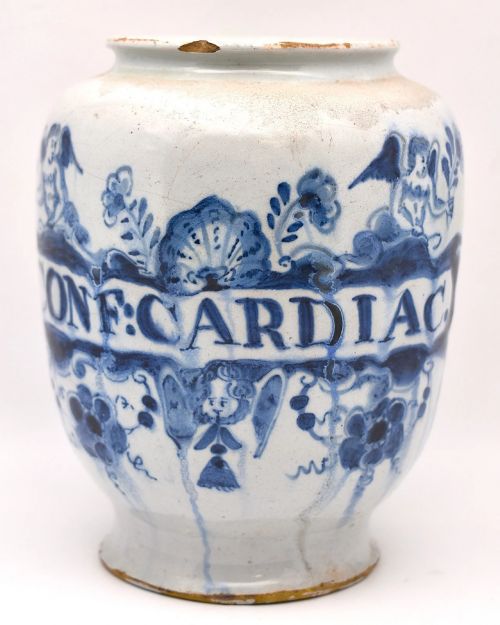
Ceramic production methods range from thrown earthenware and glazed stoneware to tin-glazed majolica and Delftware. Artisans shaped terracotta by hand, creating oil and wine jars with porous walls suited to Mediterranean climates.
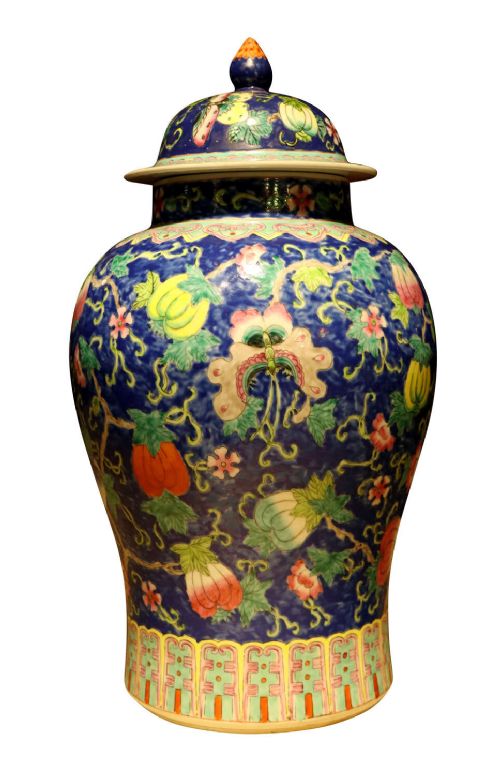
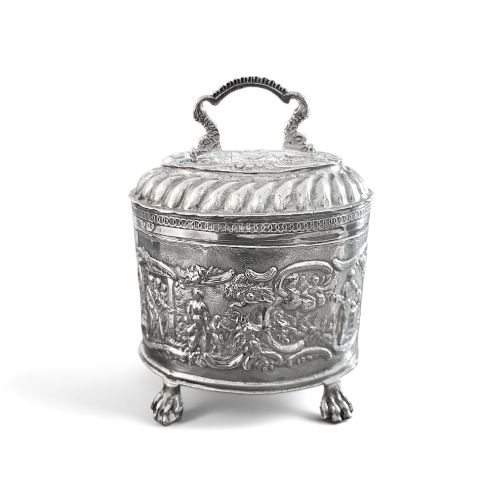
Decorative surface techniques include hand-painting, etching on glass, cloisonne enamel, and repousse silver work. These finishings elevate simple storage items into objects of visual interest.
Antique Storage Vessel Retail Price Guide 2026
Typical asking prices for storage vessel among the pieces listed under this phrase on Sellingantiques today, from the lower quarter to the upper quarter. They describe what is for sale here now, not the wider market.
Listings feature storage vessels spanning the 18th, 19th, and early 20th centuries, covering Georgian, Victorian, Edwardian, and Arts and Crafts periods.
Distinctions in Quality
The integrity of original construction dictates the standing of a piece, particularly in coopered items where tightly fitted staves and sturdy metal hoops determine structural survival. Metal containers show quality through the thickness of the sheet copper or brass and the hand-finished joints.
Surface patination and glaze preservation separate standard examples from superior ones. In ceramics, an even tin-glaze or a rich, unblemished earthenware glaze indicates careful kiln placement and higher skill from the potter.
The retention of original mounts, lids, and framing elements preserves the integrity of the object. Pieces that retain their matched components and honest wear without excessive modern intervention command greater respect.
Herend·Thomas Bradbury
The Antique Storage Vessel Glossary
- Coopered
- Constructed from wooden staves bound together by hoops of metal or wood. This method was essential for making watertight barrels and heavy-duty buckets.
- Tin-Glaze
- A ceramic glaze containing tin oxide that turns opaque white upon firing, providing a smooth surface for painted decoration. It is characteristic of majolica, Delftware, and drug jars.
- Confit Jar
- A French earthenware pot traditionally used for preserving meat and foodstuff. They typically feature a glazed upper section and unglazed lower body.
- Carboy
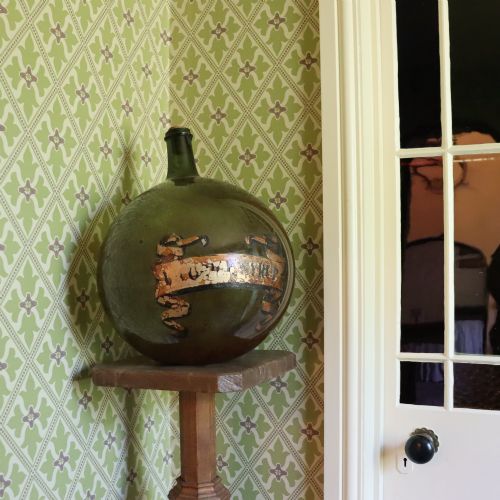
- A large, rigid glass bottle used for holding liquids. Often encased in a protective basket or frame for transport and stability.
- Repousse
- A metalworking technique where the metal is hammered from the reverse side to create a raised design in relief. It appears on decorative silver and copper wares.
Antique Storage Vessel: Frequently Asked Questions
What were antique storage vessels used for?
These vessels served practical domestic and agricultural functions, holding food, wine, water, grain, or fuel like coal and logs. Households relied on them for daily provisions and maintenance.
Over time, many of these utilitarian containers transitioned into decorative items, valued for their rustic presence and traditional manufacturing methods.
How do I clean a copper storage vessel?
Cleaning depends on whether you prefer to maintain the aged dark patina or reveal the bright metal underneath. Gentle dusting and mild soapy water usually suffice for everyday care.
Avoid harsh chemical abrasives that strip away the historical surface character accumulated over centuries of use.
Are terracotta garden jars frost proof?
Many older terracotta and earthenware pots are porous and can crack if subjected to freezing temperatures while holding damp soil. It is safest to store them indoors or under cover during harsh winter months.
Checking the density of the clay helps determine how well a specific vessel handles moisture and cold climates.
How can I date an old wooden barrel?
Dating relies on observing the tooling marks on the wood, the method used to forge the metal hoops, and the overall style of construction. Hand-swn staves and hand-beaten iron indicate earlier craftsmanship.
Comparing the timber species and assembly techniques with known period examples provides a reliable window of origin.