
Antique Storage Pot
These antique storage pot selections bring practical history into daily rooms, offering enduring utility through centuries of cabinet-making and vessel craft.
Antique Storage Pot
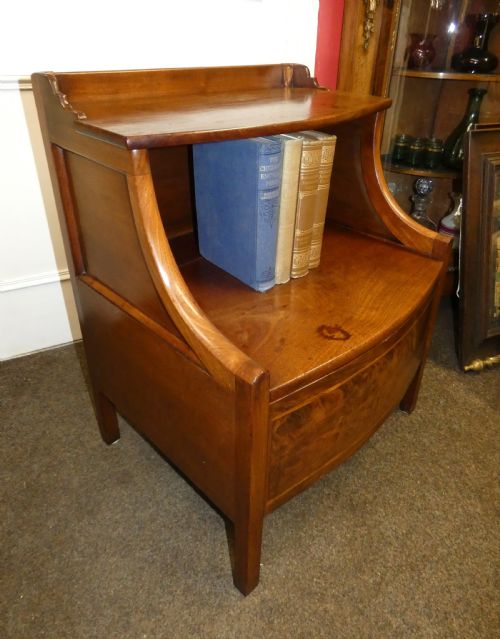
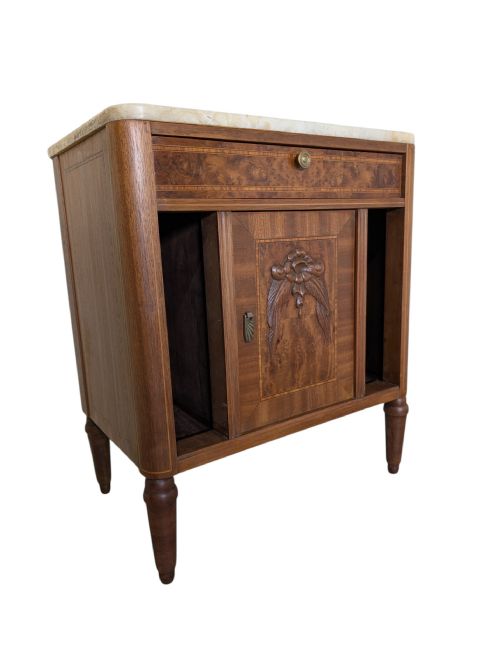
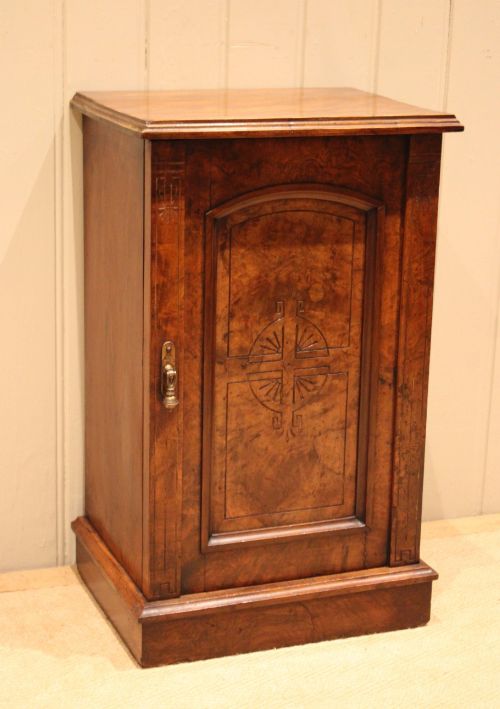
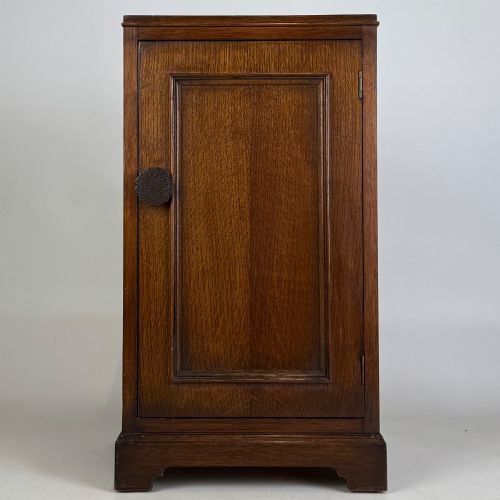
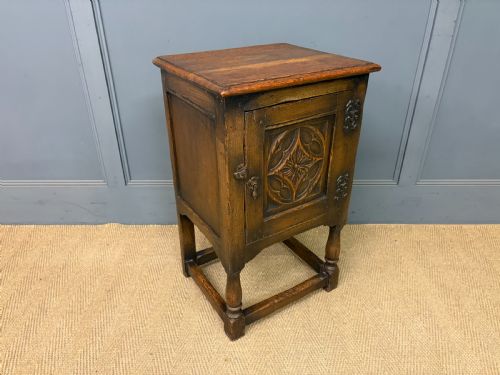
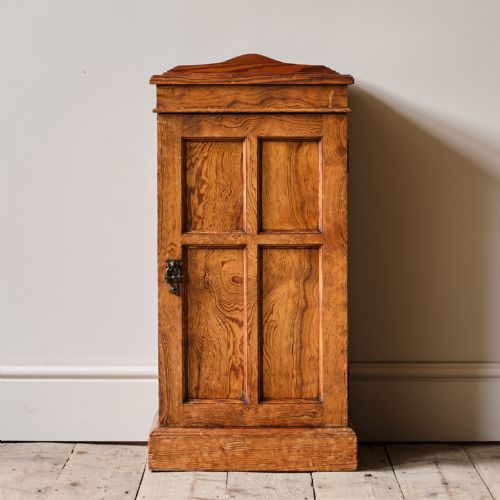
When you search for an antique storage pot, you encounter a diverse array of domestic vessels and small cabinets designed to hold household goods. The selection spans utilitarian kitchenware, apothecary containers, and bedside storage units built to keep living spaces orderly.
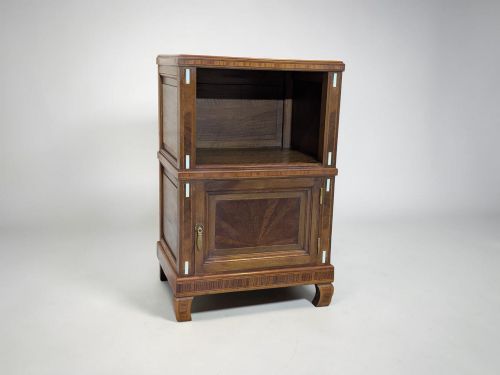
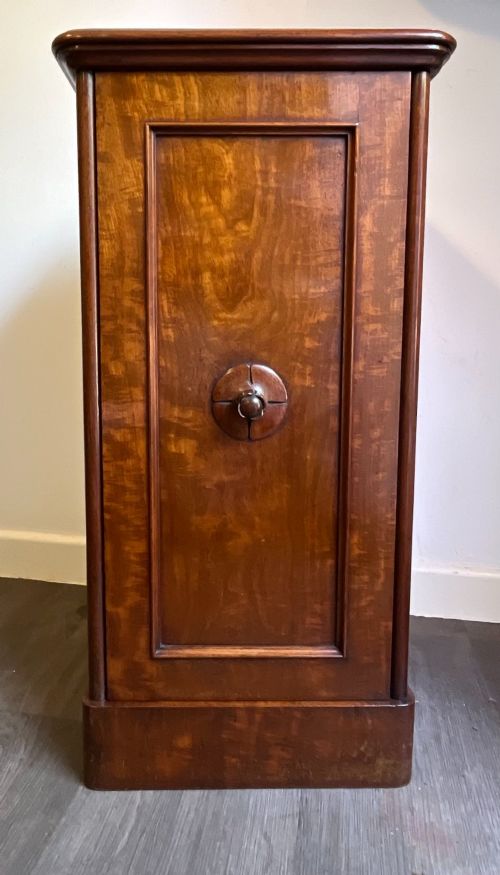
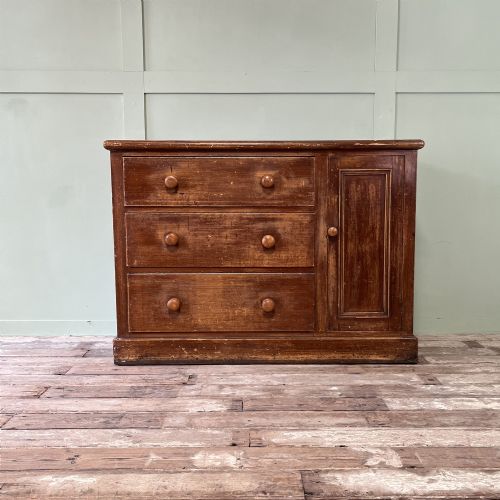
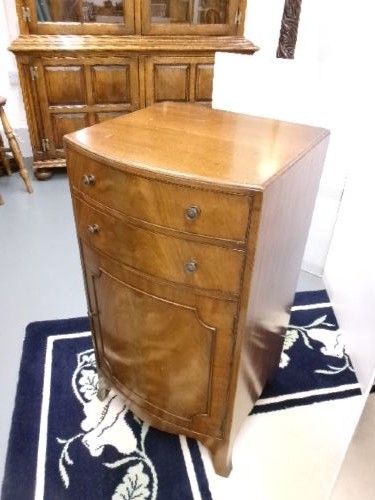
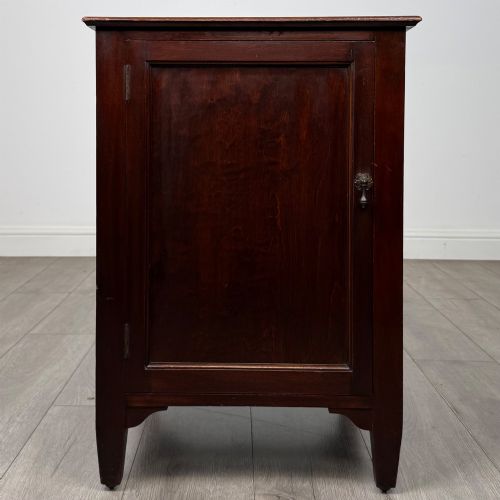
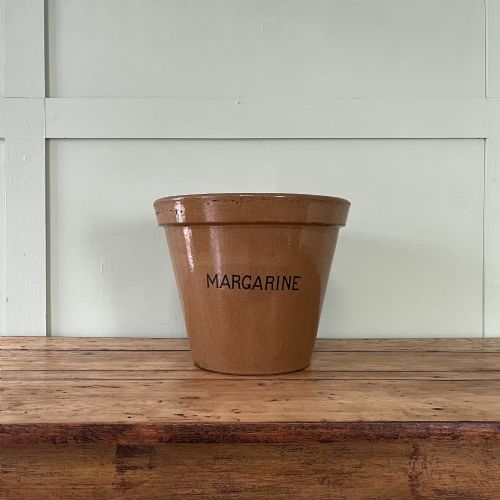
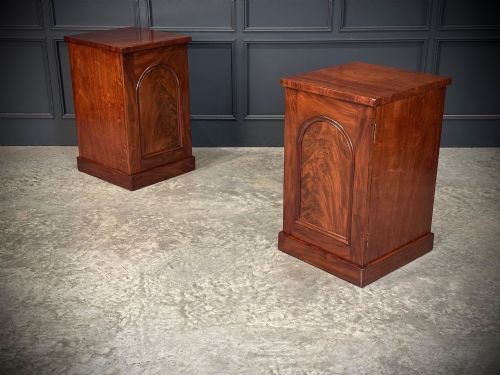
Bedside cabinets and pot cupboards dominate the forms on this page, originating from the eighteenth, nineteenth, and early twentieth centuries. Alongside timber furniture, you find ceramic jars, copper measures, and stoneware vessels fulfilling domestic storage needs.
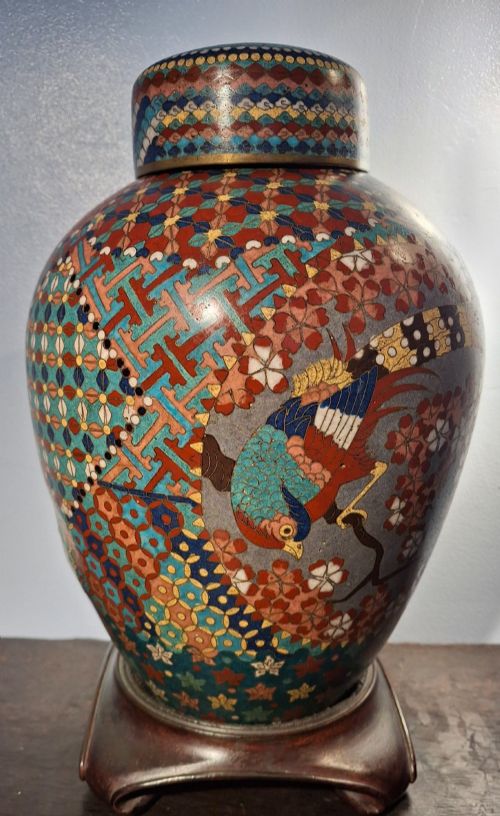
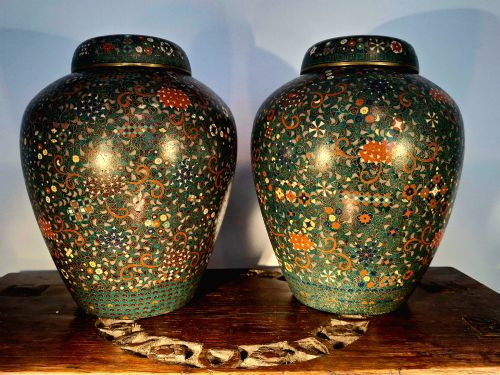
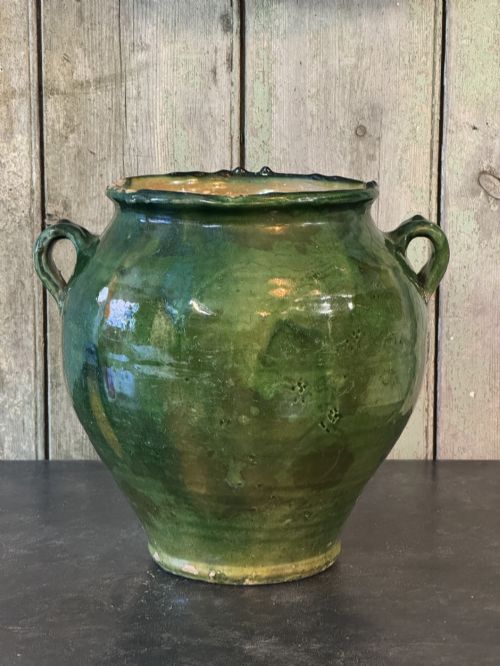
The regional origins range from English oak and mahogany case pieces to French glazed terracotta containers and Japanese cloisonne enamel ginger jars. Each piece reflects the specific domestic habits and material culture of its period.
Materials and construction methods
Cabinet makers utilised dense hardwoods such as mahogany, oak, walnut, and burr walnut for furniture pieces, employing panel construction and dovetail joints for durability. Surface treatments include flame mahogany veneers, carved ornamentation, and inlaid decorative details.
Vessels and utilitarian containers rely on earth and metal, encompassing glazed stoneware, English Delftware, terracotta, copper, brass, and wrought iron. Artisans shaped these materials through throwing, hammering, and enamel work to create functional household containers.
Listings feature items spanning the eighteenth century through the 1930s, constructed from mahogany, oak, walnut, terracotta, and brass.
Distinctions in quality and finish
Quality rests upon the selection of timber and the precision of the joinery, where figured veneers and tight dovetails mark superior cabinet-making. Secondary timbers used inside drawers and back panels indicate the thoroughness of the original workshop construction.
In ceramic and metal vessels, the integrity of the glaze, the weight of the metal, and the preservation of original patination determine the grade. Well-preserved painted markers on apothecary jars or intact surface finishes on copper measures elevate the piece.
The Antique Storage Pot Glossary
- Pot cupboard
- A small bedside cabinet originally constructed to enclose a chamber pot. These pieces usually feature a single door and sometimes include a pull-out shelf.
- Confit pot
- A French glazed earthenware vessel traditionally utilised for preserving meats and food storage. They typically display a glazed upper section and unglazed lower body.
- Pedestal cupboard
- A single-column cabinet designed to stand beside a desk or bed. They offer compact vertical storage with internal shelving.
- Delftware drug jar
- An English tin-glazed earthenware container made to hold apothecary preparations and medicines. These often bear painted labels denoting specific medical contents.
- Burr walnut
- A highly figured timber veneer sliced from the knot growths of walnut trees. Cabinet makers prize it for swirling, decorative grain patterns.
Antique Storage Pot: Frequently Asked Questions
What is a pot cupboard?
A pot cupboard is a small enclosed bedside cabinet originally designed to house a chamber pot out of sight. Over time, their utility shifted to general bedside storage for books and personal items.
Most examples feature a single door concealing a shelf or compartment. They appear frequently in oak, mahogany, and walnut across eighteenth and nineteenth-century styles.
How do I date an antique cabinet?
Dating relies on examining construction methods, timber choices, and stylistic details such as bracket feet, handles, and panel assembly. Eighteenth-century pieces often show hand-cut dovetails and solid secondary woods.
Later Victorian and Edwardian examples incorporate factory-produced fixings and machine-sawn elements. Comparing the hardware and internal construction to known period styles provides an accurate window of origin.
Were apothecary jars used in homes?
Apothecary and drug jars were primarily commercial vessels utilised by chemists, apothecaries, and hospitals to store dry drugs and liquid remedies. Over generations, many migrated into domestic settings as decorative containers or pharmacy collections.
Their painted labels and tin-glazed surfaces made them attractive display objects. They survive as tangible records of historical medical practices.
How do I clean wooden storage cabinets?
Wooden cabinets require gentle maintenance using a soft cloth and occasional applications of microcrystalline wax to nourish the antique finish. Avoid modern silicone sprays or excessive moisture which can damage aged polishes and veneers.
Keeping timber pieces away from direct heat sources prevents the wood from warping and the glue joints from failing. Regular dusting preserves the natural patina built up over centuries.