

Antique Storage Containers
These antique storage containers range from sturdy industrial bins to delicate silver tea caddies, offering functional vessels shaped by nineteenth and early twentieth century utility.
Antique Storage Containers
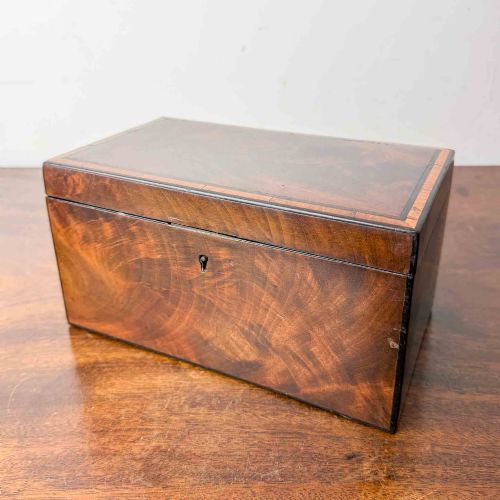
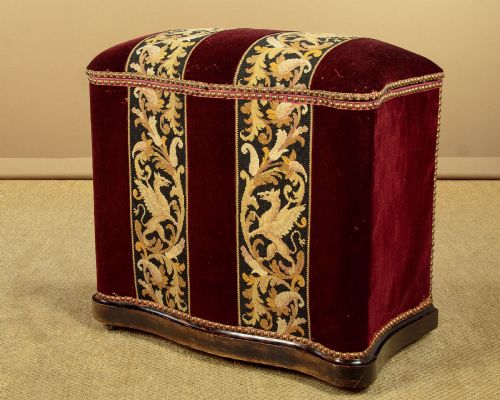
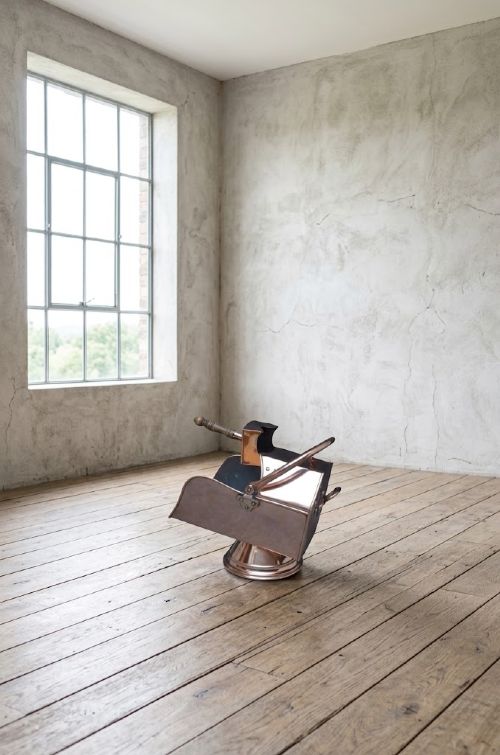
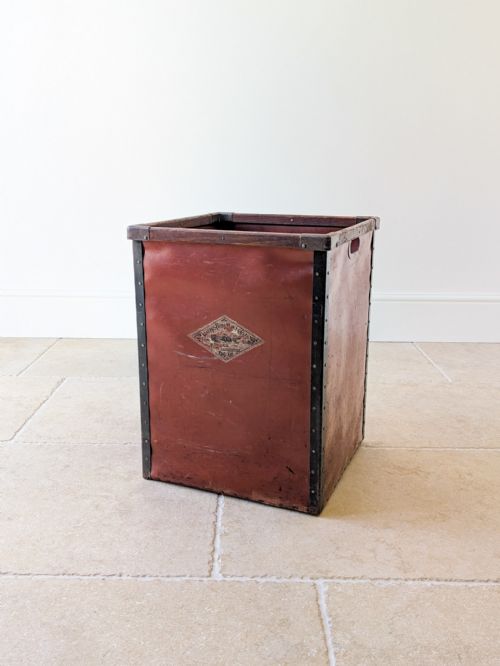
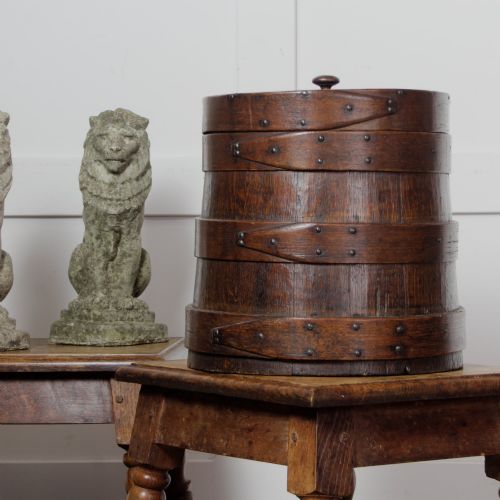
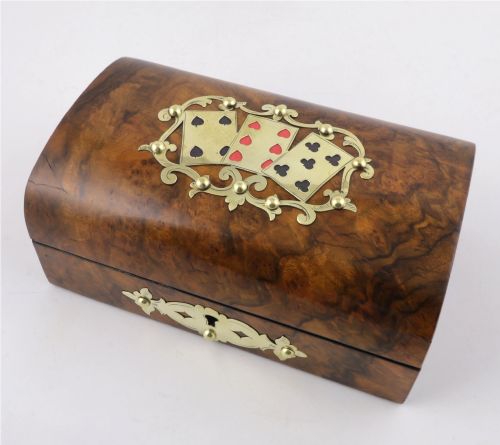
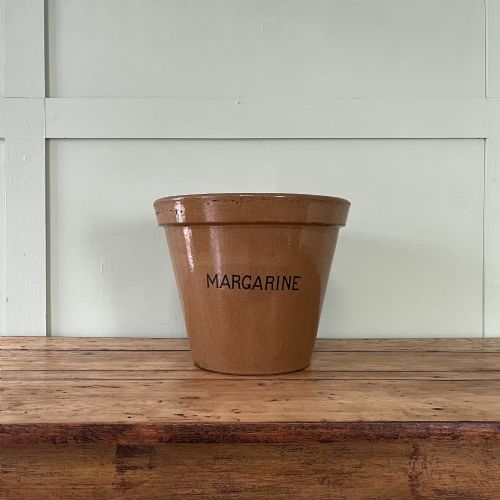
When searching for antique storage containers, buyers encounter a diverse array of domestic and utilitarian objects spanning the nineteenth century through the early twentieth century. These pieces encompass tea caddies, coal scuttles, umbrella stands, decorative boxes, and larger grain or industrial bins designed to hold specific household goods.
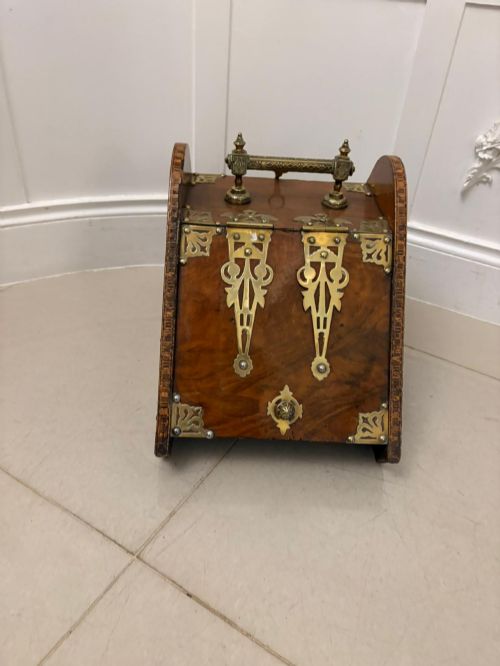
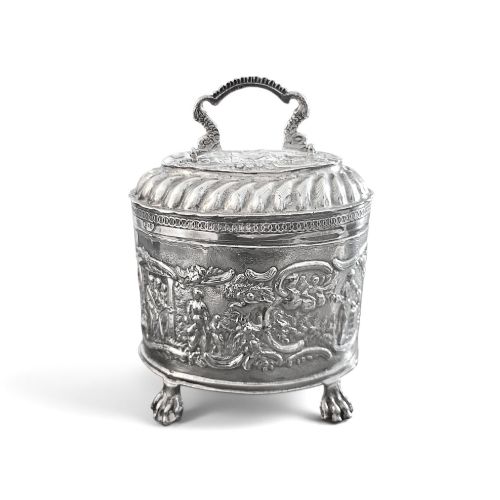
Buyers are most likely to meet nineteenth-century brass-mounted coal bins, silver tea caddies, and wooden storage boxes on this page, reflecting the broad survival of materials intended for daily household service.
How They Were Made
Makers utilised a combination of traditional woodworking, metalworking, and leathercraft to produce these storage pieces. Oak, walnut, and pitch pine provide the structural integrity for boxes and bins, often joined with skill and reinforced with brass mounts or iron fittings.
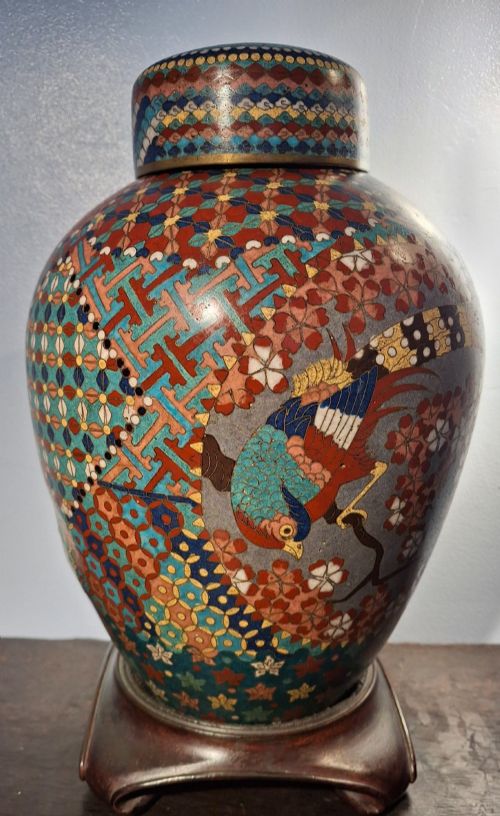
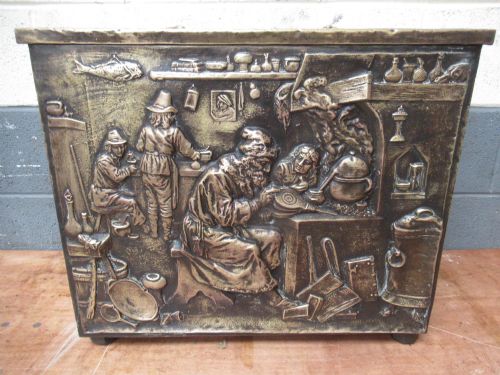
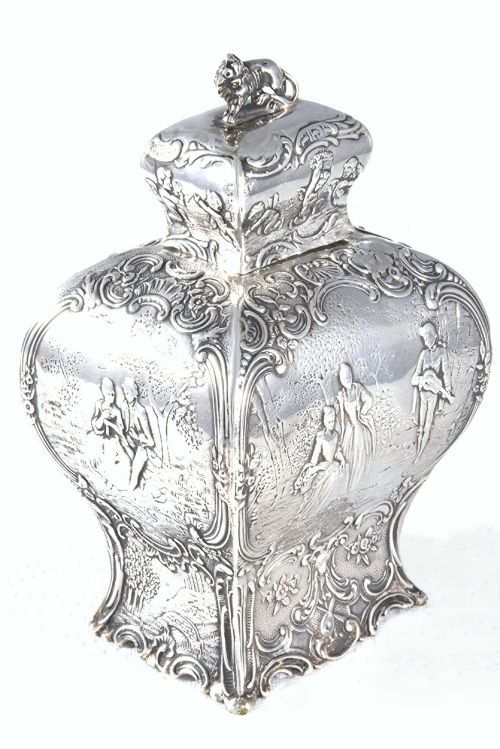
Metal vessels rely on techniques such as repousse work, embossing, and cloisonne enamel to decorate copper, brass, and sterling silver surfaces. Leather items demonstrate stitching and moulding around rigid forms to create durable hat cases and storage containers.
Several containers were specifically designed to house top hats, protecting formal millinery from the dust of Victorian cloakrooms.
What Varies in Quality
The standard of materials largely dictates the calibre of each piece, distinguishing solid sterling silver or substantial hardwoods like walnut from simpler tin or painted softwood constructions. Heavier gauge metals and finely grained timbers demonstrate superior initial manufacture.
The degree of hand-finishing, such as detailed repousse decoration on silver caddies or precise brass mounting on coal scuttles, separates standard utility items from finer domestic possessions. Preservation of original surface patination, hardware, and linings also influences the character of surviving containers.
Zimmermann·Levi and Salaman·Thomas Hayes·William Hutton and Sons Ltd.
The Antique Storage Containers Glossary
- Tea Caddy
- A small box or container originally designed to store loose tea leaves securely. Many examples feature interior compartments and locking lids with keys.
- Coal Scuttle
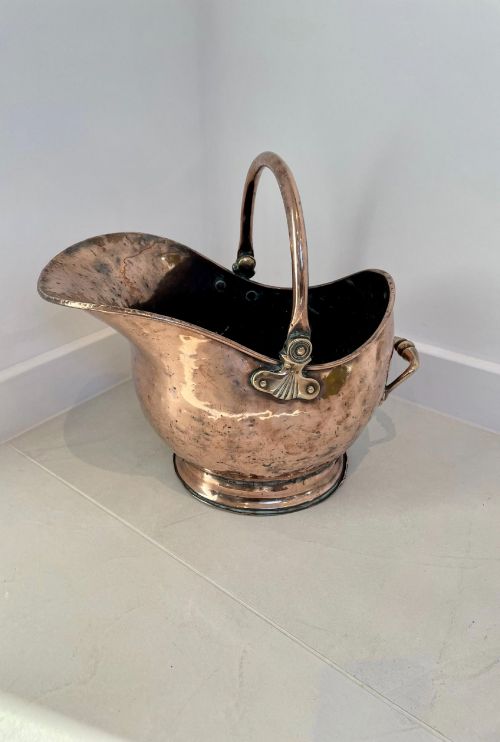
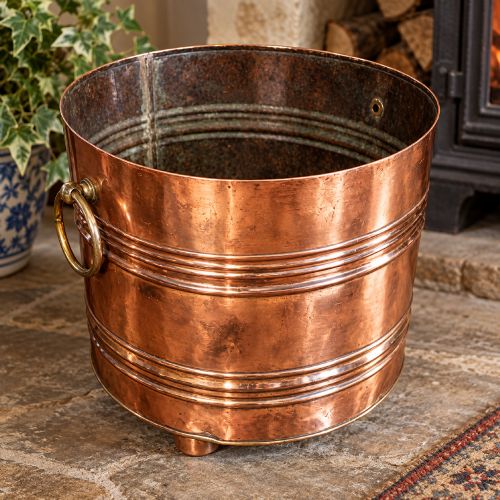
- A metal bucket or container used for holding and transporting coal to a fireplace. These items frequently appear in copper or brass, shaped as helmets or buckets.
- Repousse
- A metalworking technique where the artisan hammers the design from the reverse side to create a raised pattern in relief. This method commonly ornaments silver and brass tea caddies.
- Toleware
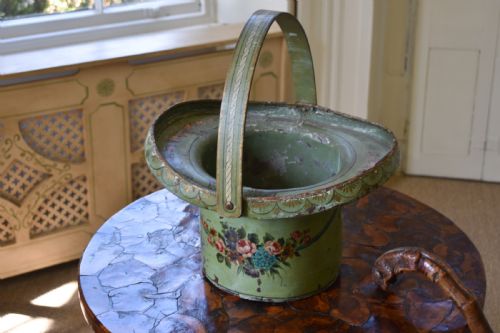
- Painted or lacquered tinware produced for domestic use. These pieces often mimic Oriental lacquerwork or display colourful painted floral motifs.
- Cloisonne
- An enamelling process where thin metal wires form compartments on a metal base, which are then filled with coloured paste and fired. Japanese examples frequently showcase this technique on jars and vessels.
Antique Storage Containers: Frequently Asked Questions
What were tea caddies used for?
Tea caddies served to store expensive tea leaves securely in locked containers during periods when tea was a valuable commodity. Their internal divisions allowed households to keep different varieties separated.
Keys were kept by the head of the household to ration the contents, reflecting the status and cost associated with tea in eighteenth and nineteenth century homes.
How do I identify a coal scuttle?
Coal scuttles are metal or wooden vessels designed to hold coal near a fireplace, often featuring swing handles and wide spouts for emptying fuel. Materials like brass and copper were chosen for durability and ease of cleaning.
Many examples take a helmet shape or appear as cylindrical buckets, frequently accompanied by matching shovels or rests.
What is toleware?
Toleware refers to japanned or enamelled metal objects, usually made of sheet iron or tinplate, finished with decorative painted surfaces. These containers served everyday functions in domestic settings.
Surviving pieces often display dark backgrounds with gilt or floral ornamentation, common in nineteenth century household storage.
How are umbrella stands dated?
Umbrella and stick stands are generally dated by their materials, construction methods, and prevailing decorative styles of periods like the Victorian or Edwardian eras. Cast iron, glazed stoneware, and turned oak indicate specific manufacturing periods.
Wear patterns at the base where moisture collected also provide clues to their prolonged domestic use.