



Antique Stone Urn Vase
An antique stone urn vase brings classical proportion and enduring mineral weight to a room or terrace, drawing the eye with ancient architectural forms.
Antique Stone Urn Vase
An antique stone urn vase encompasses decorative vessels and garden vessels shaped in the classical tradition, predominantly originating from the nineteenth century and the early twentieth century. Buyers seeking an antique stone urn vase encounter pieces executed in solid stone, marble, alabaster, and cast iron, often following campana and classical vase silhouettes.
The selection ranges from grand garden ornaments on pedestals to smaller decorative vases associated with the Grand Tour souvenir trade in Italy. Neoclassical and Victorian neoclassical styles dominate the offerings, bringing restrained architectural lines and classical ornamentation to domestic and garden settings.
How they were made
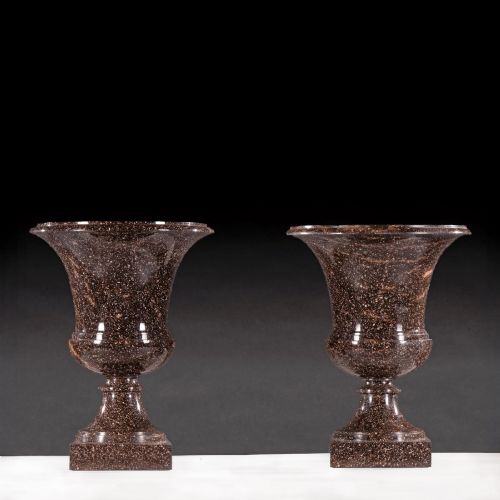
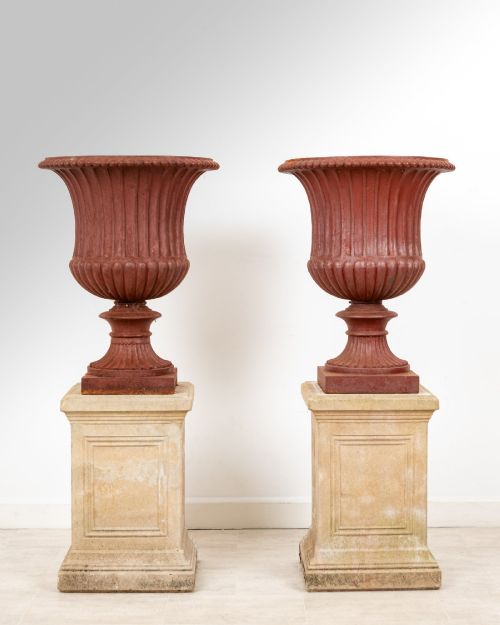
Makers shaped these pieces from dense natural materials including various marbles, alabaster, serpentine, and porphyry using traditional stone-cutting and turning techniques. Foundry casting provided an alternative method for producing robust cast iron examples designed for outdoor placement on stone pedestals.
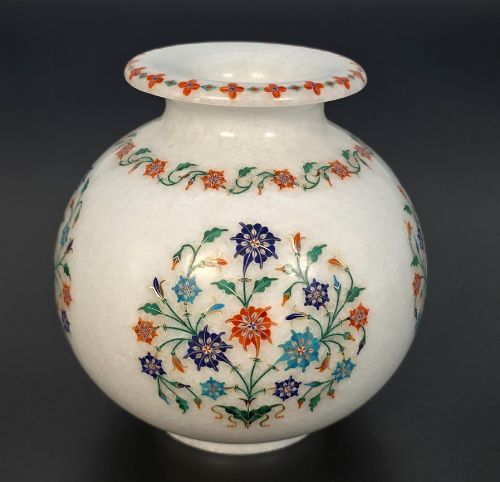
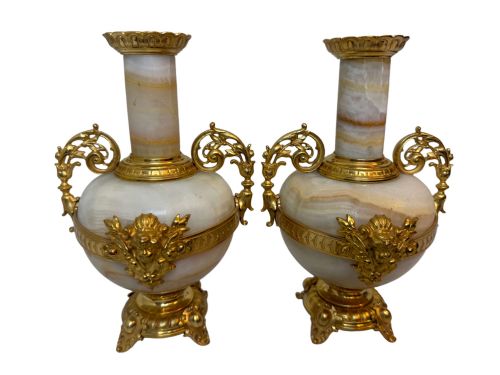
Fine decorative highlights involved intricate inlay work such as pietra dura, alongside mounted details in gilt bronze. Artisans finished the stone surfaces by honing and polishing to reveal the natural veining and varied colours inherent in the mineral blocks.
Travellers returning from nineteenth-century Italian tours packed heavy alabaster vases into their luggage alongside ordinary clothes.
What varies in quality
The quality of an antique stone urn vase rests upon the selection of the raw mineral block and the crispness of the carved or cast details. Superior examples display harmonious natural veining, balanced proportions, and precise execution of classical motifs such as acanthus leaves.
Pieces associated with Italian Grand Tour production or specific workshops demonstrate refined handling of delicate materials like alabaster and porphyry. Poorer quality shows in heavy, clumsy turning, muddy mineral patterns, or crude assembly of cast components.
Selim Bright
The Antique Stone Urn Vase Glossary
- Campana urn
- A bell-shaped vessel with a flared rim and footed base, frequently seen in nineteenth-century decorative stonework.
- Grand Tour
- A traditional trip through Europe undertaken by upper-class scholars and travellers, resulting in the acquisition of local souvenir antiquities and marble vases.
- Pietra dura
- An artistic technique using inlaid cut and fitted polished coloured stones to create geometric or pictorial designs.
- Porphyry
- A very hard igneous rock containing crystals, prized by classical and later makers for its deep purple and red tones.
- Serpentine
- A dark green silicate mineral often polished and used for decorative vases due to its mottled appearance.
Antique Stone Urn Vase: Frequently Asked Questions
Where should I place a stone urn?
Cast iron and heavy stone urns suit garden settings, terraces, and entranceways where they can withstand outdoor exposure. Smaller marble and alabaster vases belong indoors on sturdy tables, consoles, or pedestals.
Keep them away from direct heat sources and moisture to protect softer stones like alabaster from surface damage.
How do I clean an alabaster vase?
Dust alabaster gently with a dry, soft cloth to prevent scratching the delicate stone surface. Avoid using water, detergents, or chemical cleaners, as alabaster is porous and absorbs moisture readily.
Professional consultation is recommended if the stone requires deeper conservation or cleaning.
What is a campana shape?
The campana shape resembles an inverted bell, featuring a wide opening that tapers smoothly down to a narrow stem and foot. This silhouette originates from ancient pottery and bronze vessels.
Nineteenth-century makers adopted this form widely for both garden ornaments and interior decorative vases.
How do I date a marble urn?
Dating relies on stylistic clues such as neoclassical proportions, Grand Tour provenance markers, and material choices typical of the nineteenth century. Examining the tooling marks and the manner of the base construction also helps indicate the period.
Comparing the piece with documented examples from the same era provides further chronological context.