







Antique Stone Plaque
An antique stone plaque brings classical carving and tangible history directly to a wall or desk, offering enduring sculptural form.
Antique Stone Plaque
An antique stone plaque encompasses carved reliefs, inlaid panels, architectural fragments and memorial markers spanning several centuries. These pieces originate from diverse traditions, ranging from Italian Grand Tour souvenirs to British ecclesiastical and domestic masonry.
The selection on this page frequently includes marble panels, pietra dura specimens inlaid with various stones, sandstone keystones and slate carvings. Buyers encounter both small cabinet paperweights and substantial wall plaques intended for permanent display.
Periods represented stretch from the seventeenth century through the Victorian era and into the early twentieth century. Forms vary widely, moving from heraldic armorials and classical portraits to architectural salvage and commemorative stones.
How they were made
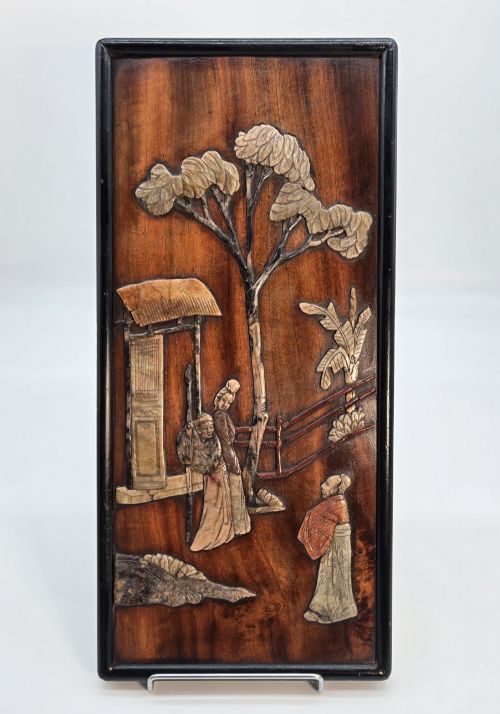
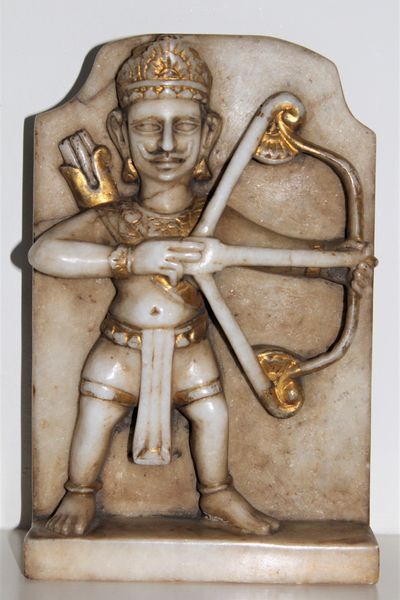
Sculptors utilised traditional hand-chiselling and relief-carving techniques on hard materials such as marble, sandstone, York stone and Welsh slate. The mastery of depth and shadow defined the creation of profile portraits and figural scenes.
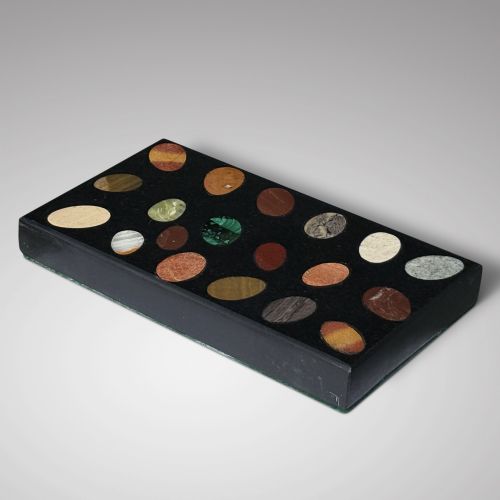
Pietra dura works involved meticulous cutting and fitting of coloured specimen marbles, alabaster and malachite into a stone base. This mosaic technique required extreme precision to create seamless pictorial panels of shepherds, flora or geometric motifs.
Antique Stone Plaque Retail Price Guide 2026
Typical asking prices for stone plaque among the pieces listed under this phrase on Sellingantiques today, from the lower quarter to the upper quarter. They describe what is for sale here now, not the wider market.
A nineteenth-century stone mason carved an enduring pet memorial for an Edwardian companion animal, preserving a quiet domestic tribute in marble.
What varies in quality
The refinement of the chisel work dictates the visual success of a relief, separating mechanical execution from masterly portraiture. Subtle undercutting and accurate anatomical proportion in marble figures denote superior hand execution.
Kasper Hendrik Roskam
The Antique Stone Plaque Glossary
- Pietra dura
- An Italian term for the artistic technique of inlaying cut and fitted polished coloured stones into a base to create pictorial images. This method produces durable mosaic panels often seen in Grand Tour souvenirs.
- Bas-relief
- A sculptural technique where the figures project only slightly from the flat background plane. It creates a shallow depth perception common in classical profile portraits.
- Keystone
- The central wedge-shaped stone at the summit of an arch that locks all the other elements into position. These structural stones often bear dates or carved armorials.
- Armorial
- Relating to heraldry and coat of arms displays. These plaques were carved to mark lineage, buildings or civic authority.
Antique Stone Plaque: Frequently Asked Questions
How were antique stone plaques originally displayed?
Many stone plaques and panels were built directly into interior walls or exterior architectural facades as commemorative or decorative elements. Others, such as pietra dura panels and smaller marbles, functioned as portable desk paperweights or framed cabinet pieces for collectors.
Grand Tour souvenirs were brought back by travellers and mounted in domestic settings to demonstrate classical taste and education. Architectural fragments were often salvaged from demolished buildings and repositioned purely for visual appreciation.
What is the difference between marble and pietra dura?
Marble is a natural metamorphic rock carved directly in relief or sculpted into three-dimensional forms like heads and figures. Pietra dura is a composite mosaic technique where multiple coloured hardstones are sliced and fitted together into a flat stone matrix to form a picture.
While marble relies on shadow and contour through carving, pietra dura depends on colour contrast and mineral variation to depict subjects like shepherds or geometric designs.
How do I care for an antique stone plaque?
Stone requires minimal intervention, needing only gentle dusting with a soft, dry brush to prevent dirt accumulation in carved recesses. Avoid applying oils, waxes or chemical cleaners, as porous stones like sandstone and marble absorb liquids and change permanently.
Display the piece away from areas of high moisture and direct heat sources to protect the structural integrity of the stone and any historical mortars or backing materials.
Can antique stone plaques be hung on modern walls?
Many wall plaques and panels feature built-in hanging fixtures or sufficient depth to be secured with appropriate heavy-duty architectural brackets. Weight is the primary consideration, requiring professional assessment of wall fixings to ensure secure load-bearing support.
Smaller or heavier architectural pieces are often best displayed resting on stable ledges, mantels or custom-built metal stands rather than suspended directly from a single wall hook.