


Antique Stone Pendant
An antique stone pendant brings together carved minerals and precious metals, offering a tactile piece of history to wear against the skin.
Antique Stone Pendant
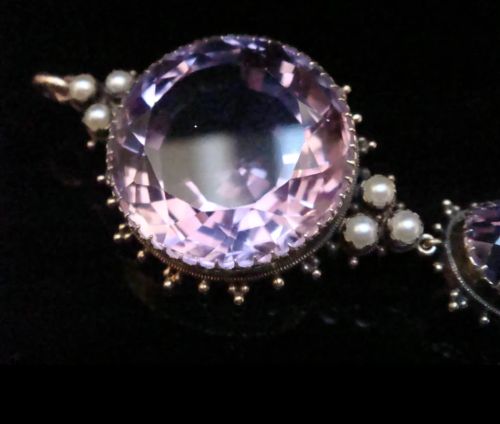
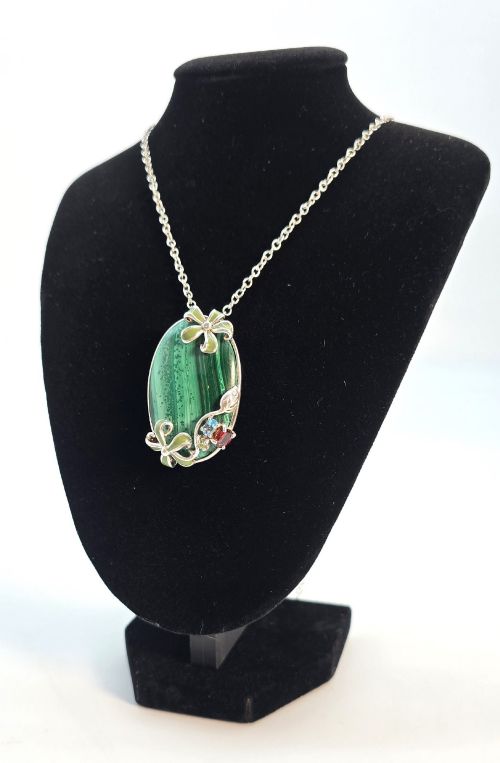
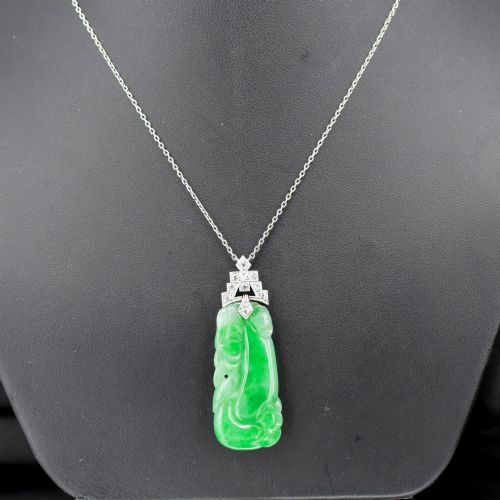
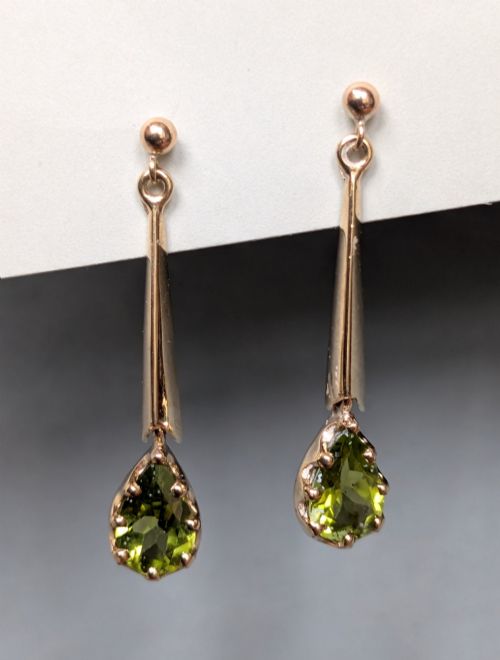
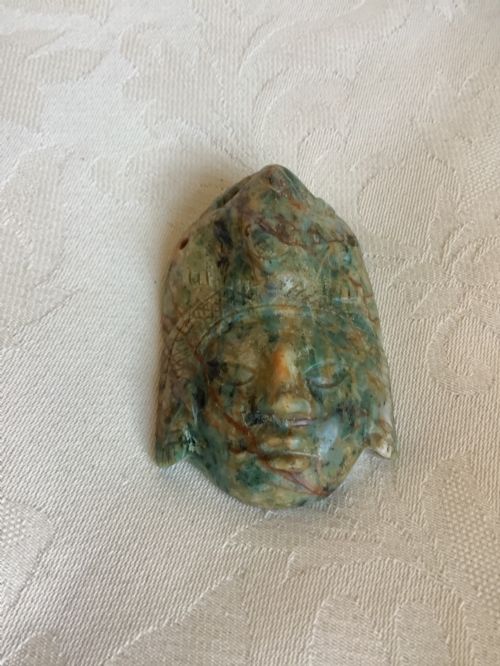
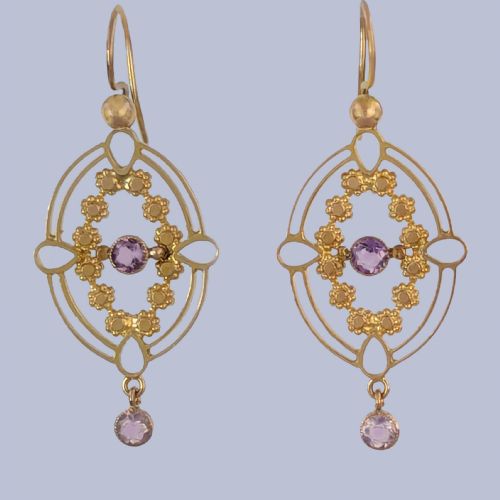
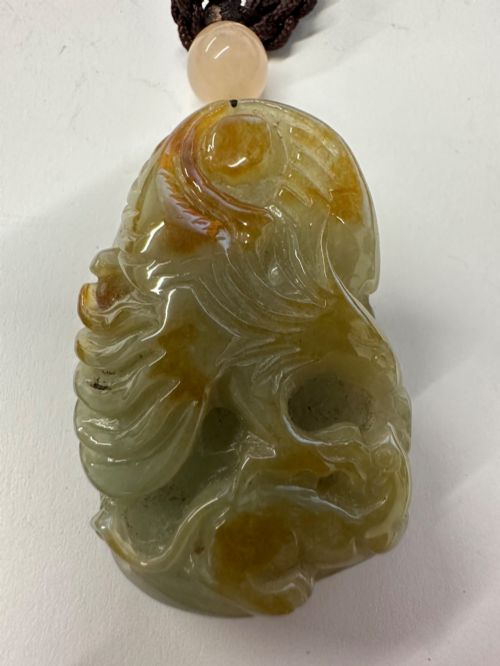
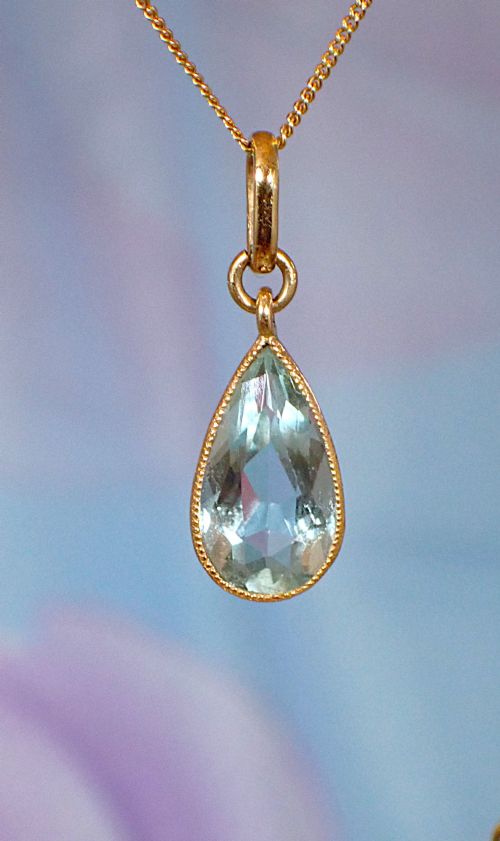
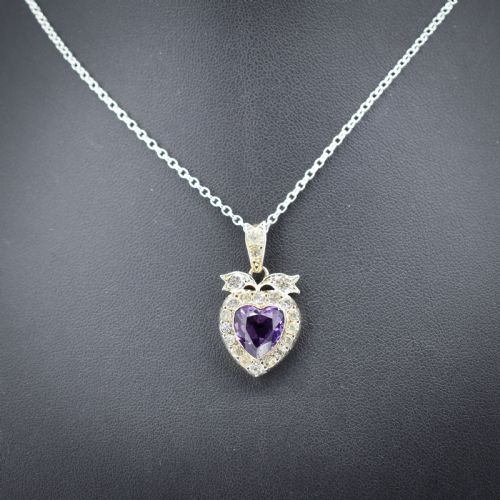
When you search for an antique stone pendant, you encounter wearable jewellery set with natural minerals, ranging from carved jades and agates to faceted amethysts, garnets, and peridots.
The pieces appearing on this page span several distinct design eras, including Georgian, Victorian, Edwardian, and Art Deco periods.
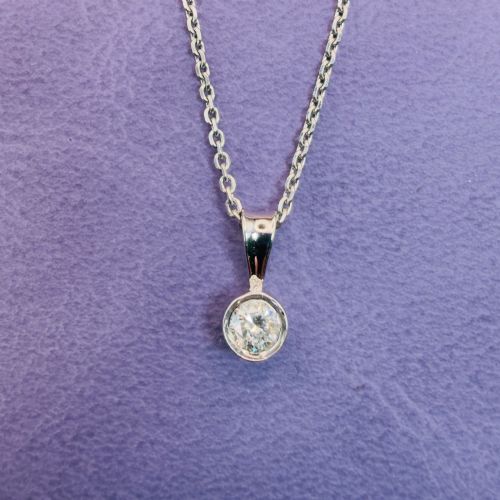
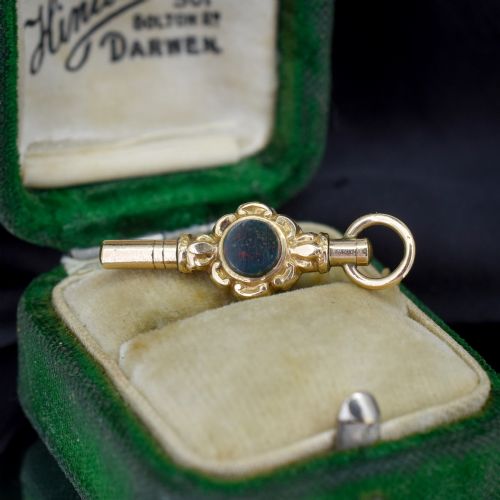
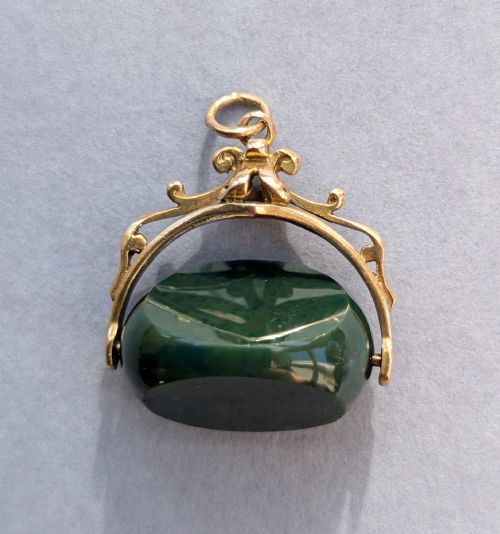
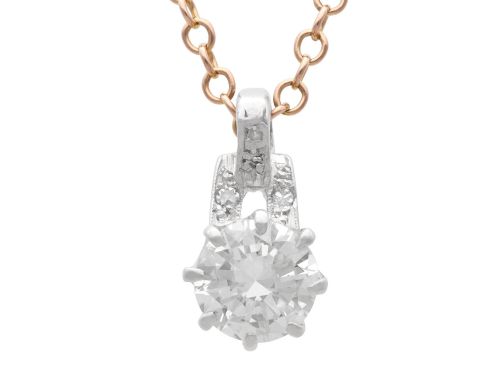
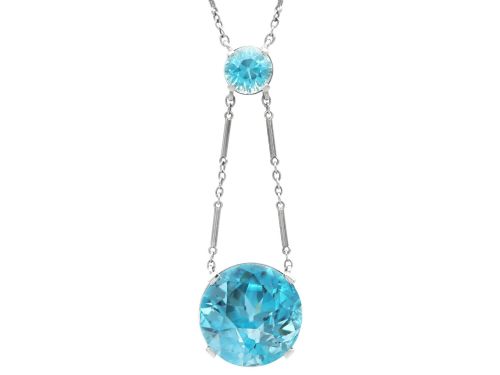
Forms vary from simple drop necklaces and negligee designs to spinning fobs, watch keys, and geometric platinum settings housing diamonds or zircon.
How they were made
Makers set stones into 9ct and 18ct gold, silver, gold-cased mounts, and platinum, often pairing coloured gems with seed pearls or paste stones.
Lapidaries shaped the central minerals through hand-carving, cabochon polishing, or precise faceting, while goldsmiths formed delicate openwork, floral motifs, and geometric bezels.
Antique Stone Pendant Retail Price Guide 2026
Typical asking prices for stone pendant among the pieces listed under this phrase on Sellingantiques today, from the lower quarter to the upper quarter. They describe what is for sale here now, not the wider market.
Listings feature hardstone carvings like jade and agate alongside faceted amethysts, garnets, and peridots set in gold, silver, and platinum.
What varies in quality
Quality rests on the depth and skill of the stone carving or the clarity and saturation of the coloured gem, alongside the integrity of the metalwork.
Pieces featuring crisp openwork, well-matched seed pearls, and secure settings distinguish the finest workshop output from simpler production.
S. Blanckensee & Son
The Antique Stone Pendant Glossary
- Cabochon
- A gemstone shaped and polished with a smooth, rounded surface rather than faceted. This style highlights the natural pattern and colour of opaque or translucent stones like agate and jade.
- Fob
- A small medallion, seal, or ornament attached to a ribbon or chain. In antique jewellery, stone fobs often feature carved hardstones or swivel mechanisms.
- Negligee necklace
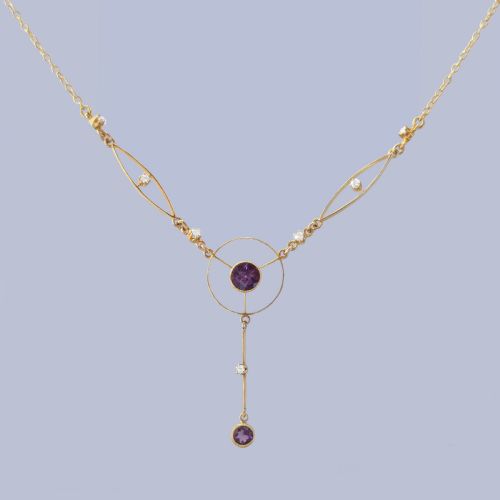
- A delicate Edwardian necklace style featuring two asymmetrical drops suspended from a central chain. They frequently incorporate amethysts, pearls, and peridots.
- Paste
- Hand-cut and polished lead glass used to imitate gemstones in antique jewellery. High-quality paste was valued for its brilliance and precise colour replication.
Antique Stone Pendant: Frequently Asked Questions
How do I wear an antique stone pendant?
These pendants work best on delicate gold or silver chains that match the original metal tone of the mount.
Pair shorter lengths with open necklines to let drop styles and festoons hang freely against the skin.
How can I tell the period of a pendant?
Examine the metal type, setting technique, and overall design motifs to determine the era of manufacture.
Edwardian pieces often display lacy openwork and pastel gems, while Art Deco items favour geometric lines, platinum, and carved jade.
What is the difference between a pendant and a fob?
A pendant is designed specifically as a decorative ornament suspended from a necklace chain around the neck.
A fob originally served a functional purpose attached to a pocket watch, though many now find new life converted for wear on a chain.