
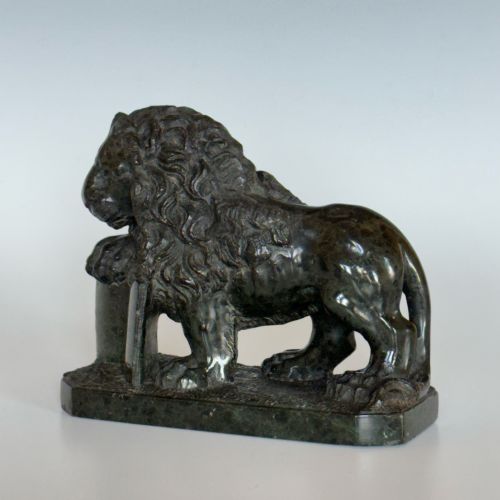
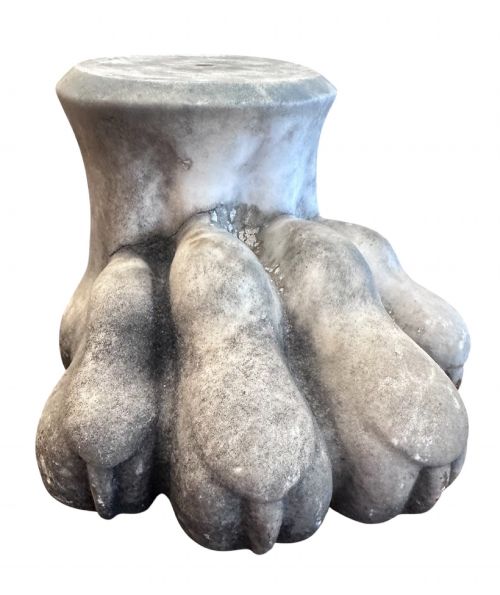


Antique Stone Lion Sculpture
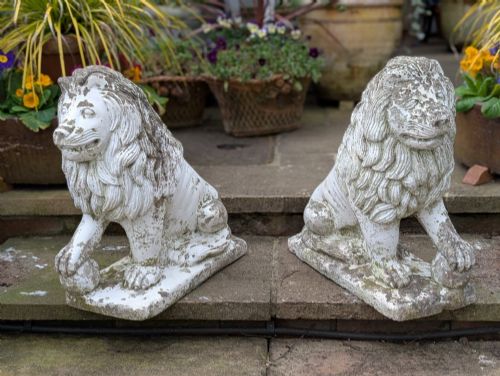
An antique stone lion sculpture stands guard at a gateway or sits upon a desk, bringing centuries of classical presence to your home or garden.
Antique Stone Lion Sculpture
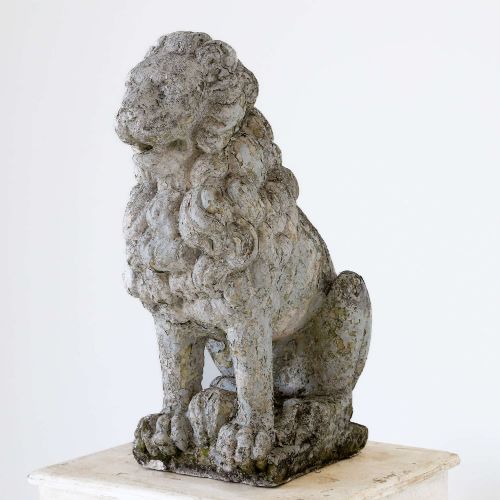
When you search for an antique stone lion sculpture, you encounter figures ranging from monumental gate posts and garden statuary to small desk accessories. These pieces span centuries, originating from English country houses, French chateaux, Italian workshops, and Chinese temples.
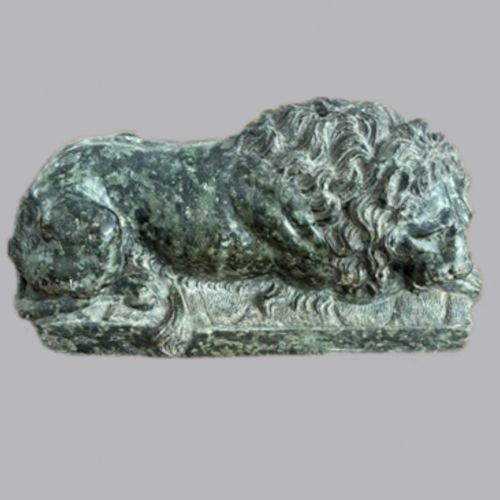
The selections on this page lean heavily towards nineteenth century examples, including Grand Tour souvenirs in serpentine and Carrara marble alongside sturdy garden ornaments in reconstituted stone and terracotta. You will find pairs of recumbent guardians, seated post finials, and dynamic mythological subjects like Canova lions and Una with the Lion.
Materials and techniques
Sculptors carved these pieces from solid blocks of marble, stone, soapstone, and alabaster using traditional chisels and polishing tools. Hard stones such as green marble and serpentine required immense patience to shape and finish.
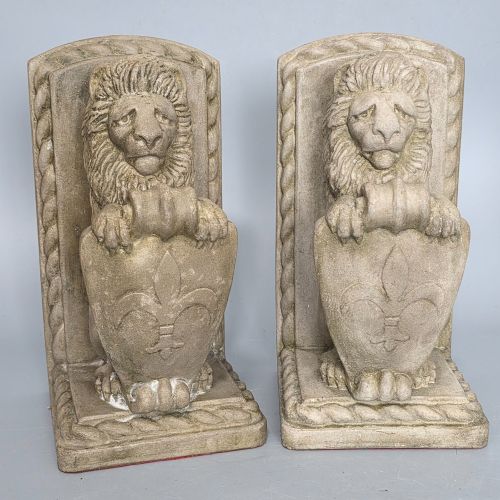
Other examples utilise moulded terracotta, salt glazed pottery, and composite or reconstituted stone. These poured or pressed mediums allowed workshops to capture intricate detail for grand garden ornaments and architectural salvage.
Several stone lions quietly moonlight as gateposts, desk seals, and wall panels, proving that even fierce guardians appreciate a practical day job.
Judging the quality
Quality rests in the anatomical precision of the carving and the life of the posture. Master carvers captured tension in the muscles and texture in the mane, whereas lesser pieces rely on stiff, formulaic outlines.
The choice of material also sets pieces apart, from fine Italian Carrara and Sienna marbles down to utilitarian salt glazed pottery. Weathering, surface patina, and the preservation of original paint layers further distinguish exceptional survivals.
The Antique Stone Lion Sculpture Glossary
- Grand tour
- A cultural journey undertaken by wealthy young Europeans in the eighteenth and nineteenth centuries. Travellers collected small marbles and bronzes, such as lions after classical monuments, to bring home.
- Recumbent
- Lying down or resting with the head raised. This posture is common for garden lions flanking a terrace or entrance.
- Finial
- An ornamental architectural detail placed at the apex of a post, gate, or roof. Lion finials traditionally served as guardians of a boundary.
- Foo dog
- A traditional Chinese guardian lion, often depicted in pairs outside temples and palaces. They combine mythical attributes with fierce protection.
- Serpentine
- A dark green mineral resembling snake skin, highly polished by nineteenth century lapidaries. It was frequently used for small Italian carvings and desk seals.
Antique Stone Lion Sculpture: Frequently Asked Questions
Where should I place a stone lion?
Larger stone, marble, and terracotta lions suit gardens, terraces, and entrance gates where they act as traditional sentinels. Smaller soapstone, alabaster, and marble sculptures belong indoors on desks, mantelpieces, or wall panels.
Heavier exterior pieces require a stable, level base to prevent sinking or shifting over time. Interior sculptures need placement away from direct heat and moisture to protect delicate stone surfaces.
How do I clean an antique stone sculpture?
Gentle brushing with a soft-bristled brush removes loose dust and atmospheric dirt from carved surfaces. Avoid harsh chemical cleaners or pressure washers, which strip away historic patina and erode soft marbles.
Interior pieces require only a dry or slightly damp microfibre cloth. For exterior garden stone, plain water and mild soap suffice if washing is strictly necessary.
Are these sculptures suitable for outdoor use?
Granite, hard stone, reconstituted stone, and terracotta withstand exterior conditions when placed properly. Porous stones and glazed pottery require protection from freezing winter water to avoid cracking.
Softer materials like alabaster and soapstone are strictly for indoor display. Marble pieces intended for interiors should also remain sheltered from harsh weathering.
How do I date an antique lion sculpture?
Dating relies on tool marks, material composition, stylistic cues, and surface wear. Nineteenth century works often reflect Neoclassical revivals or Grand Tour influences, while earlier seventeenth century pieces show deeper patination and hand-worked tool signatures.
Comparing the anatomy and base construction to documented periods helps narrow the origin. Makers' marks, where present, provide further clues to the workshop and era.