



Antique Stone Box
An antique stone box brings together mineral specimens and metalwork, offering small-scale storage for trinkets, pills or desk items.
Antique Stone Box
An antique stone box encompasses small lidded containers formed from minerals and hardstones, often mounted in silver, gilt brass or ormolu. These pieces range from tiny pill boxes and snuff boxes to larger jewellery caskets and desk boxes designed for personal use.
The selections span the nineteenth and twentieth centuries, featuring nineteenth century French and Italian designs alongside Edwardian, Victorian, Art Deco and Arts and Crafts examples. Continental European and English origins dominate the record.
Forms extend beyond standard containers to include specialised items such as chatelaine cases, vesta boxes and desk accessories. Collectors encounter both banded agate and pietra dura inlays alongside solid onyx and carved hardstone bodies.
Materials and construction
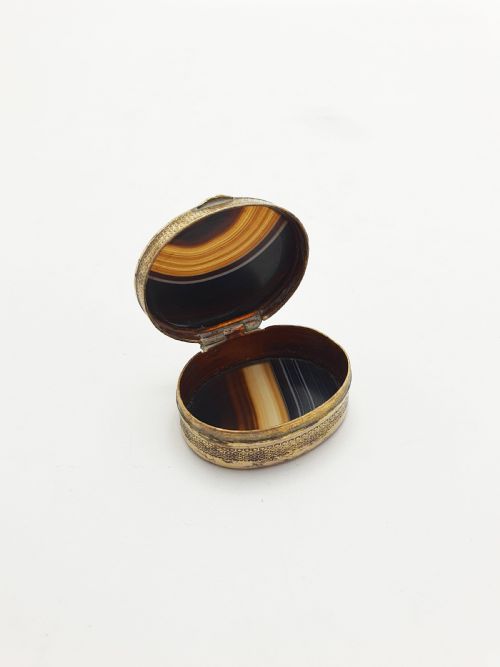
Makers utilised natural stones including agate, onyx, lapis lazuli, malachite, green blood stone and rose quartz, frequently pairing them with structural mounts of sterling silver, gilt brass, ormolu and gold. Pietra dura inlay techniques involve precise assembly of coloured stone slices into geometric or floral pictorial panels.
Metal components receive mechanical or hand fabrication, incorporating hinges, bezels and chased mounts that frame the mineral bodies. Interior linings occasionally utilise velvet to cushion contents within the stone and metal housings.
Antique Stone Box Retail Price Guide 2026
Typical asking prices for stone box among the pieces listed under this phrase on Sellingantiques today, from the lower quarter to the upper quarter. They describe what is for sale here now, not the wider market.
Among the unexpected material applications, one nineteenth century biscuit box cleverly mimics a curling stone complete with brushes.
Distinctions in quality
Superior execution relies on the precision of stone cutting and the integration of metal mounts. Finely fitted hinges, crisp chasing on ormolu or silver frames, and tightly aligned pietra dura mosaic segments elevate a piece above simpler production.
R E Stone·George Betjemann·Fenton Bros.
The Antique Stone Box Glossary
- Pietra dura
- An Italian mosaic technique involving polished, cut-to-fit coloured stones assembled to create decorative images or patterns. This method appears frequently on nineteenth century caskets.
- Ormolu
- Gilded bronze or brass utilised for decorative mounts and framing elements. This technique provides a bright golden contrast to dark stone bodies.
- Agate
- A cryptocrystalline variety of quartz characterised by bands of colour. It forms the primary body material for many nineteenth century pill and trinket boxes.
- Vinaigrette
- A small ornamental box containing a perforated grill, originally designed to hold a sponge soaked in aromatic vinegar. These containers frequently feature precious metal mounts.
- Chatelaine
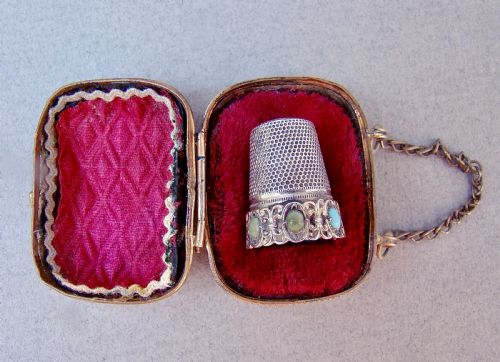
- A decorative belt hook suspended with chains carrying small functional items such as thimble cases or vinaigrettes. Chatelaine cases are typically secured for portable use.
Antique Stone Box: Frequently Asked Questions
What were antique stone boxes used for?
These boxes served practical roles in daily life, holding small personal items such as pills, snuff, stamps or jewellery. Desk versions accommodated writing accessories, while pocket-sized pieces travelled securely.
Their dual function as ornamental objects meant they sat on dressing tables, mantelpieces and desks as displays of wealth and taste.
How do I date an antique stone box?
Dating relies on combining stylistic markers with material analysis. Metal mounts, hallmark stamps on silver components, and prevailing artistic movements such as Art Deco or Victorian design provide chronological brackets.
Construction methods also aid dating, as machine-stamped metalwork generally indicates later production than hand-chased mounts.
Are stone boxes fragile?
While natural stone offers durability, mounted pieces require careful handling due to the fragile joints between mineral bodies and metal bezels. Inlaid panels and delicate hinges demand gentle treatment during cleaning and use.
Proper placement away from damp environments protects velvet linings and metal components from oxidation.
What is pietra dura?
Pietra dura is a hardstone mosaic method where artisans cut and fit coloured stones together to form smooth pictorial surfaces. Italian workshops specialised in this intricate technique during the nineteenth century.
Common motifs include floral arrangements and geometric borders set flush into a dark stone or wooden base.
How should I clean an antique stone box?
Maintenance involves gentle dusting with a soft, dry cloth to protect exposed stone and metal mounts. Moisture should remain away from velvet interiors and glued panel joins.
Harsh chemical polishes risk damaging patinated silver or ormolu surfaces and should be avoided entirely.