
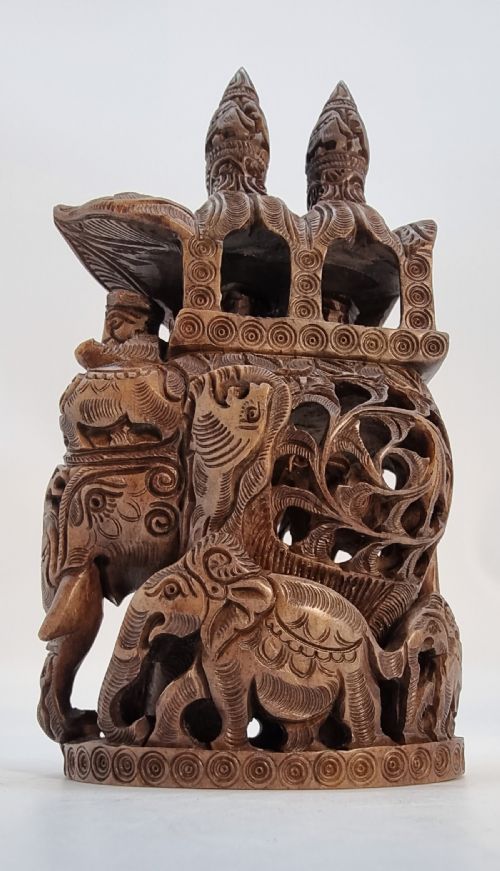


Antique Stone Animal Figure
An antique stone animal figure brings the weight of carved marble, soapstone, or alabaster into a room, offering enduring presence through centuries of craft.
Antique Stone Animal Figure
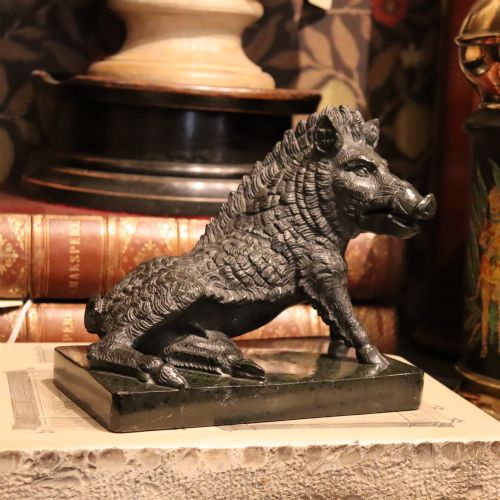
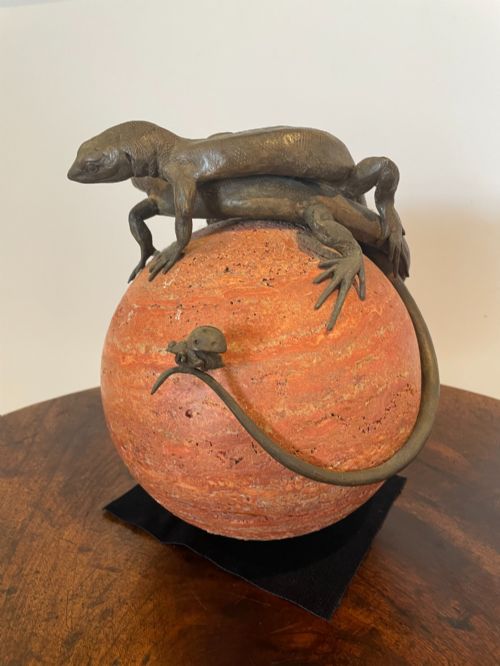
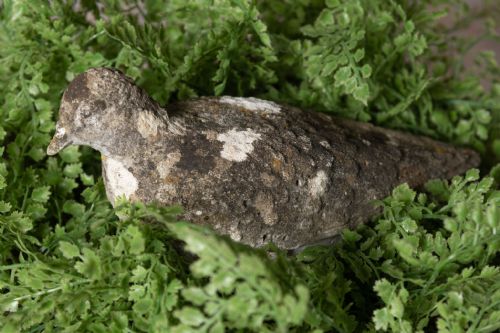
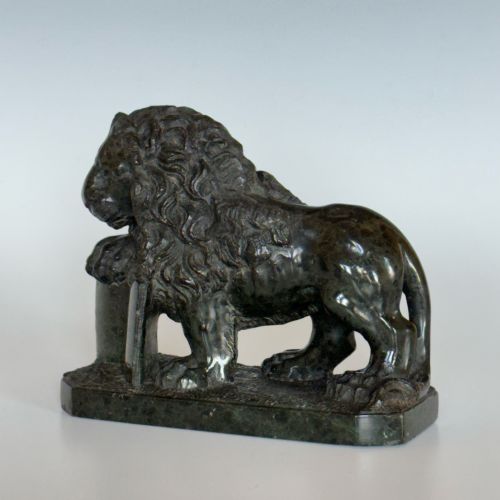
An antique stone animal figure encompasses carved sculptures, garden ornaments, and bookends drawn from periods spanning the pre-16th century to the 1930s. Buyers searching for an antique stone animal figure encounter representations ranging from fierce lions and wild boars to domestic dogs, elephants, and birds.
Materials and methods of creation
Carvers shaped these figures from serpentine marble, veined Carrara marble, soapstone, steatite, Derbyshire alabaster, and reconstituted stone, occasionally pairing them with bronze elements. Artisans utilised hand-chiselling, polishing, and incising techniques to define musculature, feathers, and facial expressions.
Italian workshops produced green serpentine marble models and specimen marble studies using classical carving traditions, while soapstone and steatite pieces from China and India relied on meticulous manual reduction to detail complex groupings of animals.
A pair of stone dogs might guard your bookshelf, requiring no feeding and offering unwavering loyalty.
Distinctions in quality
Quality rests upon the fidelity of the anatomical rendering, the liveliness of the pose, and the skilful exploitation of natural mineral grain. A superior carving captures movement and texture convincingly, whereas lesser works remain stiff and unexpressive.
The choice of stone heavily influences the result; dense marbles and fine alabasters allow for crisp details that softer reconstituted stones or basic soapstones cannot match. The integration of the animal's form with the natural markings of the marble separates masterwork studies from ordinary decorative objects.
Bright And Sons
The Antique Stone Animal Figure Glossary
- Grand Tour
- A cultural tradition of travel through Europe undertaken by upper-class young men in the 18th and 19th centuries, resulting in the acquisition of classical art and marble models. These souvenirs often replicated famous antique sculptures found in Italian collections.
- Serpentine Marble
- A dark green, mottled mineral rock often resembling snakeskin, frequently utilised by Italian carvers for architectural models and animal figures. Its distinctive coloration makes it a primary material in 19th-century decorative sculpture.
- Steatite
- A metamorphic rock composed chiefly of talc, commonly known as soapstone, valued for its softness and ease of carving. It was widely employed in Asian workshops for intricate animal and figure studies.
- Specimen Marble
- A multi-coloured arrangement of various marbles assembled to depict natural subjects or geological displays. Italian carvers utilised this technique to render realistic shades within wild animals and horses.
- Animalier
- A 19th-century artistic genre dedicated to the realistic portrayal of animals, executed in sculpture and bronze. Practitioners focused on capturing the dynamic anatomy and behaviour of wildlife.
Antique Stone Animal Figure: Frequently Asked Questions
What is the difference between marble and alabaster figures?
Marble is a hard, metamorphic rock that withstands heavy handling and holds crisp, sharp details over centuries. Alabaster is a softer mineral that offers a translucent, glowing quality but scratches and wears down much more easily.
Figures carved from alabaster require more careful placement away from high-traffic zones or areas prone to moisture. Marble pieces tolerate varied interior conditions while maintaining their polished finish.
Where were serpentine marble animal carvings made?
Many serpentine marble animal figures originate from 19th-century Italian workshops catering to the Grand Tour market. Craftsmen in Florence and Rome produced models of classical beasts, such as the Florentine boar or lions, for international travellers.
These Italian pieces often utilise local green serpentine stone to emulate ancient Roman archetypes. Their production continued through the Victorian era into the early 20th century.
How can I date an antique soapstone animal sculpture?
Dating relies on stylistic markers, tool marks, and regional carving traditions recorded across the 19th and early 20th centuries. Chinese soapstone carvings often follow dynastic conventions, while Indian studies from the early 20th century exhibit specific regional postures in ceremonial subjects.
Examine the underside for wear patterns, patination, and the type of finish left by the artisan's tools. Comparing the subject matter to documented periods helps narrow down the decade of creation.