
Antique Still Life Oil
Selecting an antique still life oil brings centuries of painted flora, game and household objects into a room through rich, layered brushwork.
Antique Still Life Oil
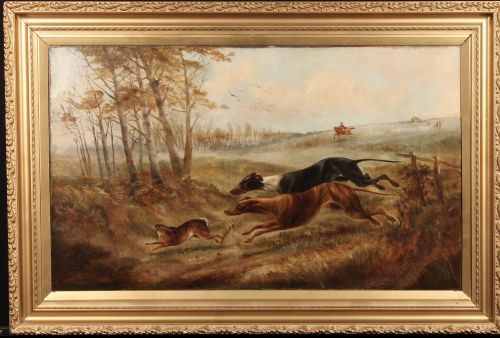
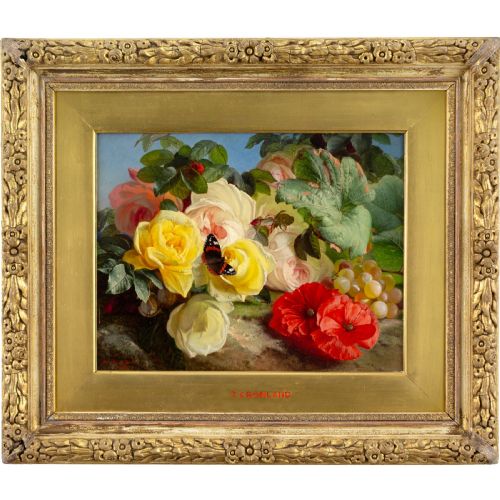
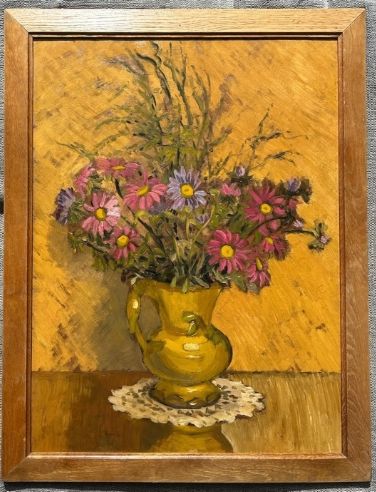
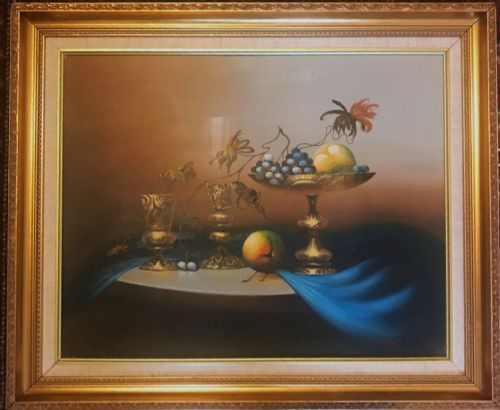
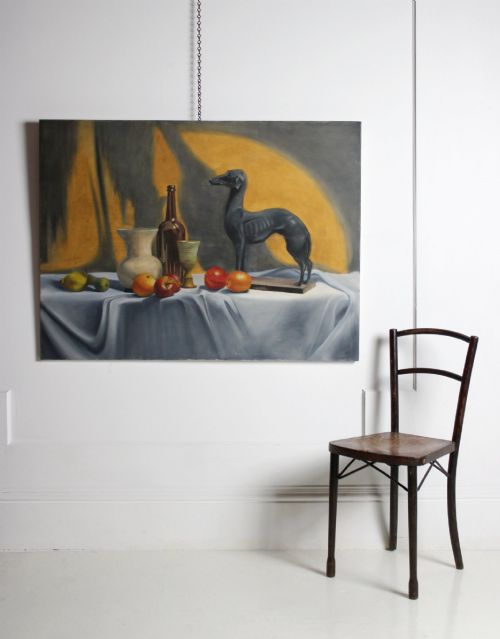
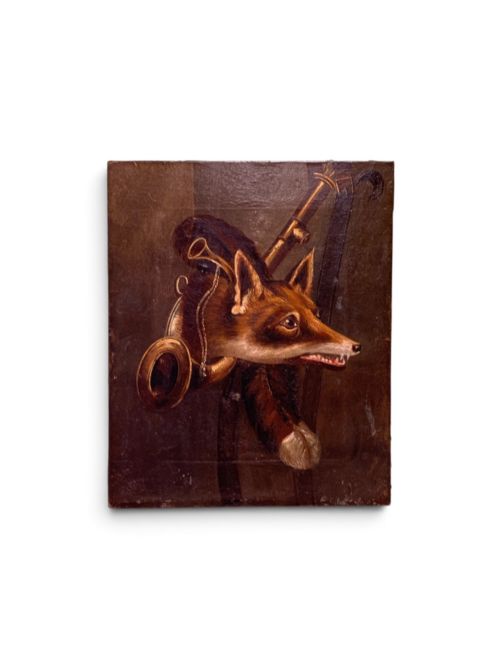
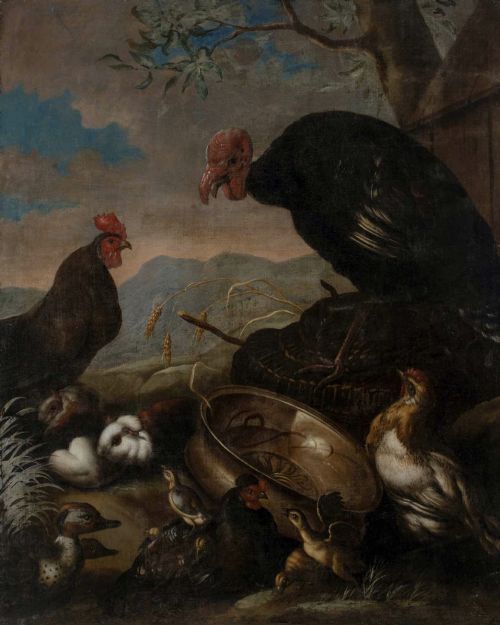
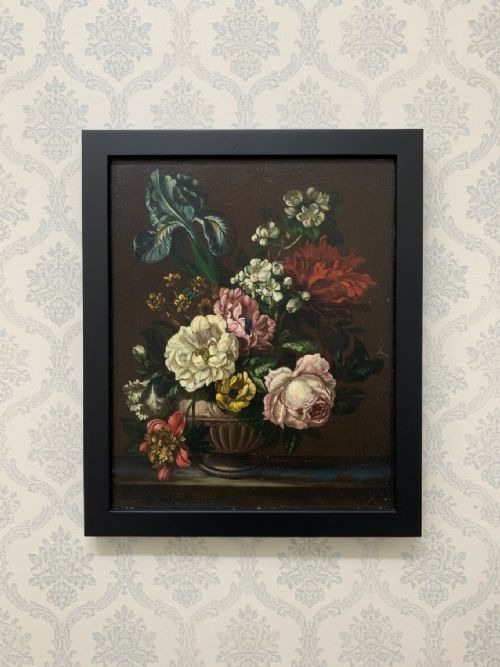
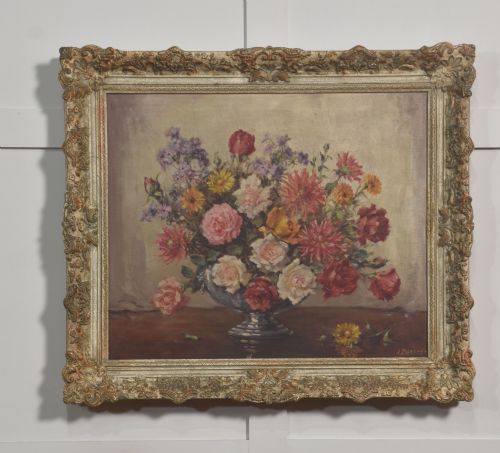
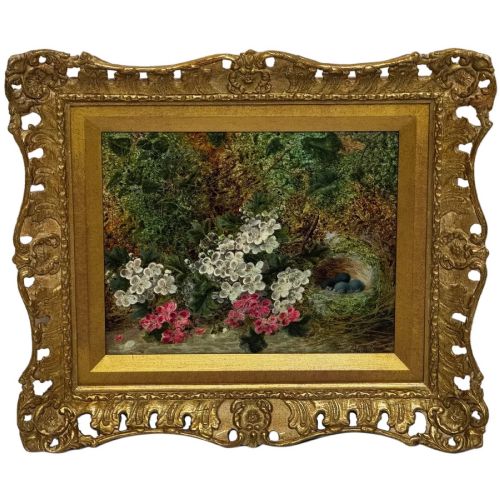
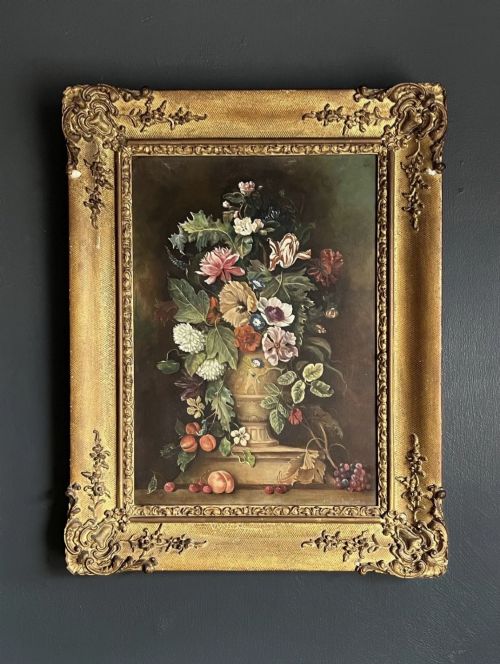
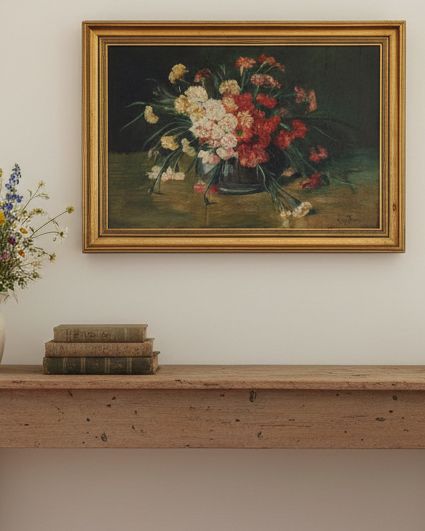
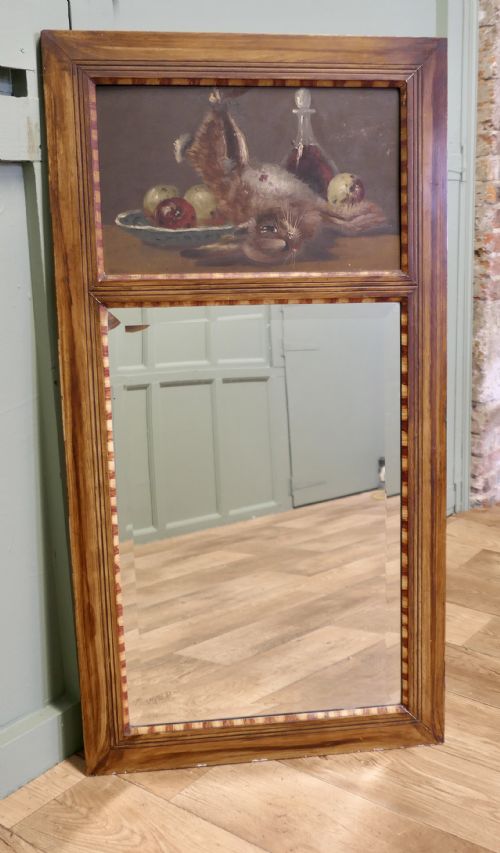
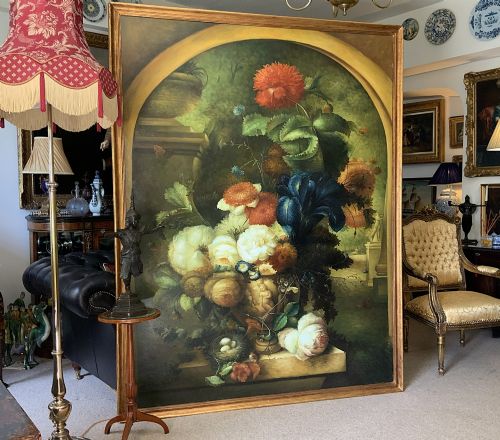
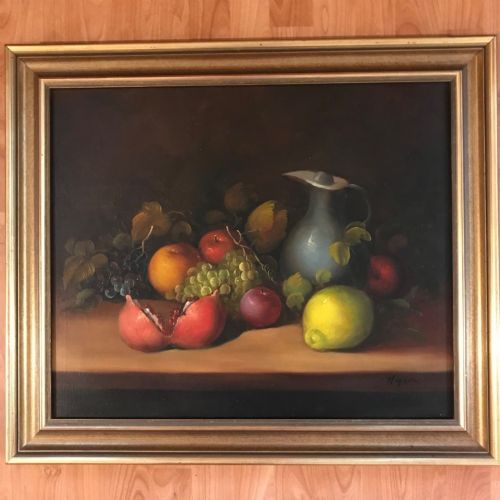
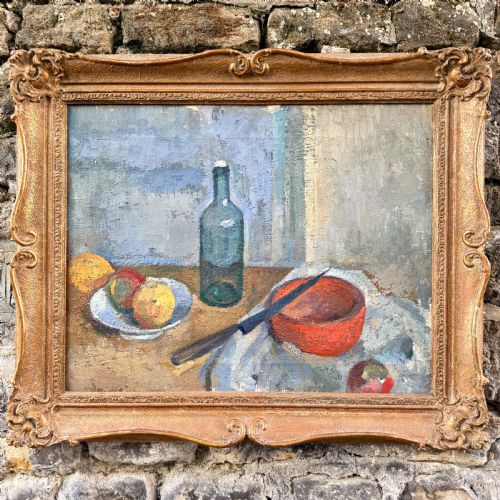
An antique still life oil captures inanimate subject matter, ranging from floral arrangements and baskets of fruit to larder scenes with game, fish and fowl. The pieces gathered here span from the seventeenth-century Flemish and Dutch Golden Age traditions through to nineteenth-century British, French and Austrian canvases, and into early twentieth-century Post-Impressionist works.
Buyers will encounter grand monumental canvases alongside modest panels, often set within period frames of gilt wood, gesso or gold leaf. Subjects frequently focus on domestic abundance, botanical studies or trompe l'oeil compositions designed to deceive the eye with lifelike precision.
The selection reflects diverse regional schools, including French, Italian, Spanish and German interpretations of domestic interiors and natural specimens. These paintings offer a tangible connection to historical methods of observation and interior display.
How They Were Made
These works rely primarily on oil paint applied to woven canvas, wooden panels or occasionally metal supports. The inherent flexibility and slow drying time of oil allowed artists to build up translucent glazes and rich, opaque highlights over extended periods.
Canvases were typically stretched over wooden frames and prepared with grounds before application of the pigment, while panel paintings utilised stable wooden boards. Frames were frequently carved from wood and finished with layers of gilt or gesso to complement the depth of the painted surface.
Common framing materials recorded include gilded wood, gold leaf and ornate gilt gesso.
What Varies in Quality
The caliber of an antique still life oil rests upon the precision of composition, the rendering of light and shadow, and the naturalism of textures such as soft petals, fur, feathers and polished fruit. Master works demonstrate subtle tonal transitions and a confident handling of pigment that brings inanimate objects into vivid relief.
Original framing contributes significantly to the integrity of the piece, with period gilt gesso frames enhancing the historical context of seventeenth, eighteenth and nineteenth-century canvases. Condition of the paint layer, stability of the support and the presence of legible signatures or documented provenance further distinguish museum-grade examples from provincial student works.
Angelo Maria Crivelli·Oliver Clare·Konstantin Stoitzner·Edward Ladell·Michelangelo Meucci·Gaspar Peeter Verbruggen·William Henry Ward·Edwin Steele·William Thomas Wood·Victor Simonin·Frans Snyders·Owen Bowen·John Henderson·Henry Farmer·George Clare·Isabelle Cohen·Giuseppe Pesci·Franz Xaver Petter·Jessie Wolfe·Charles-Gilles Dutillieu·André Perrachon·Giuseppe Vincenzino·Simon Hardimé·Evelyn Chester
The Antique Still Life Oil Glossary
- Canvas
- A heavy woven fabric, typically linen or hemp, stretched across a wooden frame to serve as a stable support for oil painting.
- Gesso
- A traditional paint mixture consisting of a binder mixed with chalk, gypsum, or pigment, used to prepare wood or canvas surfaces.
- Gilt Wood
- Timber that has been coated with a thin layer of gold leaf or gold paint, frequently seen on period frames.
- Trompe l'Oeil
- An art technique involving extremely realistic imagery in order to create the optical illusion that the depicted objects exist in three dimensions.
- Panel
- A flat piece of wood used as a rigid structural support for a painting, common in earlier European schools before canvas became dominant.
Antique Still Life Oil: Frequently Asked Questions
What subjects appear in these paintings?
The compositions predominantly feature floral bouquets, arrangements of fruit in wicker baskets, game birds, fish and domestic tabletop items. Artists across different centuries arranged these elements to study light, colour and texture.
Many works also incorporate symbolic elements such as insects, butterflies or hunting spoils, reflecting the traditions of Dutch and Flemish masters as well as later continental schools.
How should I display an oil painting?
Oil paintings require placement away from direct sunlight and excessive humidity to protect the canvas, wood panel and paint layers from degradation. Stable indoor temperatures prevent the expansion and contraction that can cause cracking in older pigments.
Matching the painting to an appropriate wall space often involves considering the weight and finish of the period frame, such as gilt gesso or carved wood, ensuring it complements surrounding interior furnishings.
Are these paintings signed by the artists?
Many of the listed works feature original signatures, monograms or contemporary inscriptions left by the painter, while others remain attributed to specific schools or regional circles based on style. Signatures help establish a firmer timeline and geographic origin for nineteenth and early twentieth-century pieces.
Unsigned works are generally evaluated through brushwork technique, subject matter, materials and framing characteristics to determine their approximate period and school of origin.
How do I identify the period of a still life?
Dating relies on a combination of stretcher construction, canvas type, framing style and the specific painting techniques employed by the artist. Seventeenth and eighteenth-century works often utilise heavy wood panels or coarse linen canvases with dark, dramatic background lighting.
Later nineteenth and twentieth-century examples introduce brighter Impressionist and Post-Impressionist palettes, looser brushwork, and standardised commercial canvas sizes that help narrow down the date of creation.